
In the world of spirits and alcoholic beverages, the term “screwball drink” has evolved from a colloquialism for an eccentric cocktail into a powerhouse brand identity. Specifically referring to Skrewball Peanut Butter Whiskey, the “screwball drink” represents one of the most successful case studies in modern brand strategy and category disruption. In an industry often governed by centuries of tradition, rigid regulations, and high-brow gatekeeping, Skrewball managed to enter the market as an outsider—a “black sheep”—and fundamentally change how consumers interact with whiskey.
To understand what a screwball drink is, one must look beyond the liquid in the glass and examine the brand strategy that propelled a niche flavor profile into a global sensation. This article explores the brand architecture, market positioning, and identity-driven marketing that allowed Skrewball to define its own category.

Defining the “Screwball” Identity: More Than Just a Drink
The success of Skrewball is rooted in a narrative that celebrates the unconventional. Unlike traditional Scotch or Bourbon brands that lean heavily into heritage, oak barrels, and lineage, Skrewball built its brand around a specific personality type: the misfit.
The Origin Story: From Coastal Bar to Global Shelf
Every great brand needs a “founding myth” that resonates with its audience. Skrewball’s story began in Ocean Beach, San Diego, at a local bar owned by Steven Yeng. As a Cambodian refugee, Steven’s personal journey was already one of resilience and uniqueness. When he began mixing peanut butter with whiskey for his customers, it was seen as a “screwball” idea—something that shouldn’t work, yet everyone loved.
From a brand strategy perspective, this origin story is vital. It grounds the product in authenticity. It wasn’t a corporate focus group that invented the “screwball drink”; it was a bartender listening to his patrons. This grassroots beginning allowed the brand to maintain an “indie” feel even as it scaled to international distribution.
Creating the “Misfit” Persona
The brand name itself, “Skrewball,” is a masterclass in nomenclature. By definition, a screwball is someone who acts in an eccentric or unusual way. By adopting this name, the brand gave its consumers permission to be themselves. The mascot—a stylized black sheep—serves as a visual anchor for this identity. In branding, a mascot isn’t just a logo; it’s a vessel for the consumer’s self-expression. When a customer orders a “screwball drink,” they aren’t just ordering a peanut butter whiskey; they are aligning themselves with a brand that champions being “the black sheep.”
Strategy and Market Positioning: Carving a Niche in a Crowded Market
The spirits market is notoriously difficult to penetrate. For decades, the industry was divided into “premium” sipping spirits and “value” mixing spirits. Skrewball identified a “third way” by focusing on category creation rather than mere competition.
The Power of Category Creation
In brand strategy, it is often better to be the first in a new category than to be the second in an existing one. Before Skrewball, “flavored whiskey” was largely dominated by cinnamon or honey profiles. By introducing peanut butter, Skrewball didn’t just add a flavor; they created a sub-category.
This move effectively bypassed the “whiskey snobbery” that might have dismissed a new bourbon brand. By positioning itself as a “screwball drink,” the product avoided direct comparison with legacy brands like Macallan or Pappy Van Winkle. It created its own set of rules, focusing on versatility, accessibility, and “drinkability” rather than age statements or mash bills.
Emotional Branding and the “Black Sheep” Narrative
Skrewball’s marketing focuses heavily on emotional resonance. Brand managers understand that consumers don’t buy products; they buy how a product makes them feel. The “screwball drink” is marketed through the lens of inclusivity. Its campaigns often feature diverse groups of people in non-traditional settings—bonfires, backyard parties, and dive bars—rather than the dimly lit, leather-bound libraries typical of traditional whiskey advertising.
By targeting the “misfits” and the “black sheep,” the brand built a community. This is a high-level marketing tactic known as “Tribal Branding.” When people feel they belong to a tribe, they become brand evangelists, doing the heavy lifting of word-of-mouth marketing that money can’t buy.
Visual Identity and Consumer Touchpoints
A brand is the sum of all its touchpoints, and Skrewball’s visual identity is designed to be instantly recognizable in a cluttered bar environment.
Packaging Design: Simplicity and Recognition
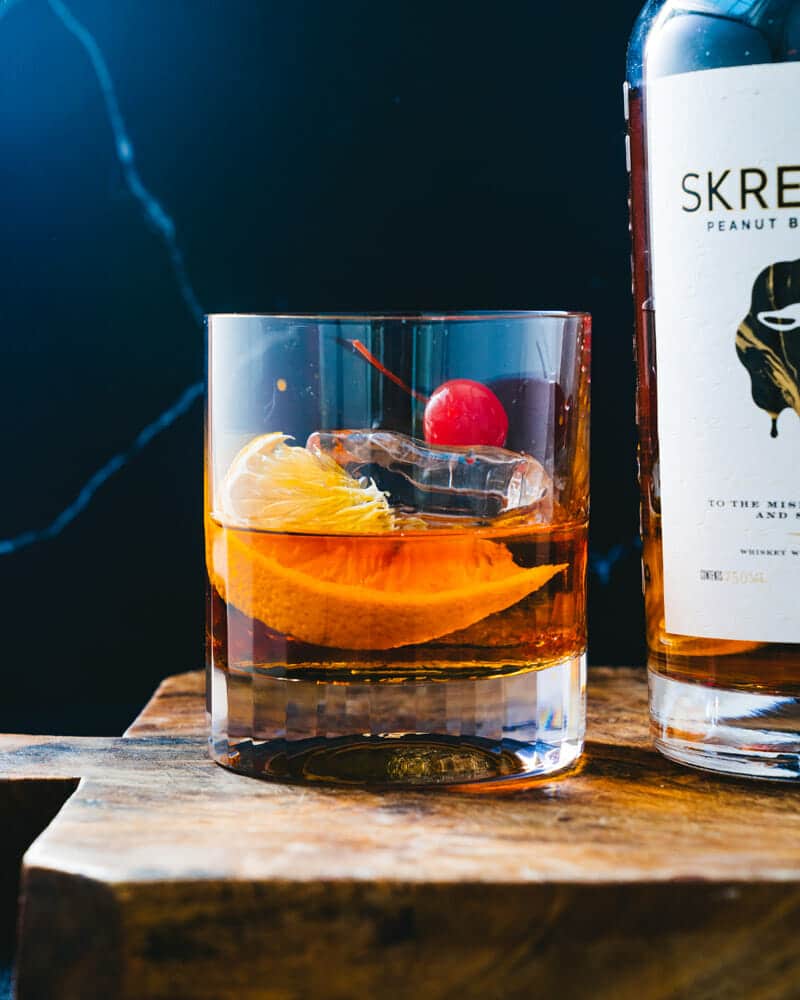
The Skrewball bottle is a lesson in minimalist brand design. The label is clean, utilizing a stark white background that makes the black sheep logo and the bold, handwritten-style font pop. In a retail setting, where a consumer’s eye lingers on a shelf for only a few seconds, this high-contrast design is a significant competitive advantage.
The choice of imagery—the sheep—is also strategically significant. It’s memorable, easy to describe (“the one with the sheep”), and carries a symbolic weight that transcends language barriers. This simplicity facilitated the brand’s rapid expansion into international markets, as the “Screwball” identity didn’t require complex translation; the visual cues did the work.
Leveraging Social Media and “Phygital” Experiences
The “screwball drink” was born for the digital age. Because the drink itself is visually unique—often served in creative shots or decadent dessert cocktails—it is highly “Instagrammable.” The brand leveraged this by encouraging User-Generated Content (UGC).
Furthermore, Skrewball mastered the “phygital” (physical + digital) space by creating brand activations at music festivals and sporting events. These weren’t just tasting booths; they were immersive experiences that reflected the “screwball” lifestyle. By bridging the gap between a physical drink and a digital brand presence, they ensured that the “screwball drink” remained top-of-mind for millennial and Gen Z consumers.
Lessons for Modern Brand Managers: The Skrewball Legacy
The rise of the “screwball drink” offers several critical takeaways for brand strategists and marketers across all industries, not just spirits.
Authenticity Over Tradition
Skrewball proved that authenticity is more valuable than tradition. Modern consumers, particularly younger demographics, are increasingly skeptical of “heritage” brands that feel manufactured. They crave stories that feel real. Skrewball’s success suggests that brands should lean into their quirks and “flaws” rather than trying to fit a standardized mold of “professionalism” or “luxury.”
Scalability Without Losing Soul
One of the greatest challenges in brand management is maintaining a brand’s “soul” during rapid scaling. When Skrewball was acquired by the global spirits giant Pernod Ricard in 2023, the industry watched closely. The brand’s ability to maintain its “outsider” status while being backed by one of the world’s largest conglomerates is a testament to the strength of its core identity.
The lesson here is that a strong brand foundation—built on a clear mission and a distinct personality—can survive and thrive even under the umbrella of corporate ownership. Pernod Ricard didn’t just buy a whiskey; they bought a “screwball” community and a proven brand architecture.
The Importance of Versatility
A “screwball drink” is not just a neat pour. It is a shot, a cocktail base, and a dessert topping. From a brand perspective, this versatility increases the “use cases” for the product. In marketing, the more problems a product can solve (e.g., “What should I bring to a party?” “What goes well in coffee?” “How do I make a unique Old Fashioned?”), the more indispensable the brand becomes. Skrewball positioned itself not as a niche bottle for the back of the liquor cabinet, but as a versatile tool for social connection.

Conclusion
In summary, a “screwball drink” is far more than a mixture of peanut butter and whiskey. It is a symbol of a shift in the beverage industry—a move away from stuffy elitism toward radical inclusivity and creative expression. Through a combination of savvy category creation, emotional tribal branding, and a clear, disruptive visual identity, Skrewball transformed a “crazy idea” into a global brand benchmark.
For brand strategists, Skrewball serves as a reminder that there is immense value in being the “black sheep.” By embracing what made them different, the creators of the screwball drink didn’t just join the whiskey market; they redefined it, proving that in the modern economy, the most “screwball” thing you can do is try to be like everyone else.
aViewFromTheCave is a participant in the Amazon Services LLC Associates Program, an affiliate advertising program designed to provide a means for sites to earn advertising fees by advertising and linking to Amazon.com. Amazon, the Amazon logo, AmazonSupply, and the AmazonSupply logo are trademarks of Amazon.com, Inc. or its affiliates. As an Amazon Associate we earn affiliate commissions from qualifying purchases.