
The evolution of hearing protection in the shooting sports and professional tactical industries has undergone a radical transformation over the last decade. What was once a choice between simple foam plugs and passive plastic muffs has evolved into a sophisticated sector of wearable technology. Today, the “best” ear protection is defined by its ability to utilize high-speed digital signal processing (DSP), advanced materials science, and ergonomic engineering to protect the user’s auditory health while enhancing their situational awareness.
For shooters, the challenge is unique: the device must instantly suppress the high-decibel impulse noise of a gunshot (often exceeding 140–160 dB) while simultaneously amplifying low-level sounds like speech or movement in the brush. Achieving this balance requires a mastery of acoustic physics and electronic circuitry.
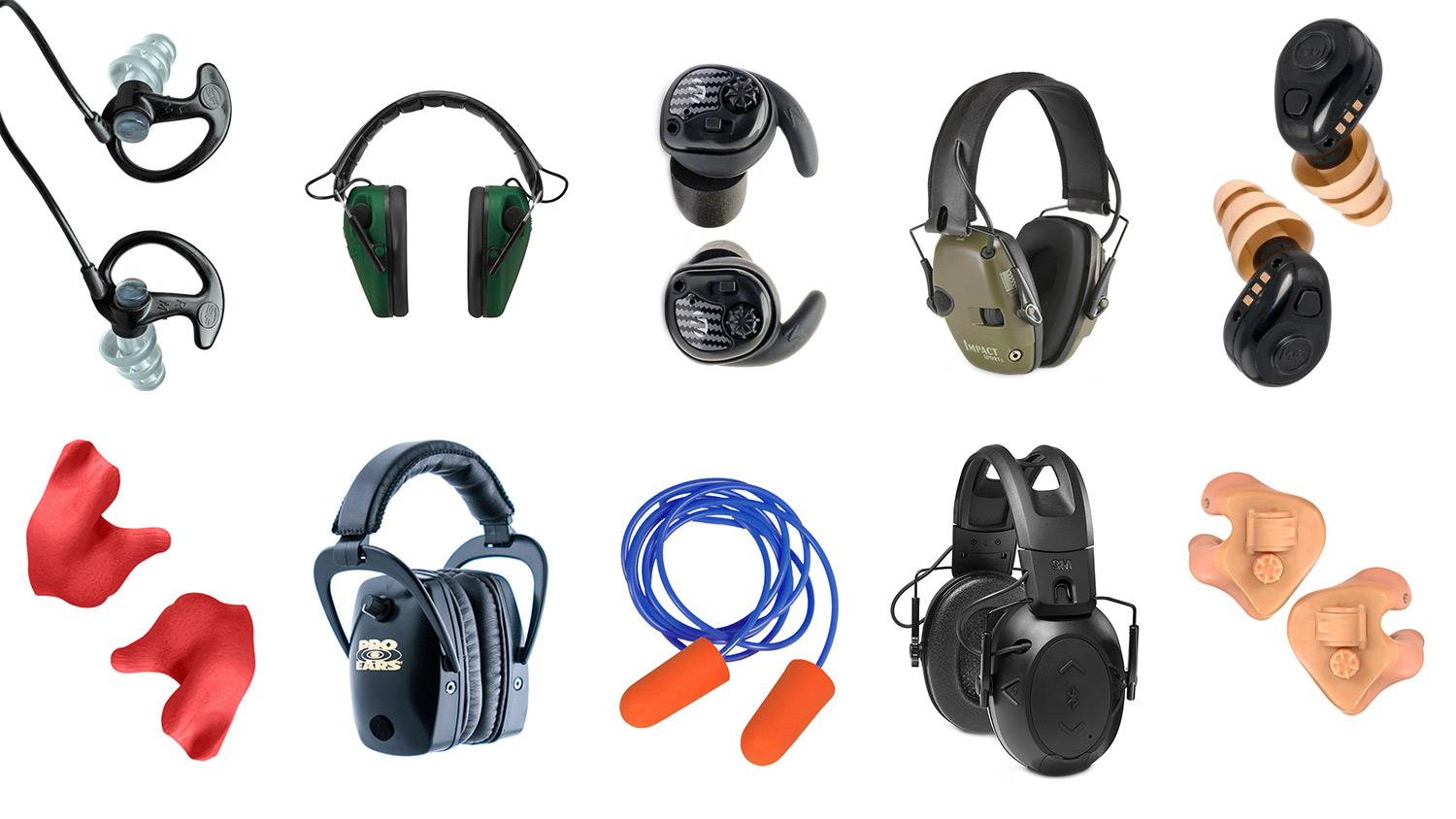
The Engineering Behind Active Noise Suppression
To understand which ear protection is superior, one must first understand the distinction between passive and active technologies. Passive protection relies on physical barriers—dense foams, silicone, and multi-layered plastics—to absorb and reflect sound waves. While effective at high Noise Reduction Ratings (NRR), passive protection is “dumb.” It blocks all sound indiscriminately, which can be a significant tactical disadvantage or a safety hazard in a range environment.
Digital Signal Processing (DSP) and Compression
Modern electronic ear protection utilizes Digital Signal Processing to manage sound. When an impulse noise occurs, the microphones on the exterior of the headset pick up the sound wave. Within milliseconds, the internal circuitry analyzes the decibel level. If it exceeds a safe threshold (usually 82 dB), the device employs one of two methods: clipping or compression.
Clipping is the older, analog method where the amplifier simply shuts off when a loud noise is detected. This results in a “choppy” audio experience. The gold standard in current tech is “Dynamic Sound Compression.” Instead of cutting the audio, the DSP reduces the volume of the gunshot to a safe level while maintaining a continuous feed of ambient sound. This allows the shooter to hear the impact of the bullet or a range command even while the firearm is cycling.
Attack Time and Recovery Speed
The hallmark of a high-end gadget in this space is a low “attack time.” This refers to the speed at which the electronics react to a noise. The best units on the market feature attack times of less than 1 millisecond. Recovery speed is equally important; it dictates how quickly the unit returns to ambient amplification after the shot. If the recovery is too slow, the user is effectively deaf for a second after every trigger pull, which is unacceptable in competitive or tactical scenarios.
Top Tiers of Shooting Tech: Hardware Reviews
When evaluating the best hardware, the market is generally split between over-the-ear muffs and in-ear electronic plugs. Each represents a different pinnacle of engineering.
Over-the-Ear Powerhouses: The 3M Peltor ComTac Series
The 3M Peltor ComTac VI is widely considered the industry benchmark for high-end electronic hearing protection. It isn’t just a pair of muffs; it is a communication hub. The “NIB” (Natural Interaction Behavior) technology allows for short-range, full-duplex communication between headsets without the need for external radios.
From a technical standpoint, the ComTac VI utilizes specialized microphones that provide 360-degree situational awareness. This allows the brain to localize sound accurately, a feat that cheaper digital muffs often struggle with due to “flat” audio processing. The hardware is designed to withstand extreme environmental stressors, meeting MIL-STD-810G standards, making it as much a piece of ruggedized tech as a specialized laptop or tactical drone.
The In-Ear Revolution: Otto Engineering NoizeBarrier Micro
For shooters who find muffs cumbersome or incompatible with certain headgear, high-definition electronic earplugs like the Otto NoizeBarrier Micro represent the cutting edge of miniaturization. These devices utilize high-fidelity balanced-armature speakers to deliver crystal-clear audio.
The tech inside these small buds includes a sophisticated “dual-mode” processor. In its standard mode, it provides natural hearing and impulse protection. In “enhanced” mode, it boosts soft sounds by up to five times, effectively giving the user “super-hearing.” The engineering challenge here is battery life and feedback loops; Otto solves this with a proprietary circuit design that prevents the “whistling” common in many hearing aids and lower-end electronic plugs.
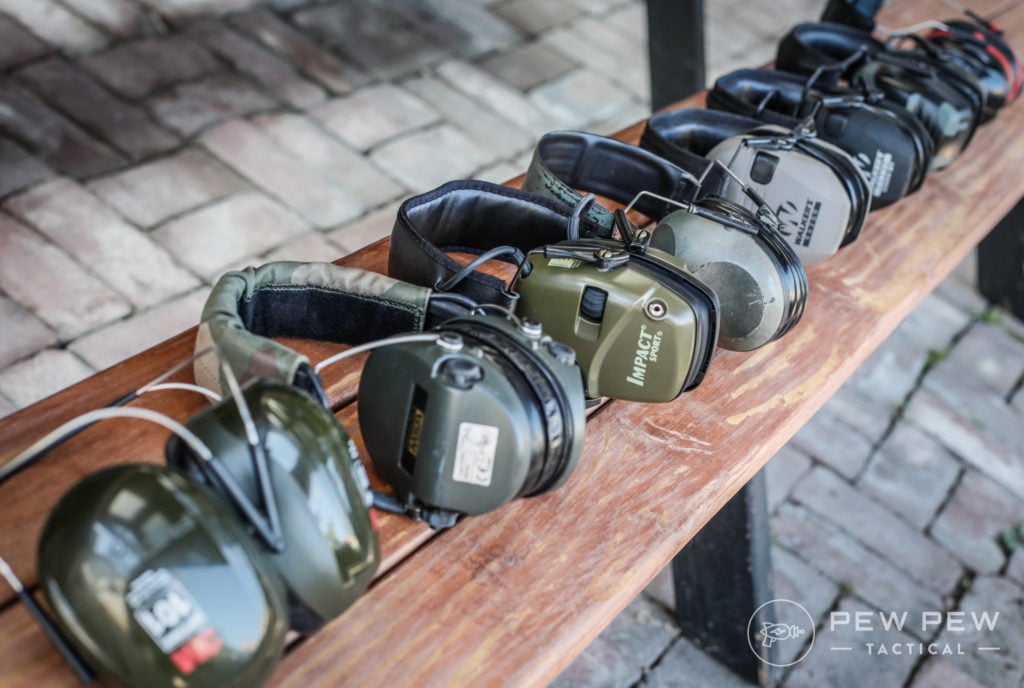
The Hybrid Contender: Walker’s Razor Digital
For the enthusiast market, the Walker’s Razor Digital series offers a high performance-to-price ratio. Their tech focus is on “Hi-Gain Omni-Directional Microphones.” By utilizing multiple microphones, the device creates a stereo soundscape. While it may not have the ruggedization of a Peltor, its use of low-profile housing and high-speed digital compression makes it a staple gadget for the modern range bag.
Connectivity and the Integration of Smart Features
The “best” ear protection is no longer an isolated tool; it is increasingly integrated into the user’s digital ecosystem. The integration of Bluetooth 5.0 and specialized apps has changed how shooters interact with their gear.
Bluetooth Integration and Communication
Modern headsets, such as the Howard Leight Impact Sport Bluetooth or the Sordin Supreme Pro-X, allow users to sync their hearing protection with mobile devices. This serves several technical purposes. First, it allows for the seamless streaming of shot-timer data from mobile apps directly into the ear. Second, it enables high-fidelity communication on the range without removing protection.
The technical hurdle in Bluetooth integration for shooting is ensuring that the radio frequency (RF) interference from the Bluetooth module does not degrade the performance of the microphones or the compression circuitry. Advanced shielding in the ear cups is required to maintain a high Signal-to-Noise Ratio (SNR).
Customization via Software
We are seeing the emergence of app-controlled hearing protection. Some high-end earbuds now allow users to adjust EQ settings via a smartphone. For example, a shooter with high-frequency hearing loss can boost those specific frequencies through the app’s interface, tailoring the device’s output to their specific biological needs. This level of personalization moves hearing protection into the realm of “smart wearables.”
Materials Science and Ergonomic Design
While the internal circuitry is the “brain,” the “body” of the ear protection is equally reliant on tech. The best ear protection utilizes advanced materials to ensure a perfect acoustic seal, which is the foundation of any NRR rating.
Gel Cup Technology
Traditional foam ear pads are prone to hardening over time and often fail to create a seal around the arms of safety glasses. The transition to silicone gel cups represents a major technological leap in comfort and efficacy. Gel conforms to the irregularities of the skull, maintaining the acoustic barrier even during movement. From a physics perspective, gel is also a superior vibration dampener compared to standard foam.
IP Ratings and Durability
Shooting often takes place in sub-optimal environments—rain, dust, and extreme heat. The best devices carry high Ingress Protection (IP) ratings, such as IP67 or IP68. This means the sensitive internal DSP and microphones are housed in sealed, waterproof compartments. For the electronics to survive the recoil of a large-caliber rifle and the humidity of a coastal environment, manufacturers utilize conformal coatings on the circuit boards—the same tech used to protect components in aerospace engineering.
Conclusion: Selecting the Best Based on Technical Requirements
Determining the “best” ear protection for shooting requires a move away from the “one-size-fits-all” mentality and toward a requirements-based technical analysis. For the professional who requires integrated communications and extreme durability, the 3M Peltor ComTac VI or the Ops-Core AMP Communication Headset stands as the pinnacle of hardware.
For the tech-focused hobbyist who prioritizes sound quality and portability, in-ear digital suppressors like those from Otto Engineering or Etymotic Research provide laboratory-grade fidelity in a pocket-sized form factor.
Ultimately, the best ear protection is the one that leverages the latest in Digital Signal Processing to offer a seamless bridge between safety and situational awareness. As DSP continues to shrink in size and grow in processing power, we can expect the next generation of auditory tech to offer even faster attack times, better AI-driven noise filtration, and deeper integration with augmented reality systems on the range. Protecting one’s hearing is no longer just about blocking sound; it is about managing an acoustic environment through the most advanced wearable tech available.
aViewFromTheCave is a participant in the Amazon Services LLC Associates Program, an affiliate advertising program designed to provide a means for sites to earn advertising fees by advertising and linking to Amazon.com. Amazon, the Amazon logo, AmazonSupply, and the AmazonSupply logo are trademarks of Amazon.com, Inc. or its affiliates. As an Amazon Associate we earn affiliate commissions from qualifying purchases.