
Inflation is a pervasive economic force that subtly erodes the purchasing power of money over time. While often discussed in macroeconomic terms, its impact is profoundly felt at the individual and business levels, influencing everything from the cost of groceries to the profitability of enterprises. Understanding how to proactively adjust for inflation is not just a financial strategy; it’s a necessity for preserving wealth, maintaining living standards, and ensuring long-term financial stability.
In an environment where prices for goods and services are consistently rising, an unadjusted financial approach can lead to a significant decline in real wealth. This article delves into practical, insightful strategies for both individuals and businesses to navigate inflationary pressures, transforming potential challenges into opportunities for resilience and growth. From meticulous personal budgeting and shrewd investment choices to agile business operations and strategic financial planning, we will explore the multifaceted approach required to thrive in an inflationary economy.

Understanding Inflation: The Silent Eroder of Wealth
Before devising strategies to combat inflation, it’s crucial to grasp what it is, how it’s measured, and its far-reaching implications. Inflation is not merely an abstract economic concept; it’s a tangible force that dictates how far your money goes.
What is Inflation and How is it Measured?
At its core, inflation refers to the rate at which the general level of prices for goods and services is rising, and consequently, the purchasing power of currency is falling. When inflation is high, a dollar today buys less than it did yesterday. This phenomenon can be driven by various factors, including demand-pull inflation (too much money chasing too few goods), cost-push inflation (rising production costs), and built-in inflation (expectations of future inflation leading to wage-price spirals).
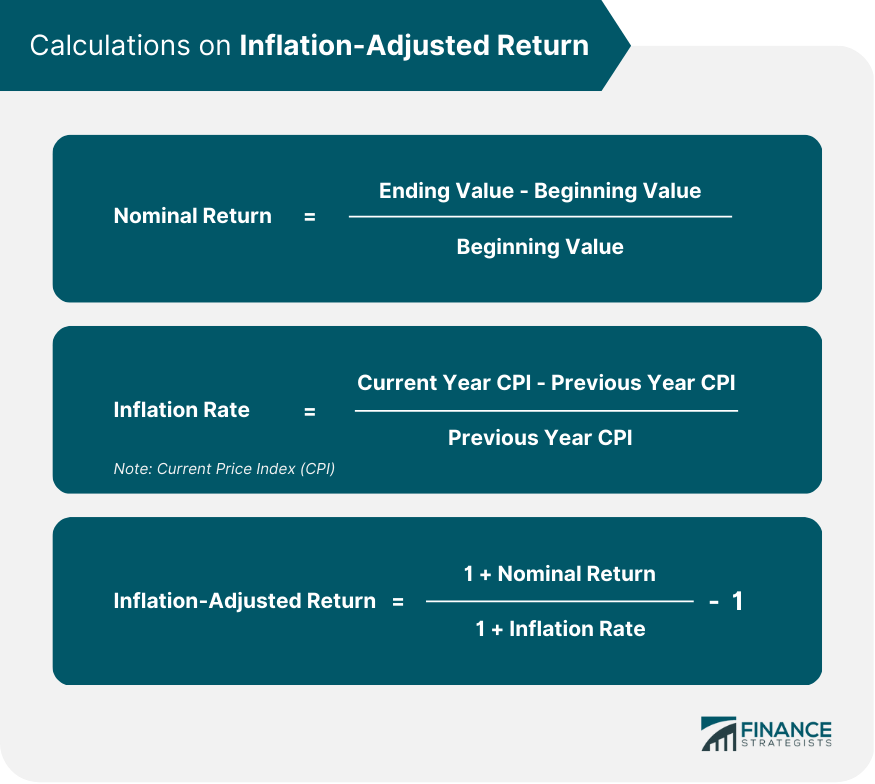
The most common measure of inflation is the Consumer Price Index (CPI), which tracks the average change over time in the prices paid by urban consumers for a market basket of consumer goods and services. Other measures include the Producer Price Index (PPI), which measures the average change over time in selling prices received by domestic producers for their output, and the Personal Consumption Expenditures (PCE) price index, favored by the Federal Reserve for its broader scope. Understanding these metrics helps individuals and businesses gauge the severity and persistence of inflationary trends.
The Impact of Inflation on Everyday Life
The effects of inflation permeate every aspect of daily life. For individuals, it directly impacts their purchasing power, meaning that fixed salaries buy less over time. Savers are particularly vulnerable, as the real value of their cash holdings and low-interest savings accounts diminishes. Retirees on fixed incomes or those relying on pensions can see their living standards fall dramatically if their income streams do not adjust for inflation. The cost of living – housing, food, transportation, healthcare – steadily rises, putting a squeeze on household budgets and forcing difficult choices.
For businesses, inflation translates into higher operating costs – raw materials, labor, utilities, and transportation become more expensive. This can compress profit margins, necessitate price increases (which might deter customers), or force businesses to absorb costs, impacting their bottom line and growth potential. Moreover, investment decisions become trickier, as the future value of returns needs to be higher to compensate for inflation.
Why Inflation Matters Now More Than Ever
Recent global events, including supply chain disruptions, geopolitical tensions, and unprecedented monetary and fiscal stimuli, have brought inflation back to the forefront of economic discussions. While periods of moderate inflation are often considered a sign of a healthy, growing economy, sustained high inflation can destabilize markets, reduce consumer confidence, and impede economic growth. The challenge lies in distinguishing between transient price increases and more persistent inflationary trends, making proactive adjustment strategies more critical than ever for long-term financial health.
Personal Finance Strategies to Protect Your Household
Navigating inflation at a personal level requires a disciplined and adaptive approach to budgeting, income generation, and debt management. Protecting your household finances means making conscious choices to preserve and grow your real wealth.
Re-evaluating Your Budget and Spending Habits
The first line of defense against inflation is a thorough review of your budget. High inflation necessitates a shift from passive spending to active financial management. Identify discretionary spending areas that can be reduced or eliminated. This might involve cutting down on dining out, re-evaluating subscriptions, or finding cheaper alternatives for essential goods. Focus on needs versus wants. Creating a zero-based budget, where every dollar is allocated, can provide clarity and control over your finances, helping you direct funds towards more inflation-resistant assets or debt reduction. Look for opportunities to save on recurring expenses, such as negotiating insurance premiums, refinancing a mortgage (if rates are favorable and fixed), or optimizing utility usage.
Boosting Your Income and Diversifying Revenue Streams
While cutting expenses is vital, increasing your income provides a more sustainable path to adjusting for inflation. Explore avenues to enhance your earning potential. This could involve negotiating a raise at your current job, particularly if your compensation hasn’t kept pace with inflation. Consider acquiring new skills or certifications that make you more valuable in the job market. Additionally, exploring side hustles or gig economy opportunities can provide supplementary income to offset rising costs. Diversifying your income streams makes you less vulnerable to single points of failure and provides extra capital to invest or save strategically.
Smart Debt Management in an Inflated Environment
Inflation has a dual impact on debt. For borrowers with fixed-rate debt (like a traditional mortgage), inflation can effectively reduce the real value of their payments over time. However, for those with variable-rate debt (like credit cards or adjustable-rate mortgages), rising interest rates – a common response to inflation – can significantly increase monthly payments. Prioritize paying down high-interest, variable-rate debt first to minimize exposure to rising rates. For fixed-rate debt, maintaining payments while investing extra cash in inflation-hedged assets might be a better strategy, allowing inflation to erode the real value of your debt while your investments grow. Avoid accumulating new debt, especially at high or variable interest rates.
Building and Protecting Your Emergency Fund
An emergency fund is crucial in any economic climate, but its importance is amplified during inflationary periods. Ensure your emergency fund holds at least 3-6 months’ worth of essential living expenses. However, be mindful that simply holding cash in a low-interest savings account means its value is being eroded by inflation. While accessibility is key for an emergency fund, consider placing a portion of it in slightly higher-yielding, yet still liquid, accounts such as high-yield savings accounts or short-term certificates of deposit (CDs) that offer some protection against inflation while maintaining liquidity. Periodically review your emergency fund’s target amount to ensure it still covers your inflation-adjusted living expenses.
Investment Approaches to Grow Wealth Amidst Rising Prices
Investing strategically is perhaps the most potent way to adjust for inflation. The goal is to allocate capital to assets that either generate returns that outpace inflation or inherently hold their value, or even appreciate, during inflationary periods.
Inflation-Hedged Assets: Real Estate and Commodities
Real Estate: Historically, real estate has served as an excellent hedge against inflation. Property values and rental incomes tend to rise with inflation, protecting investors’ purchasing power. Investing in physical property, Real Estate Investment Trusts (REITs), or even fractional real estate platforms can provide exposure to this asset class. However, it’s essential to consider factors like property taxes, maintenance costs, and market specifics.
Commodities: Raw materials like gold, silver, oil, and agricultural products often perform well during inflationary times because their prices are a direct input into the cost of goods and services. As inflation rises, so do commodity prices. Investors can gain exposure to commodities through futures contracts, exchange-traded funds (ETFs) that track commodity indices, or direct investments in specific commodity-producing companies. Gold, in particular, is often viewed as a traditional safe-haven asset during economic uncertainty and inflation.
Equities and Dividend Stocks: Finding Resilient Companies
Not all stocks are equal in an inflationary environment. Focus on companies with pricing power, meaning they can pass on increased costs to consumers without significantly impacting demand. These are typically established brands, companies with strong market positions, or those providing essential goods and services. Companies with robust profit margins and low debt can also weather inflationary storms better.
Dividend stocks, especially those from companies with a history of consistently increasing their dividends, can offer a growing income stream that helps offset inflation. Look for companies in defensive sectors like consumer staples, utilities, and healthcare, which tend to be more resilient during economic downturns and inflationary periods. Growth stocks, while potentially volatile, can also offer strong returns if they belong to companies with innovative products or services that retain strong demand regardless of price increases.
Treasury Inflation-Protected Securities (TIPS) and I-Bonds
For those seeking more direct inflation protection from government-backed securities, Treasury Inflation-Protected Securities (TIPS) are an excellent option. The principal value of TIPS adjusts with the Consumer Price Index (CPI), meaning it rises with inflation and falls with deflation. When TIPS mature, you receive either the original or adjusted principal, whichever is greater. You also receive semi-annual interest payments based on the adjusted principal.
Series I Savings Bonds (I-Bonds) are another government-backed security offering inflation protection. Their interest rate is a combination of a fixed rate and an inflation rate, adjusted twice a year based on the CPI. Both TIPS and I-Bonds provide a relatively safe way to ensure your capital keeps pace with inflation, making them suitable for long-term savings goals like retirement or education funds.
Diversification and Long-Term Perspective
No single asset class is a perfect hedge against all types of inflation or economic conditions. The most effective investment strategy is diversification. Spreading your investments across various asset classes – stocks, bonds, real estate, commodities, and even alternative investments – can mitigate risk and improve the likelihood of outperforming inflation over the long term. Crucially, maintaining a long-term perspective is paramount. Market fluctuations and inflationary cycles are part of the economic landscape. Panicking and making impulsive decisions based on short-term news can be detrimental. Stick to a well-thought-out investment plan, regularly review it, and make adjustments as needed.
Business Strategies for Navigating Inflationary Pressures
Businesses face a unique set of challenges during inflationary periods, primarily due to rising input costs and the potential for reduced consumer demand if prices rise too steeply. Strategic adjustments are necessary to maintain profitability and competitiveness.
Optimizing Pricing Strategies
One of the most immediate responses to rising costs is adjusting pricing. However, this must be done strategically to avoid alienating customers. Value-based pricing, where prices are set according to the perceived value of a product or service to the customer rather than just cost, can be effective. Communicating the increased value or quality that justifies a price hike is crucial. Dynamic pricing models that allow for quick adjustments based on market demand, competitor pricing, and input costs can also be beneficial. Businesses should analyze their cost structure meticulously to understand where price increases are genuinely necessary and where efficiencies can be found to absorb some costs. Smaller, more frequent price adjustments might be less jarring to customers than large, infrequent ones.
Supply Chain Management and Cost Control
Inflation often starts at the supply chain level. Businesses must work to optimize their supply chains to mitigate rising input costs. This includes negotiating better terms with suppliers, exploring alternative suppliers (potentially local ones to reduce transportation costs), and even considering vertical integration where feasible. Investing in inventory management systems can reduce waste and optimize stock levels, preventing overstocking during periods of declining demand or understocking when prices are rising. Hedging strategies can be employed for critical raw materials to lock in prices. Furthermore, identifying areas for operational efficiencies – from energy consumption to manufacturing processes – can significantly reduce overall costs.
Employee Compensation and Retention
Rising inflation means employees’ purchasing power is diminishing, leading to demands for higher wages. Businesses must balance managing labor costs with retaining valuable talent. Ignoring wage adjustments can lead to high employee turnover, increased recruitment costs, and loss of institutional knowledge. Strategies include offering inflation-adjusted raises where possible, but also exploring non-monetary benefits like flexible working arrangements, professional development opportunities, or improved health and wellness programs that enhance overall compensation value without solely relying on salary increases. Performance-based bonuses or profit-sharing schemes can also motivate employees while linking compensation to the company’s financial health.
Capital Expenditure and Cash Flow Management
Inflation increases the cost of capital projects and equipment. Businesses must carefully evaluate new investments, prioritizing those that offer the quickest return on investment or directly enhance efficiency and productivity to offset rising costs. Maintaining robust cash flow management is paramount. Tight control over accounts receivable and payable, optimizing payment terms, and establishing strong credit lines can ensure liquidity. Businesses should also regularly review their borrowing costs, considering refinancing options if interest rates are favorable, or locking in fixed rates if further increases are anticipated. Strategic use of technology to automate processes and reduce manual labor can also lead to long-term cost savings.
The Role of Financial Planning and Continuous Adaptation
Adjusting for inflation is not a one-time fix but an ongoing process that demands vigilance, education, and adaptability. Effective financial planning and a commitment to continuous learning are essential to navigate the ever-changing economic landscape.
Utilizing Financial Tools and Technology
Modern financial technology offers powerful tools to help manage money and investments more effectively during inflationary periods. Budgeting apps can track spending in real-time, helping individuals and businesses identify areas for cost reduction. Investment platforms provide access to a wide range of assets, analytical tools, and automated rebalancing features. Robo-advisors can offer low-cost, diversified portfolio management tailored to specific risk tolerances and inflation concerns. Utilizing these tools can streamline financial management, provide deeper insights, and enable quicker adjustments to financial plans.
Seeking Professional Financial Advice
While many strategies can be implemented independently, complex financial situations or significant wealth warrant the expertise of a professional financial advisor. A certified financial planner can help create a comprehensive plan that accounts for inflation, designs an appropriate investment portfolio, and provides personalized guidance on tax implications, estate planning, and retirement strategies. For businesses, a financial consultant or CFO can offer strategic insights into pricing, supply chain optimization, and capital allocation to effectively counter inflationary pressures. Professional advice can provide clarity, confidence, and a more robust approach to long-term financial resilience.
Staying Informed and Proactive
The economic environment is dynamic. Staying informed about economic news, inflation reports, interest rate changes, and market trends is crucial. Read reputable financial news sources, follow economic indicators, and understand the implications of monetary policy decisions. Being proactive means anticipating potential changes and adjusting your strategies before they become critical. This continuous learning process empowers individuals and businesses to make timely and informed decisions, rather than reacting to events retrospectively.

Reviewing and Adjusting Your Plan Regularly
A financial plan is not set in stone; it’s a living document. Inflationary periods underscore the importance of regular review and adjustment. Annually, or even semi-annually, revisit your budget, investment portfolio, debt management strategy, and business operations. Assess whether your goals are still realistic and whether your current strategies are effectively mitigating inflation. Your personal circumstances, market conditions, and economic outlook can change, necessitating revisions to your plan. The ability to adapt and pivot your financial approach is the ultimate key to sustained financial health in an inflationary world.
In conclusion, adjusting for inflation is a multi-faceted endeavor that requires a combination of astute financial management, strategic investment, and operational agility. By understanding the nature of inflation, implementing robust personal and business strategies, and committing to ongoing financial planning, individuals and enterprises can not only withstand the silent erosion of wealth but also position themselves for continued growth and prosperity, regardless of the economic climate.
aViewFromTheCave is a participant in the Amazon Services LLC Associates Program, an affiliate advertising program designed to provide a means for sites to earn advertising fees by advertising and linking to Amazon.com. Amazon, the Amazon logo, AmazonSupply, and the AmazonSupply logo are trademarks of Amazon.com, Inc. or its affiliates. As an Amazon Associate we earn affiliate commissions from qualifying purchases.