
In the era of the “quantified self,” the question of what constitutes an average sleep time has shifted from a matter of subjective clinical surveys to a precise metric captured by millions of sensors worldwide. For decades, the benchmark for human rest was derived from self-reported data, which was notoriously prone to human error and “social desirability bias.” Today, however, the intersection of wearable technology, artificial intelligence, and cloud-based health platforms has redefined our understanding of sleep. We no longer ask users how much they slept; we query their wrist-worn accelerometers and photoplethysmography (PPG) sensors to determine the exact architectural breakdown of their nocturnal recovery.
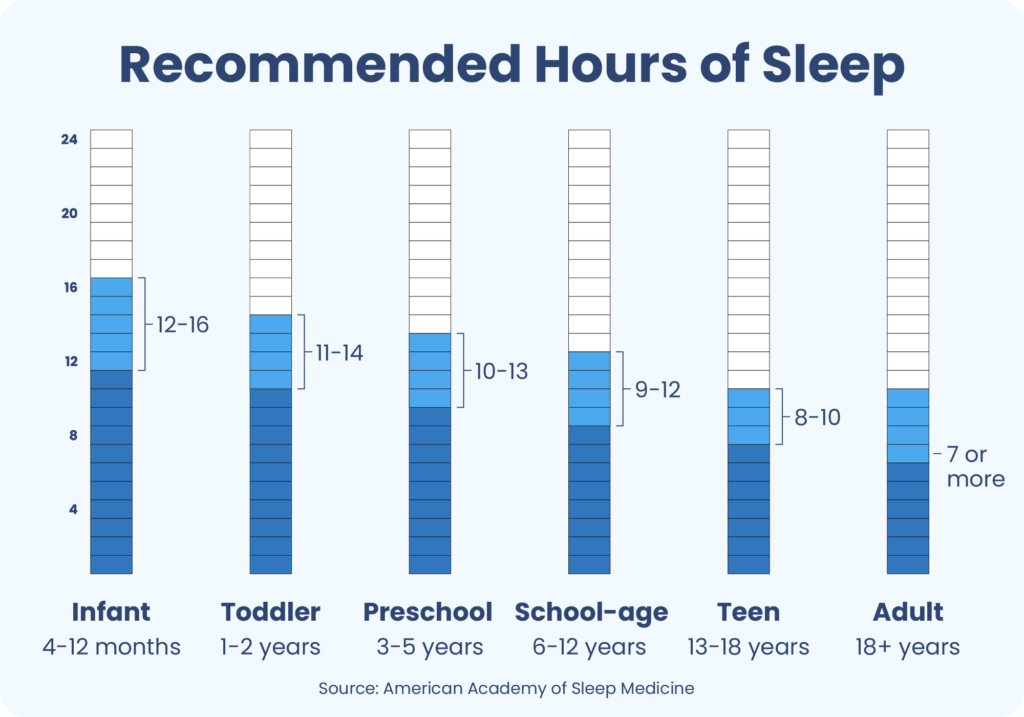
From a technology perspective, the “average sleep time” is a dynamic data point that reflects the hardware and software ecosystems we inhabit. As these devices become more sophisticated, they are revealing that the global average is often lower than previously thought, while simultaneously providing the tools necessary to optimize those hours through algorithmic intervention.
Decoding the Data: How Wearable Tech Measures Average Sleep Time
To understand the average sleep time in a modern context, one must first understand the hardware responsible for capturing that data. The transition from the laboratory—where polysomnography (PSG) serves as the gold standard—to the consumer’s bedroom has required significant leaps in sensor miniaturization and signal processing.
The Shift from Subjective to Objective Measurement
Historically, sleep studies relied on the “sleep diary,” where individuals manually recorded their lights-out and wake-up times. Tech-driven data sets from companies like Oura, Fitbit, and Garmin have exposed the inaccuracy of these records. Wearables utilize 3-axis accelerometers to detect movement and PPG sensors to track heart rate variability (HRV). By analyzing these streams of data, software can differentiate between “time in bed” and “actual sleep time.”
The average sleep time, when measured objectively by technology, typically falls between 6.5 and 7.2 hours for adults—roughly 30 to 60 minutes less than what many people claim in surveys. This “perception gap” is a primary focus for developers building the next generation of health-tracking software, as they aim to align user perception with physiological reality.
How Algorithms Differentiate REM, Deep, and Light Sleep
Modern sleep tech does not just measure duration; it segments the “average” into specific sleep stages. This is achieved through sophisticated machine learning models trained on thousands of hours of PSG data.
- Light Sleep: Identified by stabilized heart rates and reduced movement.
- Deep Sleep (Slow Wave Sleep): Characterized by the lowest heart rates and minimal respiratory frequency.
- REM (Rapid Eye Movement): Detected through increased heart rate variability and muscle atonia (lack of movement), which algorithms interpret as the dreaming state.
For software engineers in the digital health space, the challenge lies in filtering “noise”—such as a partner moving in bed or an arm falling asleep—to ensure the sleep duration metric remains accurate. The evolution of these algorithms has turned the “average sleep time” from a flat number into a rich, multi-layered report.
The Global Averages: What Large-Scale Digital Health Databases Reveal
When we look at “average sleep time” through the lens of big data, we see patterns that were invisible to traditional medicine. Tech companies now possess some of the largest longitudinal health databases in history, allowing for an unprecedented look at how humanity rests.
Aggregated Insights from Wearable Ecosystems
Data aggregated from millions of anonymized users suggests that sleep duration is heavily influenced by geography and the digital environment. For instance, data from global wearable leaders indicates that users in cities with high light pollution and significant “digital noise” tend to have shorter average sleep durations but higher frequencies of “micro-awakenings.”
Furthermore, the integration of ambient light sensors on smartphones and smartwatches has allowed researchers to correlate average sleep times with blue light exposure. The data shows a direct inverse relationship between screen time in the hour before bed and the subsequent “sleep efficiency” score—a metric that compares total sleep time to the total time spent in bed.
Geographic and Demographic Variations in Digital Sleep Data
Software platforms have identified that the “average” is not universal. In tech-heavy regions like Silicon Valley or Tokyo, the average sleep time often skews lower, hitting the 6-hour mark, whereas regions with higher adoption of “smart home” climate and lighting controls show slightly longer and more consistent sleep durations.
This demographic data is invaluable for app developers. By knowing that a specific segment of the population averages only 6.2 hours of sleep, developers can tailor UI/UX elements—such as “Wind Down” notifications or “Focus Mode” prompts—to nudge users toward healthier habits before the sleep cycle even begins.
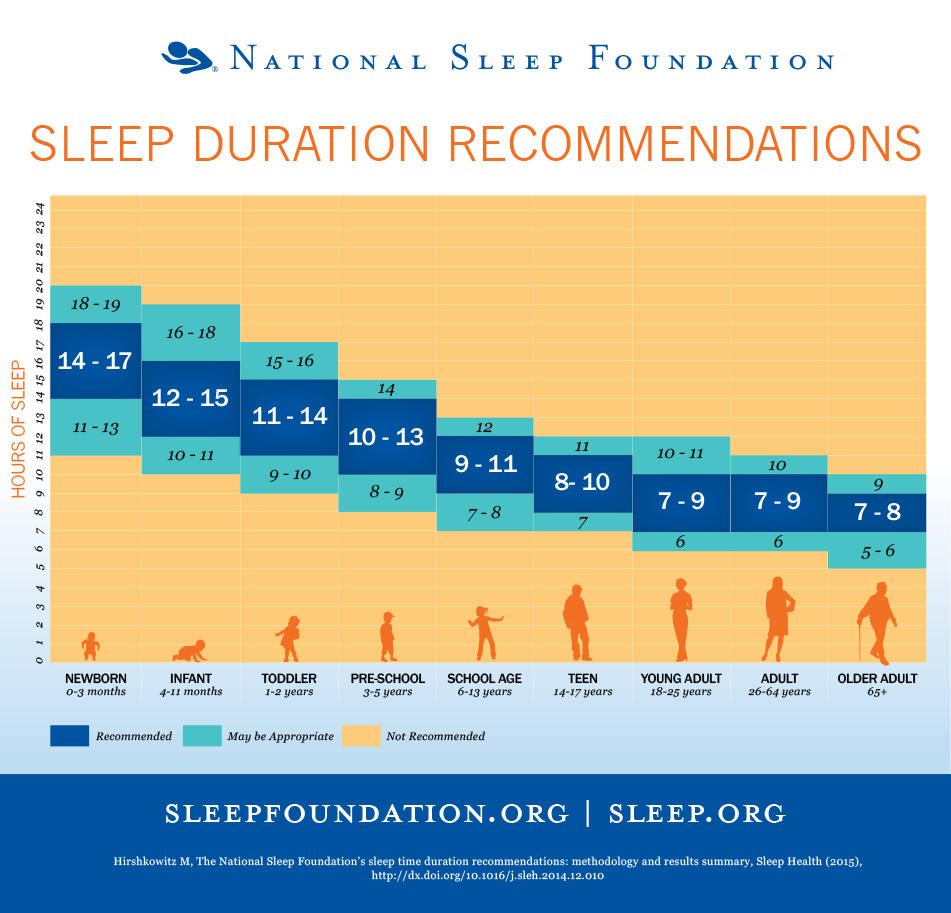
Optimizing Sleep Duration Through AI and Machine Learning
As we define the average sleep time, the role of technology is shifting from passive observation to active optimization. Artificial intelligence is now being used to bridge the gap between the “average” and the “optimal.”
Personalized Sleep Windows via Predictive Analytics
The most advanced sleep apps no longer suggest a generic 8-hour window. Instead, they use predictive analytics to identify a user’s unique “chronotype.” By analyzing weeks of sleep data, AI models can predict the precise moment a user’s melatonin levels are likely to rise, suggesting a personalized “bedtime window.”
This technology moves the needle on average sleep time by reducing “sleep latency”—the time it takes to fall asleep. When the software aligns the user’s schedule with their biological clock, the quality of the average sleep time increases, even if the total duration remains the same.
Smart Home Integration and the Ideal Sleep Environment
The Internet of Things (IoT) has extended the reach of sleep tech beyond the wrist. Today, the average sleep time is being influenced by the “connected bedroom.” Smart thermostats (like Nest or Ecobee) can be synced with sleep trackers to lower the room temperature during deep sleep stages, which research suggests can extend the duration of those stages.
Lighting systems, such as Philips Hue, utilize APIs to gradually dim lights and shift color temperatures from cool blue to warm amber based on the user’s tracked sleep history. This ecosystem approach ensures that the environment is technically optimized to support the maximum possible sleep duration, combatting the external factors that typically drive the “average” downward.
The Future of Sleep Monitoring: Beyond the Wrist
As we look toward the future of technology and its relationship with sleep metrics, the hardware is becoming even less intrusive, moving away from wearables toward “invisible” sensors.
Non-Contact Sensors and Radar Technology
The next frontier in calculating average sleep time involves near-field sensing and radio-frequency (RF) technology. Devices like the Google Nest Hub (2nd Gen) or specialized sleep mats utilize Soli radar technology to detect movement and breathing patterns without requiring the user to wear a device.
This reduces “user friction,” leading to more consistent long-term data collection. When users don’t have to remember to charge a watch or strap on a chest belt, the data set for “average sleep time” becomes much more robust and less prone to gaps in recording.
Neural Interfaces and the Quest for the “Perfect” Sleep Cycle
Looking further ahead, the integration of neurotechnology and brain-computer interfaces (BCIs) could revolutionize how we define sleep averages. Startups are already experimenting with headbands that use EEG (electroencephalogram) sensors to not only measure sleep but to actively “deepen” it using auditory stimulation.
By playing specific frequencies (pink noise) that sync with brain waves during slow-wave sleep, these devices can theoretically compress the restorative benefits of sleep. In this technological future, the “average sleep time” might actually decrease while the “average recovery score” increases, as software learns to make every minute of sleep more efficient.
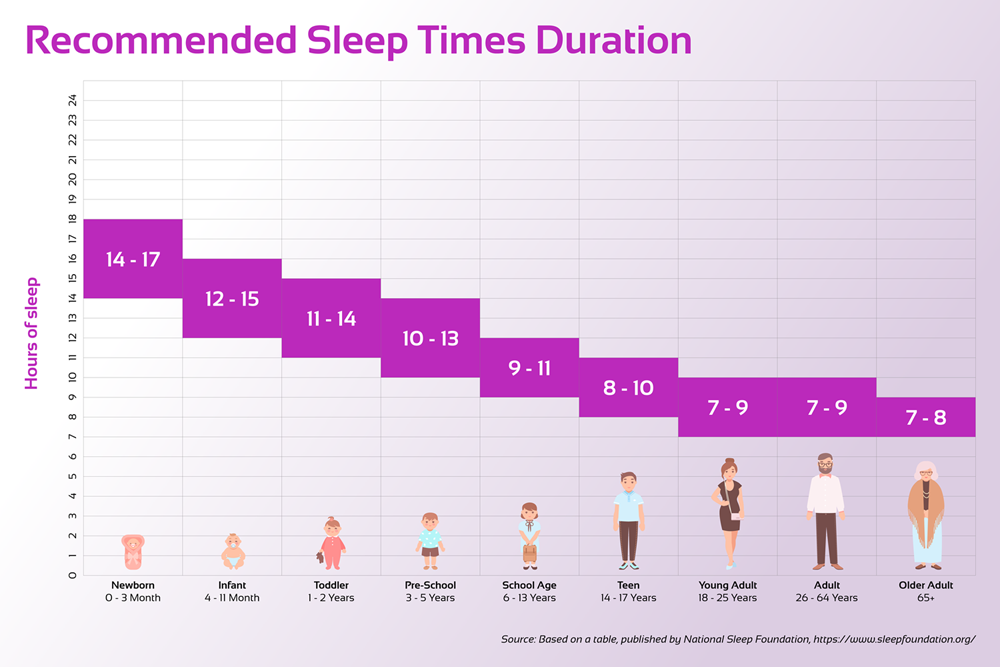
Digital Security and the Ethics of Sleep Data
With the massive influx of personal health data required to calculate these averages, the tech industry faces a significant challenge in digital security and data privacy.
As sleep metrics are increasingly integrated into broader health platforms, they become targets for data mining. Ensuring that a user’s average sleep time—a deeply personal metric that can reveal insights into mental health, chronic illness, and lifestyle—remains encrypted and anonymized is a top priority for cybersecurity teams. The use of “differential privacy” and on-device processing (Edge AI) is becoming the standard for top-tier health tech firms, ensuring that while the aggregate average sleep time is known, the individual data remains private.
In conclusion, the “average sleep time” is no longer just a biological statistic; it is a complex output of our modern technological ecosystem. Through the lens of high-resolution sensors, AI-driven analytics, and IoT integration, we are not only discovering what the average is but are actively building the tools to redefine it for a more rested, digitally-optimized future.
aViewFromTheCave is a participant in the Amazon Services LLC Associates Program, an affiliate advertising program designed to provide a means for sites to earn advertising fees by advertising and linking to Amazon.com. Amazon, the Amazon logo, AmazonSupply, and the AmazonSupply logo are trademarks of Amazon.com, Inc. or its affiliates. As an Amazon Associate we earn affiliate commissions from qualifying purchases.