
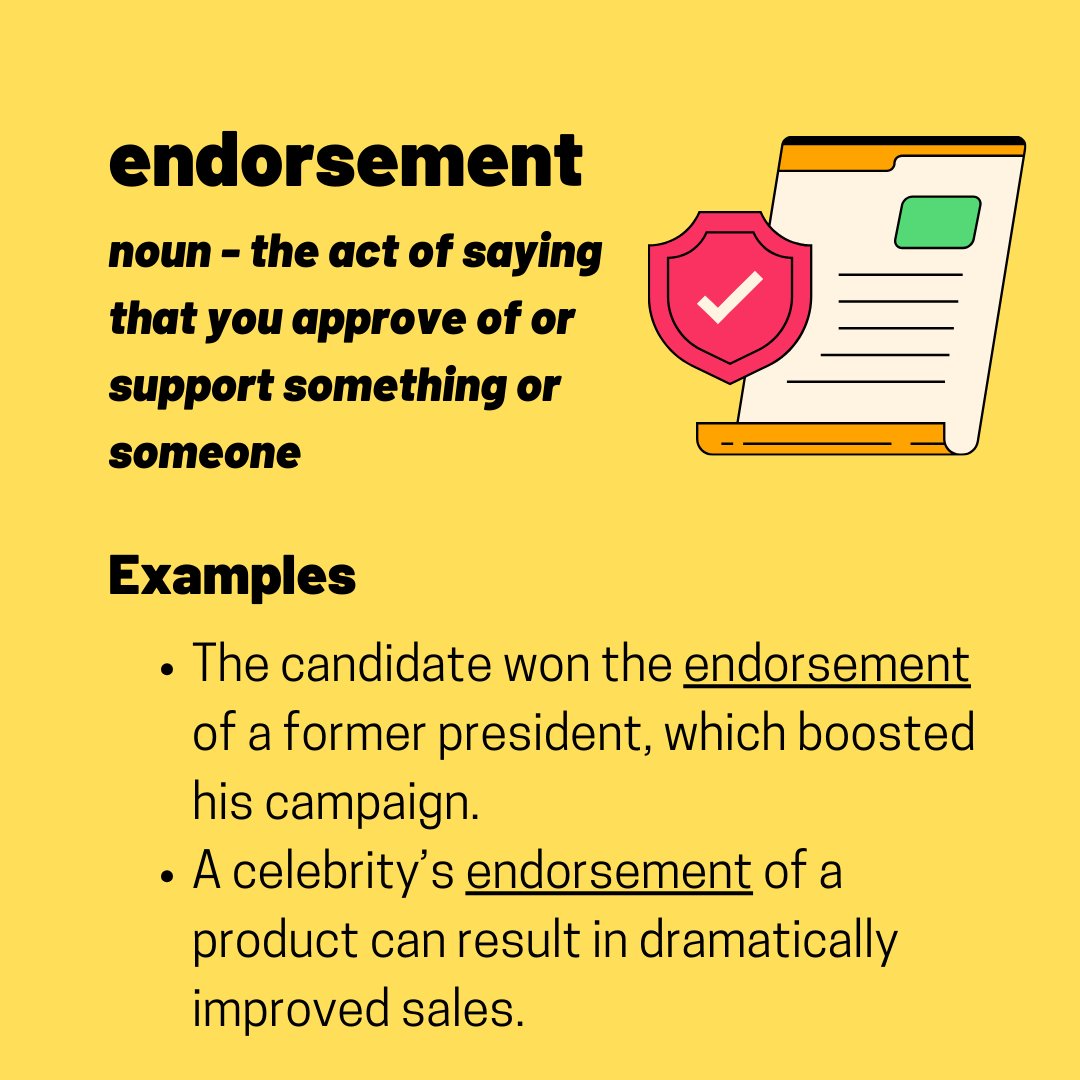
In the contemporary marketplace, where consumers are bombarded with thousands of marketing messages daily, the concept of being “endorsed” has evolved from a simple legal formality into a cornerstone of brand strategy. To be endorsed means to receive a public expression of support, approval, or sanction. However, in the context of brand identity and marketing, the meaning runs much deeper. It represents the strategic transfer of trust, credibility, and “brand equity” from one entity to another.
Whether it is a celebrity vouching for a luxury watch, a professional association certifying a skincare product, or a parent corporation lending its prestige to a startup subsidiary, an endorsement serves as a shortcut for consumer decision-making. It simplifies the complex psychological process of building trust by leveraging the pre-existing reputation of a known entity to validate an unknown or emerging one.
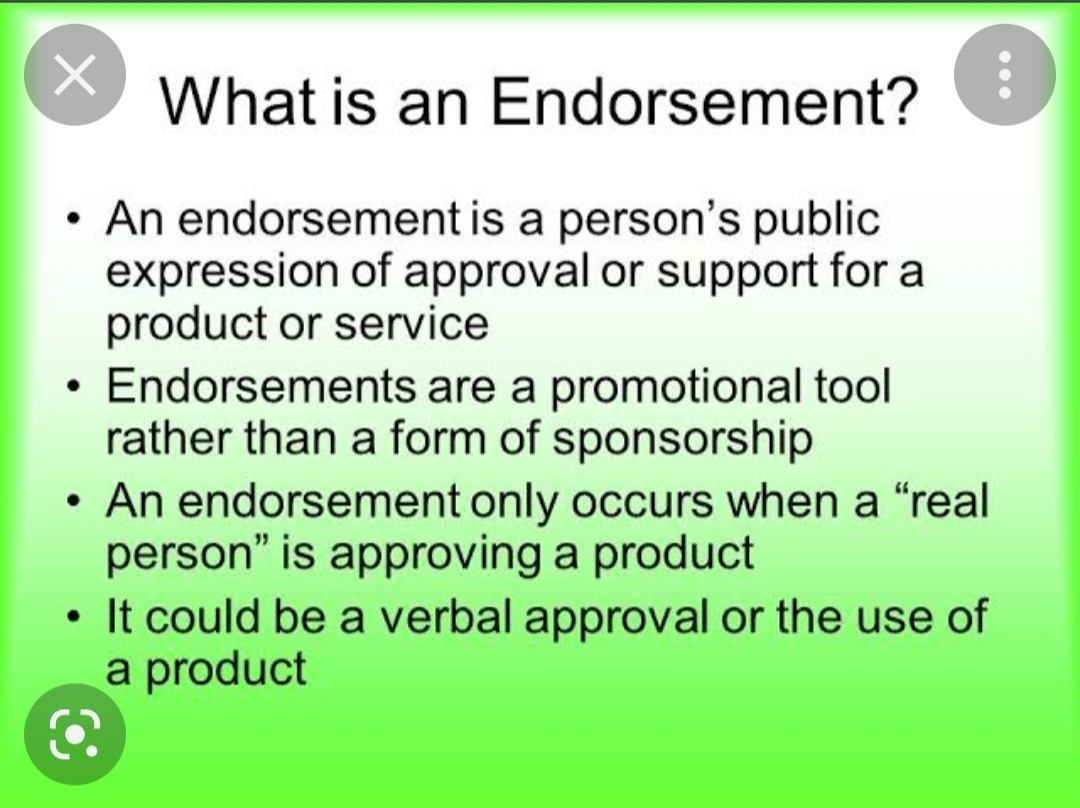
The Strategic Definition of Endorsement in Modern Branding
At its core, an endorsement is a signal of quality. In brand strategy, this is often categorized under “Brand Architecture,” specifically the “Endorsed Brand” model. This model involves a sub-brand that has its own unique identity but is supported by a well-known master brand. For example, when you see “Courtyard by Marriott,” the “Marriott” name acts as the endorser, providing a safety net of quality and reliability while allowing “Courtyard” to target a specific niche of business travelers.
The Transfer of Trust and Credibility
The primary function of an endorsement is the transfer of “borrowed equity.” When a brand is endorsed, it essentially rents the reputation of the endorser. This is critical for new brands entering a crowded market. Without a history of performance, a new brand is a risk for the consumer. An endorsement mitigates this perceived risk. If a trusted athlete uses a specific brand of running shoes, the consumer assumes those shoes meet a professional standard. The meaning of “endorsed,” in this light, is the reduction of friction in the buyer’s journey.
Endorsed Brands vs. Branded House Models
To understand the meaning of endorsement, one must distinguish it from other branding structures. In a “Branded House” (like Apple or FedEx), the master brand is the primary driver. In an “Endorsed Brand” strategy, the sub-brand takes center stage, but the endorser provides the “halo.” This strategy is particularly effective when a company wants to explore different market segments without diluting its premium master brand. It allows for diversity in brand personality while maintaining a unified standard of corporate excellence.
The Architecture of Endorsement: From Celebrities to Micro-Influencers
The landscape of endorsement has shifted significantly with the advent of digital media. While the traditional celebrity endorsement remains a powerful tool, the definition of an “endorser” has broadened to include various levels of influence, each serving a unique strategic purpose.
Celebrity Endorsements: The Traditional Powerhouse
Celebrity endorsements are the most recognizable form of this strategy. Here, the meaning of being endorsed is tied to aspiration. By associating a product with a person of high social status, the brand absorbs some of that person’s perceived lifestyle and values. This is effective for mass-market visibility and building brand awareness quickly. However, the celebrity must be a logical fit; a mismatch between the endorser’s persona and the brand’s values can lead to a “vampire effect,” where the celebrity’s fame overshadows the product, or worse, creates brand confusion.
Expert and Authority Endorsements
In B2B (business-to-business) or high-stakes consumer markets—such as finance, healthcare, or technology—the meaning of endorsed shifts from aspiration to validation. An expert endorsement involves a recognized authority or organization (such as the American Dental Association or a prominent tech reviewer) giving their seal of approval. This is “technical endorsement.” It focuses on performance, safety, and efficacy. For a brand, being endorsed by an authority is a powerful defensive strategy against competitors, as it establishes a “gold standard” that others must strive to meet.
The Rise of the Influencer and Peer-to-Peer Social Proof
Social media has introduced the era of the “relatable endorser.” Unlike the distant celebrity, influencers offer a sense of community and authenticity. For many modern consumers, an endorsement from a micro-influencer with 50,000 dedicated followers carries more weight than a multi-million dollar celebrity campaign. In this context, being endorsed means achieving “social proof.” It suggests that the brand is not just a corporate entity, but a part of a lifestyle or a shared culture. The power of this endorsement lies in the perceived honesty and accessibility of the endorser.
The Psychology Behind the Endorsement: Why It Converts
Understanding the meaning of endorsed requires an exploration of consumer psychology. Why does the approval of another person or entity so significantly impact our purchasing behavior? The answer lies in several cognitive biases and heuristics that the human brain uses to process information efficiently.
The Halo Effect
The “Halo Effect” is a cognitive bias where our overall impression of a person influences how we feel and think about their character or the products they support. If we perceive an endorser as attractive, successful, or intelligent, we subconsciously project those attributes onto the product they are endorsing. When a brand is endorsed by a successful CEO, the product is psychologically tagged as a “tool for success.” The endorsement creates a mental association that bypasses critical analysis.
Cognitive Ease and Familiarity
Consumers are naturally averse to the mental effort required to research every purchase. Endorsements provide “cognitive ease.” When a consumer sees a familiar logo or face endorsing a new service, the brain recognizes the familiar element and transfers the positive feelings associated with it to the new service. This familiarity acts as a shortcut, moving the consumer from the “awareness” stage to the “consideration” stage almost instantaneously.
Social Proof and the Bandwagon Effect
Humans are social creatures who look to others for cues on how to behave, especially in uncertain situations. An endorsement acts as a powerful form of social proof. It signals that “others have tried this and found it worthy.” This triggers the bandwagon effect, where people are more likely to adopt a behavior or purchase a product if they see others doing the same. In the digital age, endorsements (including user reviews and ratings) have become the primary currency of the online marketplace.
Managing the Risks of an Endorsed Brand Strategy
While an endorsement can skyrocket a brand’s visibility, it is not without significant risk. The meaning of being endorsed also carries the weight of “shared liability.” When two entities are linked, the failures of one can become the reputation crisis of the other.
Ensuring Brand Alignment
The most common mistake in endorsement strategy is a lack of alignment. If a brand that values sustainability is endorsed by an individual or corporation with a poor environmental record, the endorsement backfires. It creates “cognitive dissonance” in the consumer, leading to a loss of trust. Strategic endorsement requires a deep audit of both parties’ values, histories, and public perceptions to ensure a harmonious fit.
The Risk of Negative Publicity and Decoupling
In the era of “cancel culture,” an endorsement is a double-edged sword. If an endorser is involved in a scandal, the brand they endorse is often held accountable by association. Brands must have “morality clauses” and decoupling strategies in place. The meaning of endorsed in a legal sense involves complex contracts that allow a brand to sever ties immediately if the endorser’s actions threaten the brand’s corporate identity. The speed at which a brand responds to an endorser’s controversy can be just as important as the endorsement itself.
Legalities and Transparency
In many jurisdictions, the meaning of “endorsed” is strictly regulated by bodies like the Federal Trade Commission (FTC). Regulations require that endorsements must be honest and not misleading. If an endorser is being paid, that relationship must be clearly disclosed. This shift toward transparency has changed the nature of endorsement, making “authenticity” the most valuable commodity. A brand that fails to disclose its endorsements risks not only legal penalties but also a devastating blow to its credibility among savvy modern consumers.
Building a Sustainable Endorsement Ecosystem
As branding continues to evolve, the most successful companies are moving away from transactional endorsements toward long-term partnerships and advocacy. The meaning of endorsed is shifting from a one-time “shout-out” to a continuous narrative of mutual growth.
From One-Off Campaigns to Partnership and Advocacy
A sustainable endorsement strategy focuses on “Brand Ambassadorship.” This involves deep integration where the endorser is involved in product development, creative direction, or community engagement. This level of endorsement feels more organic and less like a paid advertisement. When the endorser is truly invested in the brand’s success, the endorsement carries more weight because it is perceived as a genuine recommendation rather than a commercial transaction.
Leveraging User-Generated Content as Organic Endorsement
Perhaps the most powerful form of endorsement today is the one that is not bought. User-generated content (UGC)—where everyday customers share their experiences with a brand—represents the ultimate endorsement. For a brand, being endorsed by its own community is the pinnacle of brand strategy. It proves that the brand’s promise aligns with the customer’s reality. Smart brands encourage this by creating platforms for their users to share their stories, effectively turning their customer base into a massive, decentralized endorsement engine.
In conclusion, the meaning of endorsed in the world of brand strategy is multifaceted. It is a tool for credibility, a psychological shortcut for trust, and a method of navigating complex market architectures. Whether through the lens of a celebrity, an expert, or a peer, an endorsement remains one of the most potent ways for a brand to communicate its value and secure its place in the mind of the consumer. However, its power must be managed with precision, as the strength of an endorsement is only as resilient as the alignment between the brand and the voice that supports it.
aViewFromTheCave is a participant in the Amazon Services LLC Associates Program, an affiliate advertising program designed to provide a means for sites to earn advertising fees by advertising and linking to Amazon.com. Amazon, the Amazon logo, AmazonSupply, and the AmazonSupply logo are trademarks of Amazon.com, Inc. or its affiliates. As an Amazon Associate we earn affiliate commissions from qualifying purchases.