
In the modern digital workspace, focus has become the ultimate currency. As software developers, digital marketers, and tech professionals navigate an ecosystem defined by Slack notifications, open-office layouts, and the constant hum of hardware, the ability to achieve a state of “deep work” is increasingly rare. While many turn to high-end hardware like active noise-canceling (ANC) headphones to find solace, the software side of the equation—specifically the use of color noise—has emerged as a scientifically backed method to optimize cognitive performance.
The concept of “color” in noise refers to the power spectrum of a sound signal. By manipulating the frequency and intensity of audio waves through digital signal processing (DSP), engineers have created various auditory environments tailored to specific neurological needs. Understanding which color noise is best for focus requires a deep dive into the technical specifications of these sounds and how they interact with the human brain during high-intensity digital tasks.

The Engineering of Silence: Deciphering the Digital Spectrum
To understand why certain sounds help us code, write, or analyze data more effectively, we must first look at the physics of sound. In a digital context, noise is a random signal with a specific power spectral density. Just as white light contains all visible colors, white noise contains all audible frequencies.
Defining White, Pink, and Brown Noise
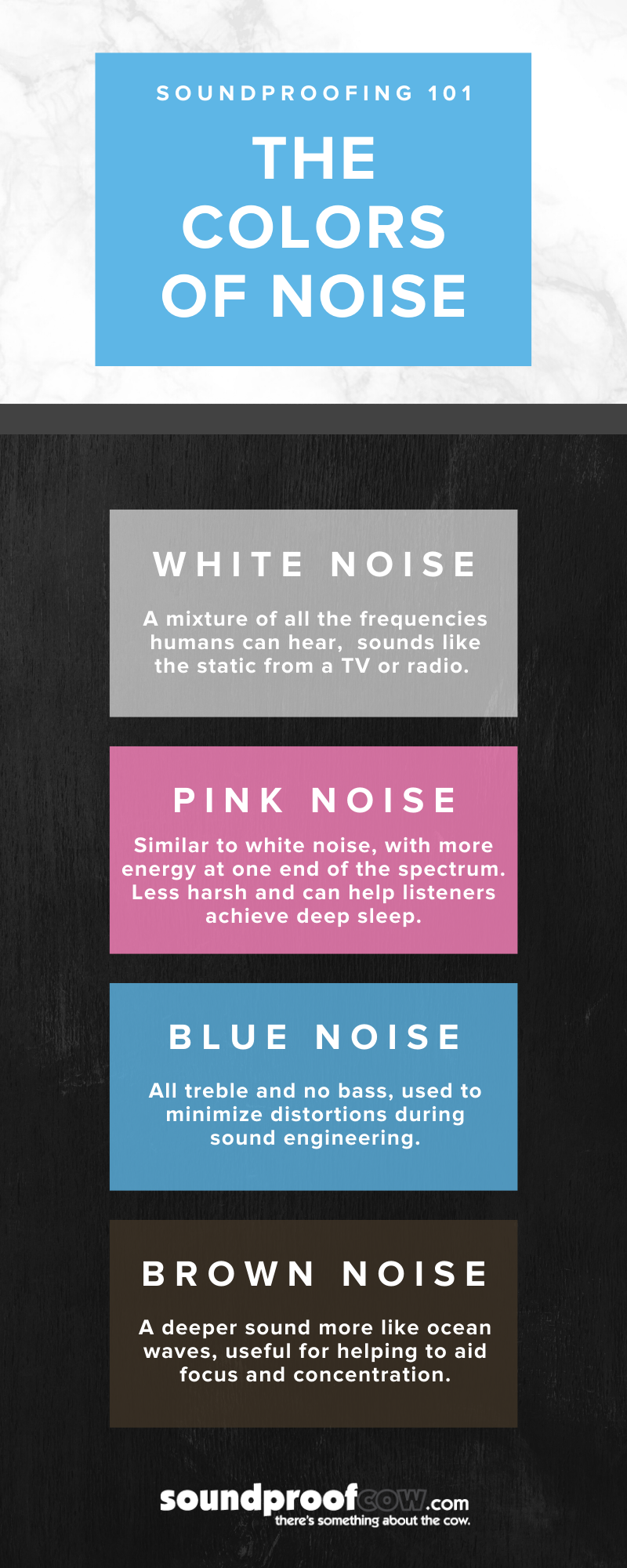
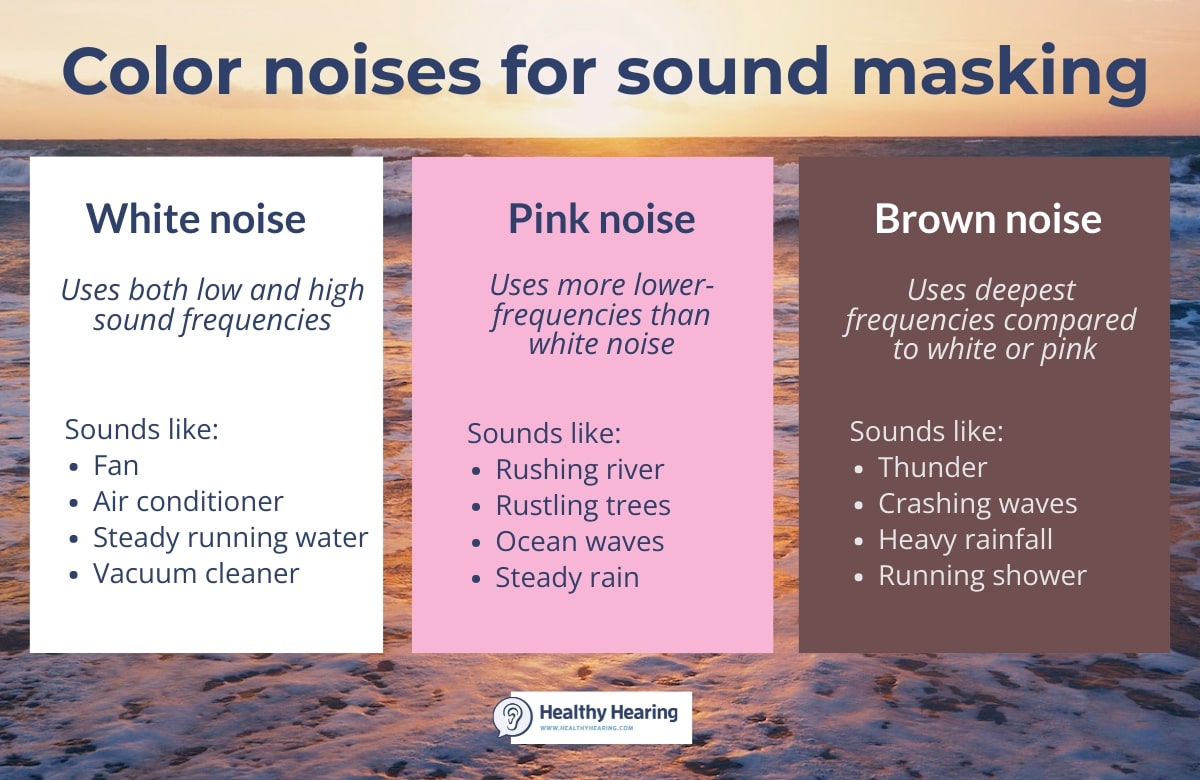
White noise is the baseline of the auditory spectrum. Technically, it consists of a signal with equal power across all frequencies in the human hearing range (typically 20 Hz to 20,000 Hz). In a spectrogram, this appears as a flat horizontal line. To the human ear, however, it sounds like static or a radio tuned to a dead frequency. Because our ears are more sensitive to higher frequencies, white noise often sounds “hissy” or sharp.
Pink noise, often referred to as 1/f noise, is a more sophisticated digital signal. In pink noise, the power per hertz decreases as the frequency increases. This creates a balance where every octave carries an equal amount of noise energy. Because it mimics many patterns found in nature and biological systems, humans perceive pink noise as more “even” or “natural” than white noise.
Brown noise (or Red noise) takes this attenuation a step further. The power density decreases by 6 dB per octave as frequency increases. This results in a much deeper, bass-heavy sound profile, resembling a distant thunderstorm or a low-frequency rumble. In the hierarchy of digital focus tools, Brown noise is often favored by those who find the high-frequency components of white noise distracting.
The Role of Auditory Masking in Technology
The primary technical benefit of color noise is a phenomenon known as auditory masking. When you are working in a tech-heavy environment—perhaps a bustling server room or a shared co-working space—sudden sounds (a door slamming, a loud conversation) create a “signal-to-noise” ratio spike that alerts the brain and breaks focus.
Color noise works by raising the ambient noise floor. By providing a constant, predictable stream of data to the auditory cortex, these sounds reduce the impact of external spikes. From a productivity standpoint, this allows the brain to filter out environmental data, freeing up CPU cycles in the prefrontal cortex for the task at hand.
Comparative Analysis: White, Pink, and Brown Noise for Cognitive Performance
Choosing the right color noise is not merely a matter of preference; it is about matching the audio profile to the cognitive load of your specific workflow. Different digital tasks require different levels of mental arousal and sensory gating.
White Noise: The Universal Masker for High-Distraction Zones
White noise is the most effective tool for total sound isolation. Because it covers the entire frequency spectrum, it is unparalleled at masking speech. If you are a project manager or a developer working in a space where you can overhear specific conversations, white noise is your best defense. The “sharpness” of the sound effectively “fills in” the gaps between words, making it impossible for the brain to latch onto meaningful syntax.
However, some users find that the high-frequency energy of white noise can lead to “listener fatigue” over long periods. In the context of an eight-hour coding session, the constant “hiss” may increase cortisol levels rather than lowering them.
Pink Noise: Enhancing Memory and Sustainable Focus
For those engaged in creative problem solving or long-form technical writing, pink noise is often the optimal choice. Research in the field of psychoacoustics suggests that pink noise can reduce brain wave complexity, leading to more stable sleep and, by extension, better cognitive retention during waking hours.
In a focus context, pink noise provides enough masking to block out background hums (like air conditioning units or server fans) without the abrasive high-end of white noise. It is often described as “mellow,” making it ideal for “flow state” activities where the user needs to remain immersed in a digital environment for several hours without sensory overload.
Brown Noise: The Deep Dive for Executive Function
Brown noise has seen a massive surge in popularity among the tech community, particularly for individuals who identify as neurodivergent or those dealing with high levels of anxiety. The deep, low-frequency rumble of Brown noise has a grounding effect. It effectively masks low-end distractions—like the vibration of nearby traffic or the thud of footsteps—while providing a “cocoon” of sound.
For deep-focus tasks like debugging complex code or architectural planning, Brown noise provides a high degree of “sensory comfort.” It lacks the “airiness” of white and pink noise, focusing instead on the lower registers that tend to be less taxing on the nervous system.
The Productivity Tech Stack: Software and Hardware for Auditory Masking
Implementing color noise into a professional workflow requires more than just a YouTube loop. To get the best results, tech professionals should look toward dedicated software and hardware integrations that allow for customization and high-fidelity playback.
Best-in-Class Apps and Sound Generators
Modern software solutions offer much more than static audio files. Apps like Noisli allow users to mix various color noises with environmental sounds (like rain or wind) to create a custom “focus profile.” For Apple users, Dark Noise provides a highly integrated experience with widgets and Shortcuts support, allowing a developer to trigger a “Deep Work” scene that opens an IDE, silences notifications, and begins playing Brown noise with a single command.
On the more technical side, Endel uses AI-driven algorithms to generate real-time “functional soundscapes.” These soundscapes adapt based on your location, the weather, and even your heart rate (if integrated with a smartwatch), using the principles of color noise to maintain a state of focus throughout the day. This represents the next step in “Bio-hacking” for the tech industry, where the audio environment is dynamic rather than static.
Hardware Considerations: ANC and High-Fidelity Playback
The delivery mechanism for color noise is just as important as the signal itself. Active Noise Canceling (ANC) headphones, such as the Sony WH-1000XM5 or the Apple AirPods Max, use external microphones to sample ambient noise and create an “anti-noise” signal to cancel it out.
When you combine ANC with a software-generated color noise, you create a tiered isolation system. The ANC handles the external environment, while the color noise provides the internal “focus buffer.” However, users should ensure their hardware has a neutral frequency response. High-end headphones or a dedicated Digital-to-Analog Converter (DAC) can ensure that the Brown noise you’re hearing is reproduced accurately at the lowest frequencies, providing that deep, immersive rumble without distortion.
Implementing Audio Focus Tools in Digital Workflows
To maximize the ROI of color noise, it should be integrated into a broader productivity framework. It is not a magic bullet, but rather a digital tool that, when used correctly, enhances the efficiency of other focus techniques.
Integration with Time-Management Systems
One effective strategy is to pair color noise with the Pomodoro Technique. Many focus apps now allow you to set different audio profiles for “Work” and “Break” periods. For example, a developer might use Brown noise during a 25-minute sprint to maintain deep focus, and then switch to a lighter Pink noise or silence during a 5-minute break to allow the brain to reset. This “auditory cueing” trains the brain to associate specific sound profiles with high-productivity states, reducing the “ramp-up” time required to start a task.
The Future of AI-Generated Focus
As we look toward the future of the tech workspace, we can expect to see even tighter integration between our software environments and our auditory surroundings. We are already seeing IDE plugins that play low-level noise that changes intensity based on the complexity of the code being written or the number of errors detected.
Furthermore, as AI continues to evolve, we may see “Personalized Noise Profiles” generated by machine learning models that analyze our past productivity data to determine exactly which frequency balance—be it a “Pink-Brown” hybrid or a localized “White Noise” burst—results in our highest output.
In conclusion, while “what color noise is best” often comes down to individual neurobiology and the specific distractions of your environment, the tech-forward choice is clear: use Brown noise for deep, immersive technical tasks, and Pink noise for sustained, creative productivity. By treating sound as a programmable variable in your workspace, you can engineer a digital environment that doesn’t just block out the world, but actively enhances your ability to build within it.
aViewFromTheCave is a participant in the Amazon Services LLC Associates Program, an affiliate advertising program designed to provide a means for sites to earn advertising fees by advertising and linking to Amazon.com. Amazon, the Amazon logo, AmazonSupply, and the AmazonSupply logo are trademarks of Amazon.com, Inc. or its affiliates. As an Amazon Associate we earn affiliate commissions from qualifying purchases.