
Alcohol poisoning, a severe and potentially fatal consequence of consuming excessive amounts of alcohol in a short period, is a critical health concern. While the term “alcohol poisoning level” might intuitively suggest a specific numerical threshold, the reality is far more complex. It’s not simply about the quantity of drinks consumed, but rather a confluence of factors that determine how an individual’s body processes and reacts to alcohol. Understanding these factors, recognizing the symptoms, and knowing how to respond are paramount to preventing tragic outcomes. This article delves into what constitutes alcohol poisoning, the underlying physiological mechanisms, and crucially, how to identify its severity and seek help, framing this vital health information within the broader context of personal well-being and informed decision-making.
Understanding the Physiological Impact of Excessive Alcohol Consumption
The core of alcohol poisoning lies in the body’s inability to metabolize alcohol as quickly as it’s being ingested. Alcohol, specifically ethanol, is a central nervous system depressant. When consumed, it’s absorbed into the bloodstream and travels to the brain, affecting various functions, including judgment, coordination, and breathing. The liver is primarily responsible for breaking down alcohol, but its capacity is limited. When alcohol intake overwhelms the liver’s processing ability, blood alcohol concentration (BAC) rises rapidly.
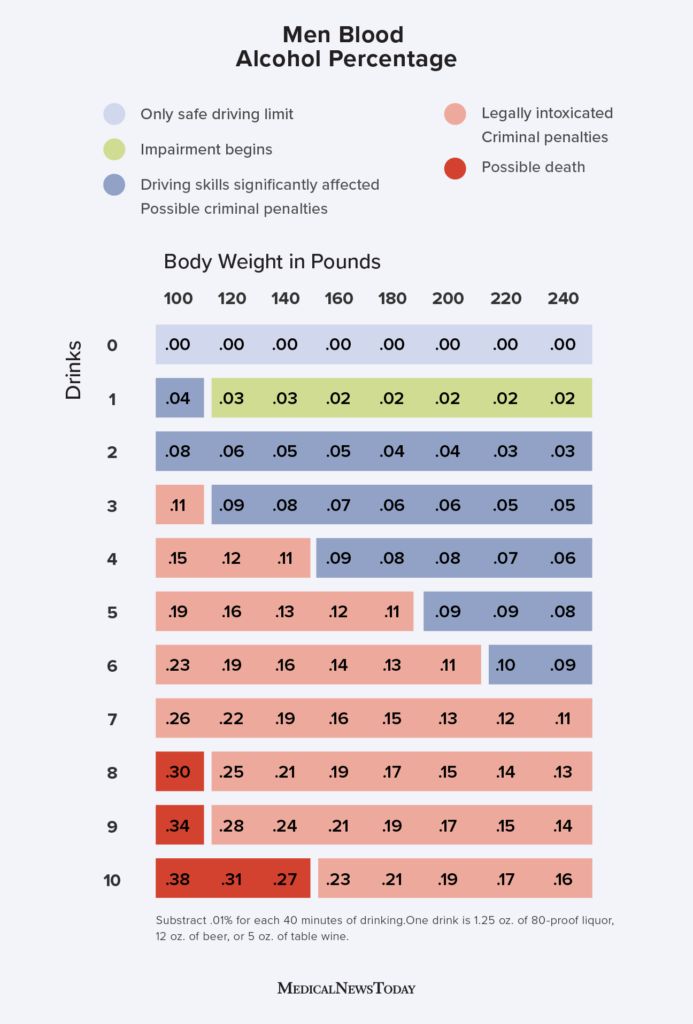
BAC is a measure of the amount of alcohol in a person’s blood, expressed as a percentage. While often discussed in relation to legal driving limits, BAC is also a critical indicator of alcohol’s systemic effects, including the risk of poisoning.
Blood Alcohol Concentration (BAC) as an Indicator
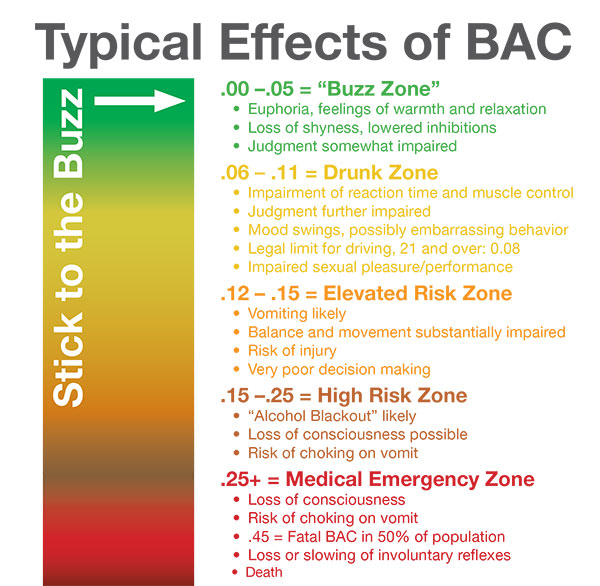
- What BAC Means: BAC is typically measured by a breathalyzer test or a blood test. A BAC of 0.08% is legally considered the threshold for impaired driving in most places. However, significant impairment and the risk of serious health consequences begin at much lower levels.
- Rapid Rise and Its Consequences: When someone drinks rapidly, especially on an empty stomach or consuming high-proof beverages, their BAC can escalate quickly. This rapid ascent means the body’s systems are bombarded with depressant effects before they can adequately compensate.
- Individual Variability in BAC: It’s crucial to understand that BAC is not solely determined by the number of drinks. Factors such as body weight, sex, metabolism, food intake, and even genetics play a significant role. For example, a drink that might raise one person’s BAC to a certain level could have a less pronounced effect on another. This individual variability means there isn’t a single “safe” number of drinks that guarantees immunity from alcohol poisoning.
The Cascade of Physiological Effects Leading to Poisoning
As BAC rises beyond moderate levels, the body’s vital functions begin to be severely compromised:
- Central Nervous System Depression: Alcohol directly interferes with neurotransmitters in the brain. At high concentrations, it can suppress the brainstem, which controls essential life functions like breathing, heart rate, and body temperature. This is a primary driver of the life-threatening aspects of alcohol poisoning.
- Dehydration and Electrolyte Imbalance: Alcohol is a diuretic, meaning it increases urine production, leading to dehydration. This loss of fluids and essential electrolytes can disrupt critical bodily functions, including heart rhythm and brain activity.
- Hypothermia: Alcohol impairs the body’s ability to regulate its internal temperature. Despite feeling warm after drinking, the body actually loses heat faster, leading to a dangerous drop in core temperature (hypothermia).
- Gastrointestinal Distress and Vomiting: Excessive alcohol irritates the stomach lining, often leading to nausea and vomiting. While vomiting can sometimes expel some alcohol, it also carries the significant risk of aspiration. If a person is unconscious or semi-conscious, they can inhale vomit into their lungs, causing severe pneumonia or suffocation.
- Hypoglycemia: Alcohol can interfere with the liver’s ability to release stored glucose into the bloodstream, leading to dangerously low blood sugar levels (hypoglycemia). This can further impair brain function and lead to seizures or coma.
Identifying the Signs and Symptoms of Alcohol Poisoning
Recognizing the signs of alcohol poisoning is critical, as prompt medical intervention can save a life. Alcohol poisoning is a medical emergency, and symptoms can manifest quickly and worsen rapidly. It’s not always about the person being visibly intoxicated; some signs can be subtle, while others are dramatic.
The Spectrum of Symptoms: From Subtle to Severe

The symptoms of alcohol poisoning exist on a continuum, escalating as BAC increases and the body struggles to cope. It’s important to look for a combination of these signs, rather than relying on a single indicator.
- Confusion and Stupor: The individual may become disoriented, lose track of conversations, or appear dazed and unresponsive. Their ability to think clearly and make decisions is severely impaired.
- Vomiting: Persistent and uncontrollable vomiting is a common and dangerous sign. As mentioned, the risk of aspiration is extremely high in someone whose consciousness is compromised.
- Seizures: The central nervous system, when severely depressed by alcohol, can become overexcited, leading to seizures. These can be generalized convulsions or more subtle forms.
- Slowed Breathing: A hallmark of severe alcohol poisoning is dangerously slow respiration. Instead of breathing at a normal rate (typically 12-20 breaths per minute), the individual might take fewer than eight breaths per minute or have irregular breathing patterns, with long pauses between breaths.
- Irregular Breathing: Beyond being slow, breathing can become erratic, with periods of normal breathing followed by long pauses. This is a critical indicator of brainstem depression.
- Blue-tinged Skin or Pale Skin: Reduced oxygenation due to slowed breathing can cause the skin to appear bluish, especially around the lips and fingernails. Alternatively, the skin might become unnaturally pale and clammy.
- Low Body Temperature (Hypothermia): The individual may feel cold to the touch, despite the environment. Their skin might be clammy and cool.
- Unconsciousness or Unresponsiveness: The most severe sign is the inability to be awakened. The person may be asleep and cannot be roused, or they may be in a coma. Even if they appear to be “sleeping it off,” if they cannot be woken, it is a medical emergency.
When to Call for Emergency Medical Assistance
The rule of thumb is this: If you suspect someone has alcohol poisoning, call for emergency medical help immediately. Do not wait for all symptoms to appear, and do not assume the person will “sleep it off.”
- Do Not Hesitate: Dialing emergency services (like 911 in the US or 999 in the UK) is the most crucial step. Time is of the essence.
- Provide Accurate Information: When you call, be prepared to provide the operator with the person’s age, sex, weight (if known), any known medical conditions, what they have been drinking, how much, and when. Also, describe their symptoms accurately.
- Stay with the Person: While waiting for help, stay with the individual. If they are unconscious, place them in the recovery position to help prevent choking on vomit. Turn them onto their side with their top leg bent to stabilize them. Ensure their airway is open.
- Do Not Induce Vomiting: Unless specifically instructed by emergency medical personnel, do not try to make the person vomit. This can lead to aspiration.
- Do Not Give Them Coffee or Cold Showers: These are myths. Coffee will not sober someone up and can worsen dehydration. Cold showers can shock the system and contribute to hypothermia.
The Critical Importance of Seeking Professional Help and Prevention
Understanding alcohol poisoning is not just about knowing the signs; it’s about prioritizing safety and fostering a culture of responsible alcohol consumption. This involves recognizing the limitations of self-treatment and the invaluable role of professional medical intervention and proactive prevention strategies.
Why Professional Medical Care is Non-Negotiable
Alcohol poisoning is a medical emergency that requires immediate attention from trained professionals. The risks associated with delaying or attempting to manage it at home are severe and potentially fatal.
- Life Support and Monitoring: Medical professionals can provide life support, including oxygen, intravenous fluids to combat dehydration and hypoglycemia, and medications to manage seizures or other complications. They will monitor vital signs closely, ensuring breathing and heart rate remain stable.
- Preventing Complications: Beyond the immediate effects of alcohol, medical teams can identify and treat secondary complications such as aspiration pneumonia, brain swelling, and liver damage.
- Accurate Diagnosis and Treatment: While BAC provides an indicator, medical professionals assess the overall clinical picture, enabling them to administer the most appropriate and effective treatments.
- The Risk of “Sleeping It Off”: The dangerous misconception that alcohol poisoning can be overcome by simply sleeping it off is responsible for many preventable deaths. During sleep, the body’s reflexes are suppressed, increasing the risk of choking on vomit or ceasing to breathe altogether.
Prevention: Making Informed Choices and Understanding Risk
The most effective way to address alcohol poisoning is through prevention. This involves education, responsible decision-making, and fostering environments that support safe alcohol consumption.
- Education on Safe Consumption Limits: Understanding that there are no universally “safe” limits for rapid or binge drinking is paramount. Educating oneself and others about the risks associated with excessive alcohol intake, particularly in social settings, is crucial.
- Pacing and Moderation: If choosing to drink alcohol, doing so in moderation and pacing consumption with non-alcoholic beverages and food can help prevent BAC from reaching dangerous levels.
- Awareness of Individual Factors: Recognizing personal tolerance and how factors like body weight, sex, and medication interactions can affect alcohol’s impact is key to making informed choices.
- Peer Support and Intervention: Creating a culture where friends look out for each other is vital. If someone has had too much to drink, encouraging them to stop, offering water, and ensuring they have a safe way home are essential steps. If signs of poisoning emerge, intervening by calling for help is a responsibility.
- Avoiding Risky Drinking Patterns: Binge drinking, characterized by consuming a large amount of alcohol in a short period, is a primary driver of alcohol poisoning. Avoiding this pattern significantly reduces the risk.
- Understanding the Dangers of Mixing Alcohol with Other Substances: Combining alcohol with prescription medications, over-the-counter drugs, or illicit substances can dramatically increase the risk of alcohol poisoning and other severe health consequences.
In conclusion, while the term “alcohol poisoning level” might suggest a simple numerical answer, it’s a complex interplay of physiological responses to excessive alcohol consumption. Recognizing the signs, understanding the severe risks, and prioritizing immediate professional medical help are essential for saving lives. Ultimately, prevention through education, informed choices, and mutual support forms the bedrock of responsible alcohol engagement.
aViewFromTheCave is a participant in the Amazon Services LLC Associates Program, an affiliate advertising program designed to provide a means for sites to earn advertising fees by advertising and linking to Amazon.com. Amazon, the Amazon logo, AmazonSupply, and the AmazonSupply logo are trademarks of Amazon.com, Inc. or its affiliates. As an Amazon Associate we earn affiliate commissions from qualifying purchases.