
Embarking on the journey of stock trading can be an exhilarating prospect, promising potential financial growth and a deeper understanding of global markets. However, the path to becoming a proficient stock trader is paved not with quick riches, but with diligent learning, strategic planning, and unwavering discipline. The stock market, while offering immense opportunities, is also a complex and often volatile environment where capital can be lost as quickly as it is gained. Therefore, approaching it with a well-structured educational foundation is not just advisable, but absolutely critical for long-term success.
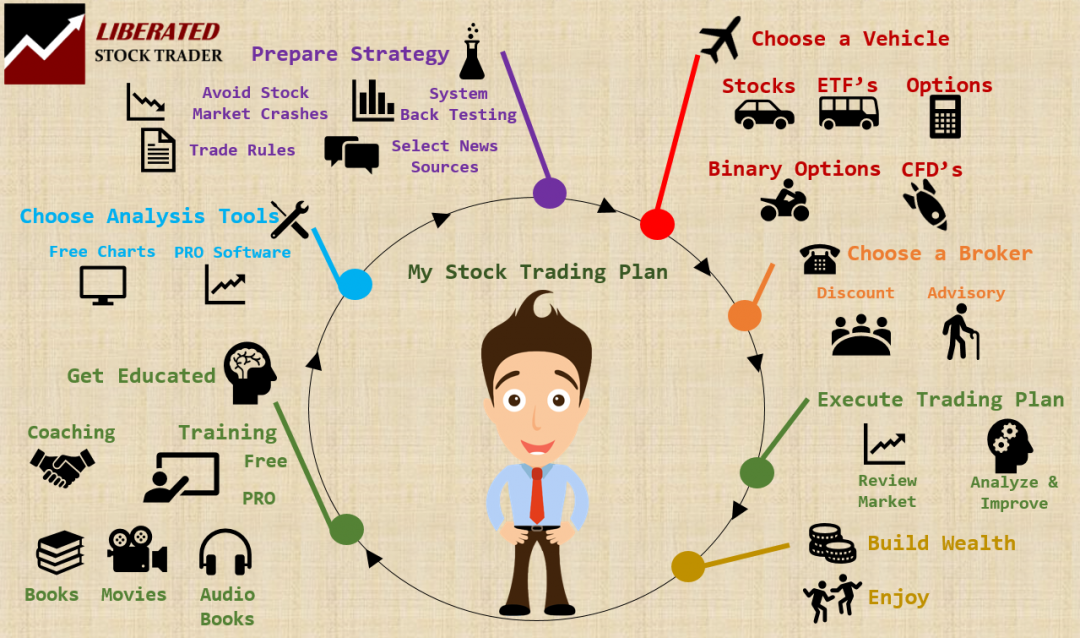
This guide is designed to provide a comprehensive roadmap for anyone asking, “How can I learn stock trading?” We will delve into the essential knowledge areas, practical tools, and psychological frameworks necessary to navigate the complexities of the financial markets, transforming you from a novice into a confident and informed trader.
Building a Foundational Understanding of the Stock Market
Before placing your first trade, it’s imperative to grasp the fundamental mechanics and terminology of the stock market. This initial phase is about building a robust theoretical framework upon which all future trading decisions will rest.
What is Stock Trading?
At its core, stock trading involves buying and selling shares of publicly traded companies on a stock exchange. The goal is to profit from the fluctuations in their prices. When you buy a stock, you’re purchasing a small piece of ownership in that company. If the company performs well or market sentiment improves, the stock price may rise, allowing you to sell it at a profit. Conversely, if the company underperforms or sentiment sours, the price may fall, leading to a loss. Understanding this basic premise is the first step in demystifying the market.
Key Market Concepts and Terminology
The stock market has its own language. Familiarizing yourself with key terms is crucial for interpreting news, analyzing charts, and understanding discussions among traders. Concepts like “bull market” (a rising market) and “bear market” (a falling market) describe overall trends. You’ll also encounter “IPOs” (Initial Public Offerings), which are when companies first list their shares; “dividends,” which are portions of company profits paid to shareholders; “volatility,” referring to the degree of price variation over time; and “market capitalization” (market cap), representing a company’s total value. Understanding these and many more terms will enable you to speak the market’s language fluently.
Understanding Market Participants and Mechanics
The stock market is a vast ecosystem comprising various participants, each playing a distinct role. You have individual investors, institutional investors (like mutual funds and pension funds), brokers (who facilitate trades), market makers (who provide liquidity), and the stock exchanges themselves (like the NYSE or NASDAQ) where transactions occur. Learning about these players and how orders are processed, from market orders to limit orders, will give you a clearer picture of the operational dynamics of trading. This insight helps in understanding how prices are formed and how quickly market conditions can change.
Essential Educational Resources for Aspiring Traders
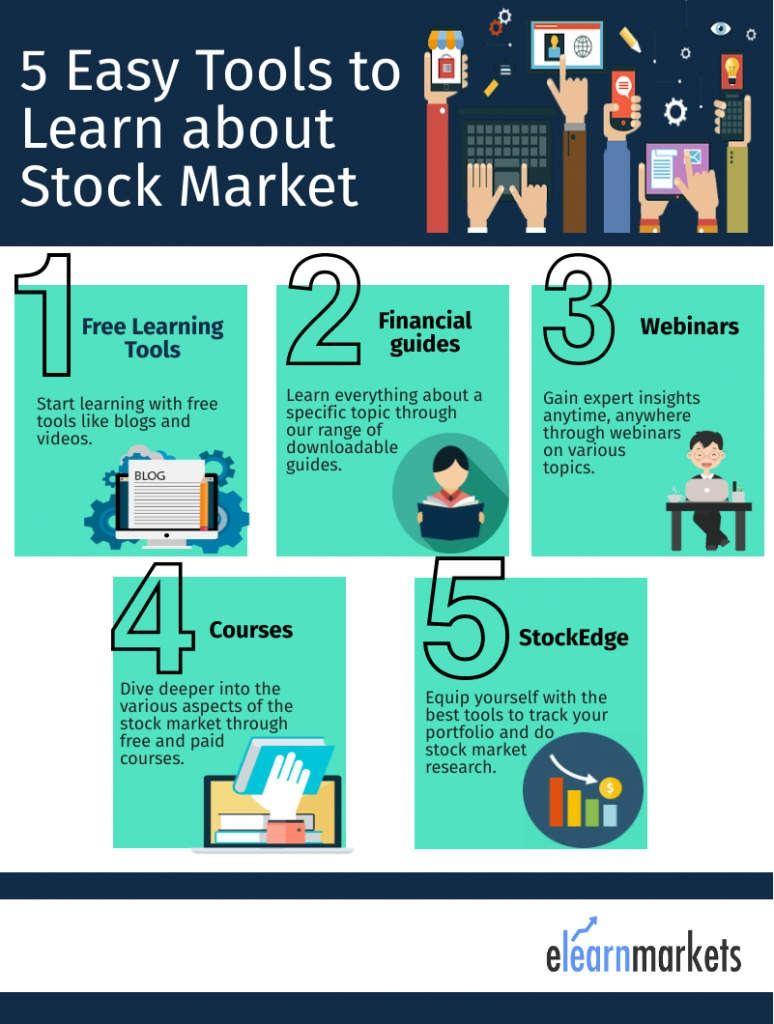
In today’s digital age, the wealth of educational resources available to aspiring traders is unprecedented. The challenge isn’t finding information, but rather discerning credible and effective sources from the noise.
Online Courses and Educational Platforms
Numerous online platforms offer structured courses tailored for different levels of trading expertise. Websites like Coursera, Udemy, edX, and dedicated financial education platforms often feature courses taught by industry professionals. These courses can range from introductions to fundamental and technical analysis to advanced options strategies. Many reputable brokerage firms also provide free educational resources, webinars, and tutorials for their clients, covering everything from platform navigation to sophisticated trading concepts.
Books and E-books: Timeless Wisdom
Despite the rise of digital learning, classic trading books remain an invaluable resource. Authors like Benjamin Graham (“The Intelligent Investor”), Jesse Livermore (“Reminiscences of a Stock Operator”), and John C. Bogle (“The Little Book of Common Sense Investing”) offer timeless principles on value investing, market psychology, and long-term wealth building. Books focused on technical analysis, chart patterns, and risk management also provide deep, structured knowledge that can be revisited as your understanding grows. E-books offer convenience, allowing you to carry a vast library of knowledge wherever you go.
Financial News, Reputable Websites, and Communities
Staying informed about global economic trends, company news, and market sentiment is paramount. Subscribing to reputable financial news sources like The Wall Street Journal, Bloomberg, and Reuters is essential. Websites like Investopedia, the SEC (U.S. Securities and Exchange Commission) website, and reputable financial blogs offer explanations of complex concepts, market insights, and regulatory information. Furthermore, joining online trading communities and forums can provide opportunities to learn from experienced traders, discuss strategies, and stay updated on real-time market developments, though it’s crucial to approach advice from anonymous sources with skepticism and due diligence.
Developing Trading Strategies and Analytical Skills
Once you have a solid theoretical foundation, the next step is to develop the analytical skills required to make informed trading decisions and formulate coherent strategies.
Fundamental Analysis: Understanding Value
Fundamental analysis involves evaluating a company’s intrinsic value by examining its financial statements (income statements, balance sheets, cash flow statements), management quality, industry trends, and economic indicators. The goal is to determine if a stock is undervalued or overvalued relative to its true worth. Traders using fundamental analysis often look for strong earnings growth, healthy balance sheets, competitive advantages, and favorable economic environments. This approach is typically favored by long-term investors, but understanding fundamentals can also provide crucial context for shorter-term trades.
Technical Analysis: Reading the Charts
Technical analysis focuses on studying past market data, primarily price and volume, to predict future price movements. Technical analysts use charts, indicators (like moving averages, RSI, MACD), and patterns (head and shoulders, double tops/bottoms) to identify trends, support and resistance levels, and potential entry/exit points. This method assumes that all relevant information is already reflected in the stock’s price. While often associated with short-term trading, technical analysis can be a valuable tool for any trader to time their entries and exits more effectively.
Different Trading Styles
There isn’t a one-size-fits-all approach to trading. Understanding various trading styles can help you identify one that aligns with your personality, risk tolerance, and time commitment.
- Day Trading: Involves opening and closing positions within the same trading day, avoiding overnight risk. Requires intense focus and quick decision-making.
- Swing Trading: Holding positions for a few days to several weeks to profit from short-to-medium term price swings.
- Long-Term Investing: Holding stocks for months or years, often based on fundamental analysis, aiming for significant capital appreciation.
- Scalping: Making numerous small profits from tiny price changes, often within seconds or minutes.
Each style demands different strategies, risk management, and psychological fortitude.
Risk Management Principles
Perhaps the most critical aspect of trading is risk management. Without it, even the most brilliant strategies can lead to financial ruin. Key principles include:
- Position Sizing: Determining how much capital to allocate to a single trade. Never risk more than a small percentage (e.g., 1-2%) of your total trading capital on any single trade.
- Stop-Loss Orders: Predetermined price points at which you will sell a stock to limit potential losses.
- Diversification: Spreading investments across different assets, industries, or sectors to reduce the impact of a poor-performing single investment.
- Risk-Reward Ratio: Evaluating the potential profit versus the potential loss of a trade. Aim for trades where potential reward significantly outweighs potential risk.
Hands-On Practice and Simulation
Theory alone is insufficient. Real-world (or simulated real-world) practice is essential to solidify your learning and build confidence.
Paper Trading / Demo Accounts
Before risking real capital, utilize paper trading or demo accounts offered by most online brokers. These accounts allow you to execute trades with virtual money in a simulated market environment. It’s an invaluable tool for testing strategies, understanding order types, getting familiar with your broker’s platform, and learning from mistakes without financial repercussions. Treat paper trading as seriously as you would real trading to maximize its benefits.
Starting Small with Real Capital
Once you’ve demonstrated consistent profitability in paper trading, consider starting with a small amount of real capital that you are absolutely prepared to lose. This transition introduces the crucial psychological element of real money, which no simulator can replicate. Begin with smaller position sizes and gradually increase them as your experience and confidence grow. Micro-investing platforms can also offer a low-stakes entry point.
Journaling Your Trades
Maintain a detailed trading journal. Record every trade, including the entry and exit points, reasons for the trade, the strategy used, the outcome, and your emotional state. Regularly review your journal to identify patterns in your successes and failures. This reflective practice is one of the most effective ways to learn from your experiences, refine your strategies, and develop self-awareness as a trader.
The Psychological Aspect and Continuous Learning
Trading is as much a mental game as it is an analytical one. Mastering your emotions and committing to continuous learning are vital for long-term success.
Managing Emotions: Discipline and Patience
Fear, greed, hope, and regret are powerful emotions that can cloud judgment and lead to irrational trading decisions. Developing emotional discipline is paramount. Stick to your trading plan, avoid impulsive decisions, and accept that losses are an inevitable part of trading. Patience is equally important, waiting for optimal setups rather than chasing every market move. Mindfulness and self-awareness techniques can be beneficial in managing these psychological challenges.
Developing a Trading Plan
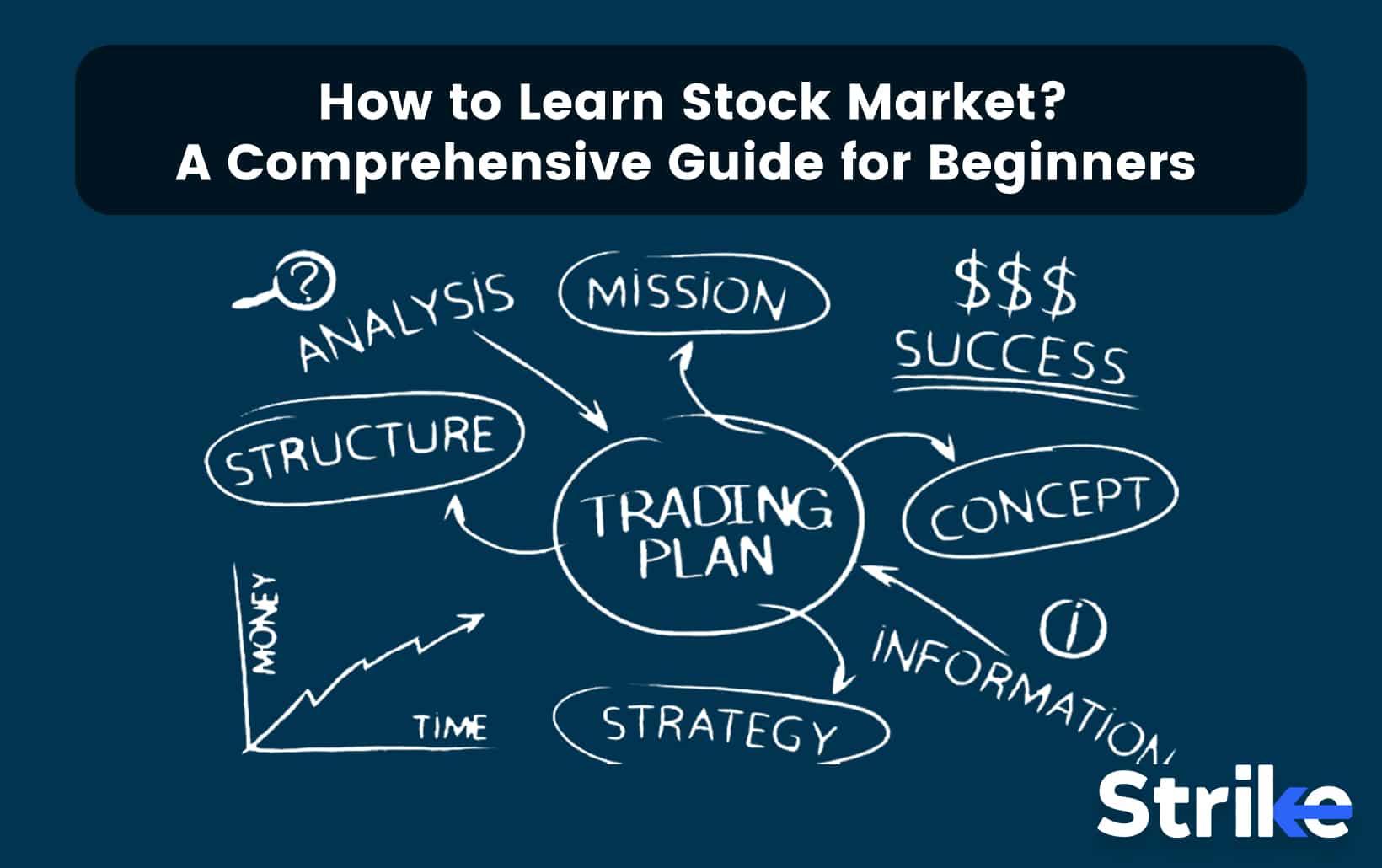
A well-defined trading plan acts as your personal roadmap. It should outline your trading goals, chosen strategies, risk management rules, instruments you will trade, and criteria for entering and exiting trades. A robust plan provides structure, minimizes emotional decision-making, and serves as a benchmark against which you can measure your performance and make objective adjustments.
Staying Updated and Adapting
The financial markets are dynamic and constantly evolving. Economic conditions shift, new technologies emerge, and regulatory landscapes change. Successful traders commit to continuous learning, staying updated with global news, economic reports, and new trading methodologies. Be prepared to adapt your strategies in response to changing market conditions, always seeking to refine your approach and expand your knowledge base.
Learning stock trading is a journey, not a destination. It requires dedication, resilience, and a commitment to lifelong learning. By systematically building your foundational knowledge, leveraging diverse educational resources, developing robust analytical and risk management skills, practicing diligently, and mastering the psychological aspects, you can equip yourself for a rewarding and potentially profitable venture into the world of stock trading. Remember, the market rewards the prepared and disciplined, not the reckless or the impatient.
aViewFromTheCave is a participant in the Amazon Services LLC Associates Program, an affiliate advertising program designed to provide a means for sites to earn advertising fees by advertising and linking to Amazon.com. Amazon, the Amazon logo, AmazonSupply, and the AmazonSupply logo are trademarks of Amazon.com, Inc. or its affiliates. As an Amazon Associate we earn affiliate commissions from qualifying purchases.