
The word “gluten” has become ubiquitous in modern discourse, appearing on food packaging, in restaurant menus, and sparking countless online discussions. But what exactly is gluten, and where is it truly found? While its presence is primarily associated with food, a deeper dive, especially through the lens of our interconnected, tech-driven world, reveals surprising connections and implications. This article will demystify gluten, explore its common sources, and then pivot to how technology, branding, and even financial considerations intersect with this dietary staple.
The Fundamental Nature of Gluten
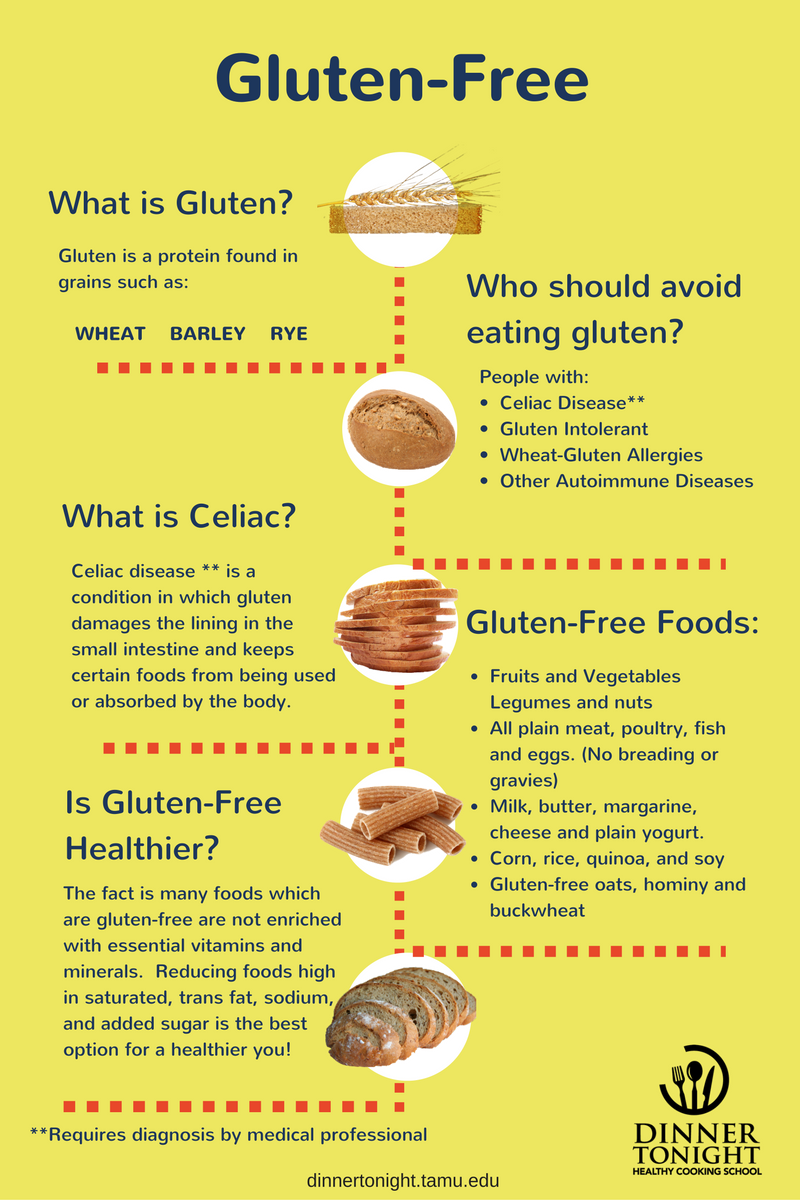
At its core, gluten is a protein composite found in wheat, barley, and rye. It’s not a single protein but a family of proteins, predominantly gliadin and glutenin, that work together. When flour containing gluten is mixed with water, these proteins form a viscoelastic network. This network is responsible for the elasticity and chewiness of dough, making it crucial for baking bread, pasta, and many other baked goods. It’s what gives bread its structure and allows it to rise, trapping the carbon dioxide produced by yeast. Without gluten, many of our favorite textures and culinary experiences would be impossible.
Gluten’s functionality extends beyond its baking prowess. It can also act as a binder and thickener in food products, contributing to their texture and mouthfeel. This versatility is why it’s found in a wider range of processed foods than one might initially expect.
Understanding the Grains: Wheat, Barley, and Rye
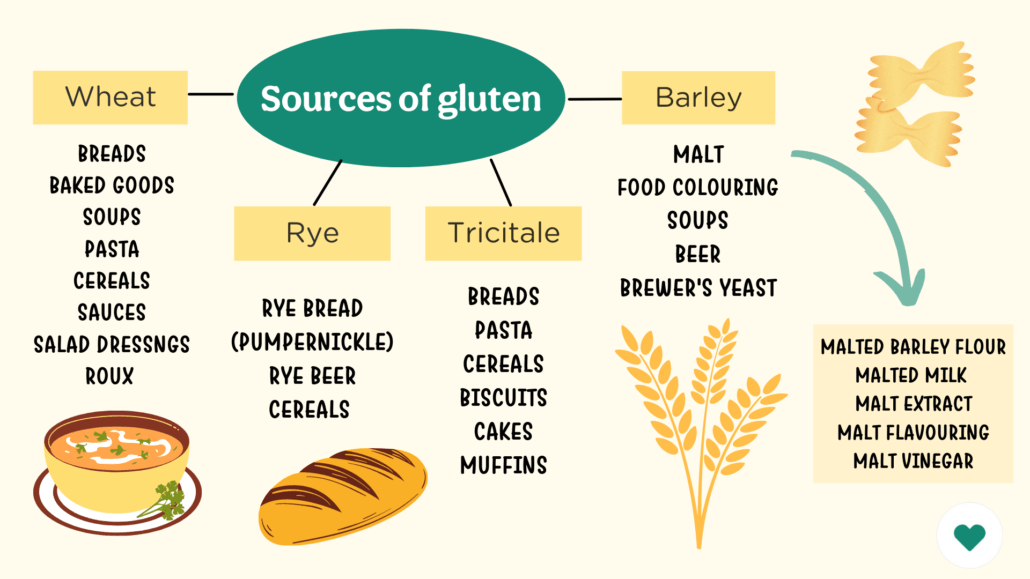
To truly understand what gluten is found in, we must first identify its primary grain sources:
- Wheat: This is by far the most common source of gluten. All varieties of wheat, including durum, spelt, kamut, farro, and semolina, contain gluten. This means common products like bread, pasta, cakes, cookies, crackers, and most breakfast cereals are laden with it.
- Barley: Often found in malt, malt vinegar, and some soups and stews, barley is another significant source of gluten. Malt is a key ingredient in beer, explaining why beer is generally not gluten-free.
- Rye: Used in rye bread, rye crackers, and some alcoholic beverages like whiskey, rye also contributes gluten to our diets.
While these are the main culprits, cross-contamination is a significant concern for individuals with gluten sensitivities or celiac disease. Even if a product is made from gluten-free grains, if it’s processed in facilities that also handle wheat, barley, or rye, it can become contaminated.
Beyond the Obvious: Gluten in Unexpected Places
The direct presence of gluten in baked goods is well-known. However, its use as a functional ingredient in processed foods means it often lurks in items that don’t immediately scream “wheat.” This is where a tech-savvy and informed consumer becomes essential.
Processed Foods and Additives: The Hidden Gluten
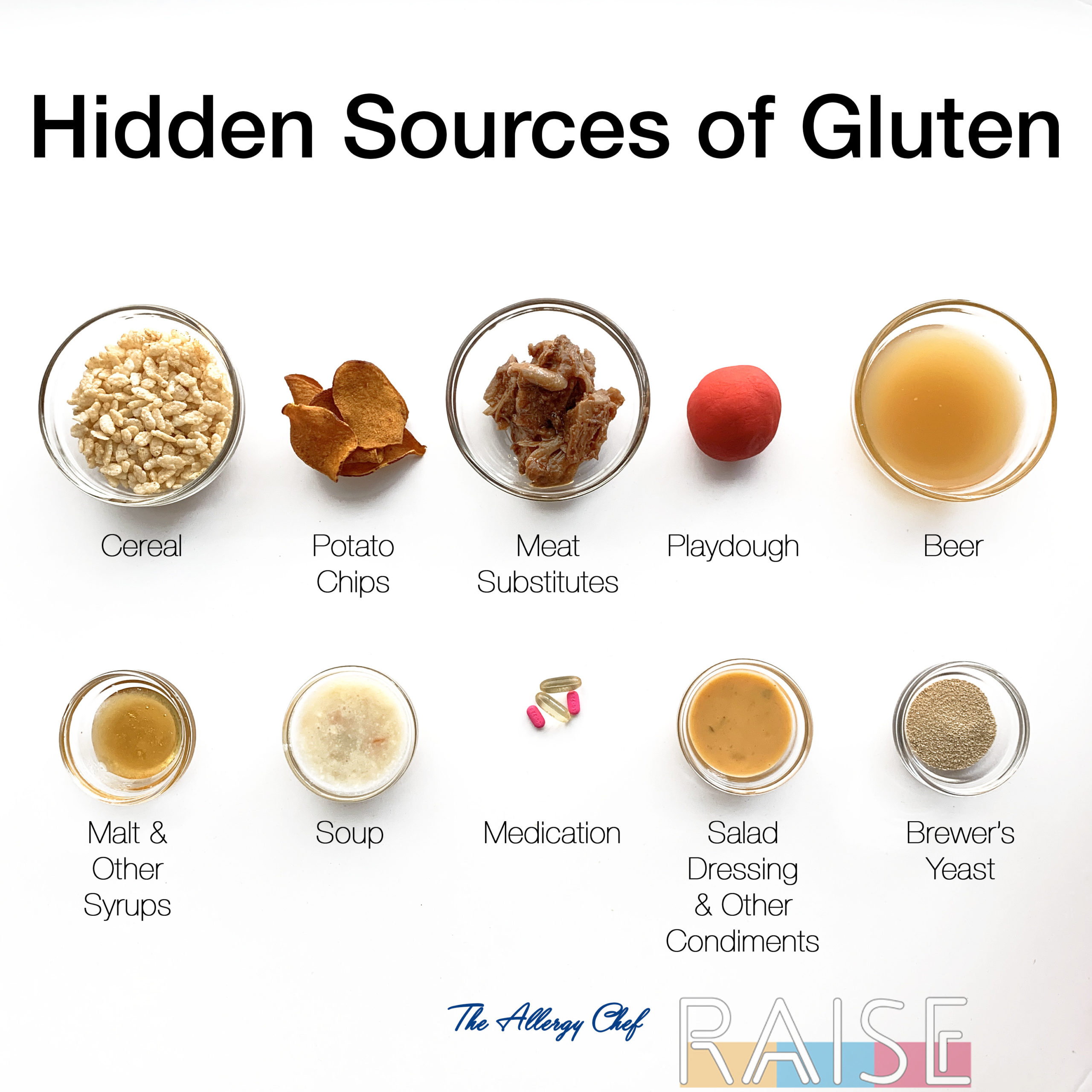
Many processed foods utilize gluten for its binding, thickening, and texturizing properties. This can include:
- Soups and Sauces: Packaged soups, gravies, and sauces often use flour as a thickener. Even cream-based sauces can contain gluten.
- Processed Meats: Sausages, hot dogs, and some deli meats may use gluten-containing breadcrumbs or flour as fillers or binders.
- Salad Dressings and Marinades: Some dressings and marinades use wheat-based ingredients for texture and stability.
- Snack Foods: Beyond crackers and pretzels, some chips, flavored popcorn, and candy bars can contain gluten as an ingredient or due to cross-contamination.
- Imitation Meats and Seafood: Products designed to mimic meat or seafood often use wheat gluten (seitan) as a primary protein source.
- Certain Candies and Chocolate: Some candies and chocolate products may contain gluten as a binder or due to flavorings.
- Medications and Supplements: This is a crucial, often overlooked area. Some tablets and capsules use wheat starch as a binder or filler. While the amount of gluten is typically very small, it can be enough to trigger reactions in highly sensitive individuals.
The proliferation of the internet and mobile apps has made navigating these complexities easier. Consumers can now access vast databases of gluten-free products, read reviews, and even scan barcodes to check for gluten content. This technological empowerment is a game-changer for those managing gluten intake.
“Hidden” Gluten in Non-Food Items and Cross-Contamination
While less common, gluten can also be found in some non-food items, primarily due to their ingredients or manufacturing processes:
- Some Cosmetics and Personal Care Products: Ingredients like wheat germ oil, tocopherol (vitamin E, often derived from wheat), and certain hydrolyzed proteins can be derived from gluten-containing grains. While not ingested, some individuals with severe gluten sensitivity may react to topical exposure.
- Play-Doh and Craft Supplies: Many children’s modeling clays contain wheat flour as a primary ingredient. For families with young children, this is a critical consideration to prevent accidental ingestion.
- Pet Food: Some pet foods may contain wheat, barley, or rye as fillers, posing a risk if a pet has a gluten sensitivity or if a family member with celiac disease handles the food without proper precautions.
The concept of cross-contamination cannot be stressed enough. A seemingly gluten-free item can become unsafe if it comes into contact with gluten. This is particularly relevant in shared kitchens, restaurants, and food processing facilities. Technology plays a role here too, with apps and websites dedicated to identifying safe food preparation practices and certified gluten-free environments.
Gluten in the Digital Landscape: Branding, Tech, and Financial Implications
While the direct impact of gluten is on our physical health, the discourse and solutions surrounding it are deeply intertwined with technology, branding, and financial considerations.
The Branding of “Gluten-Free”: A Market Opportunity
The rise of gluten-free diets, whether driven by necessity (celiac disease) or perceived health benefits (gluten sensitivity, lifestyle choice), has created a significant market. Brands have capitalized on this by:
- Developing Gluten-Free Product Lines: Major food manufacturers and smaller artisanal producers alike have introduced dedicated gluten-free versions of popular products, from bread and pasta to snacks and desserts.
- Clear Labeling and Certification: The “Certified Gluten-Free” label has become a powerful marketing tool. Companies invest in certifications to build trust and appeal to the gluten-free consumer. This requires rigorous adherence to standards and often involves investments in specialized equipment and processes.
- Targeted Marketing Campaigns: Brands often use social media, influencer marketing, and online advertising to reach the gluten-free demographic. This involves understanding the specific needs, concerns, and aspirations of this consumer group.
- Personal Branding for Experts: Nutritionists, dietitians, and chefs specializing in gluten-free living often build their personal brands around this niche. They leverage online platforms, blogs, and social media to share recipes, advice, and educational content.
The visual language of gluten-free branding often emphasizes naturalness, purity, and health, using imagery and color palettes that resonate with this target audience. This sophisticated branding strategy is crucial for companies aiming to capture market share in this growing segment.
Technological Innovations Driving Gluten-Free Solutions
Technology has been instrumental in both identifying gluten sources and developing alternatives:
- AI and Machine Learning in Food Analysis: Advanced AI tools are being developed to help identify gluten in ingredients and finished products more accurately and efficiently. This can range from image recognition of ingredients to analyzing complex chemical compositions.
- Development of Gluten-Free Alternatives: Significant research and development, often utilizing food science and chemical engineering, are focused on creating gluten-free flours and ingredients that mimic the texture and baking properties of wheat. This includes innovations in starches, gums, and protein isolates.
- Apps and Online Resources: As mentioned, numerous apps and websites act as invaluable tools for the gluten-free community. They provide ingredient checkers, restaurant guides, recipe databases, and community forums.
- Smart Kitchen Gadgets: While not exclusively for gluten-free baking, advanced kitchen appliances with precise temperature control and mixing capabilities can make gluten-free baking more accessible and consistent.
- Digital Security and Data Privacy: For individuals managing dietary restrictions, online platforms often store personal health information. Ensuring the digital security and privacy of this data is paramount.
The intersection of technology and gluten is a testament to human ingenuity, adapting to dietary needs and preferences through innovation.
The Financial Landscape of Gluten
The gluten-free market, while offering opportunities, also presents financial considerations:
- Premium Pricing: Gluten-free products often come with a higher price tag compared to their conventional counterparts. This is due to the cost of specialized ingredients, processing, and certifications. For individuals with celiac disease, this can represent a significant ongoing expense.
- Investment in R&D: Food companies invest heavily in research and development to create palatable and functional gluten-free alternatives. This cost is often passed on to the consumer.
- Personal Finance Management: Individuals on a gluten-free diet need to budget accordingly. Understanding the cost differences and finding affordable options requires careful financial planning. This might involve learning to cook from scratch with naturally gluten-free ingredients, which can be more economical.
- Side Hustles and Entrepreneurship: The growing demand for gluten-free products has also opened doors for entrepreneurs. From small bakeries specializing in gluten-free treats to online businesses selling niche gluten-free ingredients, there are numerous opportunities for side hustles and new ventures.
The financial implications of managing a gluten-free lifestyle highlight the need for informed decision-making, smart budgeting, and potentially exploring new avenues for income if the cost becomes prohibitive.
Conclusion: Navigating the Gluten World with Knowledge and Technology
Understanding “what is gluten found in” extends far beyond a simple list of grains. It involves recognizing its presence in a vast array of processed foods, appreciating the complexities of cross-contamination, and acknowledging the role of technology, branding, and finance in shaping our dietary choices and experiences.
In our increasingly digital world, the tools and knowledge available empower individuals to navigate the gluten landscape more effectively. From AI-powered ingredient analysis to dedicated mobile apps and savvy branding strategies, the fight for informed dietary choices is being waged on multiple fronts. As we continue to innovate and connect, our understanding of even the most fundamental components of our diet, like gluten, will undoubtedly evolve, offering both challenges and exciting opportunities for a healthier and more informed future.
aViewFromTheCave is a participant in the Amazon Services LLC Associates Program, an affiliate advertising program designed to provide a means for sites to earn advertising fees by advertising and linking to Amazon.com. Amazon, the Amazon logo, AmazonSupply, and the AmazonSupply logo are trademarks of Amazon.com, Inc. or its affiliates. As an Amazon Associate we earn affiliate commissions from qualifying purchases.