
The question of what Tesla is truly worth remains one of the most polarizing debates in the history of the financial markets. To some, it is a drastically overvalued car manufacturer trading at multiples that defy gravity; to others, it is a generational technology conglomerate whose current market cap only scratches the surface of its future potential. Understanding Tesla’s valuation requires moving beyond simple balance sheet analysis and delving into the complex intersection of disruptive innovation, capital efficiency, and speculative growth.
In this analysis, we explore the financial architecture of Tesla, evaluating whether its price tag is justified by its earnings or if its value lies in a future that has yet to be fully realized.
The Fundamental Disconnect: Car Company vs. Growth Conglomerate
The primary friction point in Tesla’s valuation is the methodology used to measure it. Traditional automotive analysts look at units delivered, margins per vehicle, and inventory turnover. Tech analysts, however, view Tesla as a software-driven ecosystem with recurring revenue potential.
Traditional Valuation Metrics: P/E and EBITDA
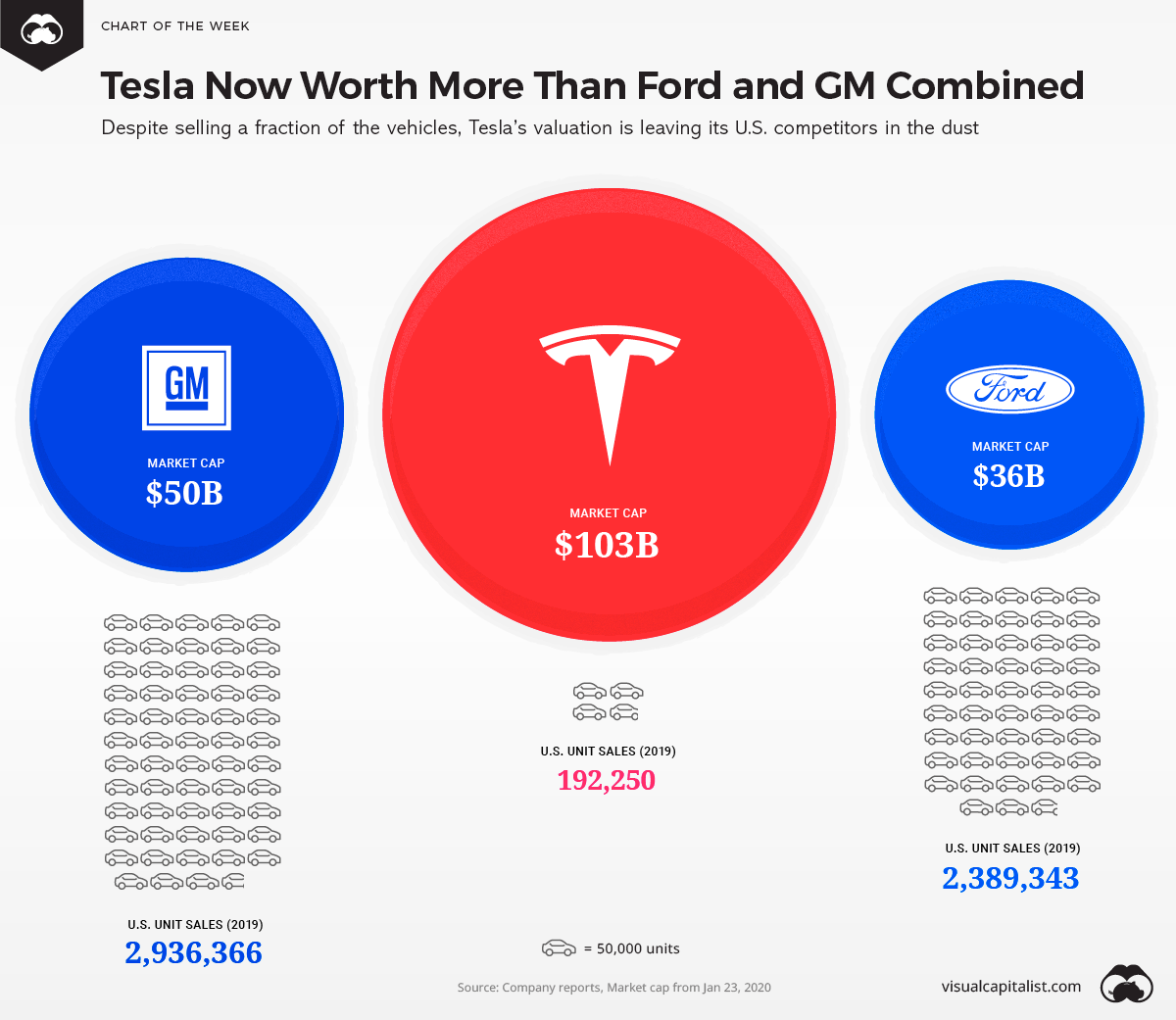
If we evaluate Tesla using the same lenses applied to Toyota, Volkswagen, or Ford, the numbers appear astronomical. For decades, legacy automakers have traded at Price-to-Earnings (P/E) ratios in the single digits or low teens, reflecting the capital-intensive, low-margin nature of the business. Tesla, conversely, has frequently traded at a P/E ratio exceeding 60, 80, or even 100.
From a “Money” perspective, this premium suggests that investors are not paying for what Tesla is doing today, but for what it will earn five to ten years from now. When analyzing Tesla’s EBITDA (Earnings Before Interest, Taxes, Depreciation, and Amortization), we see a company that has successfully achieved industry-leading margins through manufacturing efficiencies, such as the “Giga Press,” but those margins have faced pressure as the EV market matures and price wars begin.
The Software-as-a-Service (SaaS) Multiplier
The secret to Tesla’s high valuation lies in its transition toward a SaaS model. In the financial world, software companies command higher multiples because software is infinitely scalable with near-zero marginal costs. Tesla’s Full Self-Driving (FSD) suite is a high-margin software product sold on top of a hardware asset.
When a customer pays $12,000 upfront or a monthly subscription fee for FSD, that revenue flows almost directly to the bottom line. Financial models that value Tesla at $1 trillion or more are typically predicated on the idea that Tesla will eventually be a software company that happens to sell hardware, rather than a car company that happens to have an app.
Intrinsic Drivers of Long-Term Financial Value
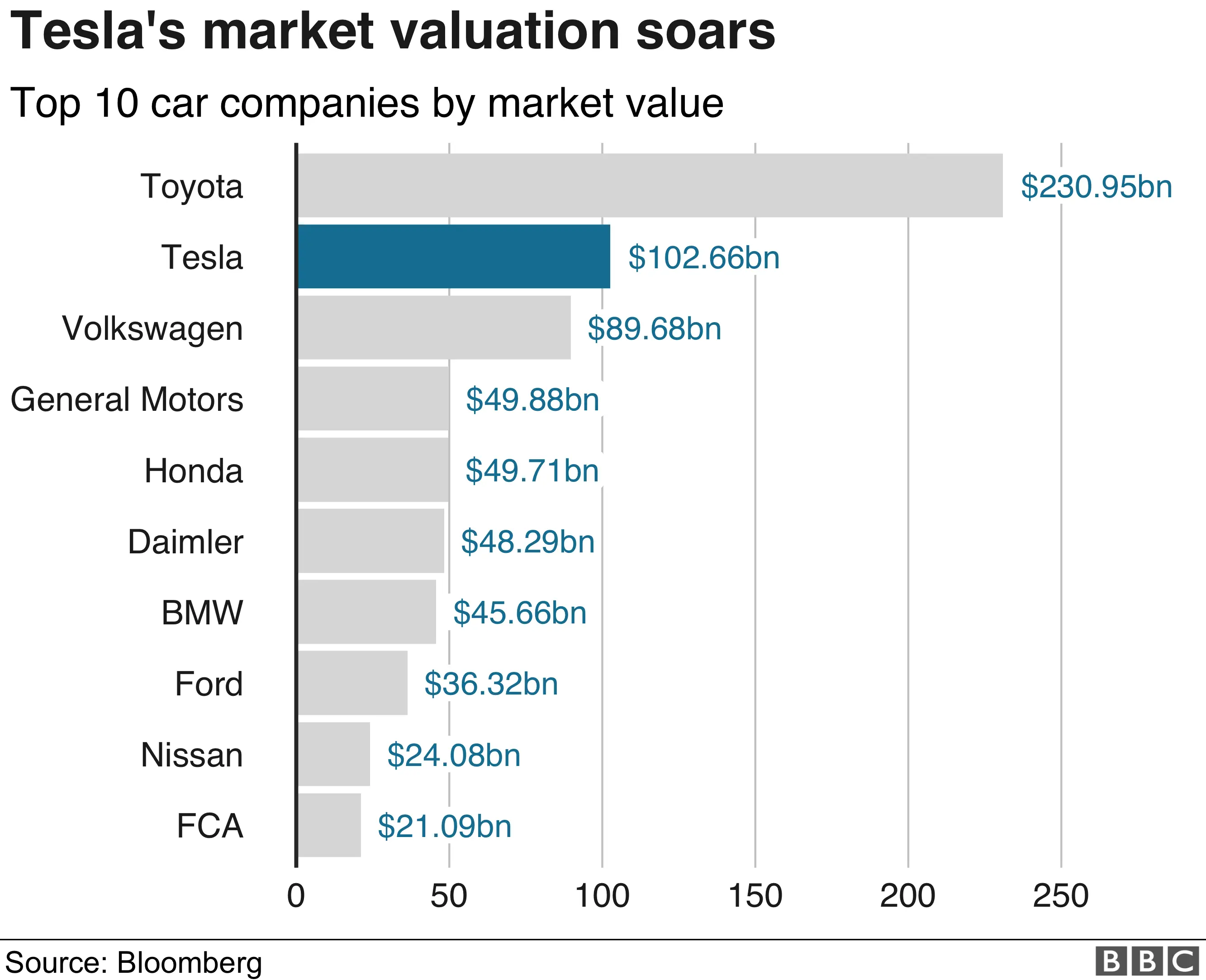
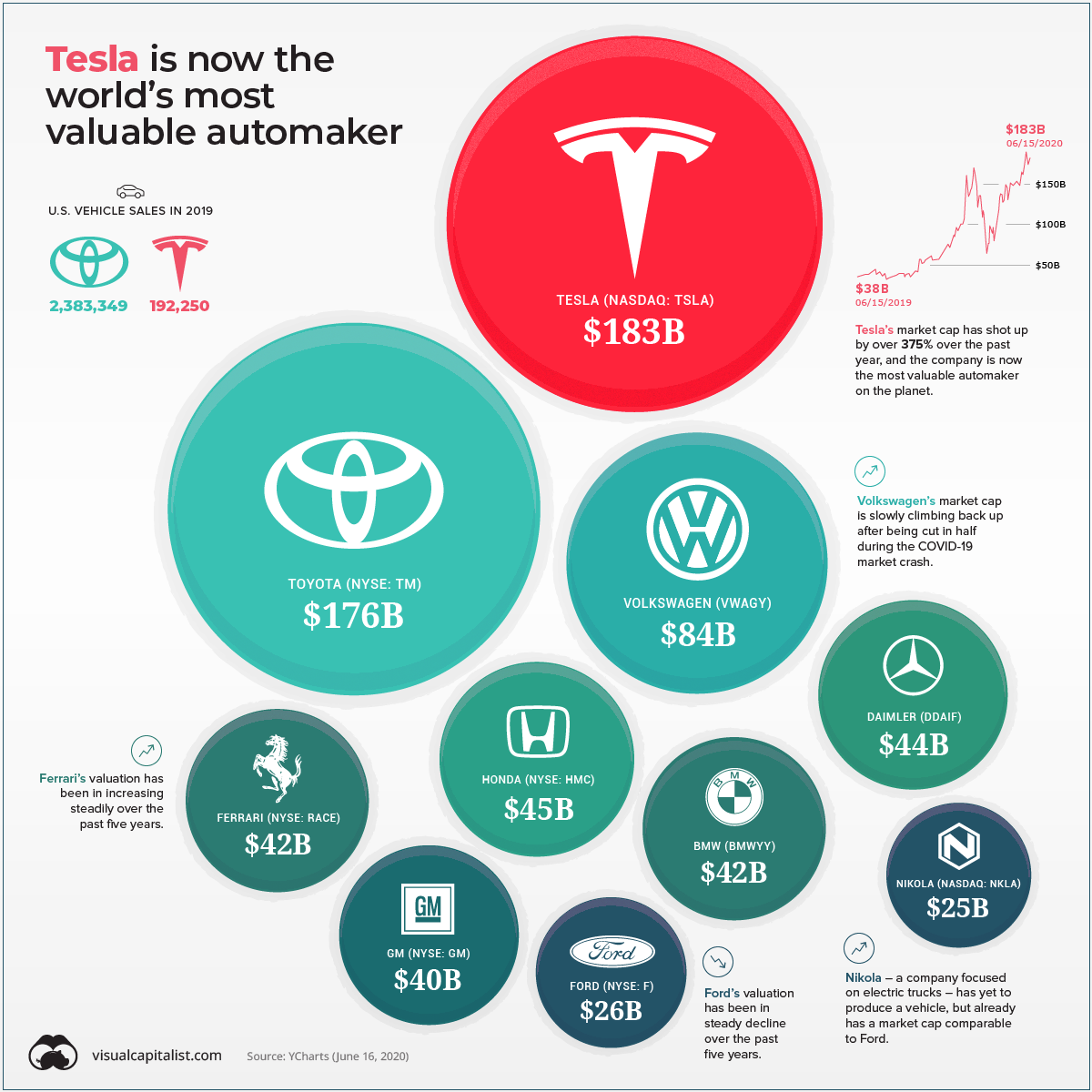
To justify a valuation that exceeds the combined market cap of the next five largest automakers, Tesla must dominate multiple sectors simultaneously. Investors are betting on three primary pillars of value: autonomous mobility, energy storage, and robotics.
Full Self-Driving (FSD) and the Robotaxi Moat
The most significant “unlock” for Tesla’s valuation is the realization of Level 5 autonomy. From an investment standpoint, the creation of a “Robotaxi” fleet represents a total addressable market (TAM) worth trillions. If Tesla can transition from selling individual cars to operating a global autonomous ride-hailing network, its revenue model shifts from one-time sales to high-frequency, high-margin utility income.
The financial moat here is data. Tesla has billions of miles of real-world driving data, which is the “oil” of the AI age. For an investor, this data represents a competitive advantage that is nearly impossible for competitors to replicate without the same fleet scale. If Tesla captures even a fraction of the global transportation-as-a-service market, the current stock price could be seen as a bargain.
Energy Storage and the Grid Revolution
While the automotive segment garners the headlines, Tesla Energy is the “dark horse” of the company’s valuation. The transition to renewable energy requires massive storage solutions to stabilize the grid. Tesla’s Megapack and Powerwall products are seeing triple-digit growth rates.
Financial analysts are increasingly looking at Tesla as a distributed utility company. As more homes and businesses adopt solar and battery storage, Tesla creates a “Virtual Power Plant” (VPP). This allows Tesla to manage energy flows across a network, selling power back to the grid during peak demand. This recurring, utility-like revenue stream provides a hedge against the cyclicality of the automotive market and adds a layer of stability to the long-term valuation.
Analyzing the Risk Profile and Market Volatility
No financial assessment of Tesla is complete without acknowledging the significant risks that could deflate its valuation. High-growth stocks are hypersensitive to external economic factors and internal execution errors.
Macroeconomic Headwinds and Interest Rates
As a “growth” stock, Tesla’s valuation is heavily influenced by the discounted cash flow (DCF) model. In this model, the value of future earnings is discounted back to the present day using current interest rates. When the Federal Reserve raises rates, the “present value” of those future earnings drops, leading to a contraction in the stock’s multiple.
Furthermore, automobiles are high-ticket items usually purchased with credit. High interest rates make Tesla’s products more expensive for the average consumer, forcing the company to cut prices to maintain volume. From a business finance perspective, these price cuts are a double-edged sword: they protect market share but compress the operating margins that investors have grown to love.
Competitive Pressures in the EV Landscape
The “first-mover advantage” that Tesla enjoyed for a decade is narrowing. In China, companies like BYD are producing high-quality EVs at lower price points, challenging Tesla’s dominance in the world’s largest auto market. In the West, luxury brands like Porsche and mass-market players like Hyundai are closing the tech gap.
For Tesla to maintain its premium valuation, it must prove that it can stay ahead of the “commodity trap.” If EVs become a commodity where price is the only differentiator, Tesla’s margins will eventually revert to the industry mean, which would necessitate a significant downward revision of its market capitalization.
The Future Outlook: Price Targets and Scenarios
Determining what Tesla is worth ultimately depends on which future scenario an investor believes will manifest. The valuation is a spectrum, ranging from a conservative “car company” floor to an aspirational “AI powerhouse” ceiling.
The Bull Case: More Than Just Transportation
The aggressive bull case, often championed by firms like ARK Invest, suggests a valuation in the several-trillion-dollar range. This scenario assumes that Tesla successfully launches a Robotaxi network, dominates the energy storage market, and begins to monetize “Optimus,” its humanoid robot.
In this view, Tesla is the leader of the fourth industrial revolution. Optimus, in particular, represents a paradigm shift in labor economics. If Tesla can produce a functional humanoid robot that performs manual labor, the financial implications are immeasurable, as it moves the company into the $40 trillion global labor market. This is the “infinite upside” that keeps high-growth investors interested despite short-term volatility.
The Bear Case: Margin Compression and Saturation
The bear case focuses on the reality of the present. Skeptics argue that Tesla is hitting a “growth wall.” As it moves from early adopters to the mass market, it faces consumers who are more price-sensitive and less brand-loyal.
If Tesla’s growth slows to 15-20% annually (down from 50%) and its margins settle at 10%, a financial model based on DCF would suggest a valuation much closer to legacy auto firms. Bears also point to the “Elon Musk Risk”—the idea that the CEO’s involvement in other ventures (X, SpaceX, xAI) distracts from Tesla’s core mission and introduces brand volatility that can spook institutional investors.
Conclusion: A Living Valuation
In the final analysis, Tesla is worth exactly what the market is willing to pay for its future potential today. It is a unique financial instrument that tracks the progress of electrification, artificial intelligence, and autonomy.
For the disciplined investor, Tesla represents a high-risk, high-reward bet on the future of the global economy. Its value is not found in the steel and glass of its vehicles, but in the proprietary code of its FSD chips and the lithium-ion cells in its Megapacks. Whether it is a $500 billion company or a $5 trillion company will depend on its ability to execute on its technological roadmap while navigating an increasingly crowded and cost-sensitive global market. Tesla remains the ultimate case study in modern business finance: a company that has successfully convinced the world to value it not for what it is, but for what it might become.
aViewFromTheCave is a participant in the Amazon Services LLC Associates Program, an affiliate advertising program designed to provide a means for sites to earn advertising fees by advertising and linking to Amazon.com. Amazon, the Amazon logo, AmazonSupply, and the AmazonSupply logo are trademarks of Amazon.com, Inc. or its affiliates. As an Amazon Associate we earn affiliate commissions from qualifying purchases.