
In the modern financial landscape, the seamless movement of capital relies on a series of specialized codes that act as a digital roadmap. Among these, the routing transit number (RTN) is perhaps the most critical yet frequently misunderstood component. Whether you are setting up a direct deposit for a new job, authorizing an automated bill payment, or receiving a domestic wire transfer, knowing how to locate and verify your routing number is a fundamental skill in personal finance.
While these nine-digit sequences may seem like arbitrary strings of numbers, they are the backbone of the American banking system. This guide will provide an in-depth exploration of how to find your routing number, the various methods available to verify it, and the essential role it plays in your financial security and efficiency.

Understanding the Role of the Routing Transit Number (RTN)
Before searching for the digits, it is vital to understand what a routing number actually is. Introduced by the American Bankers Association (ABA) in 1910, the routing transit number was designed to facilitate the sorting and shipping of paper checks. As the world transitioned to digital commerce, the RTN evolved into the primary identifier for electronic transactions.
What is a Routing Number?
A routing number is a unique nine-digit code assigned to every financial institution in the United States. It identifies the specific bank or credit union responsible for the account in question. Think of your account number as your personal “apartment number” and the routing number as the “zip code” or “street address” of the entire building. The code is structured logically: the first two digits represent the Federal Reserve district, the third indicates the specific processing center, and the final digits identify the individual bank.
Why Do You Need It?
You will typically need your routing number for any transaction that involves moving money between institutions. Common scenarios include:
- Direct Deposits: Ensuring your paycheck or government benefits land in the correct account.
- Automatic Bill Pay: Authorizing utilities, mortgage lenders, or credit card companies to withdraw funds.
- Tax Refunds: Providing the IRS with the correct “coordinates” to send your annual refund.
- Wire Transfers: Moving large sums of money quickly between domestic banks.
ABA vs. ACH Routing Numbers
It is a common point of confusion, but some larger financial institutions utilize different routing numbers for different types of transactions. An ACH (Automated Clearing House) routing number is typically used for electronic transfers and direct deposits. In contrast, a wire routing number may be required specifically for domestic wire transfers. While many banks use the same number for both, always confirm which one is required for your specific transaction to avoid delays or returned payments.
Practical Methods to Locate Your Routing Number
Locating your routing number is generally a straightforward process, provided you know where to look. Depending on your preference for physical documents or digital tools, there are several reliable avenues to retrieve this information.
Checking Your Physical Paper Checks
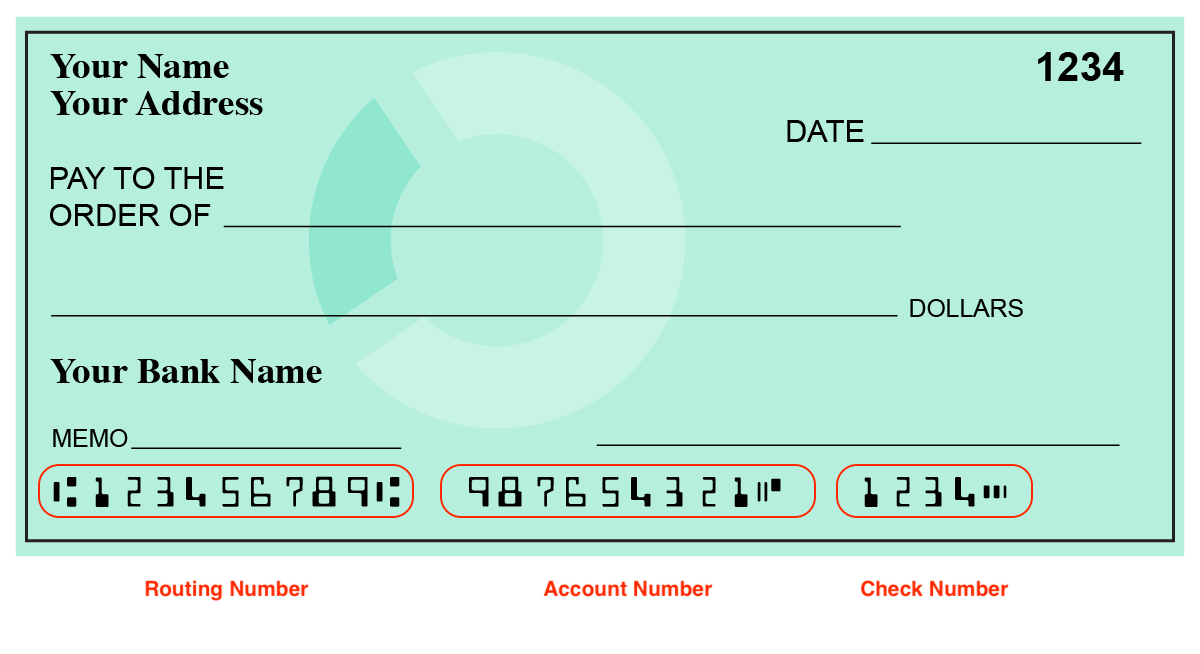
The most traditional and often fastest way to find your routing number is to look at a physical check from your checkbook. If you look at the bottom of a check, you will see a series of numbers printed in a specialized computer-readable font.
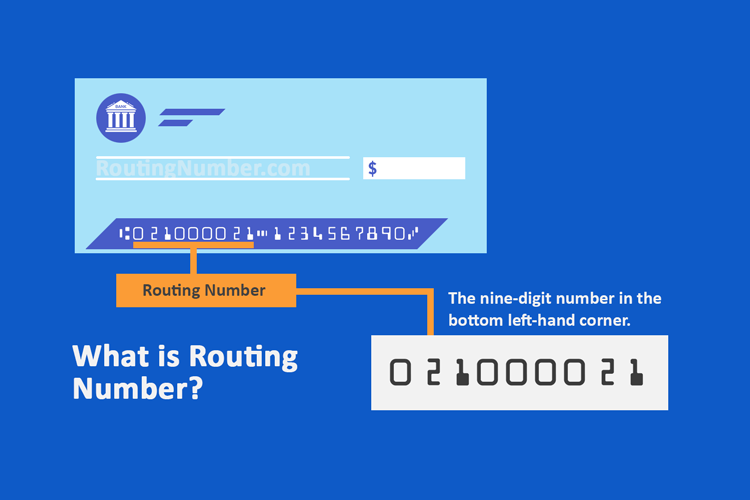
- The First Sequence: The first nine digits on the far-left side are your routing number.
- The Second Sequence: The set of numbers in the middle (or sometimes following the routing number) is your individual account number.
- The Third Sequence: The shortest set of numbers is the specific check number.
It is important to note that deposit slips also contain routing numbers, but these are sometimes different from the routing number used for outgoing payments, so using a standard check is a more reliable method for verification.
Utilizing Online Banking and Mobile Apps
In an era dominated by fintech, most consumers manage their money through smartphone applications or web browsers. Almost every major bank provides the routing number within the “Account Details” or “Account Information” section of their platform.
- Log in to your secure banking portal.
- Select the specific account (e.g., Checking or Savings) for which you need the number.
- Look for a link labeled “Account Details,” “Numbers,” or “Paperless Statements.”
- The routing number will be clearly displayed alongside your account number.
Searching Your Bank’s Official Website
Since routing numbers are public identifiers for the institution, you often don’t even need to log in to find them. Most banks have a dedicated page for “Routing Numbers” accessible via their site’s search bar or footer. However, exercise caution: large national banks (like Chase, Wells Fargo, or Bank of America) often have different routing numbers based on the state where the account was originally opened. Ensure you are looking at the specific number assigned to your region.
Reviewing Your Monthly Bank Statements
If you do not have a checkbook and prefer not to use an app, your monthly bank statement is an official legal document that contains all necessary identifiers. Whether you receive your statement via mail or download a PDF version online, the routing number is typically listed at the top or bottom of the first page, near the bank’s headquarters address and your account summary.
Ensuring Accuracy and Financial Security
While a routing number is not “private” in the same way an account number or Social Security number is, its accuracy is paramount. A single digit error can lead to funds being sent to the wrong institution or, more commonly, a “transaction rejected” notification that can result in late fees or payroll delays.
Confirming Numbers for Different Transaction Types
As mentioned earlier, always verify if you need a “paper,” “ACH,” or “wire” routing number. For example, if you are setting up an international transfer, a standard nine-digit routing number will not suffice; you will likely need a SWIFT or BIC code. For domestic transactions, if you are unsure, calling your bank’s customer service line or using their “Chat” feature is the best way to confirm you have the correct digits for the specific type of transfer you are initiating.
Avoiding Common Routing Number Scams
In the realm of personal finance, information is power. Scammers may contact you via email or text claiming there is an “issue” with your routing number and asking you to “verify” your full account details and login credentials. Remember: your bank already knows its own routing number. Never provide your sensitive account details to an unverified source. The routing number itself is public, but it is often used as a “hook” by fraudsters to gain your trust before asking for more sensitive information like your PIN or password.
The Difference Between Routing Numbers and SWIFT/BIC Codes
When moving money globally, the US routing number system gives way to the international standards. The SWIFT (Society for Worldwide Interbank Financial Telecommunication) code is an 8 to 11-character identifier used for international transfers. If you are expecting a transfer from overseas, providing your domestic nine-digit routing number alone will result in a failed transaction. You must provide your bank’s SWIFT/BIC code, which can also be found on the bank’s website or by contacting a representative.
The Future of Routing Identifiers in a Digital Economy
As we move toward a “cashless” society, the infrastructure of banking is undergoing a radical transformation. While the routing number remains a staple of the system, new technologies are changing how we interact with these identifiers.
Real-Time Payments and Modern Fintech
The rise of Real-Time Payments (RTP) and the Federal Reserve’s “FedNow” service aim to modernize the movement of money, reducing the “float” time associated with traditional ACH transfers. While these systems still utilize the underlying routing number framework, many consumer-facing apps (like Venmo, Zelle, or Cash App) have simplified the process. By linking accounts through secure third-party aggregators like Plaid, users can often bypass the need to manually enter routing and account numbers, reducing the risk of human error.
Centralized Databases and Verification Tools
For those in business finance or those who manage high-volume transactions, tools like the “ABA Routing Number Registrar” allow for the verification of any RTN. This ensures that the bank associated with the number is still active and that the number hasn’t been retired due to a merger or acquisition. As banks continue to consolidate, staying updated on your bank’s current routing number is essential, as mergers often result in the issuance of new numbers over a transitional period.
In conclusion, while the routing number is a relic of the early 20th-century banking system, it remains a cornerstone of modern personal finance. By understanding how to locate this number via checks, apps, or statements, and by recognizing the nuance between different types of transfers, you can ensure that your financial life remains organized, secure, and efficient. Always double-check your digits, stay informed about your bank’s specific regional codes, and treat your routing number as the essential tool it is for navigating the digital economy.
aViewFromTheCave is a participant in the Amazon Services LLC Associates Program, an affiliate advertising program designed to provide a means for sites to earn advertising fees by advertising and linking to Amazon.com. Amazon, the Amazon logo, AmazonSupply, and the AmazonSupply logo are trademarks of Amazon.com, Inc. or its affiliates. As an Amazon Associate we earn affiliate commissions from qualifying purchases.