
Temazepam, a benzodiazepine medication, is primarily recognized for its potent sedative and hypnotic properties. While its clinical application centers on treating specific sleep disorders, its broader impact touches upon areas relevant to technology, brand perception, and financial considerations, especially within the context of healthcare and pharmaceutical industries. Understanding what temazepam is used for requires a multifaceted approach, considering not just its medical indications but also the surrounding ecosystem of its production, distribution, and public awareness.
Understanding Temazepam’s Primary Medical Role: Addressing Insomnia
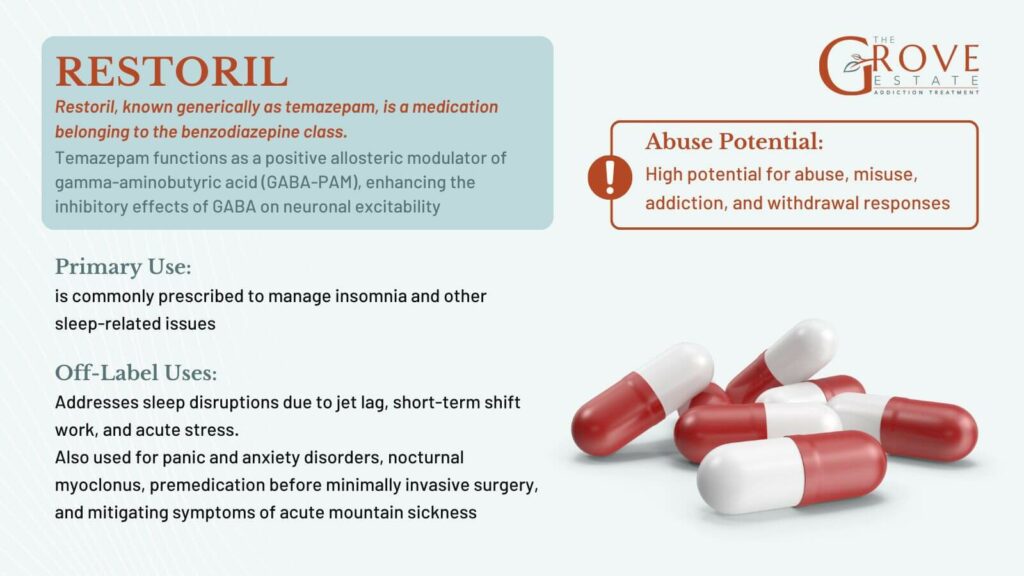
At its core, temazepam is prescribed to alleviate short-term insomnia. This means it’s designed to help individuals who have difficulty falling asleep or staying asleep throughout the night. It functions by enhancing the effects of gamma-aminobutyric acid (GABA), a neurotransmitter that inhibits brain activity. By increasing GABA’s activity, temazepam slows down nerve impulses in the brain, leading to a calming and sedating effect, which is crucial for initiating and maintaining sleep.

Short-Term Insomnia: The Primary Indication
The most common and recommended use of temazepam is for the short-term management of insomnia. This is a critical distinction because prolonged use of benzodiazepines like temazepam can lead to tolerance, dependence, and withdrawal symptoms. Therefore, physicians typically prescribe it for a limited duration, often a few weeks, to help patients overcome acute sleep disturbances. These disturbances can arise from various factors, including stress, anxiety, jet lag, or changes in sleep schedule.
The effectiveness of temazepam in treating short-term insomnia stems from its ability to reduce sleep latency (the time it takes to fall asleep) and increase total sleep time. This can be particularly beneficial for individuals experiencing significant distress or impairment due to their sleep difficulties, allowing them to regain a healthier sleep pattern.
The Nuances of Sleep Disorders and Temazepam’s Place
It’s important to differentiate between various types of insomnia and how temazepam might or might not be suitable. While temazepam is effective for generalized insomnia, it’s not a panacea for all sleep-related issues. For instance, conditions like sleep apnea, restless legs syndrome, or narcolepsy require different treatment approaches. A proper diagnosis by a healthcare professional is paramount to determine if temazepam is the appropriate course of action.
Furthermore, the severity and chronicity of insomnia play a significant role. For chronic insomnia that persists for months or years, other therapeutic interventions, such as Cognitive Behavioral Therapy for Insomnia (CBT-I), are often considered first-line treatments due to their long-term efficacy and lower risk of dependence. Temazepam is typically reserved for situations where these alternative therapies have failed or when a rapid onset of action is required.
Beyond Sleep: Off-Label and Historical Uses of Temazepam
While its primary indication is insomnia, temazepam, like many benzodiazepines, has been explored for or used off-label in other contexts. These uses, however, often come with greater risks and are less frequently prescribed due to the availability of more targeted or safer alternatives.
Pre-operative Sedation and Anxiety Reduction
Historically, and sometimes still today, benzodiazepines, including temazepam, have been used to induce sedation and reduce anxiety before surgical procedures. This can help calm patients, ease their apprehension, and sometimes aid in amnesia for the event, making the experience less traumatic. However, this practice is often subject to specific protocols and the availability of newer anesthetic agents and sedatives.
Management of Acute Anxiety and Agitation
In some acute situations, temazepam might be used for the short-term management of severe anxiety or agitation. This is generally in emergency settings where immediate calming is required. However, its use for general anxiety disorders is less common, as other benzodiazepines or antidepressants are often preferred for their longer-acting effects and lower propensity for rapid dependence in chronic anxiety management.
The Importance of Prescriber Judgment and Patient Specifics
It is crucial to reiterate that any use of temazepam outside of its primary indication for short-term insomnia is strictly at the discretion of a qualified medical professional. The decision to prescribe temazepam for any reason is based on a thorough assessment of the individual patient’s medical history, current health status, potential risks, and the availability of alternative treatments. Off-label uses are always subject to rigorous ethical and medical considerations.

The Technological and Brand Landscape of Temazepam
The production, distribution, and marketing of pharmaceuticals like temazepam are deeply intertwined with the technological advancements and brand strategies prevalent in the healthcare and pharmaceutical sectors. While temazepam itself is a chemical compound, its journey from synthesis to patient involves sophisticated technological processes and carefully crafted brand narratives.
Technological Innovations in Pharmaceutical Manufacturing and Distribution
The manufacturing of temazepam involves complex chemical synthesis and rigorous quality control processes, all underpinned by cutting-edge technology. This includes advanced analytical techniques for purity testing, automated production lines ensuring consistency and scalability, and sophisticated packaging solutions that maintain product integrity and provide tamper-evidence.
Furthermore, the pharmaceutical supply chain relies heavily on technology. From temperature-controlled logistics to prevent degradation of the drug to the use of blockchain for tracking and tracing to ensure authenticity and prevent counterfeiting, technology plays a vital role in ensuring that temazepam reaches patients safely and effectively. Digital tools also facilitate prescription management, patient adherence monitoring, and communication between healthcare providers and pharmacies.
Brand Perception, Marketing, and Reputation Management
For pharmaceutical companies producing temazepam, brand perception is paramount. While direct-to-consumer advertising for prescription drugs varies significantly by region, the overarching brand strategy involves building trust and credibility. This is achieved through extensive clinical trials, transparent reporting of data, engagement with healthcare professionals through medical education, and adherence to stringent regulatory standards.
The reputation of a pharmaceutical brand can be significantly influenced by the safety profile and efficacy of its products. For medications like temazepam, which carry inherent risks of dependence and side effects, responsible marketing and clear communication about these risks are crucial. Companies invest heavily in pharmacovigilance – the process of monitoring the safety of medicines once they are on the market – to ensure that any emerging issues are addressed promptly and effectively. This commitment to safety and transparency is a key component of their brand identity and reputation management.
Financial Implications and Accessibility of Temazepam
The financial aspects surrounding temazepam are multifaceted, impacting patients, healthcare systems, and the pharmaceutical industry itself. Accessibility, pricing, and the economic burden of sleep disorders are all relevant considerations.
The Economics of Sleep: Costs of Insomnia and Treatment
Insomnia is not just a personal health issue; it also carries significant economic consequences. Lost productivity, increased healthcare utilization due to accidents or comorbidities exacerbated by sleep deprivation, and the costs associated with various insomnia treatments all contribute to the economic burden of sleep disorders. Temazepam, as a treatment option, fits into this broader economic landscape.
The cost of temazepam can vary depending on factors such as the manufacturer, dosage, and whether it’s a branded or generic version. Pharmaceutical companies invest substantial resources in research and development, clinical trials, and marketing, which influences the pricing of their products. Generic versions, once patents expire, often become more affordable, increasing accessibility for a wider population.
Insurance Coverage, Affordability, and Healthcare Policy
The accessibility of temazepam is heavily influenced by insurance coverage and healthcare policies. In many regions, prescription medications are covered by insurance plans, but the extent of coverage can vary. Co-pays and deductibles can still represent a significant out-of-pocket expense for patients, impacting their ability to access necessary treatment.
Healthcare policymakers also play a role in shaping the landscape. Decisions regarding drug formularies, reimbursement rates, and the promotion of evidence-based treatments can influence prescribing patterns and the overall cost-effectiveness of temazepam as a therapeutic option. The debate around the appropriate use of benzodiazepines, given their potential for misuse and dependence, also informs policy decisions.
The Pharmaceutical Business Model and Innovation
The pharmaceutical industry operates on a complex business model that relies on innovation and the development of new treatments. For medications like temazepam, which have been around for some time, the focus for manufacturers might shift towards ensuring a consistent supply, optimizing production, and managing the lifecycle of the drug. Investment in research for newer, potentially safer, or more effective sleep aids also continues, driven by both medical need and market opportunities. Understanding the financial drivers behind drug development and access is key to appreciating the full picture of what temazepam is used for and how it fits into the broader healthcare ecosystem.
aViewFromTheCave is a participant in the Amazon Services LLC Associates Program, an affiliate advertising program designed to provide a means for sites to earn advertising fees by advertising and linking to Amazon.com. Amazon, the Amazon logo, AmazonSupply, and the AmazonSupply logo are trademarks of Amazon.com, Inc. or its affiliates. As an Amazon Associate we earn affiliate commissions from qualifying purchases.