
The Technological Genesis of Plant-Based Innovation
Impossible Foods, a name that has become synonymous with the plant-based meat revolution, has fundamentally challenged our perceptions of what food can be. At its core, the creation of Impossible Meat is a triumph of sophisticated food science and biotechnology, representing a significant leap forward in the quest for sustainable and ethical protein sources. Far from being a simple imitation, Impossible Meat is a meticulously engineered product designed to replicate the sensory experience of traditional meat through innovative technological applications. This section delves into the technological underpinnings that make Impossible Meat a reality, from its foundational ingredient sourcing to the complex processes involved in its creation.

The Scientific Foundation: Replicating the Meat Experience
The primary technological hurdle in creating plant-based meat that truly satisfies consumers is replicating the complex taste, texture, and aroma of animal flesh. Impossible Foods has approached this challenge with a deep understanding of molecular gastronomy and biochemical engineering.
The “Heme” Factor: The Secret Ingredient
The cornerstone of Impossible Meat’s success lies in its ingenious use of a molecule called soy leghemoglobin, often referred to simply as “heme.” Heme is an iron-containing molecule found in the root nodules of soybeans. In animals, heme is the protein responsible for transporting oxygen in the blood and is also a key component of myoglobin, the protein that gives meat its characteristic red color and its rich, savory flavor when cooked.
Impossible Foods identified that the presence of heme was critical for mimicking the “meaty” taste and aroma that plant-based alternatives often lacked. However, extracting heme directly from soybeans in commercially viable quantities proved to be inefficient and unsustainable. The technological breakthrough came with the development of a process called precision fermentation. This involves genetically engineering yeast to produce soy leghemoglobin. The yeast are fed a simple nutrient broth, and through their natural metabolic processes, they efficiently produce the heme molecule. This genetically modified organism (GMO) approach, while sometimes controversial, allows for the consistent and scalable production of a crucial ingredient that is virtually identical to the heme found in animal meat.
Texture Engineering: Beyond Simple Grinding
Replicating the fibrous texture of muscle tissue is another significant technological challenge. Traditional plant-based burgers often suffer from a mushy or uniformly uniform consistency. Impossible Foods employs advanced food processing techniques to achieve a more authentic texture.
This involves carefully formulating the blend of plant-based proteins, such as soy and potato protein, and then processing them in ways that create the characteristic chew and bite of ground meat. Techniques like extrusion, a process where ingredients are forced through a die under high pressure and temperature, can be used to create fibrous structures. Furthermore, the addition of binders and fats derived from plant sources, such as coconut oil and sunflower oil, plays a crucial role in emulating the juiciness and mouthfeel of animal meat. The precise ratios and processing parameters are proprietary, highlighting the intricate technological know-how involved in achieving the desired textural profile.
Sourcing and Sustainability: A Tech-Driven Approach
Beyond the immediate replication of meat, Impossible Foods’ technology extends to its sourcing and production, aiming for a significantly reduced environmental footprint. The reliance on plants as the primary input is inherently more sustainable than traditional animal agriculture, but the technology plays a role in optimizing this further.
Precision Fermentation: Scalable and Efficient Production
As mentioned, precision fermentation is a key technology. It allows for the efficient and controlled production of specific ingredients like heme. This method drastically reduces the land, water, and greenhouse gas emissions associated with traditional animal farming. By producing heme via fermentation, Impossible Foods bypasses the need for vast tracts of land for grazing or growing feed crops, a major contributor to deforestation and environmental degradation. The process is also highly controllable, ensuring consistent quality and yield, which is crucial for large-scale food production.
Upcycled Ingredients and Waste Reduction
While not always explicitly highlighted, the food tech industry, including companies like Impossible Foods, often explores technologies that minimize waste and utilize by-products. The development of plant-based ingredients can involve innovative processing of agricultural commodities, potentially finding uses for parts of plants that might otherwise be discarded. This aspect of their technological approach contributes to a more circular and sustainable food system.
Data Analytics and AI in Food Development
The development of complex food products like Impossible Meat is increasingly reliant on sophisticated data analysis and artificial intelligence (AI). Food scientists use computational modeling to understand flavor profiles, texture interactions, and the impact of different ingredients. AI can accelerate the process of experimentation by predicting ingredient combinations and processing parameters that are likely to yield the desired results, significantly shortening research and development cycles. This data-driven approach allows for continuous refinement and innovation, ensuring that Impossible Meat remains at the forefront of plant-based food technology.
The Brand Identity of Impossible Meat: Pioneering Plant-Based Perception
Impossible Foods has not only engineered a groundbreaking product but has also masterfully crafted a brand identity that has significantly influenced consumer perception of plant-based alternatives. Their branding strategy has been instrumental in moving “plant-based meat” from a niche, often unappealing category, to a mainstream, aspirational choice. This section will explore the key elements that define the brand of Impossible Meat, focusing on its strategic positioning, visual identity, and messaging that resonate with a broad audience.
Strategic Positioning: Beyond “Veggie Burger”
The initial challenge for plant-based meat companies was overcoming the stigma associated with traditional vegetarian or vegan offerings. These were often perceived as bland, texturally inferior, and primarily for those with dietary restrictions. Impossible Foods deliberately chose a different path, positioning their product not as a substitute for meat, but as a superior alternative to meat.
The “Impossible” Name: Bold and Disruptive
The very name, “Impossible Foods,” is a powerful branding statement. It’s provocative, ambitious, and implies a defiance of conventional limitations. This name immediately sets the company apart, suggesting innovation and a willingness to tackle seemingly insurmountable challenges in the food industry. It hints at the revolutionary nature of their product and their mission to change the global food system.
Targeting Meat-Eaters: The Core Demographic
Crucially, Impossible Foods’ branding has been laser-focused on appealing to existing meat-eaters. Their marketing campaigns often feature the product being enjoyed by traditional meat-eaters, emphasizing that they don’t have to sacrifice taste, satisfaction, or culinary experience to choose a plant-based option. This is a strategic departure from many earlier plant-based brands that primarily targeted vegetarians and vegans. By focusing on the “meat-lover,” they broaden their market appeal and drive mass adoption.
Mission-Driven Branding: Sustainability as a Core Value
While the primary appeal is taste and experience, the underlying mission of sustainability is a vital component of the Impossible Meat brand. The company frames its product as a solution to the environmental crisis driven by animal agriculture. This mission-driven aspect resonates with a growing segment of consumers who are increasingly conscious of their environmental impact and are looking for brands that align with their values. The brand doesn’t shy away from its environmental credentials, integrating them into its narrative without making it the sole selling point.
Visual Identity: Modern, Clean, and Appetizing
The visual elements of the Impossible Meat brand are carefully curated to convey innovation, quality, and deliciousness.
The Color Palette: Bold and Energetic
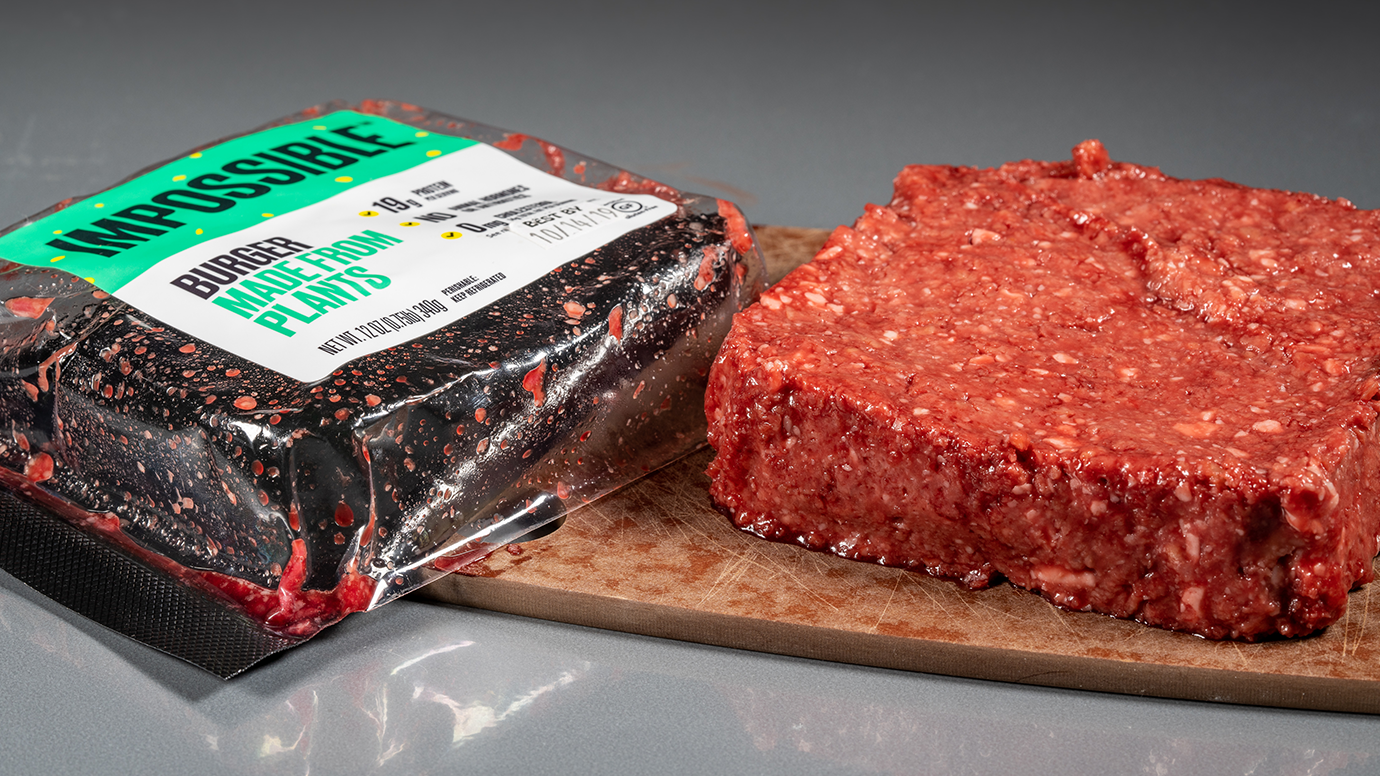
Impossible Foods often employs a bold and vibrant color palette, with red and black being prominent. Red is intrinsically linked to meat, its color and the sizzle it makes when cooked. This visual cue directly taps into consumers’ existing associations with meat. The use of black adds a touch of sophistication and modernity. This color scheme is applied across their packaging, website, and marketing materials, creating a consistent and impactful brand presence.
Typography and Logo Design: Sharp and Contemporary
The typography used is typically clean, modern, and sans-serif, further reinforcing the brand’s forward-thinking image. The logo itself is often depicted as sleek and minimalist, avoiding overly organic or “earthy” aesthetics that might inadvertently reinforce older, less appealing perceptions of plant-based foods. The overall visual impression is one of a high-tech, premium product rather than a rustic or homemade alternative.
Packaging Design: Informative and Aspirational
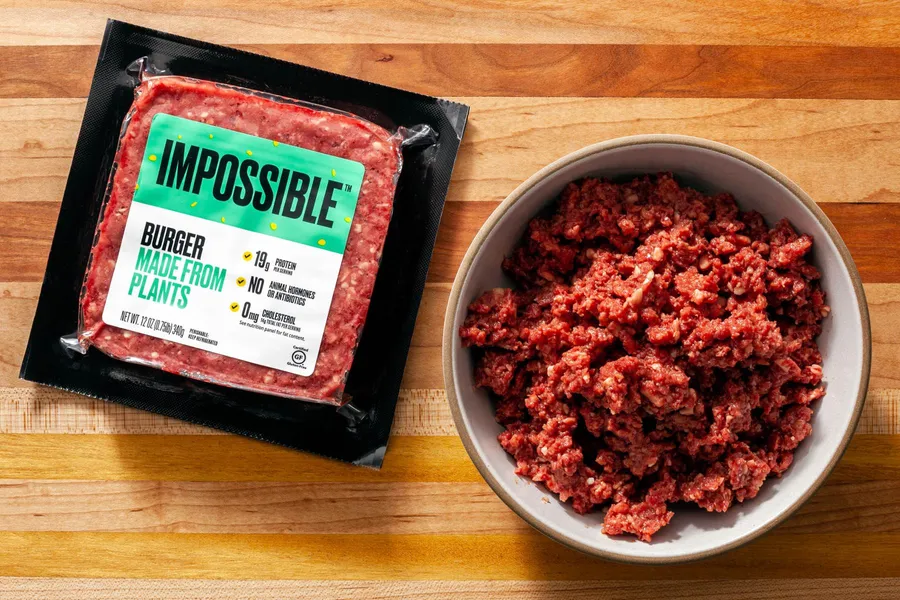
Impossible Meat’s packaging is designed to be both informative and aspirational. It clearly communicates what the product is and its benefits, often highlighting its plant-based nature while emphasizing its similarity to conventional meat. The imagery used, whether on packaging or in advertisements, is typically of the cooked product, making it look appetizing and desirable, often styled in ways that mirror classic meat dishes.
Messaging and Communication: Emphasizing the “Wow” Factor
The messaging employed by Impossible Foods is crucial in shaping consumer perception and driving trial. It’s designed to pique curiosity and address potential skepticism head-on.
Addressing the Skeptics: “It’s Meat, From Plants.”
A core part of their communication strategy is to directly address the perceived limitations of plant-based alternatives. Their taglines and ad copy often emphasize the surprising nature of the product, highlighting that it’s made from plants but tastes and cooks like meat. Phrases like “It’s meat, from plants” are designed to be both literal and attention-grabbing.
Highlighting the Culinary Experience: Taste, Sizzle, and Smell
Impossible Foods heavily emphasizes the sensory experience of their product. They focus on the “sizzle” of the patty on the grill, the “juiciness,” and the “flavor.” By using evocative language and imagery that mirrors the enjoyment of eating traditional meat, they aim to reassure consumers that they won’t be disappointed. They often showcase their products in familiar culinary contexts, such as burgers, tacos, and sausages, demonstrating their versatility and ease of integration into everyday meals.
Storytelling and Advocacy: A Vision for the Future
Beyond product-focused messaging, Impossible Foods engages in powerful storytelling about their vision for a more sustainable future. This involves highlighting the limitations of traditional animal agriculture and presenting their product as a key part of the solution. This narrative builds emotional connection with consumers who are inspired by the company’s ambitious goals and its role in driving positive change. The brand positions itself as a leader in a movement towards a better food system, attracting a loyal following who are not just consumers but advocates.
The Economic Implications of Impossible Meat: Reshaping the Food Industry and Investment Landscape
The emergence of Impossible Meat represents not just a culinary or technological innovation but a significant economic force. It has disrupted established food industries, created new market opportunities, and attracted substantial investment, fundamentally altering the landscape of food production and consumption. This section will explore the economic ripple effects of Impossible Meat, from its impact on the traditional meat industry to its role as an attractive investment vehicle and its potential to drive new income streams.
Disrupting Traditional Markets: A Challenge to the Status Quo
Impossible Meat’s success directly challenges the dominance of the traditional animal agriculture and meat processing industries. By offering a compelling plant-based alternative, it diverts consumer spending and forces established players to re-evaluate their strategies.
Market Share and Consumer Choice
As plant-based meat options like Impossible Meat gain traction, they inevitably chip away at the market share of conventional meat products. This increased competition can lead to price adjustments and innovation within the traditional meat sector as well. Consumers now have a genuine, widely available choice that offers similar sensory experiences without the environmental and ethical concerns often associated with animal agriculture. This expands the overall protein market rather than simply cannibalizing existing demand, creating a larger pie for various protein sources.
Impact on Supply Chains and Agriculture
The growth of companies like Impossible Foods has implications for agricultural supply chains. While they rely on plant-based ingredients like soy and potatoes, the shift towards plant-based protein production can influence the demand for certain crops and agricultural practices. This could lead to a reallocation of resources within the agricultural sector, potentially benefiting farmers who can adapt to producing ingredients for the burgeoning alternative protein market.
Retail and Foodservice Integration
A significant economic impact is the widespread adoption of Impossible Meat in retail grocery stores and foodservice establishments. Major restaurant chains and supermarkets have partnered with Impossible Foods, integrating their products into menus and shelves. This integration normalizes plant-based options, making them accessible and convenient for a broad consumer base. This adoption is a powerful signal of the economic viability and consumer demand for such products, further solidifying their position in the market.
Investment Magnet: Fueling the Alternative Protein Boom
The groundbreaking nature and market potential of Impossible Meat have made it a highly attractive target for investors, fueling a broader boom in the alternative protein sector.
Venture Capital and Private Equity Funding
Impossible Foods has consistently attracted massive rounds of funding from prominent venture capital and private equity firms. These investments are a testament to the perceived profitability and growth potential of the plant-based meat market. The substantial capital injections have enabled Impossible Foods to scale its operations, invest heavily in research and development, and expand its marketing efforts, further accelerating its growth and market penetration. This influx of investment has also inspired other startups in the alternative protein space.
Valuation and Market Potential
The high valuations commanded by companies like Impossible Foods signal the immense market potential that investors see in alternative proteins. These companies are seen as not just niche players but as leaders in a transformative shift in how we produce and consume food. This perception translates into significant financial returns for early investors and encourages further capital allocation into the sector.
IPO and Future Financial Prospects
While specific future financial events are speculative, the success and valuation of Impossible Foods naturally raise discussions about initial public offerings (IPOs) or other liquidity events. Such events would unlock further capital for expansion and provide a significant return for investors, further solidifying the economic success story of this innovative food technology.
New Income Streams and Entrepreneurial Opportunities
The rise of Impossible Meat and the broader alternative protein market has opened up new avenues for income generation and entrepreneurship.
Direct-to-Consumer Sales and Subscriptions
As the market matures, opportunities for direct-to-consumer sales and subscription services for plant-based products are emerging. This allows companies to capture a larger share of the profit margin and build direct relationships with consumers.
Supporting Industries and Services
Beyond the direct production of plant-based meat, a host of supporting industries and services are benefiting. This includes ingredient suppliers, packaging manufacturers, marketing and advertising agencies specializing in food tech, and logistics providers for alternative protein distribution. Entrepreneurs can identify gaps in these supporting ecosystems and build businesses to cater to the growing demand.
Culinary Innovation and Recipe Development
The existence of a high-quality, versatile plant-based meat alternative like Impossible Meat inspires culinary innovation. Chefs, home cooks, and recipe developers can experiment with new dishes and flavors, creating revenue streams through recipe books, online content, and culinary services. The ease of use and familiarity of the product allows for creative freedom without compromising on the expectation of a “meaty” dish.
Franchising and Licensing Opportunities
As the brand grows, there may be future opportunities for franchising or licensing its technology or brand name to other food businesses, creating further avenues for economic expansion and income generation. This allows the core innovation to be leveraged across a wider network.
In conclusion, Impossible Meat is more than just a food product; it’s an economic phenomenon. Its ability to disrupt established industries, attract significant investment, and foster new entrepreneurial ventures highlights the transformative power of innovation in the food sector. As the demand for sustainable and ethical protein sources continues to grow, the economic implications of Impossible Meat are poised to become even more profound.
aViewFromTheCave is a participant in the Amazon Services LLC Associates Program, an affiliate advertising program designed to provide a means for sites to earn advertising fees by advertising and linking to Amazon.com. Amazon, the Amazon logo, AmazonSupply, and the AmazonSupply logo are trademarks of Amazon.com, Inc. or its affiliates. As an Amazon Associate we earn affiliate commissions from qualifying purchases.