
Szechuan cooking, often celebrated for its bold and complex flavors, is far more than just a regional Chinese cuisine; it represents a powerful and globally recognized culinary brand. Like any successful brand, Szechuan cuisine possesses a distinct identity, a compelling origin story, signature “products” that communicate its essence, and a unique value proposition that resonates with diverse audiences worldwide. To understand “what Szechuan cooking is,” then, is to deconstruct the carefully interwoven elements that have established it as an indelible mark on the global gastronomic map, a brand built on sensory experience, cultural heritage, and strategic differentiation.
In the realm of food, where countless cuisines vie for attention, Szechuan has carved out an almost unparalleled niche through its daring flavor profiles and vibrant personality. This article will explore how Szechuan cooking functions as a sophisticated culinary brand, examining its core brand pillars, its rich heritage, how its identity is communicated through its dishes, and its robust competitive standing in the dynamic global marketplace.
The Sensory Signature: Core Pillars of the Szechuan Brand
At the heart of the Szechuan brand lies an unmistakable sensory identity that is its primary differentiator. This isn’t just about taste; it’s an immersive experience that engages multiple senses, creating a memorable and often addictive brand encounter.
Ma La: The Unmistakable Brand Differentiator
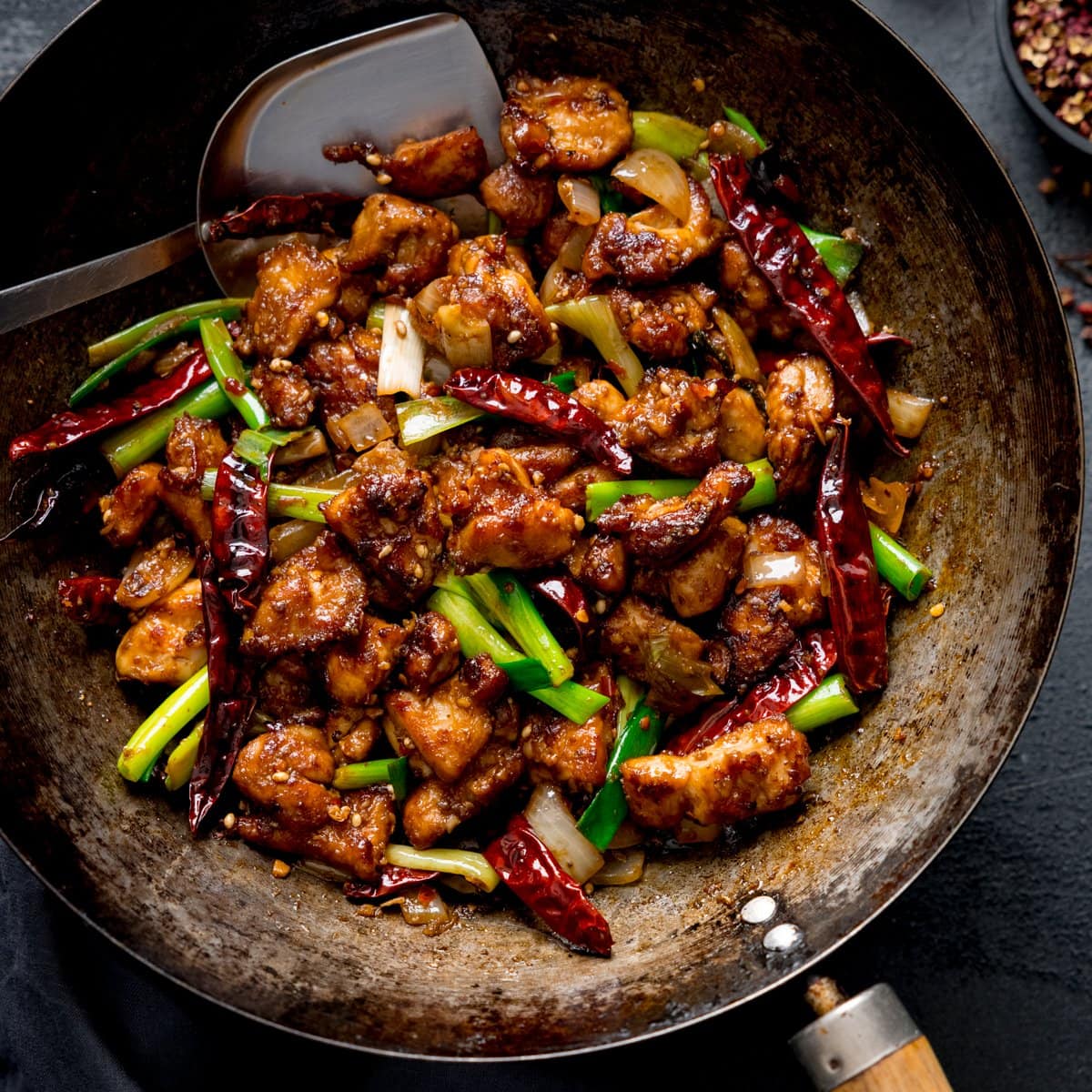
The cornerstone of the Szechuan brand identity is undoubtedly the concept of “ma la” (麻辣), a unique combination of numbing and spicy sensations. This dual sensation, primarily delivered by the Szechuan peppercorn (hua jiao) and chili peppers, is the cuisine’s most iconic and powerful brand attribute. It’s what makes Szechuan cooking instantly recognizable, setting it apart from other spicy cuisines around the world. The “ma” (麻) refers to the tingling, slightly anesthetic sensation caused by Szechuan peppercorns, which primes the palate for the “la” (辣), the intense heat from chili peppers.
This isn’t merely a flavor; it’s a physiological response, an active engagement that makes dining an adventure. For the Szechuan brand, ma la is its unique selling proposition, a trademark experience that defines its character. It communicates boldness, excitement, and an invitation to step outside one’s comfort zone. In a crowded culinary market, ma la serves as a powerful psychological trigger, immediately associating the cuisine with an adventurous and unforgettable taste journey, fostering strong brand recall and an eager anticipation among consumers.
Aromatic Complexity: Beyond Just Heat
While ma la captures initial attention, the enduring appeal and depth of the Szechuan brand stem from its profound aromatic complexity. The cuisine is not a one-note wonder; it orchestrates a symphony of flavors that showcases sophistication and nuance. Beyond the numbing and spicy, Szechuan cooking artfully employs a rich palette of aromatic spices such as star anise, fennel seeds, cinnamon, cloves, and bay leaves. These are often roasted and ground to form intricate spice blends that infuse dishes with profound warmth and fragrance.
Furthermore, the strategic use of fermented ingredients like doubanjiang (fermented broad bean paste), douchi (fermented black beans), and pickled vegetables introduces layers of umami, tang, and savory depth. Fresh aromatics like ginger, garlic, and scallions are generously used, providing pungent, zesty contrasts. This complex interplay of flavors – sweet, sour, salty, bitter, umami, spicy, and numbing – creates a holistic “brand experience” that rewards exploration. It positions Szechuan cuisine not just as a fiery challenge, but as a sophisticated culinary art form capable of delivering rich, multi-dimensional pleasure, thereby enhancing the perceived value and premium nature of the brand. This complexity builds loyalty, inviting consumers to delve deeper and discover new facets of its identity with each dish.
Heritage and Authenticity: The Origin Story of a Culinary Brand
Every powerful brand has an origin story that imbues it with authenticity, depth, and a compelling narrative. For Szechuan cooking, this narrative is deeply rooted in its geographical, historical, and cultural context, lending an undeniable authority and heritage to its brand identity.
Geographical Roots and Cultural Context
The Sichuan province, nestled in the southwestern interior of China, is the birthplace of this distinctive cuisine. Its geography, characterized by fertile basins, humid climate, and mountainous terrain, played a crucial role in shaping its culinary identity. The warm, damp climate historically encouraged the use of spices like chili and ginger, believed to help expel dampness and promote health, thus embedding these ingredients into the very fabric of the culture. The region’s abundant agriculture, particularly rice, wheat, and diverse produce, provided the canvas upon which Szechuan flavors were painted.
This rich natural larder, combined with centuries of cultural exchange and historical developments, created a unique culinary ecosystem. Cities like Chengdu and Chongqing (formerly part of Sichuan) became epicenters of distinct culinary traditions, further enriching the brand’s narrative. This strong sense of place and historical continuity provides the Szechuan brand with an invaluable sense of authenticity. It’s not just a collection of recipes; it’s a cuisine that has evolved organically from its environment and people, making its brand story genuinely compelling and inimitable. This provenance gives the brand credibility and a deep emotional resonance with those seeking genuine cultural experiences through food.
Culinary Traditions and Evolution
The enduring strength of the Szechuan brand also stems from its deep-rooted culinary traditions and a fascinating evolutionary journey. Szechuan cooking boasts a history spanning centuries, characterized by continuous refinement and innovation. The mastery of diverse cooking techniques—from stir-frying and braising to smoking and pickling—is a testament to generations of culinary expertise. Each technique serves to extract and amplify specific flavors, contributing to the brand’s versatility and extensive repertoire.
The preservation of traditional recipes and culinary philosophies, often passed down through families and apprenticeships, ensures the brand’s core identity remains intact while also allowing for adaptation. This balance between steadfast tradition and a willingness to evolve is critical for any long-standing brand. Modern Szechuan chefs, both within China and globally, skillfully reinterpret classic dishes, incorporating contemporary influences or adapting to local palates, without sacrificing the essence of “ma la” or the aromatic complexity. This dynamic interplay showcases the brand’s resilience and capacity for growth, demonstrating that it is vibrant and relevant, not static. It reinforces the brand’s commitment to quality and authenticity, assuring consumers that they are experiencing a cuisine with a rich, living legacy.
Brand Communication and Global Perception
For any brand to succeed, its identity must be effectively communicated and consistently perceived across various markets. Szechuan cuisine achieves this through its iconic dishes and its strategic adaptation across diverse cultural landscapes.
Marketing Through Experience: Dishes as Brand Ambassadors
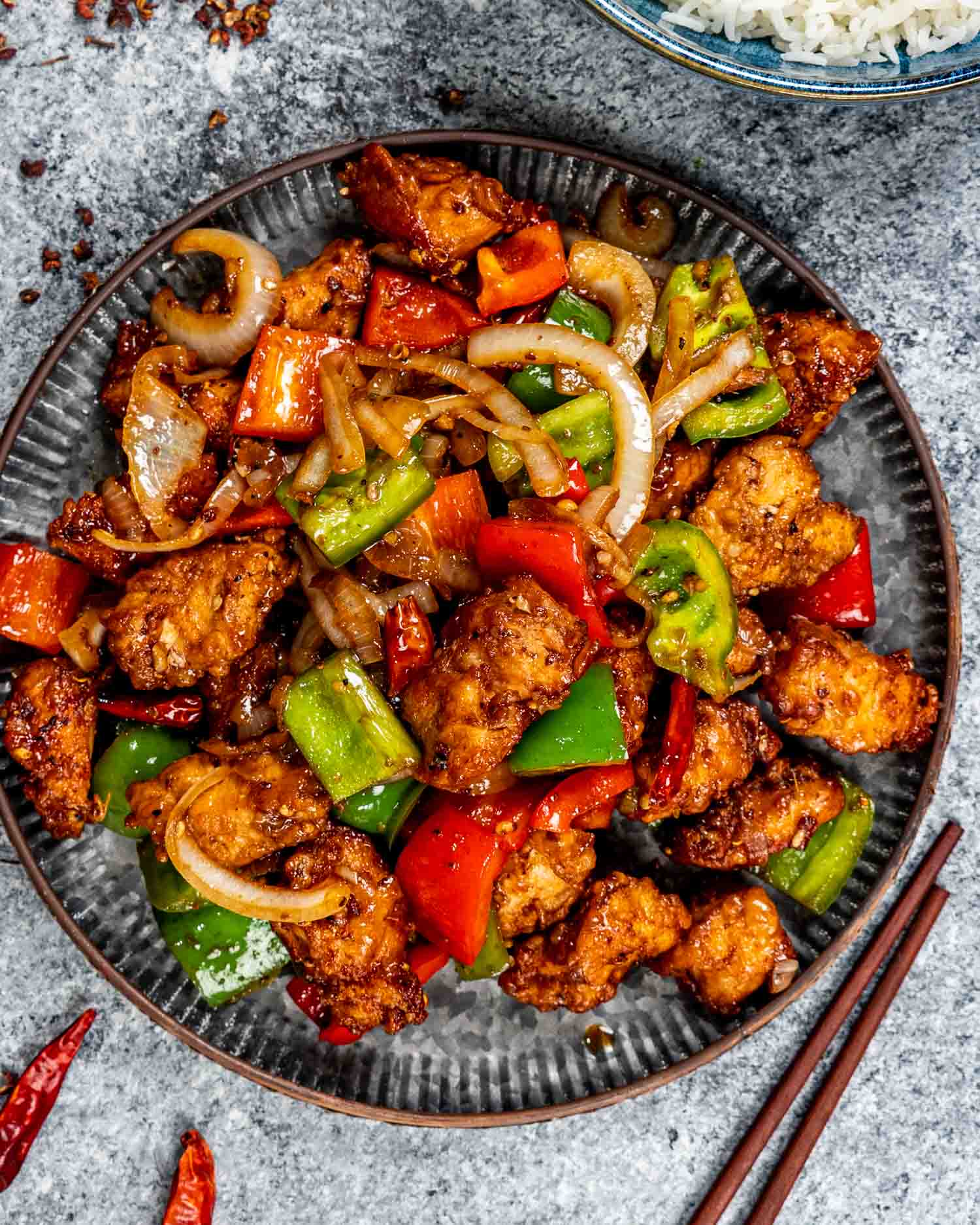
In the absence of traditional advertising campaigns, Szechuan dishes themselves serve as the most potent brand ambassadors. Each iconic dish is a carefully crafted “marketing tool” that embodies key brand attributes and provides a direct, immersive experience of the Szechuan identity. Mapo Tofu, for instance, isn’t just a dish; it’s a direct representation of ma la in a comforting, rich, and savory form. Kung Pao Chicken communicates the brand’s ability to balance sweetness, sourness, and spice with textural contrasts. Dan Dan Noodles offer a quick, flavorful introduction to the vibrant sauces and complex aromatics.
The distinctive names of these dishes, their visual appeal (often vibrant with chili oil, fresh herbs, and contrasting colors), and their memorable flavor profiles all contribute to a powerful form of experiential marketing. Consumers encounter the brand directly through these dishes, creating vivid memories and strong associations. This word-of-mouth promotion, driven by the unique and satisfying experience of eating Szechuan food, is incredibly effective. It builds a genuine connection with the consumer, fostering advocacy and loyalty organically. These “signature products” are instantly recognizable touchpoints that simplify the complex brand identity into digestible, delicious experiences.
Global Expansion and Brand Adaptation
The Szechuan brand’s successful global expansion is a testament to its adaptability and universal appeal. As Szechuan cuisine ventured beyond China’s borders, it faced the challenge of maintaining its core identity while appealing to new palates. This process required a nuanced approach to brand adaptation. In some markets, particularly in Western countries, the initial introduction might have involved tempering the extreme ma la or introducing dishes with milder spice levels to ease consumers into the experience. However, as global palates have become more adventurous, the demand for authentic, uncompromised Szechuan flavors has surged, leading to a “re-branding” towards authenticity.
Chefs and restaurateurs around the world play a critical role in promoting and evolving the Szechuan brand. From Michelin-starred establishments in major capitals to humble family-run eateries, each venue contributes to the brand’s global presence. Online culinary communities, food bloggers, and social media influencers also serve as powerful channels for brand communication, sharing experiences and driving curiosity. This global dialogue allows the Szechuan brand to remain dynamic, constantly re-evaluating its “market position” and finding new ways to connect with audiences while staying true to its essence. The brand’s ability to transcend cultural barriers without losing its soul speaks volumes about its inherent strength and broad appeal.
The Competitive Edge: Szechuan’s Position in the Culinary Market
In the highly competitive global culinary landscape, Szechuan cooking doesn’t just exist; it thrives. Its distinct brand identity provides it with a formidable competitive edge, ensuring its continued prominence and consumer loyalty.
Differentiation in a Crowded Landscape
The unique flavor profile of Szechuan cuisine, particularly the iconic ma la, serves as an unparalleled differentiator. In a world awash with generic “Chinese food” or other regional cuisines, Szechuan stands out with an assertive, distinctive personality. This strong differentiation allows it to avoid being commoditized. Consumers seeking the numbing, spicy thrill know exactly where to turn. This isn’t just about being different for difference’s sake; it’s about offering a genuinely unique sensory experience that cannot be replicated by other cuisines.
This clear distinction enables the Szechuan brand to carve out a significant market share based on specificity and quality. It attracts a dedicated segment of consumers who actively seek out its particular sensations, rather than simply settling for “something Asian.” This specialized appeal creates a loyal customer base and positions Szechuan cuisine as a destination experience rather than a mere option, giving it a strong competitive advantage in both local and international markets.
Building Brand Loyalty and Recognition
The intense and memorable experiences provided by Szechuan cooking are highly effective at building strong brand loyalty. Consumers who develop a taste for ma la often become fervent advocates, actively seeking out Szechuan restaurants and recommending them to others. This passion translates into repeat business and robust brand recognition. The consistent quality, adherence to core flavor principles, and the depth of its culinary offerings ensure that the brand experience remains satisfying and engaging over time.
Furthermore, the very intensity of Szechuan flavors creates a sense of community among its enthusiasts. Sharing a spicy, numbing meal becomes a bonding experience, further cementing brand affinity. As consumers continue to explore the nuances of Szechuan cuisine, they deepen their engagement with the brand, moving beyond initial curiosity to genuine connoisseurship. This sustained interest and unwavering loyalty are hallmarks of a truly successful brand, demonstrating Szechuan cooking’s powerful ability to connect with and retain its audience, securing its place as a beloved and enduring culinary powerhouse.

Conclusion
To ask “what is Szechuan cooking?” is to ask about the essence of a remarkable culinary brand. It is a brand meticulously crafted over centuries, defined by a fearless sensory identity centered on the captivating ma la experience and enriched by a complex tapestry of aromatic spices. Its brand story is one of deep heritage, rooted in the unique geography and culture of Sichuan, lending it an invaluable authenticity that resonates globally. Through its iconic dishes, Szechuan cuisine effectively communicates its brand attributes, serving as powerful experiential marketing tools that have propelled its global expansion.
In the fiercely competitive world of gastronomy, Szechuan cooking stands as a testament to the power of a distinct identity, strategic differentiation, and consistent delivery of a unique value proposition. Its enduring appeal, passionate following, and ability to adapt while preserving its soul cement its status as a dynamic and universally cherished culinary brand. Szechuan cooking, therefore, is not merely a collection of recipes; it is a global phenomenon, a masterclass in brand building, delighting palates and conquering markets one numbing, spicy, and utterly delicious dish at a time.
aViewFromTheCave is a participant in the Amazon Services LLC Associates Program, an affiliate advertising program designed to provide a means for sites to earn advertising fees by advertising and linking to Amazon.com. Amazon, the Amazon logo, AmazonSupply, and the AmazonSupply logo are trademarks of Amazon.com, Inc. or its affiliates. As an Amazon Associate we earn affiliate commissions from qualifying purchases.