
The pursuit of homeownership often culminates in a pivotal financial decision: securing a mortgage. Among the myriad options available, the 30-year fixed-rate mortgage stands out as a perennial favorite for its stability and predictability. However, understanding “what is the mortgage rate today for 30 years fixed” is a dynamic and often complex endeavor, requiring an awareness of prevailing economic winds, the intricate workings of the financial markets, and the specific nuances of your personal financial profile. Today’s rate is not merely a number; it’s a reflection of a broader economic landscape and a critical determinant of your long-term financial health as a homeowner.

For most prospective homebuyers, the 30-year fixed-rate mortgage is the benchmark against which all other financing options are measured. Its enduring appeal lies in the certainty it offers: an interest rate that remains constant for three decades, translating into predictable monthly payments. This stability is a powerful draw in an unpredictable world, allowing homeowners to budget with confidence, knowing their principal and interest payment won’t fluctuate regardless of market volatility. Yet, getting the “best” rate today is an art as much as a science, demanding an informed approach to market conditions and careful consideration of one’s own financial readiness.
Understanding the 30-Year Fixed Mortgage
The 30-year fixed-rate mortgage isn’t just a popular choice; it’s a foundational element of the American housing market. Its structure offers both simplicity and profound implications for a homeowner’s financial journey. Delving into its mechanics reveals why it has remained the go-to option for generations.
What Makes It So Popular?
The enduring popularity of the 30-year fixed mortgage can be attributed to several key advantages, primarily centered around financial predictability and security. First and foremost is the stability of payments. With a fixed interest rate, your monthly principal and interest payment remains the same for the entire life of the loan. This means you can budget effectively without the worry of sudden increases that could strain your finances. In an economy susceptible to inflation and interest rate hikes, this certainty provides immense peace of mind.
Secondly, the long repayment period of 30 years results in lower monthly payments compared to shorter-term mortgages, such as a 15-year fixed loan. This enhanced affordability allows more individuals and families to enter the housing market, as the monthly cost becomes more manageable within their budget. While a longer term means paying more interest over the life of the loan, the immediate benefit of lower payments often outweighs this for many buyers, especially first-timers or those seeking to maximize their disposable income. Finally, the simplicity of the fixed-rate product is appealing. Unlike adjustable-rate mortgages (ARMs) which have complex structures, interest rate caps, and adjustment periods, a fixed-rate mortgage is straightforward, making it easier for borrowers to understand and manage.
How Does a Fixed Rate Work?
At its core, a fixed-rate mortgage operates on a simple principle: the interest rate agreed upon at the time of closing remains unchanged for the entire duration of the loan. This means your interest rate today for a 30-year fixed mortgage will be the same 5, 10, or even 29 years down the line.
The repayment process for a 30-year fixed mortgage follows an amortization schedule. In the early years of the loan, a larger portion of your monthly payment goes towards paying off the interest, with a smaller portion reducing the principal balance. As the loan matures, this ratio gradually shifts, and more of your payment begins to chip away at the principal, leading to faster equity accumulation in the later stages. This structure ensures that by the end of the 30-year term, assuming all payments are made, the loan is fully repaid.
This contrasts sharply with adjustable-rate mortgages (ARMs), where the interest rate is fixed for an initial period (e.g., 3, 5, 7, or 10 years) and then adjusts periodically based on a predetermined index plus a margin. While ARMs can offer lower initial rates, they introduce payment uncertainty, a risk that many borrowers prefer to avoid, especially in a rising interest rate environment. The fixed-rate mortgage provides a clear financial roadmap from day one to the last payment.
Factors Influencing Today’s Mortgage Rates
Understanding what influences today’s 30-year fixed mortgage rate is crucial for any borrower. These rates are not arbitrary; they are the culmination of a complex interplay of macroeconomic forces, financial market dynamics, and individual borrower characteristics.
Economic Indicators
The health and direction of the broader economy play a pivotal role in shaping mortgage rates. Key economic indicators provide insights into inflation, growth, and the overall stability that lenders and investors consider when pricing mortgages.
-
Inflation: Perhaps the most significant driver, inflation erodes the purchasing power of money. Lenders charge higher interest rates to compensate for the anticipated loss in value of future repayments. When inflation is expected to rise, mortgage rates generally follow suit.
-
Federal Reserve Policy: While the Federal Reserve does not directly set mortgage rates, its actions profoundly influence them. The Fed’s decisions on the Federal Funds Rate (the overnight lending rate between banks) and its approach to quantitative easing or tightening (buying or selling Treasury bonds and mortgage-backed securities) impact the broader interest rate environment, including the rates on 10-year Treasury notes, which serve as a benchmark for long-term fixed mortgages. When the Fed raises rates or tightens monetary policy, mortgage rates typically trend upward.
-
Economic Growth: A strong economy, characterized by robust GDP growth and high consumer confidence, can signal inflationary pressures, potentially pushing rates higher. Conversely, signs of economic slowdown might lead to lower rates as investors seek safer assets and the Fed considers easing policies.
-
Employment Data: Low unemployment rates and strong wage growth are indicators of a healthy economy, which can contribute to inflationary expectations and, consequently, higher mortgage rates. Conversely, a weakening job market may signal economic contraction, which could lead to lower rates.
Bond Market Dynamics
Mortgage rates are inextricably linked to the bond market, particularly the market for mortgage-backed securities (MBS) and the 10-year Treasury yield.
-
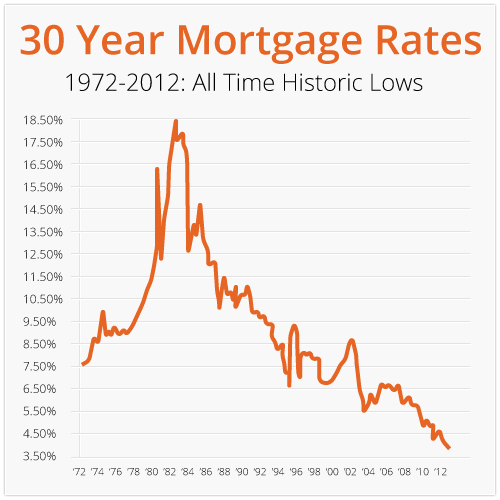
The 10-Year Treasury Yield: This yield is often considered a bellwether for long-term interest rates, including mortgage rates. When the yield on the 10-year Treasury rises, mortgage rates tend to follow. This is because MBS compete with Treasury bonds for investor attention; if Treasury yields are high, MBS must offer competitive yields to attract investors, which translates to higher mortgage rates for borrowers.
-
Mortgage-Backed Securities (MBS): These are investment instruments created by bundling thousands of individual home loans together. Investors who buy MBS are essentially buying the right to receive future mortgage payments. The demand for and pricing of MBS directly impact the rates lenders can offer. High demand for MBS, driven by a desire for yield or perceived safety, can push rates down, while low demand can drive them up.
-
Investor Demand: Global and domestic investor sentiment towards fixed-income assets, including MBS, plays a role. Factors such as geopolitical events, shifts in investment strategies, and the performance of other asset classes can influence this demand, thereby impacting mortgage rates.
Lender-Specific Factors and Borrower Profile
Beyond the broader economic and market forces, the specific rate you receive today for a 30-year fixed mortgage is also influenced by the individual lender and your personal financial standing.
-
Lender’s Profit Margins and Operational Costs: Each lender has its own cost structure, target profit margins, and risk appetite. These internal factors contribute to the rates they quote, which is why rates can vary from one institution to another on the same day.
-
Borrower’s Credit Score: A strong credit score (typically 740 or higher) indicates a low credit risk to lenders, making you eligible for the most competitive rates. Lower scores suggest higher risk, leading to higher interest rates to compensate the lender for that perceived risk.
-
Debt-to-Income (DTI) Ratio: This ratio compares your total monthly debt payments to your gross monthly income. A lower DTI (generally below 43%) indicates you have more disposable income to manage your mortgage payments, making you a more attractive borrower and potentially qualifying you for better rates.
-
Down Payment Size and Loan-to-Value (LTV) Ratio: A larger down payment reduces the loan amount and lowers your loan-to-value (LTV) ratio, which is the amount borrowed relative to the home’s appraised value. A lower LTV signifies less risk for the lender, often resulting in a better interest rate.
-
Loan Type: While the focus is on conventional 30-year fixed mortgages, government-backed loans like FHA, VA, and USDA loans have their own specific rate structures and eligibility requirements, which can differ from conventional loans.
How to Find the Best Mortgage Rate Today
Navigating the mortgage market can be daunting, but with a strategic approach, borrowers can significantly improve their chances of securing the most favorable 30-year fixed rate available today.
Monitoring the Market
Staying informed about market trends is paramount. Mortgage rates are not static; they fluctuate daily, sometimes even hourly, in response to economic news and bond market movements.
-
Daily Rate Updates: Utilize financial news outlets, reputable mortgage rate comparison websites, and lender publications that provide daily updates on average mortgage rates. These can serve as a baseline for what to expect.
-
Using Rate Tracking Tools: Many online platforms offer tools that allow you to track rate movements and set up alerts for when rates hit a desired threshold. This passive monitoring can save time and ensure you don’t miss an opportune moment.
-
Understanding Rate Locks: Once you receive a favorable rate quote, you’ll have the option to “lock” that rate for a certain period (e.g., 30, 45, or 60 days) while your loan application is processed. Understanding when to lock is critical. If rates are trending downward, you might consider floating your rate for a bit, but if they are rising, a lock provides protection against further increases.
Shopping Around for Lenders
This is arguably the most impactful step a borrower can take. Do not settle for the first quote you receive.
-
Comparing Offers from Multiple Lenders: Contact a variety of financial institutions, including large national banks, smaller community banks, credit unions, and independent mortgage brokers. Each may offer slightly different rates and closing costs, even on the same day. Aim to get at least three to five quotes.
-
Understanding APR vs. Interest Rate: When comparing offers, pay attention to both the nominal interest rate and the Annual Percentage Rate (APR). The interest rate is what you pay on the principal. The APR, however, represents the total cost of the loan, including the interest rate plus most closing costs and fees, expressed as an annual percentage. Comparing APRs gives a more accurate picture of the true cost of each loan.
-
Considering Closing Costs: While a low interest rate is attractive, sometimes it comes with higher closing costs (origination fees, appraisal fees, title insurance, etc.). Evaluate the total cost of the loan over time, factoring in both the rate and the upfront expenses. A slightly higher rate with significantly lower closing costs might be a better deal in the long run, or vice-versa, depending on how long you plan to stay in the home.
Improving Your Borrower Profile
Your personal financial health directly impacts the rates lenders are willing to offer. Proactive steps to strengthen your profile can lead to significant savings.
-
Boosting Credit Score: Pay bills on time, reduce credit card balances, avoid opening new lines of credit, and check your credit report for errors. A higher credit score signals lower risk to lenders.
-
Reducing Debt: Lowering your debt-to-income (DTI) ratio makes you a more attractive borrower. Pay down high-interest debts, especially credit cards and personal loans, before applying for a mortgage.
-
Saving for a Larger Down Payment: A substantial down payment (ideally 20% or more) reduces your loan-to-value (LTV) ratio, often resulting in a lower interest rate and potentially eliminating the need for private mortgage insurance (PMI).
The Long-Term Impact of Mortgage Rates
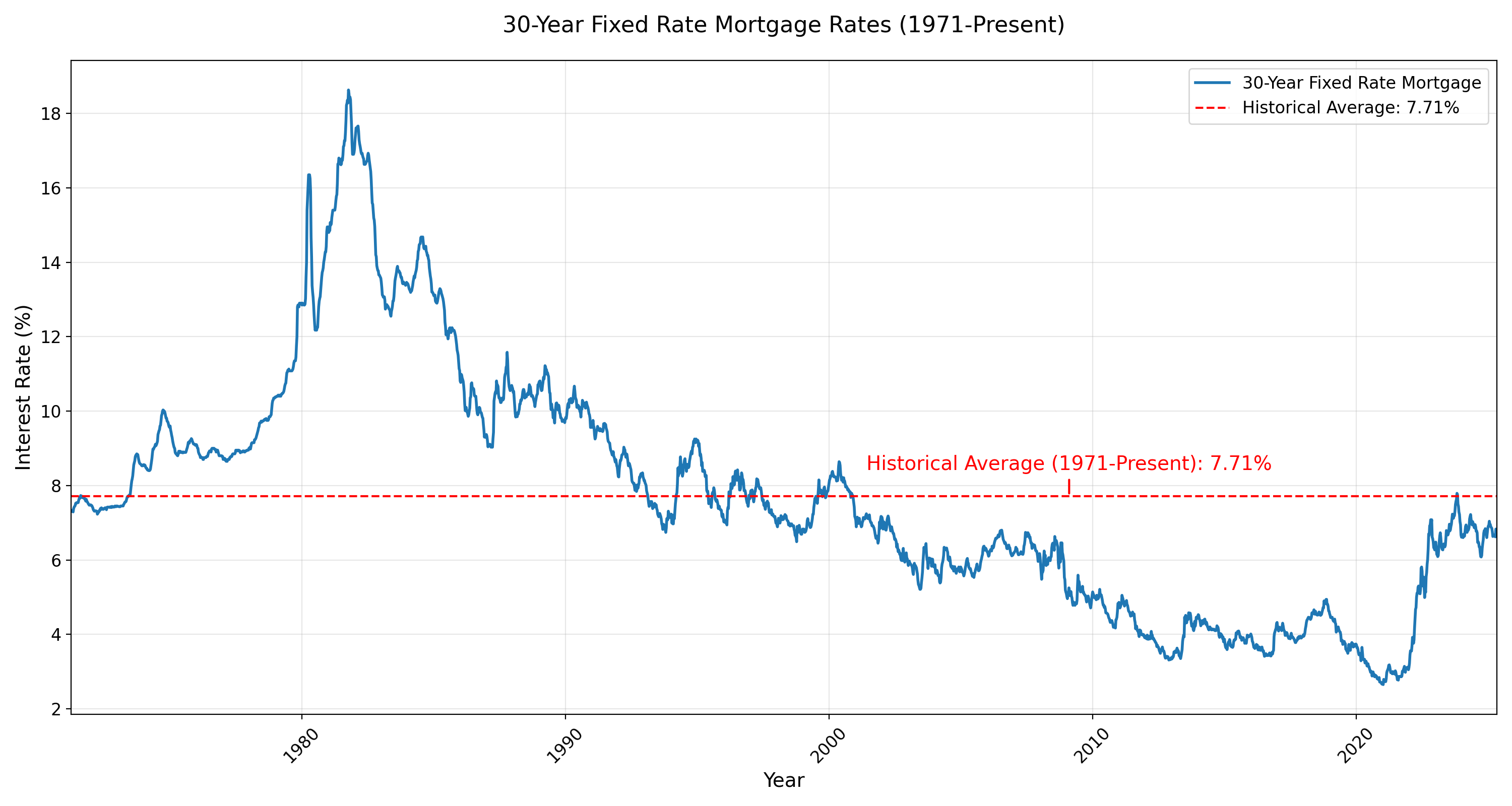
While the immediate concern is “what is mortgage rate today,” understanding the long-term implications of that rate is critical for truly grasping its financial weight. A small difference in today’s rate can translate into tens of thousands of dollars over 30 years.
Monthly Payment and Affordability
The interest rate directly dictates your monthly principal and interest payment. Even a fractional difference can have a substantial impact on your budget. For instance, on a $300,000 loan, a difference of just 0.5% in the interest rate could alter your monthly payment by over $80. Over 30 years, this seemingly small amount compounds significantly, affecting your overall housing affordability and how much discretionary income you have each month. Higher rates mean higher payments, potentially limiting how much home you can afford or requiring you to allocate a larger portion of your income to housing.
Total Cost of the Loan
The most profound long-term impact is on the total amount of interest paid over the life of the loan. A 30-year fixed mortgage, by its nature, accrues a significant amount of interest. A higher interest rate means a much larger sum of money going to the lender over three decades. For example, on that same $300,000 loan, a 0.5% rate difference could lead to paying an additional $30,000 to $40,000 in interest over 30 years. This directly affects your equity building, as more of your early payments go towards interest rather than reducing the principal. Conversely, a lower rate accelerates your equity accumulation and reduces the overall cost of homeownership. This also impacts your potential for refinancing; if rates drop significantly after you’ve secured your mortgage, refinancing to a lower rate can save you considerable money and shorten the loan term.
Strategic Considerations
The prevailing mortgage rate today can also inform broader financial and lifestyle decisions.
-
When to Buy: High-interest rate environments might prompt some buyers to delay their purchase, waiting for rates to fall, or to consider buying a less expensive home. Conversely, historically low rates often spur increased buyer demand.
-
When to Refinance: Existing homeowners constantly monitor today’s rates. If current rates are significantly lower than their existing mortgage rate, refinancing can be a smart move to reduce monthly payments, decrease the total interest paid, or even shorten the loan term.
-
Impact on Personal Wealth Building: Your mortgage rate is a key component of your personal financial strategy. A lower rate frees up capital that can be directed towards other wealth-building activities, such as investments, retirement savings, or paying down other debts. It helps keep your housing costs predictable, which is foundational to sound financial planning. Understanding and optimizing your mortgage rate today is thus not just about buying a house, but about securing a stronger financial future.
In conclusion, the answer to “what is mortgage rate today for 30 years fixed” is multifaceted and requires ongoing vigilance. It’s a number shaped by global economic trends, the intricate dance of the bond market, and the strength of your personal financial narrative. For prospective homeowners, diligence in monitoring the market, aggressive rate shopping, and proactive improvement of one’s borrower profile are not just recommendations but necessities. Securing the optimal rate today means laying a robust financial foundation for the next three decades, ensuring not just a home, but enduring financial peace of mind and opportunity. Engage with multiple lenders, ask informed questions, and ensure you’re making a decision that will serve your financial goals for the long haul.
aViewFromTheCave is a participant in the Amazon Services LLC Associates Program, an affiliate advertising program designed to provide a means for sites to earn advertising fees by advertising and linking to Amazon.com. Amazon, the Amazon logo, AmazonSupply, and the AmazonSupply logo are trademarks of Amazon.com, Inc. or its affiliates. As an Amazon Associate we earn affiliate commissions from qualifying purchases.