
The image of a farmer diligently working the land, sun on their brow and soil on their hands, is deeply ingrained in our collective consciousness. Yet, beneath this traditional façade, agriculture is undergoing a profound transformation. This evolution isn’t just about bigger tractors or improved seed varieties; it’s about the intelligent integration of technology, strategic planning, and a sharp focus on financial viability. This is the essence of smart farming, a paradigm shift that is redefining how we produce food for a growing global population.
Smart farming, often referred to as precision agriculture or digital agriculture, leverages cutting-edge technologies to optimize every aspect of the farming process. It moves away from generalized, one-size-fits-all approaches and embraces data-driven decision-making. From the moment a seed is sown to the final harvest and sale, smart farming aims to increase efficiency, enhance crop yields, reduce resource waste, and ultimately, improve the profitability of agricultural operations. This isn’t a distant futuristic concept; it’s a rapidly evolving reality powered by advancements in the very domains that define modern enterprise: Tech, Brand, and Money.

The Technological Backbone of Smart Farming
At its core, smart farming is a testament to the power of technology to solve complex problems. The fields, once solely governed by the farmer’s intuition and experience, are now becoming intelligent ecosystems, brimming with data waiting to be harnessed. This technological infusion is not a single entity but a constellation of interconnected tools and systems that work in synergy.
Data Collection and Analysis: The Eyes and Brains of the Farm
The foundation of smart farming lies in its ability to gather vast amounts of data. This is achieved through a sophisticated array of sensors, drones, and other monitoring devices.
- Sensors: These are deployed across fields, within greenhouses, and even on livestock. Soil sensors measure moisture levels, nutrient content (like nitrogen, phosphorus, and potassium), pH, and temperature. Weather sensors provide real-time data on rainfall, humidity, wind speed, and solar radiation. Plant sensors can even monitor chlorophyll levels and detect early signs of disease or stress.
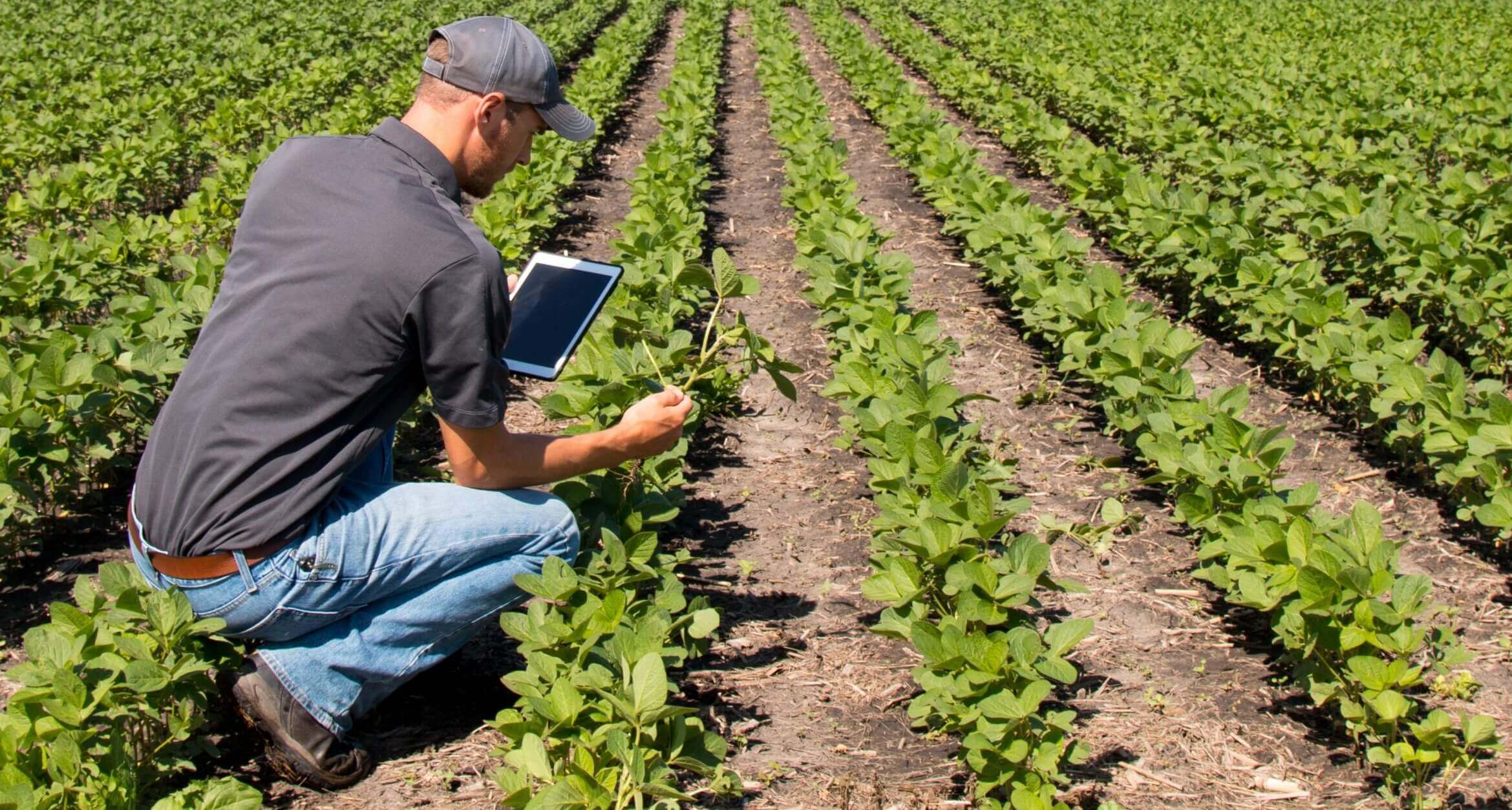
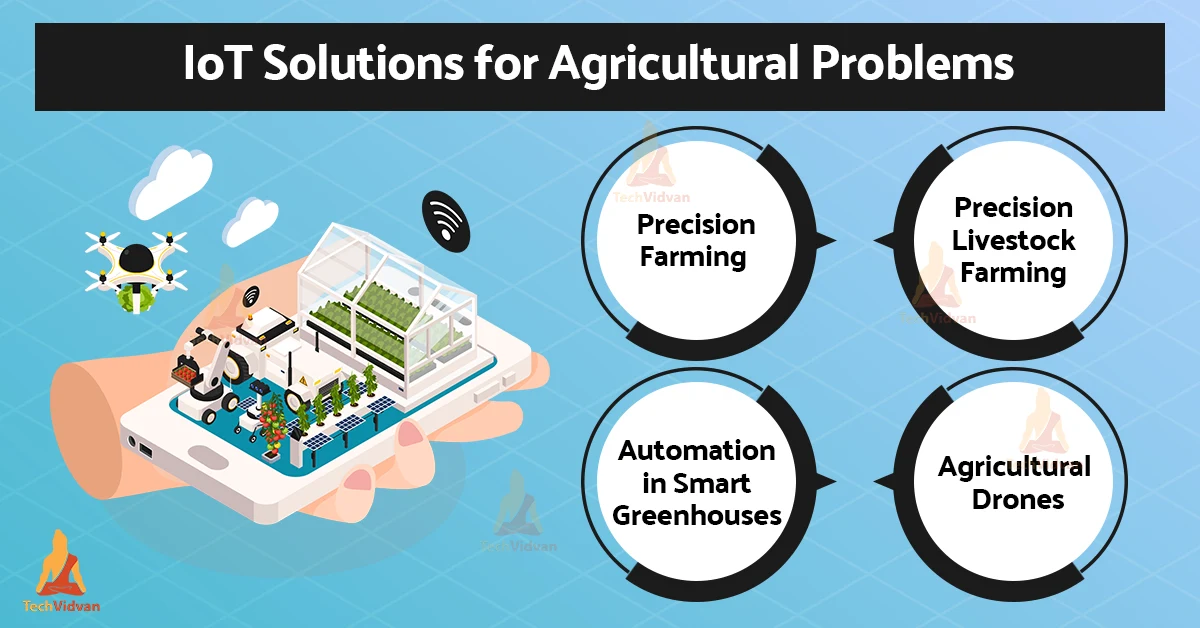
- Drones and Satellite Imagery: Equipped with high-resolution cameras and multispectral sensors, drones and satellites offer a bird’s-eye view of the farm. They can map field variability, identify areas with stunted growth, detect pest infestations, and assess crop health with remarkable accuracy. This imagery allows farmers to pinpoint specific zones that require attention, rather than treating the entire field uniformly.
- IoT Devices: The Internet of Things (IoT) connects these sensors and devices to the internet, enabling continuous data streams. From smart irrigation systems that adjust watering based on soil moisture to automated feeding systems for livestock, IoT empowers real-time control and remote monitoring.
Once this data is collected, it needs to be processed and analyzed to yield actionable insights. This is where software and Artificial Intelligence (AI) tools come into play.
- Farm Management Software (FMS): These comprehensive platforms act as the central hub for all farm data. They integrate information from sensors, weather stations, machinery, and even financial records. FMS helps in planning crop rotations, managing inventory, tracking expenses, and generating reports on farm performance.
- AI and Machine Learning: AI algorithms can analyze the complex datasets generated by sensors and imagery to identify patterns, predict outcomes, and provide recommendations. For example, AI can predict optimal planting and harvesting times, forecast potential disease outbreaks, or recommend specific fertilizer applications based on soil conditions and crop needs. Machine learning models can continuously learn and improve their predictions over time, making the farm more responsive and efficient.
- Apps and Gadgets: The proliferation of user-friendly mobile apps and specialized gadgets further democratizes smart farming. Farmers can access real-time data, receive alerts, and control farm equipment from their smartphones or tablets, regardless of their location. These tools can range from simple weather apps to sophisticated platforms that integrate with farm machinery.
Automation and Robotics: The Hands and Muscles of the Farm
Beyond data, smart farming also embraces automation and robotics to perform tasks with greater precision, speed, and reduced labor.
- Automated Irrigation and Fertilization Systems: These systems, often integrated with soil moisture sensors and weather data, deliver water and nutrients precisely where and when they are needed. This minimizes water wastage, reduces fertilizer runoff, and ensures crops receive optimal nourishment.
- Robotic Harvesters and Weeders: Autonomous robots are being developed to perform labor-intensive tasks like harvesting delicate fruits or selectively removing weeds. These machines can operate 24/7 with consistent accuracy, alleviating labor shortages and reducing the need for chemical herbicides.
- Autonomous Tractors and Machinery: Self-driving tractors can plant seeds, till fields, and apply treatments with centimeter-level precision, guided by GPS and sensor data. This ensures optimal spacing, depth, and application rates, leading to more uniform crop growth and reduced fuel consumption.
Strategic Integration: Building a Smart Farming Brand
While technology provides the tools, the success of smart farming is inextricably linked to a strategic approach, particularly in building a robust Brand. In today’s competitive agricultural landscape, simply producing food is no longer enough. Farmers and agricultural businesses must cultivate a distinct identity and communicate their value proposition effectively.
Redefining Brand Strategy in Agriculture
Smart farming offers a unique opportunity for agricultural brands to differentiate themselves. The adoption of technology, the commitment to sustainability, and the focus on quality can all become core pillars of a compelling brand identity.
- From Commodity to Value-Added: Traditionally, many agricultural products have been treated as commodities. Smart farming allows producers to move towards value-added products by emphasizing traceability, sustainability, and specific quality attributes. A farm that uses AI to optimize nutrient delivery and minimize pesticide use can brand itself as a producer of healthier, more environmentally friendly food.
- Transparency and Traceability: Consumers are increasingly demanding to know where their food comes from and how it’s produced. Smart farming technologies, such as blockchain and integrated data platforms, can provide unprecedented levels of transparency, allowing consumers to trace a product from farm to fork. This transparency builds trust and strengthens the brand.
- Sustainability as a Brand Pillar: Smart farming’s inherent focus on resource efficiency – water, energy, and reduced chemical inputs – is a powerful sustainability message. Brands can effectively communicate their environmental stewardship, appealing to a growing segment of conscious consumers. This can be showcased through certifications, transparent reporting, and compelling storytelling about their eco-friendly practices.
Personal and Corporate Branding in the Smart Farming Ecosystem
The concept of branding extends to both individual farmers and larger agricultural corporations.
- Personal Branding for Farmers: For individual farmers, smart farming can enhance their reputation as innovative and forward-thinking producers. By sharing their adoption of technology and their data-driven approaches through social media, agricultural expos, or direct-to-consumer channels, they can build a personal brand that commands respect and trust. This can open doors to new markets and partnerships.
- Corporate Identity and Reputation: For larger agricultural companies, smart farming presents an opportunity to solidify their corporate identity as leaders in agricultural innovation. Demonstrating a commitment to research and development in smart farming technologies, showcasing successful case studies of technology adoption, and investing in sustainable practices all contribute to a positive corporate reputation. This can attract investors, talent, and discerning customers.
- Marketing and Design in a Digital Age: The marketing of agricultural products and services is also evolving. Digital marketing strategies, leveraging social media, content marketing, and targeted advertising, are essential. The design of packaging, websites, and marketing materials must reflect the modern, tech-savvy image that smart farming cultivates, communicating both quality and innovation.
The Financial Imperative: Monetizing Smart Farming
Ultimately, the adoption of smart farming is driven by its potential to generate Money – both for individual farmers and for the broader agricultural economy. This transition requires a keen understanding of financial planning, investment, and revenue generation.
Optimizing Profitability Through Smart Operations
Smart farming isn’t just about spending money on technology; it’s about strategically investing to achieve a higher return.
- Increased Yields and Reduced Losses: By optimizing planting, fertilization, and pest management, smart farming significantly boosts crop yields. Precision application of resources minimizes waste, and early detection of diseases and pests reduces crop losses. These combined factors directly translate into higher revenue.
- Reduced Input Costs: Smart irrigation systems conserve water, while precision application of fertilizers and pesticides reduces the quantity of these expensive inputs required. Automation can also reduce labor costs, which are a significant expense in agriculture. These savings directly improve profit margins.
- Improved Resource Management: Detailed data on resource usage allows for more efficient allocation of water, energy, and labor. This not only saves money but also contributes to the sustainability of the operation.
Investing in the Future of Farming
Embracing smart farming requires investment, but these investments are increasingly being supported by a variety of financial tools and strategies.
- Financial Tools for Farmers: A range of financial tools are available to help farmers invest in smart farming technologies. This includes agricultural loans, government grants and subsidies specifically for technology adoption, and leasing options for expensive equipment. FinTech solutions are also emerging to offer more flexible financing for agricultural investments.
- Online Income and Diversification: Smart farming can open up new avenues for online income. For example, farmers can sell premium products directly to consumers online, or offer data insights and consulting services to other farms. Diversifying revenue streams through agritourism, value-added processing, or even selling excess renewable energy generated on the farm can further boost financial resilience.
- Business Finance and Investment: For larger agricultural businesses, smart farming represents a significant opportunity for growth and investor attraction. Demonstrating a clear strategy for technological integration and its impact on profitability can attract venture capital, angel investors, and traditional business loans. Developing robust business plans that highlight the ROI of smart farming investments is crucial for securing funding.
- The Role of Data Monetization: In some advanced smart farming models, the anonymized and aggregated data collected from farms can itself become a valuable asset, potentially leading to revenue streams through data licensing or partnerships with research institutions and agricultural input providers.
Conclusion: A Smarter Future for Food Production
Smart farming is more than just a buzzword; it’s a fundamental shift in how we approach food production. By seamlessly integrating advanced Tech with astute Brand strategies and sound Money management, it promises a future where agriculture is more efficient, sustainable, and profitable. It’s a future where farmers are not just stewards of the land, but also data scientists, strategists, and savvy entrepreneurs. As the world’s population continues to grow, the intelligence and innovation embedded in smart farming will be crucial in ensuring food security and building a resilient, thriving agricultural sector for generations to come.
aViewFromTheCave is a participant in the Amazon Services LLC Associates Program, an affiliate advertising program designed to provide a means for sites to earn advertising fees by advertising and linking to Amazon.com. Amazon, the Amazon logo, AmazonSupply, and the AmazonSupply logo are trademarks of Amazon.com, Inc. or its affiliates. As an Amazon Associate we earn affiliate commissions from qualifying purchases.