
In the history of the creator economy, few figures have experienced a rise as meteoric—or a transition as complex—as the individual known as Dream. Once the undisputed king of YouTube’s “faceless” era, Dream (Clay) became more than just a gamer; he became a global brand identity, a symbol of community-driven growth, and a case study in the power of digital mystery. However, as the digital landscape shifted and the veil of anonymity was lifted, the “Dream” brand underwent a radical transformation.
To understand what happened to Dream, one must look past the gameplay and examine the sophisticated branding strategies, the management of parasocial relationships, and the eventual challenges of transitioning a digital avatar into a physical human being.
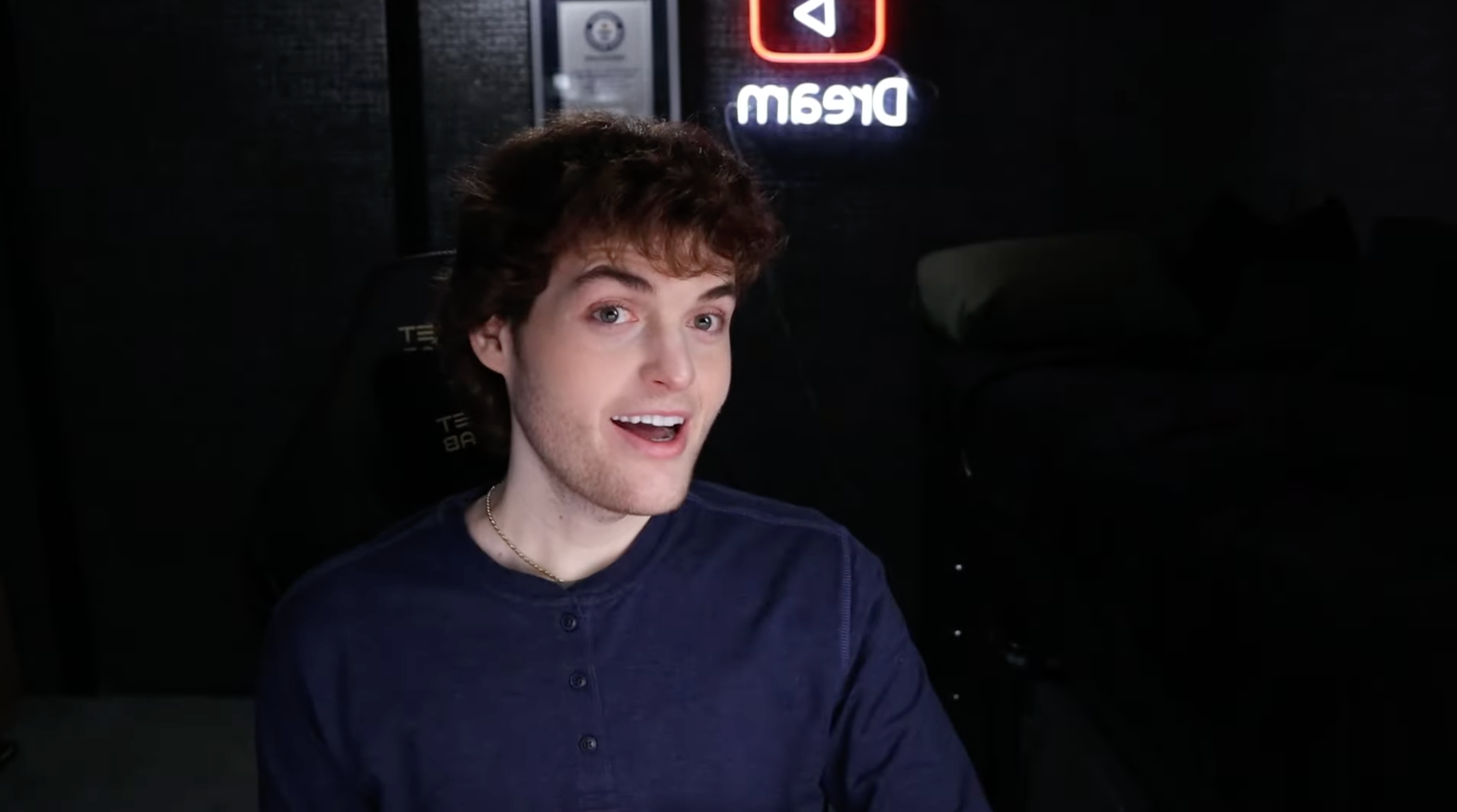
The Architecture of an Anonymous Icon: Building Brand Equity Behind a Mask
The initial success of the Dream brand was not an accident of the YouTube algorithm; it was a masterclass in minimalist branding and community architecture. At a time when the platform was saturated with high-production vlogs and personality-driven content, Dream pivoted toward a “less is more” aesthetic that turned a simple doodle into a multi-million dollar logo.
The Power of Mystery in the Creator Economy
From a brand strategy perspective, Dream’s greatest asset was his anonymity. By utilizing a simple, green-and-white smiley face icon, he allowed his audience to project their own expectations and ideals onto his persona. In marketing, this is known as “brand blank-slating.” Because the audience didn’t know what he looked like, they focused entirely on the narrative of his “Manhunt” series and his charismatic voice.
Anonymity acted as a unique selling proposition (USP). It created an “aura of the unknown” that generated constant engagement. Fans weren’t just watching a Minecraft player; they were participating in a mystery. This scarcity of personal information drove up his brand value, making every “clue” or personal detail a high-value commodity in the digital marketplace.
Leveraging the “Dream SMP” as a Brand Ecosystem
Dream did not build his brand in a vacuum. He created a platform—the Dream SMP (Survival Multi-Player) server—which functioned as a brand incubator. By inviting other creators into a shared narrative, he established a decentralized content network.
This ecosystem was a brilliant corporate strategy. It ensured that even when Dream wasn’t uploading, his brand remained relevant through the streams of his collaborators. The “Dream SMP” became a sub-brand that transcended the individual, creating a loyal community that felt more like a fandom for a television show than a following for a YouTuber. This collective brand identity helped insulate him from the typical burnout associated with solo content creation.
The Pivot Point: The Strategy and Fallout of the Face Reveal
In October 2022, the Dream brand reached its most significant inflection point: the face reveal. For years, the anticipation of seeing the man behind the mask had been the primary engine driving his engagement metrics. However, from a brand management standpoint, this was a high-risk maneuver that would fundamentally change the product.
Managing the Transition from Avatar to Individual
The face reveal was a global event, garnering millions of concurrent viewers. From a marketing perspective, the buildup was flawless. Dream utilized “hype marketing” by facetiming other famous creators and recording their reactions, effectively using their established brands to validate his own.
However, once the mask came off, the “mystery” USP vanished instantly. Dream ceased to be a symbol and became a person. In branding, transitioning from a conceptual identity to a physical one often leads to “brand dilution.” The audience’s imagination was replaced by reality, and for a segment of the internet, reality could not compete with years of built-up expectation.
The Parasocial Paradox: When Reality Clashes with Imagination
The fallout of the face reveal highlighted a phenomenon known as the parasocial paradox. Many followers had developed an intense emotional connection to the idea of Dream. When the physical reality of the creator didn’t match the “headcanon” of the fanbase, the brand experienced a significant backlash.
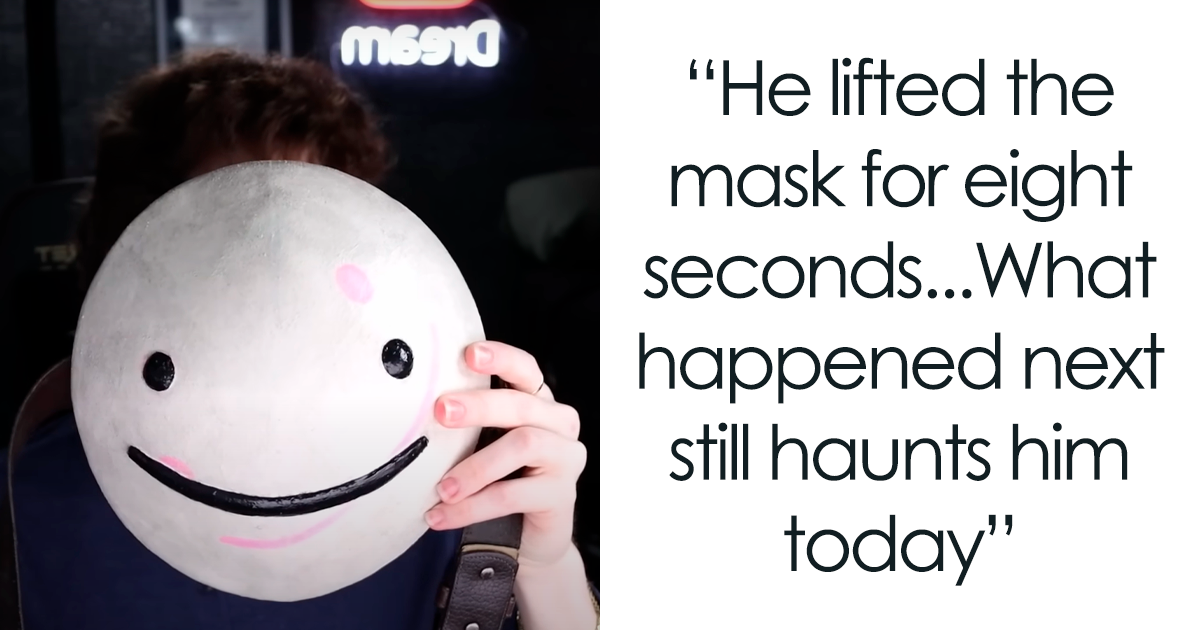
The shift in brand perception was immediate. Dream moved from being an untouchable, god-like figure in the gaming world to a vulnerable individual subject to the harsh aesthetics-based criticism of the internet. This transition underscores a vital lesson in personal branding: the more you lean into mystery as a brand pillar, the more difficult it becomes to pivot toward transparency.
Crisis Management and Brand Resilience
Beyond the face reveal, the “What Happened to Dream” narrative is inextricably linked to how the brand handled significant controversies, including speedrunning allegations and broader social critiques. These moments tested the brand’s crisis management capabilities and its ability to maintain a loyal core while facing external pressure.
Navigating Controversy in the Digital Spotlight
In 2020, Dream faced allegations regarding the legitimacy of his Minecraft speedruns. From a brand integrity standpoint, this was a critical blow. For a brand built on being “the best” at a specific skill, accusations of cheating strike at the very foundation of the product’s promise.
The Dream brand’s response was a mix of initial defensiveness followed by an eventual admission of an “accidental” modification. This period of the brand’s history serves as a case study in reputational risk. While his core fanbase remained largely intact, the brand’s “prestige” within the wider gaming industry was damaged. The lesson here for personal brands is the importance of transparency and the speed of response; delayed or convoluted explanations can alienate the casual audience even if the hardcore fans remain.
Rebuilding Trust with a Fragmented Audience
To combat the negative press and the post-face-reveal dip in engagement, Dream pivoted toward humanizing the brand. He began appearing in person at conventions, participating in “real-life” (IRL) content with the “misfits” and other creator groups, and leaning into his identity as a musician.
This diversification was a strategic attempt to move the brand away from “Minecraft Cheater” or “Faceless YouTuber” toward “Multifaceted Entertainer.” By expanding the brand’s portfolio—merchandise, music, and live events—Dream attempted to create new touchpoints for his audience that didn’t rely solely on the old “mystery” model.
The Future of the Dream Brand: Lessons for Modern Marketers
As of today, the Dream brand is in a state of recalibration. The hyper-growth phase of 2020–2021 has cooled, replaced by the more difficult work of brand sustainability in a post-peak environment.
Diversification and Content Evolution
The current strategy for the Dream brand appears to be long-term diversification. By moving into music and high-budget physical productions, he is attempting to follow the “MrBeast model” of creator evolution—transitioning from a personality who plays games to a creator who produces large-scale entertainment experiences.
For marketers, this illustrates the “Creator Lifecycle.” A brand cannot stay in the growth phase forever; it must eventually move into the “Authority” or “Legacy” phase. Dream is currently navigating the “Legacy” transition, trying to ensure that his name carries weight even if he never records another Minecraft Manhunt again.
The Sustainability of the “Faceless” Business Model
The story of Dream serves as a cautionary yet aspirational tale for the “faceless” content creator movement. It proves that you can reach the absolute pinnacle of digital influence without ever showing your face, but it also reveals the ceiling of that model.
Ultimately, a brand is a promise of consistency. When Dream changed the fundamental “visual identity” of his brand (his face), he broke the consistency his audience had grown accustomed to. The takeaway for personal brand strategists is clear: if you build your brand on a gimmick or a secret, you must have a robust plan for what happens when the secret is out.

Conclusion: The New Era of Dream
So, what happened to Dream? He evolved. The brand moved from a viral explosion fueled by mystery to a mature personal brand navigating the complexities of fame, controversy, and physical presence. While his “numbers” may not reflect the unprecedented peaks of the pandemic era, the brand remains a powerhouse in terms of merchandise sales and community influence.
Dream’s journey provides a blueprint for the modern era of personal branding. It shows that while the YouTube algorithm can build a brand, only careful strategy, crisis management, and constant evolution can sustain it. The “Dream” brand is no longer just a smiley face on a green background; it is a complex, living entity that continues to redefine what it means to be a celebrity in the 21st century.
aViewFromTheCave is a participant in the Amazon Services LLC Associates Program, an affiliate advertising program designed to provide a means for sites to earn advertising fees by advertising and linking to Amazon.com. Amazon, the Amazon logo, AmazonSupply, and the AmazonSupply logo are trademarks of Amazon.com, Inc. or its affiliates. As an Amazon Associate we earn affiliate commissions from qualifying purchases.