
In the modern digital economy, the smartphone has transitioned from a mere communication device into a portable storefront, a freelance office, and a data-driven revenue generator. The quest to identify what apps pay real money is no longer a fringe pursuit for the tech-savvy; it has become a legitimate component of financial planning for millions of people worldwide. Whether you are looking to supplement a full-time salary, save for a specific goal, or build a diversified portfolio of passive income streams, the “app economy” offers a plethora of verified opportunities.

However, the landscape is diverse, ranging from micro-tasking platforms that pay in cents to professional marketplaces where experts command hundreds of dollars per hour. Understanding the mechanics of these platforms is essential for maximizing your return on time (ROT). This guide explores the most reputable categories of apps that pay real money, analyzing their earning potential and how to integrate them into your personal finance strategy.
1. The On-Demand Gig Economy: Trading Labor for Liquid Cash
The most direct way to earn real money via mobile applications is through the gig economy. These apps act as intermediaries between service providers and consumers, allowing individuals to monetize their time, vehicles, or physical labor.
Delivery and Transportation Services
The most established giants in this sector are Uber, Lyft, DoorDash, and Instacart. These apps pay real money for transporting passengers or delivering groceries and restaurant orders. From a financial perspective, these are “active income” apps. Your earnings are directly proportional to the hours you log and the efficiency of your routes. Successful users often treat this as a small business, tracking expenses like fuel, vehicle depreciation, and insurance to ensure their net profit remains high.
Task-Based Manual Labor
Apps like TaskRabbit and Handy connect users with people in their local area who need help with furniture assembly, cleaning, moving, or minor home repairs. Unlike micro-task apps, these platforms allow for significant hourly rates. For those with specialized skills—such as plumbing or electrical work—these apps serve as a powerful lead-generation tool that bypasses traditional marketing costs.
Mystery Shopping and Local Audits
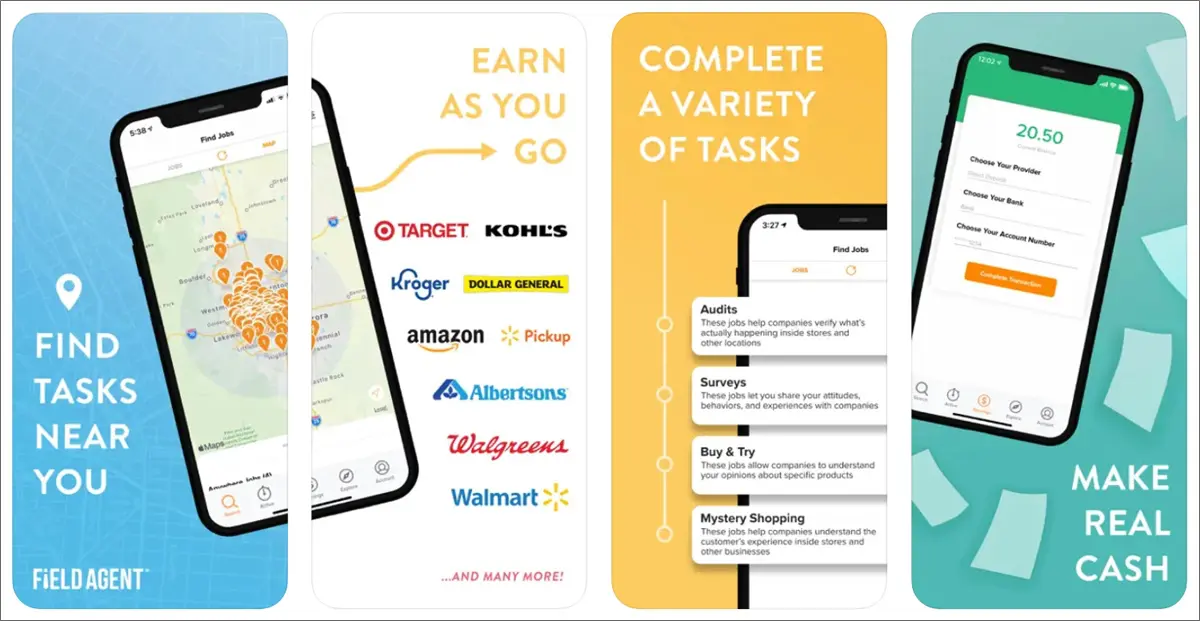
Field Agent and Premise are apps that pay users to complete small tasks in their local communities. This might involve taking a photo of a product display at a grocery store, verifying the price of an item, or checking the availability of a specific brand. These apps pay in real cash, usually via PayPal, and are ideal for individuals who are already out running errands.
2. Cashback and Rewards: Monetizing Your Everyday Spending
While some apps require you to work, others pay you for the spending you are already doing. In the world of personal finance, saving money is effectively the same as earning it, especially when that “saving” comes back to you in the form of liquid cash.
Retail Rebates and Affiliate Sharing
Apps like Rakuten and Ibotta have revolutionized the concept of the coupon. Rakuten operates on an affiliate marketing model: when you shop through their app, the retailer pays Rakuten a commission, and Rakuten shares a portion of that commission with you. This is “real money” that can be deposited directly into a bank account or sent via a “Big Fat Check.” Ibotta focuses more on groceries, allowing users to scan receipts or link loyalty cards to earn cash back on specific brand purchases.
Receipt Scanning and Data Aggregation
Fetch Rewards and Receipt Hog take a slightly different approach. They are less focused on specific rebates and more interested in your overall consumer behavior. By scanning any grocery or retail receipt, you provide data to market research firms. In exchange, you earn points that can be converted into cash-cards or direct deposits. While the per-receipt payout is low, the cumulative effect over a year can result in hundreds of dollars in “found money.”
Passive Data Sharing
For those comfortable with sharing their digital habits, apps like Nielsen Computer & Mobile Panel pay users to keep the app running in the background. These apps collect anonymous data about internet usage to help companies understand digital trends. It is one of the truest forms of passive income, requiring zero effort after the initial setup.
3. Professional Freelancing and Creative Monetization
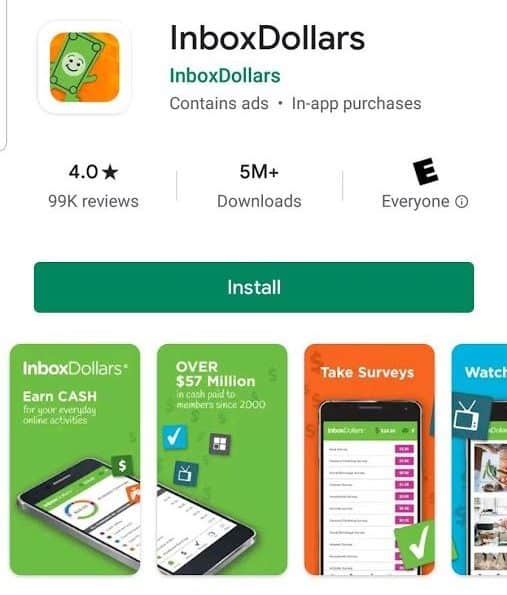
For those looking to earn more than just “pocket change,” the professional app sector offers a gateway to high-value digital labor. These apps connect skilled professionals with global clients, often facilitating long-term business relationships.
High-Value Service Marketplaces
Upwork and Fiverr are the titans of the freelance world. These apps pay real money for services ranging from graphic design and software development to legal consulting and voiceover work. The financial advantage here is the ability to set your own rates. Top-tier freelancers on these platforms can earn six-figure incomes entirely through the app’s ecosystem. The key to success is building a strong “social proof” profile through consistent, high-quality delivery and client reviews.
Content Creation and Social Monetization
While often categorized as “social media,” apps like TikTok, YouTube (via the Studio app), and even platforms like Medium have robust monetization programs. Through “Creator Funds,” ad-revenue sharing, and “tipping” features, content creators can earn substantial sums. However, this is a long-tail financial strategy; it requires significant time investment in audience building before the “real money” begins to flow consistently.
Language Tutoring and Education
Apps like Cambly and VIPKid allow fluent English speakers (and speakers of other languages) to get paid for video chatting with students globally. These platforms pay by the minute or the hour and provide a steady stream of income for those with teaching or communication skills. Because the work is performed entirely through the app, it offers a level of geographic and temporal flexibility that traditional jobs cannot match.
4. Market Research and Micro-Tasks: Monetizing Your Opinion
If you have spare minutes during a commute or while watching television, market research apps offer a way to turn that “dead time” into a revenue stream.
Survey Platforms
Survey Junkie, Swagbucks, and Google Opinion Rewards are among the most reputable names in this space. Companies are desperate for consumer insights and are willing to pay for your demographic information and opinions on products. While you won’t get rich answering surveys, these apps are highly accessible. The strategy here is “volume”; by participating in multiple surveys daily, the earnings can cover monthly subscriptions or small bills.
User Testing and Feedback
Apps like UserTesting pay you to interact with new websites or mobile apps while recording your screen and your voice. Developers want to see how a real user navigates their interface. These tests typically pay around $10 for a 20-minute session, making the hourly rate quite competitive compared to standard survey apps. It requires a quiet environment and the ability to “think out loud,” but it is a reliable source of cash for those who are articulate and observant.
Micro-tasking and AI Training
Appen and Amazon Mechanical Turk (accessible via mobile web or third-party apps) involve “human intelligence tasks” (HITs). This might include identifying objects in photos to help train AI algorithms, transcribing short audio clips, or categorizing data. These tasks are repetitive but plentiful, providing a consistent flow of work for those who prefer small, discrete assignments over long-term projects.
5. Due Diligence: Protecting Your Finances and Optimizing Earnings
The allure of “easy money” often attracts bad actors. To successfully navigate the world of money-making apps, one must exercise financial literacy and skepticism.
Identifying Red Flags and Scams
The golden rule of the app economy is: You should never have to pay money to make money. Any app that requires an “upfront investment,” “activation fee,” or “training cost” is likely a scam. Legitimate apps make their money by taking a commission from your earnings or by selling the data/services you provide to third-party clients. Furthermore, always check the minimum payout threshold. Some predatory apps set their withdrawal limit so high that most users give up before they can ever see their “real money.”
Understanding the Tax Implications
In the eyes of the IRS (or relevant tax authorities), money earned through apps is considered taxable income. Whether you are a 1099 independent contractor for Uber or earning $600+ through freelance work on Upwork, you are responsible for reporting those earnings. Wise users set aside 20-30% of their app earnings into a separate savings account to cover self-employment taxes at the end of the year.
Strategy: The “Stacking” Method
To maximize the financial impact of these apps, professional “side-hustlers” use a technique called stacking. For example, if you are a delivery driver for DoorDash (Active Income), you might use a cashback app like GasBuddy to save on fuel (Savings), while running a data-sharing app like Nielsen in the background (Passive Income). By layering these different streams, the smartphone becomes a multi-faceted financial tool that contributes meaningfully to your net worth.
In conclusion, apps that pay real money are not a myth, but they do require a strategic approach. By matching your skills and available time to the right category—whether it’s the high-stakes world of freelancing or the low-effort realm of cashback rewards—you can turn your mobile device into a consistent source of liquidity in an increasingly digital world.
aViewFromTheCave is a participant in the Amazon Services LLC Associates Program, an affiliate advertising program designed to provide a means for sites to earn advertising fees by advertising and linking to Amazon.com. Amazon, the Amazon logo, AmazonSupply, and the AmazonSupply logo are trademarks of Amazon.com, Inc. or its affiliates. As an Amazon Associate we earn affiliate commissions from qualifying purchases.