
In the ever-evolving landscape of digital creation, from the latest AI-powered applications to the most compelling brand narratives and the intricate world of financial success, the underlying structure that makes these endeavors coherent and impactful is often overlooked. This structure, the invisible scaffolding upon which ideas are built and disseminated, is nowhere more evident and critically important than in the concept of script format. Whether you’re envisioning a blockbuster movie, a viral TikTok video, a persuasive marketing campaign, or even a clear explanation of complex financial strategies, understanding and utilizing script format is paramount to achieving your goals.
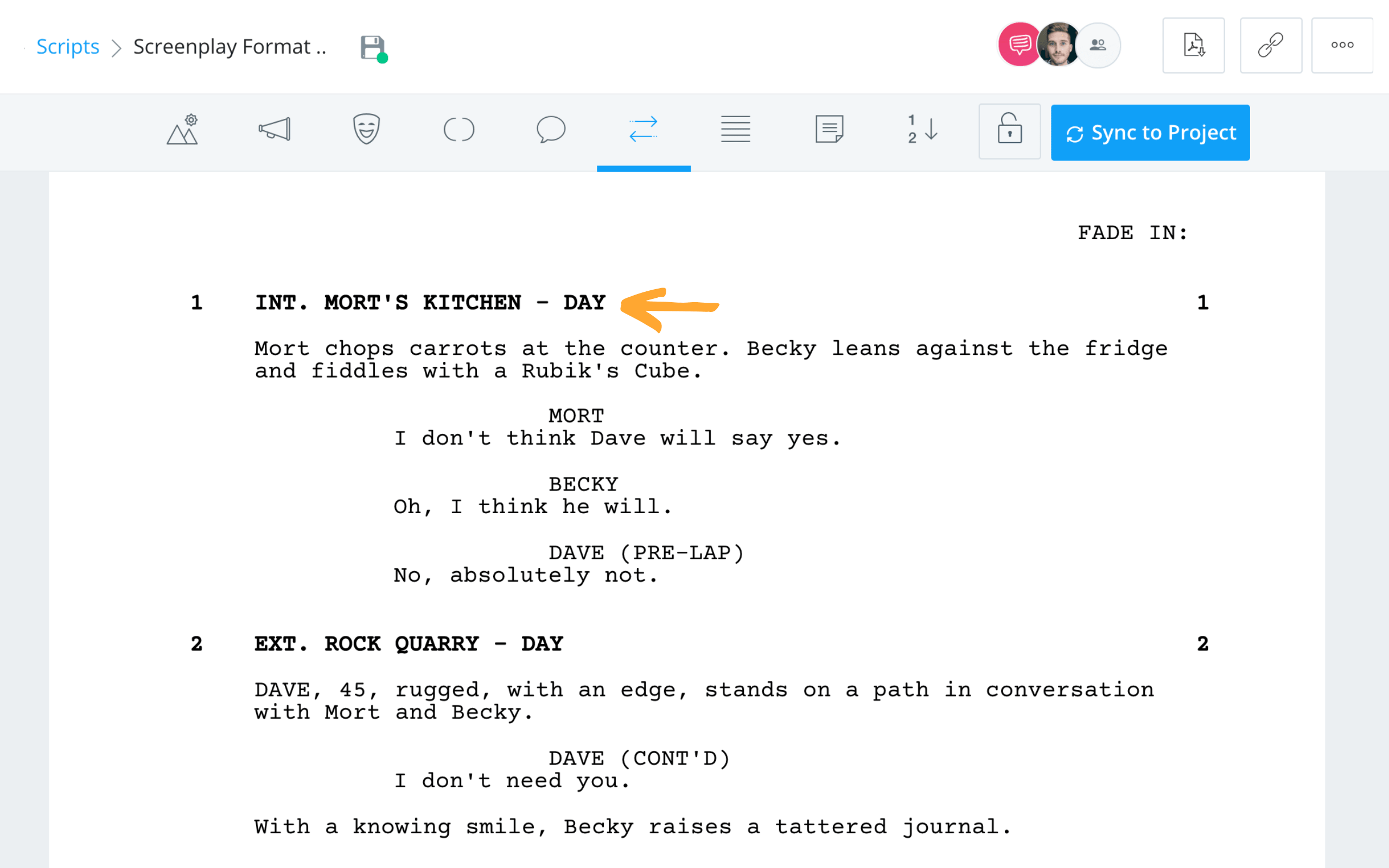
At its core, script format is a standardized method of writing down dialogue, action, and other essential elements for visual or auditory presentation. It’s a blueprint, a technical document that translates creative vision into tangible instructions for performers, directors, editors, and ultimately, the audience. While often associated with filmmaking and television, the principles of script format extend far beyond Hollywood, influencing how we consume and create content across all of the domains that matter today: Tech, Brand, and Money.
The Pillars of Script Format: More Than Just Words
The magic of script format lies in its ability to distill complex ideas into easily digestible components. It provides a clear, unambiguous framework that ensures everyone involved in a project, from the initial writer to the final viewer, is on the same page. Let’s delve into the foundational elements that define this essential structure.
Scene Headings: Setting the Stage
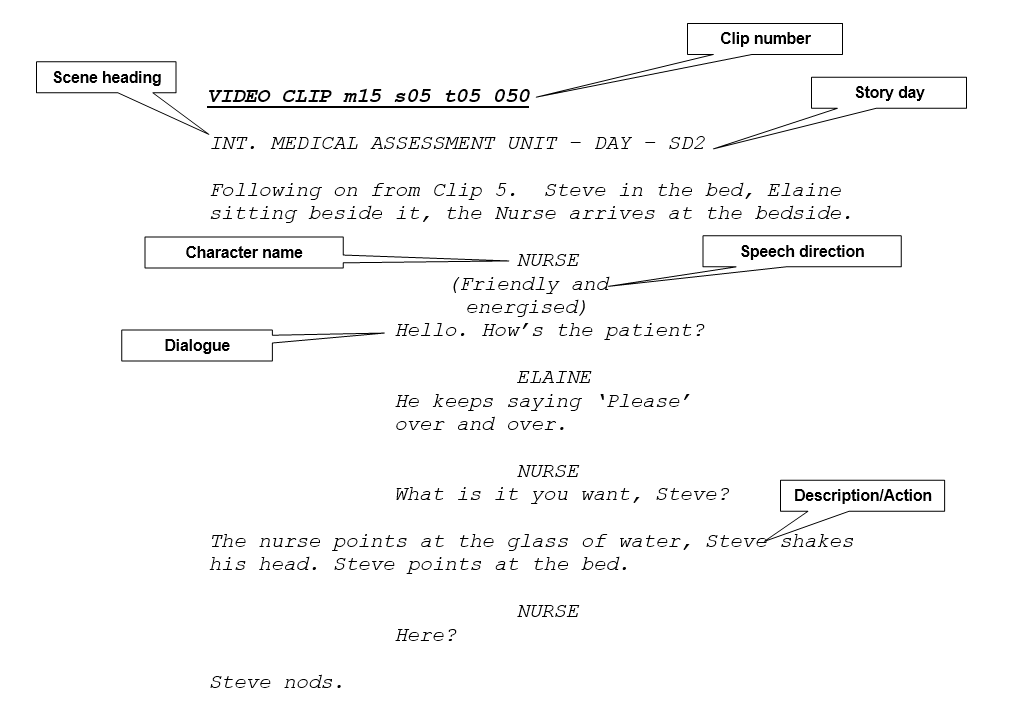
Every script begins with a scene heading, also known as a slugline. This concise line of text provides critical information about the location and time of the scene. The standard format is:
INT./EXT. LOCATION – DAY/NIGHT
- INT. (Interior) or EXT. (Exterior): This tells us whether the scene takes place indoors or outdoors.
- LOCATION: This specifies the precise place where the action occurs (e.g., COFFEE SHOP, APARTMENT, FOREST).
- DAY/NIGHT: This indicates the time of day.
For example, a scene heading might read: INT. COFFEE SHOP – MORNING. This immediately informs the reader and the production team where and when the action is unfolding, setting the visual and atmospheric context. This precision is vital for budgeting, scheduling, and ensuring continuity in filming.
Action Lines: The Visual Narrative
Following the scene heading are action lines, also referred to as scene description. These paragraphs describe what the audience sees and hears (excluding dialogue). They are written in the present tense and focus on observable actions, character movements, and the environment. Unlike prose, action lines are typically concise and evocative, painting a picture without unnecessary embellishment.
Effective action lines are crucial for conveying mood, tone, and character. They might describe:
- Character actions: “SARAH nervously paces the room.”
- Environmental details: “Sunlight streams through the dusty window.”
- Visual cues: “A single red rose wilts on the table.”
In the realm of technology, action lines can describe the sleek interface of a new app or the intricate workings of a piece of hardware. For branding, they can depict the polished presentation of a product or the dynamic energy of a marketing event. And in finance, they could illustrate a character making a crucial investment decision or a complex algorithm at work.
Character Names: Who’s Speaking?
Before any dialogue, the character’s name appears, capitalized and centered above their lines. This immediately identifies who is speaking, preventing confusion.
For instance:
JOHN
(confidently)
This new software update is a game-changer.
Parentheticals: Guiding the Performance
Parentheticals are short, descriptive notes placed in parentheses beneath a character’s name and before their dialogue. They provide direction on how a line should be delivered, offering insights into the character’s emotion, tone, or a specific action accompanying the dialogue.
Examples include:
- (sarcastically)
- (whispering)
- (to herself)
- (picking up the phone)
Parentheticals are used judiciously; they shouldn’t over-explain or dictate every nuance. They are a subtle tool to enhance the performance and clarify intent.
Dialogue: The Heart of Communication
Dialogue is the spoken word of the characters. It’s what drives the narrative forward, reveals character, and conveys information. In script format, dialogue appears directly below the character’s name and any parentheticals.
The beauty of well-written dialogue is that it sounds natural, reveals subtext, and serves a purpose within the scene. It can be witty, dramatic, informative, or emotional, depending on the needs of the story.
Script Format Across the Domains: Tech, Brand, and Money
While the core principles of script format remain constant, their application and nuances adapt to the specific demands of each domain.
## Script Format in Tech: Explaining the Future
In the tech world, script format is invaluable for explaining complex software, demonstrating the functionality of new apps, and creating engaging tutorials.
### Explaining Software and AI Tools
When introducing a new AI tool or a sophisticated piece of software, a script format helps break down its features and benefits in a clear, step-by-step manner.
- Scene Headings might delineate different user interface elements or workflows:
INT. APP INTERFACE - TUTORIAL MODE. - Action Lines would describe user interactions: “The user clicks the ‘Generate’ button. A progress bar appears.” or “The AI analyzes the data, its algorithm visualized as a glowing network.”
- Dialogue (often in the form of a narrator or onscreen text) explains the “why” and “how”: “This feature leverages advanced machine learning to predict user behavior, saving you valuable time.”
- Parentheticals can guide the pace of the demonstration:
(pause for effect)or(emphasizing the speed).
Consider a tutorial for a new productivity app. The script would meticulously map out each click, each screen transition, and each spoken instruction, ensuring the viewer can follow along seamlessly. This structured approach is crucial for user adoption and satisfaction, directly impacting the success of any tech product.
### Reviewing Gadgets and Apps

For gadget and app reviews, script format provides a consistent structure for presenting information and opinions. A reviewer might script out their introduction, the demonstration of key features, and their concluding thoughts.
- Scene Headings could represent different use cases or environments:
EXT. PARK - DAYfor testing a waterproof speaker, orINT. HOME OFFICE - NIGHTfor reviewing a smart lamp. - Action Lines would detail the product’s performance: “The drone hovers steadily against a strong breeze.” or “The app’s interface is intuitive and responsive, with no noticeable lag.”
- Dialogue would present the reviewer’s analysis and user experience: “One of the standout features is its battery life, easily lasting a full day of moderate use.”
This structured review process builds trust with the audience, offering them a comprehensive understanding of a product before they make a purchase.
### Digital Security Tutorials
Explaining digital security concepts, often perceived as daunting, becomes much more accessible through script format.
- Scene Headings might represent different threat scenarios or security layers:
INT. COMPUTER SCREEN - PHISHING ATTEMPTorINT. SECURE SERVER ROOM - ENCRYPTION PROCESS. - Action Lines would visually demonstrate vulnerabilities or protective measures: “A fake login page appears, subtly mimicking the legitimate website.” or “The encryption software scrambles the data into an unreadable format.”
- Dialogue would break down complex threats into understandable terms: “This email may look legitimate, but notice the subtle spelling error in the sender’s address. That’s a red flag.”
By using script format, cybersecurity experts can create engaging and informative content that empowers individuals to protect themselves online.
## Script Format in Brand: Crafting Compelling Narratives
The power of script format in branding is undeniable, shaping how companies connect with their audiences and build lasting reputations.
### Developing Brand Strategy and Storytelling
Every brand has a story, and script format is the ideal tool for crafting that narrative. Whether it’s a brand film, a podcast, or even internal communications, a script ensures the brand’s message is delivered consistently and effectively.
- Scene Headings might represent different phases of the brand’s journey or key values:
INT. STARTUP OFFICE - EARLY DAYSorEXT. COMMUNITY EVENT - IMPACT. - Action Lines would describe the emotional arc and visual metaphors: “A single seed is planted, slowly growing into a vibrant tree.” or “Smiles and handshakes mark the successful collaboration.”
- Dialogue would articulate the brand’s mission, values, and unique selling proposition. This can be through founder interviews, testimonials, or a compelling voiceover.
A well-scripted brand story can evoke emotion, build loyalty, and differentiate a company in a crowded marketplace.
### Crafting Marketing and Advertising Campaigns
From television commercials to social media ads, script format is the backbone of effective marketing.
- Scene Headings set the scene for the product’s introduction or problem-solution narrative:
INT. BUSY KITCHEN - MORNING RUSHorEXT. DESERT ROAD - LONG JOURNEY. - Action Lines showcase the product in action or the transformation it brings: “The user effortlessly prepares a healthy meal in minutes.” or “The car glides smoothly over the uneven terrain.”
- Dialogue delivers the key marketing message, call to action, and brand personality.
The conciseness and visual focus of script format are perfectly suited for the short, impactful nature of advertising.
### Personal Branding and Reputation Management
Individuals also benefit from script format for personal branding, whether it’s for a YouTube channel, a podcast, or professional presentations.
- Scene Headings can delineate different aspects of a person’s expertise or career journey.
- Action Lines describe their demeanor, interactions, and achievements.
- Dialogue allows them to articulate their personal brand statement, share insights, and build rapport with their audience.
For reputation management, scripts can be used to prepare official statements, crisis communications, and public addresses, ensuring a consistent and controlled message during sensitive times.
## Script Format in Money: Simplifying Financial Concepts
The complex world of finance often benefits immensely from the clarity and structure that script format provides, making it accessible to a wider audience.
### Explaining Personal Finance and Investing
Demystifying personal finance, budgeting, and investment strategies is a key application of script format.
- Scene Headings might represent different financial scenarios or investment vehicles:
INT. BUDGETING SPREADSHEET - MONTHLY REVIEWorINT. STOCK MARKET CHART - REAL-TIME UPDATE. - Action Lines could illustrate the impact of financial decisions: “Money is gradually added to a savings account, the balance steadily increasing.” or “The stock graph shows a steady upward trend.”
- Dialogue (often from a financial advisor or educator) explains concepts like compound interest, diversification, and risk management: “By consistently investing even small amounts, your money can grow exponentially over time thanks to the power of compounding.”
This structured approach makes potentially dry topics engaging and actionable.
### Creating Online Income and Side Hustle Guides
For aspiring entrepreneurs and those seeking to monetize their skills, script format is ideal for creating tutorials on online income streams and side hustles.
- Scene Headings could represent different platforms or business models:
INT. E-COMMERCE WEBSITE - PRODUCT LISTINGorINT. FREELANCE PLATFORM - BIDDING PROCESS. - Action Lines would detail the practical steps involved: “The user uploads high-quality product photos and writes a compelling description.” or “The freelancer submits a polished proposal to a potential client.”
- Dialogue provides step-by-step instructions, tips for success, and motivational advice: “The key to successful e-commerce is understanding your target audience and offering them genuine value.”
This practical, instructional scripting empowers individuals to take concrete steps towards financial independence.
### Business Finance and Financial Tools
Script format is also instrumental in explaining business finance principles and demonstrating the use of financial tools for companies.
- Scene Headings might detail financial statements or strategic planning sessions:
INT. BOARDROOM - QUARTERLY EARNINGS REPORTorINT. FINANCIAL MODEL - PROJECTION ANALYSIS. - Action Lines would visualize data and analytical processes: “Key performance indicators are highlighted on a dashboard.” or “The financial model projects revenue growth based on market trends.”
- Dialogue clarifies complex financial jargon and strategic decisions: “Our profit margins have increased by 15% due to improved operational efficiency and targeted marketing.”
By simplifying these concepts, script format helps business owners and managers make informed decisions and drive growth.
Conclusion: The Universal Language of Structure
In conclusion, script format is far more than a mere convention for screenwriters. It is a universal language of structure, clarity, and effective communication that underpins success across the dynamic fields of Technology, Brand, and Money. Whether you are developing an AI tool, building a brand identity, or explaining complex financial strategies, embracing the principles of script format—scene headings, action lines, character names, parentheticals, and dialogue—will empower you to create content that is not only understood but also impactful, engaging, and ultimately, successful. It is the invisible architecture that allows creativity to flourish and ideas to resonate, making it an indispensable tool in our increasingly digital and interconnected world.
aViewFromTheCave is a participant in the Amazon Services LLC Associates Program, an affiliate advertising program designed to provide a means for sites to earn advertising fees by advertising and linking to Amazon.com. Amazon, the Amazon logo, AmazonSupply, and the AmazonSupply logo are trademarks of Amazon.com, Inc. or its affiliates. As an Amazon Associate we earn affiliate commissions from qualifying purchases.