
Denim. The mere mention of the word conjures images of rugged durability, timeless style, and casual comfort. From workwear to high fashion, denim has transcended its utilitarian origins to become a global cultural icon. Yet, beneath its ubiquitous appeal lies a meticulously crafted material whose fundamental composition is often overlooked by consumers but is absolutely critical for any brand operating within its vast ecosystem. For brands, understanding “what denim material is made of” is not merely a technical curiosity; it is a foundational insight that informs everything from product design and supply chain strategy to marketing narratives and long-term brand equity. This intimate knowledge allows brands to innovate, differentiate, and authentically connect with a discerning audience increasingly interested in the origins and integrity of their purchases.
The Core Components of Denim: Weaving Brand Narrative from Fiber
At its heart, denim’s composition is surprisingly simple, yet the interplay of its basic elements gives rise to its legendary characteristics. Brands that truly master denim leverage this understanding to craft compelling stories and deliver exceptional products.
Cotton: The Foundation of Authenticity and Comfort
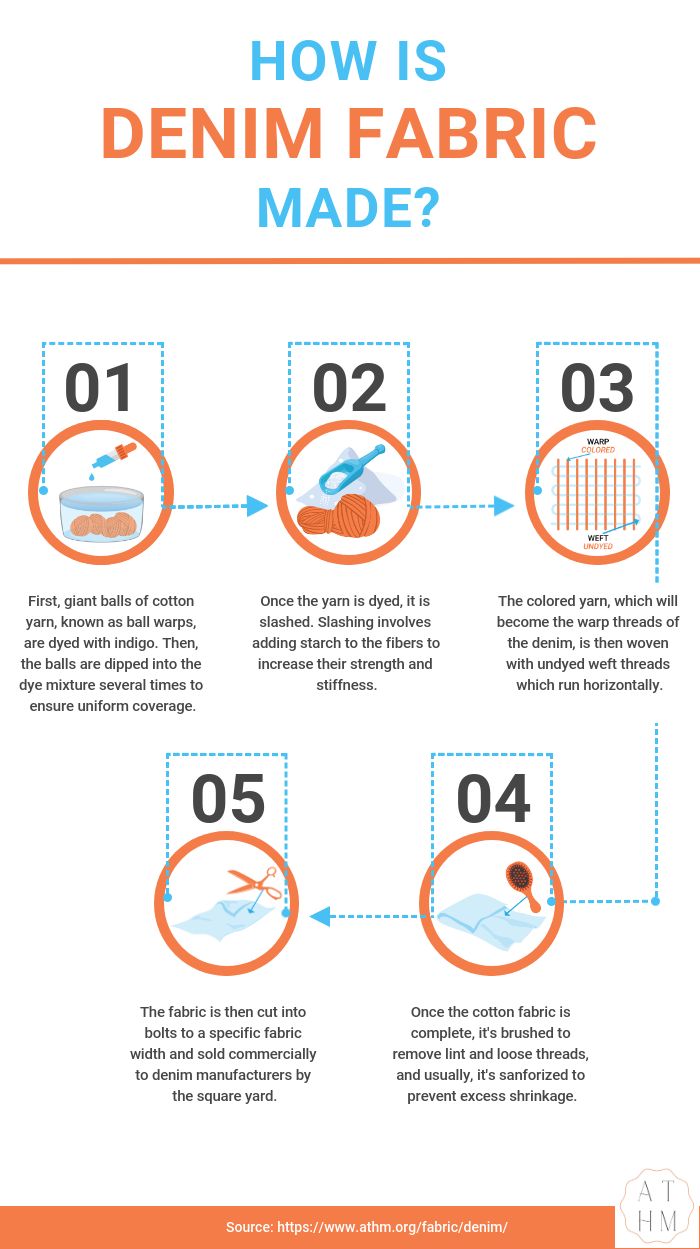
The undisputed king of denim’s raw materials is cotton. This natural cellulose fiber accounts for the vast majority of denim’s composition and is responsible for many of its most cherished properties. Cotton provides the material with its characteristic softness (especially after wear and washing), breathability, and absorbency. These qualities are directly linked to the comfort and wearability that consumers associate with denim.
For brands, the choice of cotton is a pivotal strategic decision that can significantly influence product feel, durability, and ultimately, brand perception. High-quality, long-staple cotton, for instance, yields stronger, smoother yarns, leading to more durable and luxurious denim. Conversely, cheaper, short-staple cotton might result in a rougher handfeel and faster wear. Brands like Levi’s built their initial reputation on robust cotton denim, and that heritage continues to resonate today. Beyond the basic quality, the type of cotton presents potent branding opportunities. Organic cotton, grown without synthetic pesticides or fertilizers, appeals to environmentally conscious consumers, allowing brands to position themselves as sustainable and responsible. Recycled cotton, another increasingly popular option, speaks to circular economy principles and resource conservation. By highlighting their commitment to specific cotton sources, brands can cultivate a distinct ethical or premium identity, weaving a narrative that extends beyond mere aesthetics to deeply held consumer values.
The Twill Weave: Crafting Durability and Distinctive Texture
While cotton provides the fiber, the twill weave is the structural magic behind denim’s unique character. Unlike plain weaves, where warp (vertical) and weft (horizontal) threads alternate one over one, a twill weave features a diagonal pattern, typically with two or more warp threads passing over one weft thread. This unique construction is evident in denim’s characteristic diagonal ribbing, a defining visual hallmark.
The twill weave contributes significantly to denim’s renowned durability and resistance to tearing, making it ideal for robust garments. The dense, diagonal pattern distributes stress more effectively, allowing the fabric to withstand more wear and tear than many other weaves. From a brand perspective, the twill weave is a potent symbol of resilience and longevity. Brands can emphasize the strength and enduring quality imparted by this construction in their marketing, appealing to consumers seeking garments built to last. Furthermore, variations in the twill (e.g., right-hand twill, left-hand twill, broken twill) offer subtle but significant differences in drape, texture, and how the fabric fades over time. Selvedge denim, characterized by its tightly woven, self-finished edge (often with a distinctive colored thread), is a premium example where the twill weave’s integrity and artisanal quality become a cornerstone of brand identity, signaling craftsmanship and a dedication to traditional manufacturing methods.
Indigo Dye: The Signature Hue and Its Brand Journey
Perhaps the most iconic element of denim, after its weave, is its color: the deep, rich blue of indigo. Traditionally, denim is warp-faced, meaning the warp threads are dyed with indigo while the weft threads are left natural (or bleached) white. This construction, combined with the twill weave, is what gives denim its characteristic blue face and lighter back, which becomes more pronounced as the fabric fades.
Indigo dye, whether natural or synthetic, plays an outsized role in a brand’s aesthetic and narrative. Natural indigo, derived from plants, offers a rich, complex blue that can be challenging to work with but carries a potent story of heritage and eco-consciousness. Brands that utilize natural indigo often position themselves at the premium or artisanal end of the spectrum, appealing to consumers who value authenticity and traditional craftsmanship. Synthetic indigo, while chemically identical to natural indigo, offers consistency and cost-effectiveness, making it the industry standard. However, the application process itself is a crucial brand differentiator. The way the indigo is applied to the yarn (e.g., rope dyeing, slasher dyeing) and the number of dips affect how deeply the dye penetrates the fibers, which in turn dictates the denim’s fading properties. Brands specializing in “raw” or “dry” denim celebrate this fading process, encouraging wearers to create unique fade patterns that become a personal signature. This “wearer-as-designer” approach fosters a deep connection between the product and the consumer, strengthening brand loyalty and turning the material’s interaction with life into a powerful, individualized story.
Beyond the Basics: Modern Denim Innovations and Brand Differentiation
While cotton, twill, and indigo form the foundational trifecta, modern textile science and evolving consumer demands have led to significant innovations in denim composition. Brands at the forefront leverage these advancements to expand their market reach, enhance product performance, and reinforce their values.
Blended Fabrics: Enhancing Performance and Expanding Market Appeal
Pure cotton denim, while classic, has its limitations in terms of stretch, recovery, and specialized performance. To address these, denim brands have increasingly turned to blended fabrics, incorporating synthetic and semi-synthetic fibers into the traditional cotton base.
- Elastane (Spandex/Lycra): The most common blend, elastane provides stretch and shape retention, revolutionizing the comfort and fit of denim. Brands heavily focused on comfort, athleisure, or tailored fits (e.g., skinny jeans) rely heavily on elastane blends. This allows them to target broader demographics, offering the look of traditional denim with unprecedented freedom of movement. Marketing emphasizes flexibility, comfort, and a flattering fit, opening up new product categories.
- Polyester: Often blended for added durability, wrinkle resistance, and faster drying times, polyester can help create denim suitable for more active lifestyles or specific performance requirements. Brands might use polyester blends to position garments as more robust or easier to care for.
- Lyocell/Tencel and Modal: These cellulosic fibers, derived from wood pulp, offer exceptional softness, drape, and moisture-wicking properties. They also boast a more sustainable production process than conventional rayon. Brands utilizing Lyocell or Modal blends can create “luxurious” or “comfort-stretch” denim that feels incredibly soft against the skin, appealing to consumers seeking premium comfort and eco-friendly alternatives. This allows brands to differentiate through superior tactile experience and a strong sustainability narrative.

By strategically incorporating these blends, brands can tailor denim to specific needs—from ultra-comfortable stretch jeans for everyday wear to performance denim for active pursuits—thereby expanding their product lines and catering to a wider array of consumer preferences.
Sustainable Sourcing and Manufacturing: A Modern Brand Imperative
In an era of increasing environmental awareness, what denim is made of extends beyond its raw fibers to encompass its entire lifecycle. Sustainable sourcing and manufacturing practices have become critical brand differentiators, influencing consumer choice and shaping brand reputation.
Brands are now intensely scrutinizing every aspect of denim production:
- Organic and Recycled Fibers: As discussed, utilizing organic or recycled cotton directly addresses concerns about pesticide use and textile waste.
- Eco-Friendly Dyes and Finishing: Innovations in dyeing techniques (e.g., foam dyeing, dry indigo) and finishing processes (e.g., laser distressing, ozone washing) drastically reduce water, energy, and chemical consumption. Brands that adopt these methods can highlight their commitment to reducing environmental impact.
- Traceability and Transparency: Consumers, especially millennials and Gen Z, demand to know where their products come from and how they are made. Brands that provide transparent information about their supply chain, from cotton field to finished garment, build trust and authenticity.
For brands, embracing sustainable denim composition and production is no longer just a trend but a fundamental expectation. It allows them to cultivate a strong ethical brand identity, attract conscious consumers, and future-proof their operations against evolving regulations and societal values. Marketing these efforts becomes a powerful tool for storytelling, showcasing a brand’s dedication to more than just profit.
From Material to Message: Leveraging Denim’s Composition in Brand Strategy
The technical understanding of “what denim is made of” provides brands with a powerful toolkit that translates directly into strategic advantages across design, marketing, and quality assurance.
Product Design and Innovation: Material-Driven Creativity
For designers, a deep comprehension of denim’s composition is the bedrock of innovation. Knowing how different cotton types affect drape, how various twill weaves influence texture and fading, and how blends interact with fit allows designers to push creative boundaries. A brand aiming for a vintage aesthetic might opt for rigid, raw selvedge denim with a specific right-hand twill, anticipating how it will age gracefully. Conversely, a brand focused on contemporary fashion might utilize super-stretch denim with a left-hand twill for a softer hand and more fluid drape.
This material-driven creativity extends to washes, finishes, and embellishments. The way denim’s fibers and dyes react to sanding, bleaching, or laser treatments dictates the final aesthetic. Brands can develop unique “recipes” for their denim, ensuring their products possess a distinctive look and feel that is instantly recognizable and proprietary. This meticulous attention to material composition at the design stage is what differentiates a generic denim product from a cult classic.
Marketing and Storytelling: Communicating Value Through Material Knowledge
In a crowded marketplace, the ability to articulate a product’s unique value proposition is paramount. For denim brands, the specifics of “what denim is made of” offer a rich tapestry for marketing and storytelling. Instead of simply stating “this is a pair of jeans,” brands can delve into the details: “Crafted from premium long-staple organic cotton, woven in a heritage left-hand twill, and dyed with natural indigo using a traditional rope-dyeing method.”
This level of detail elevates the product from a commodity to an artisanal creation. It educates consumers, justifies price points, and highlights the brand’s commitment to quality and craftsmanship. Messaging can revolve around:
- Heritage: Highlighting traditional techniques and materials (e.g., “authentic selvedge denim”).
- Sustainability: Emphasizing eco-friendly fibers, water-saving processes, and ethical production.
- Performance: Showcasing how blends enhance comfort, stretch, or durability.
- Craftsmanship: Detailing the intricate weaving, dyeing, and finishing processes.
By translating technical material facts into compelling narratives, brands can forge emotional connections with consumers, fostering a sense of appreciation for the product’s journey and intrinsic value.
Quality Assurance and Brand Reputation: The Tangible Link
Ultimately, a brand’s reputation is built on the consistent delivery of quality. The composition of denim is the most tangible link to this promise. Brands that meticulously control the quality of their raw materials (cotton), yarn spinning, weaving, and dyeing processes ensure that their products meet exacting standards.
Inferior cotton can lead to weaker yarns and faster wear. Inconsistent dyeing can result in uneven color or poor fade characteristics. Substandard weaves can compromise durability. Any of these material-level failures directly impact product lifespan, consumer satisfaction, and ultimately, brand trust. A brand known for durable, well-fitting, and aesthetically pleasing denim has achieved this by maintaining rigorous quality control throughout its supply chain, starting with a deep understanding of what its denim is made of and how those components perform. Investing in superior materials and processes, even if it entails higher costs, reinforces a brand’s commitment to excellence and fosters long-term customer loyalty. Conversely, neglecting the material composition for short-term cost savings can quickly erode a brand’s hard-won reputation.
In conclusion, the answer to “what is denim material made of” is far more than a simple list of ingredients for a brand. It is a strategic blueprint that dictates product capabilities, influences design aesthetics, provides a rich foundation for marketing narratives, and underpins the very promise of quality and sustainability that modern consumers demand. For any brand in the denim landscape, a profound understanding and thoughtful application of this knowledge are indispensable for building a distinct identity, fostering consumer loyalty, and ensuring enduring success in a competitive global market.
aViewFromTheCave is a participant in the Amazon Services LLC Associates Program, an affiliate advertising program designed to provide a means for sites to earn advertising fees by advertising and linking to Amazon.com. Amazon, the Amazon logo, AmazonSupply, and the AmazonSupply logo are trademarks of Amazon.com, Inc. or its affiliates. As an Amazon Associate we earn affiliate commissions from qualifying purchases.