
In a world saturated with fleeting attention spans and instantaneous digital interactions, the concept of “ruminating” often seems out of place, almost an anachronism. Derived from the Latin “ruminare,” meaning to chew the cud, it describes the act of thinking deeply, profoundly, and repeatedly about something. It’s a process of internal digestion, where ideas, concepts, or experiences are turned over in the mind, examined from multiple angles, and allowed to settle and mature. Far from being a mere intellectual exercise, rumination is an indispensable, often unseen, cognitive engine driving the most successful endeavors in the realm of brand strategy, identity, and market engagement.
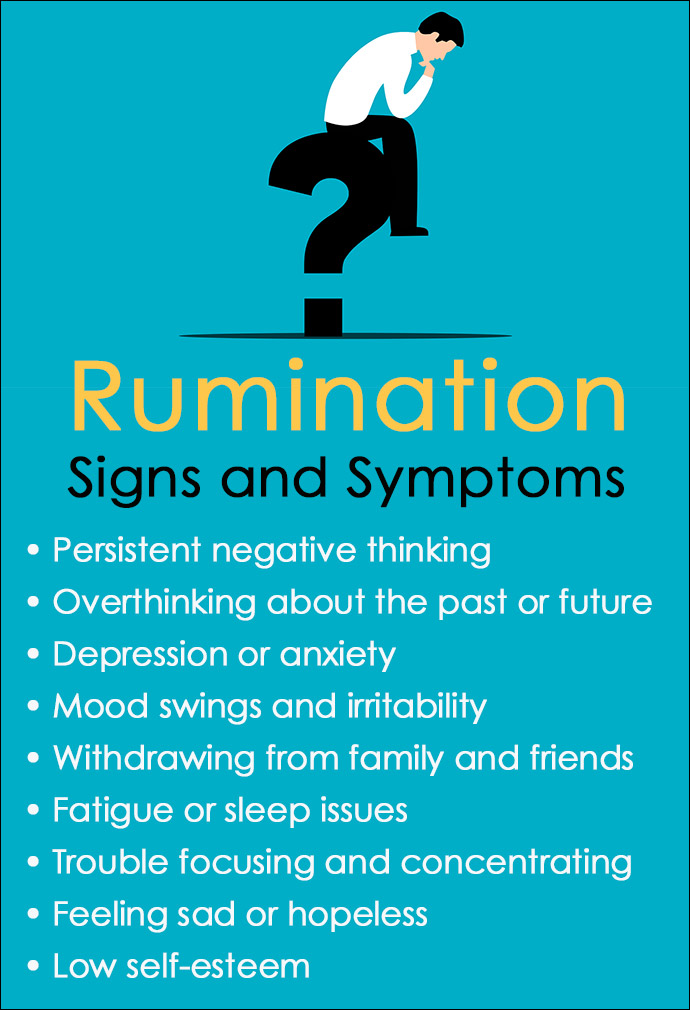
In the context of branding, rumination is not about overthinking or paralysis by analysis; it’s about strategic deliberation, insightful reflection, and the patient cultivation of meaning. It manifests in two critical dimensions: the profound internal thought processes employed by brand strategists, designers, and marketers, and the deeper, often subconscious, ways consumers engage with, interpret, and ultimately integrate brands into their lives. Understanding what ruminating entails in the brand ecosystem is crucial for anyone seeking to build not just a product or service, but a resonant, enduring legacy.
The Strategic Imperative: Ruminating on Brand Identity and Purpose
At its core, effective branding is never accidental. It is the product of deliberate, often painstaking, rumination. Before a logo is designed, a tagline is penned, or a campaign is launched, there must be a profound period of internal reflection – a cognitive crucible where the brand’s very essence is forged. This foundational rumination is the bedrock upon which all subsequent branding efforts are built.
Decoding the Brand’s Core Essence
The initial phase of brand building demands deep, introspective thought to define what the brand truly stands for. This goes far beyond superficial mission statements or generic values. It involves a genuine “chewing over” of the brand’s fundamental reason for being, its unique philosophical stance, and its aspirational impact. Strategists must ruminate on questions like: What problem does this brand genuinely solve? What unique value does it offer that no other can? What beliefs underpin its very existence? This isn’t a quick brainstorm; it’s a patient unearthing, often requiring multiple iterations, challenging assumptions, and distilling complex ideas into clear, authentic principles. The outcome of this rumination is a clear understanding of the brand’s soul, enabling it to resonate authentically with its audience.
Architectural Blueprint: Crafting the Brand Narrative
Once the core essence is understood, the next layer of rumination involves constructing the brand’s narrative – its story, voice, and messaging architecture. This is where abstract values are translated into tangible communication strategies. Brand architects ruminate on how best to weave together disparate elements into a cohesive, compelling story that captivates and connects. They consider the emotional triggers, cultural nuances, and psychological frameworks that will allow the brand’s message to permeate and linger in the minds of its audience. Every word, every image, every interaction becomes a deliberate choice, refined through cycles of reflection and iteration, ensuring that the brand narrative isn’t just heard, but deeply felt and understood. This contemplative approach ensures consistency across all touchpoints, building a robust and recognizable brand personality.
Navigating the Market Landscape: Positioning Through Reflection
Effective brand positioning is not about simply finding a gap in the market; it’s about thoughtfully carving out a distinct, defensible space that aligns with the brand’s core essence and resonates with its target audience. This requires extensive rumination on the competitive landscape, evolving consumer behaviors, and emerging market trends. Strategists must deeply analyze competitors’ strengths and weaknesses, identify white spaces, and ponder how their brand can offer a truly differentiated value proposition. This means moving beyond surface-level comparisons to understand underlying motivations and unmet needs. The process involves hypothesizing various positioning angles, rigorously testing their validity, and ultimately settling on a strategic path that is both compelling and sustainable. It’s a testament to the power of deep thought in defining a brand’s unique place in the collective consciousness.
The Consumer’s Contemplation: How Audiences Ruminate on Brands
While brand strategists are busy with their internal deliberations, an equally significant, though often more subtle, form of rumination is occurring within the minds of consumers. Brands are not just observed; they are processed, interpreted, and integrated over time. This consumer rumination is critical to building lasting connections, loyalty, and advocacy.
Beyond the Immediate Impression: Processing Brand Signals
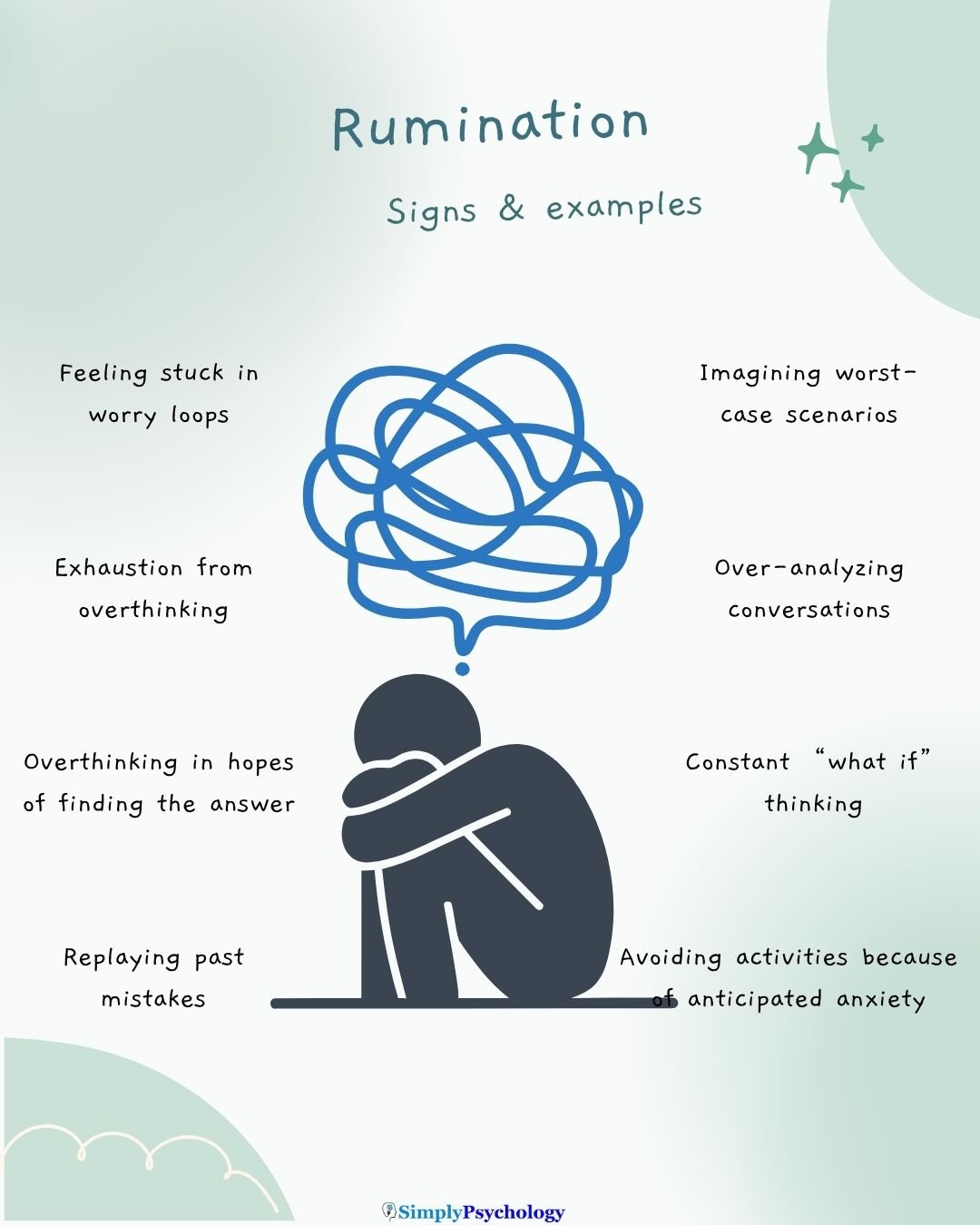
In an era of information overload, consumers are constantly bombarded with brand messages. However, genuine engagement extends far beyond fleeting awareness or a momentary “like.” Consumers subtly ruminate on brand signals – the tone of voice, visual aesthetics, product performance, and customer service experiences – often unconsciously evaluating their consistency and authenticity. A single advertisement might grab attention, but it is the cumulative effect of consistent messaging, repeated positive experiences, and alignment with personal values that leads to deeper processing. Brands that deliver on their promises consistently create an echo chamber of positive associations, leading consumers to “chew over” and internalize their perception of the brand, moving from mere recognition to a more profound understanding and appreciation.
Building Trust and Loyalty Through Deliberate Engagement
The journey from initial interest to sustained loyalty is often a protracted process of consumer rumination. It’s not a single decision point but a series of reflections where brand promises are weighed against real-world experiences. Consumers contemplate whether a brand truly delivers on its value proposition, if its actions align with its stated values, and if it consistently meets or exceeds expectations. This deliberative engagement forms the bedrock of trust. When a brand consistently proves its worth, transparency, and reliability, consumers begin to ruminate on its dependability, integrating it into their daily routines and advocating for it within their networks. This deeper, reflective consideration is what transforms a casual buyer into a loyal brand ambassador.
The Emotional and Rational Calculus of Brand Choice
When making purchasing decisions, consumers engage in a complex interplay of emotional resonance and rational consideration. They ruminate on how a brand makes them feel, the aspirations it represents, and the identity it helps them project, alongside its practical benefits, pricing, and features. Effective branding skillfully guides this internal rumination, helping consumers align the brand with their desired outcomes and personal narratives. Whether it’s the feeling of exclusivity from a luxury brand, the sense of community from a socially conscious enterprise, or the promise of efficiency from a tech solution, the most successful brands provide compelling reasons for both the heart and the mind. They offer a holistic narrative that allows consumers to justify their choices on multiple levels, fostering a deeper, more satisfying form of engagement born from thoughtful consideration.
Sustained Relevance: Ruminating on Brand Evolution and Stewardship
The work of branding is never truly finished. Markets are dynamic, consumer preferences evolve, and new competitors constantly emerge. For a brand to achieve sustained relevance and enduring success, it must continuously ruminate on its trajectory, adapt to changing circumstances, and thoughtfully nurture its equity. This ongoing stewardship is crucial for long-term vitality.
Continuous Feedback Loops and Strategic Adjustment
Maintaining brand health requires constant vigilance and a commitment to perpetual reflection. Brands must actively seek and ruminate on feedback from various sources: market analytics, customer surveys, social media sentiment, sales performance, and cultural trends. This data isn’t merely collected; it’s deeply analyzed and processed to discern patterns, identify opportunities, and pinpoint areas for improvement. Strategic rumination on these feedback loops allows brands to make informed, data-driven decisions while remaining true to their core identity. It enables them to adjust messaging, refine product offerings, or pivot their strategy proactively, ensuring they remain responsive and resonant in an ever-changing environment.
Reinvention and Resilience: Adapting to Change
The marketplace is littered with brands that failed to adapt. Sustained success requires a willingness to ruminate on the necessity for reinvention and resilience. As technology advances, consumer values shift, and global events unfold, brands must thoughtfully consider how these changes impact their relevance. This might involve strategic pivots, a complete rebranding effort, or expansion into new product categories or markets. Such transformations are not impulsive; they are the result of extensive rumination, scenario planning, and a deep understanding of how to evolve without losing the essence that defines the brand. The ability to foresee future trends and proactively adapt the brand narrative and offerings is a hallmark of truly enduring brands, a testament to their capacity for strategic foresight.
Nurturing Brand Equity: The Long Game of Deliberate Care
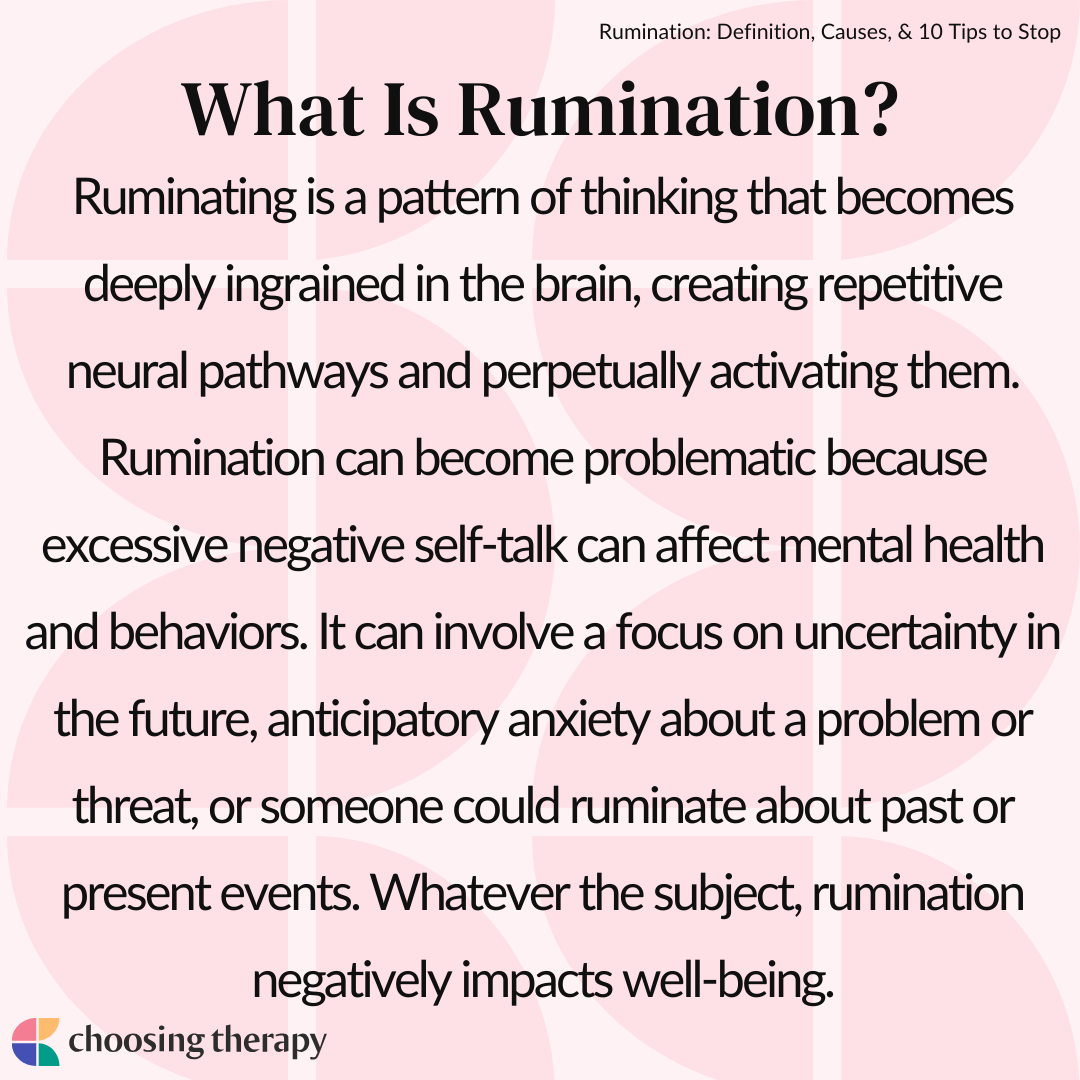
Brand equity, the commercial value derived from consumer perception of the brand rather than the product itself, is a long-term asset that demands continuous, deliberate nurturing. This involves an ongoing rumination on how to protect brand reputation, ensure consistency across all customer touchpoints, and continually reinforce core values. It’s about making patient, strategic investments in communication, experience, and innovation that compound over time. The goal is to build a legacy that transcends transient trends, ensuring the brand remains meaningful and valuable for generations. This requires a profound understanding of the brand’s historical journey, its current standing, and its desired future, all carefully managed through thoughtful stewardship and a commitment to the long game.
In conclusion, “ruminating” is far from an outdated concept in the fast-paced world of modern branding; it is an essential practice for both creation and sustained success. It is the deep, iterative thought process employed by brand strategists to forge identity and purpose, and it is the thoughtful, often subconscious, processing undertaken by consumers as they build relationships with the brands they encounter. Embracing rumination – whether in the boardroom or in the market – transforms branding from a series of superficial transactions into a meaningful, enduring dialogue, cementing a brand’s place not just in the market, but in the hearts and minds of its audience.
aViewFromTheCave is a participant in the Amazon Services LLC Associates Program, an affiliate advertising program designed to provide a means for sites to earn advertising fees by advertising and linking to Amazon.com. Amazon, the Amazon logo, AmazonSupply, and the AmazonSupply logo are trademarks of Amazon.com, Inc. or its affiliates. As an Amazon Associate we earn affiliate commissions from qualifying purchases.