
Cash App has cemented its place as a cornerstone in the landscape of peer-to-peer payment applications, offering a convenient platform for sending, receiving, and even investing money. Its intuitive interface and broad adoption have made it indispensable for millions. However, beneath the surface of its widespread utility lie significant issues that can profoundly impact users’ financial well-being. From rampant fraud to transactional complexities and often inadequate customer support, a closer examination reveals several critical pain points that warrant attention for anyone entrusting their money to the platform. Understanding these underlying problems is crucial for navigating the digital finance world safely and effectively.

The Pervasive Threat of Fraud and Scams
One of the most concerning aspects plaguing Cash App users is the sheer volume and sophistication of fraudulent activities. The platform, like many peer-to-peer services, has become a fertile ground for scammers due to its rapid transaction speeds and the irreversible nature of many payments. This vulnerability poses a direct threat to users’ personal finances, leading to significant monetary losses and emotional distress.
Peer-to-Peer Vulnerabilities
Cash App’s design facilitates quick, direct transfers between individuals, which is its primary appeal. However, this same feature also creates an environment ripe for scams. Unlike traditional banking transactions that often have more layers of security and reversal mechanisms, Cash App payments are typically instant and final. This irreversibility means that once money is sent to a scammer, it is exceedingly difficult, if not impossible, to retrieve. Scammers often exploit this by impersonating trusted individuals or entities, pressuring users into immediate payments before they can discern the deception. The lack of built-in escrow or dispute resolution for simple peer-to-peer transfers leaves users highly exposed when they inadvertently send money to malicious actors. This structural vulnerability is a fundamental challenge for the platform, often placing the onus of due diligence entirely on the user in an increasingly complex digital landscape.
Phishing and Impersonation Tactics
Sophisticated phishing schemes are a constant threat to Cash App users. Scammers frequently create fake websites, emails, and text messages that mimic official Cash App communications, designed to trick users into divulging their login credentials, bank account details, or other sensitive financial information. These fraudulent messages often create a sense of urgency, claiming account issues, security breaches, or tantalizing offers like “free money” or “giveaways” to panic or entice users. Once a user falls victim to a phishing attempt, their Cash App account can be compromised, leading to unauthorized transactions and the swift draining of funds. Furthermore, scammers often impersonate Cash App support agents on social media or through direct messages, offering to “help” with account issues while subtly extracting personal financial data. The seamless digital nature of these interactions makes it challenging for less tech-savvy users to differentiate legitimate communications from malicious ones, directly endangering their financial assets.
Gift Card and Sweepstakes Scams
Another common financial scam tactic involves exploiting users’ desire for easy money or valuable rewards. Scammers frequently promote fake sweepstakes, lotteries, or grants, claiming users have won a substantial sum but must first send a small “processing fee” via Cash App, often in the form of gift cards or direct transfers. These fees are, in reality, the scammer’s sole objective, with no prize ever materializing. Similarly, gift card scams involve requests to purchase and send gift card codes through Cash App under various pretexts, such as paying for fake services or bailing out a supposed friend in distress. Once the gift card code is sent, the value is immediately redeemed by the scammer, leaving the victim with no recourse. The allure of a quick windfall or the urgency of helping a loved one often overrides critical judgment, making these scams particularly effective and financially damaging for Cash App users who have no way to trace or recover the lost funds.
Transactional Headaches and Fund Accessibility
Beyond the external threats of fraud, users frequently encounter internal operational issues within Cash App that directly impact their financial stability and access to funds. These problems, while not always malicious, can be equally frustrating and financially disruptive, leading to delays, unauthorized activity, and general instability in managing personal finances.
Delayed or Failed Transfers
A common complaint among Cash App users revolves around the reliability of transactions. Funds that are sent or received can sometimes experience inexplicable delays, taking hours or even days to process, despite the promise of instant transfers. In more severe cases, transfers can fail entirely, leaving users in limbo with money debited from one account but not credited to another. This can be particularly problematic for individuals relying on Cash App for urgent payments, bill settlements, or income from side hustles. The ambiguity surrounding these delays—often with little explanation from the platform—creates significant financial uncertainty. When direct deposits for paychecks or unemployment benefits are delayed or fail, it can have cascading negative effects on a user’s ability to meet immediate financial obligations, leading to overdraft fees or late payment penalties in other areas of their financial life.
Account Freezes and Holds
One of the most frustrating and financially debilitating issues for Cash App users is the sudden and often unexplained freezing or holding of accounts. While such actions are sometimes necessary for security reasons or to comply with regulatory requirements like Anti-Money Laundering (AML) checks, users frequently report being locked out of their funds without prior warning or clear communication. These freezes can last for extended periods, making it impossible to access funds for essential living expenses or critical transactions. The criteria for triggering such freezes are often opaque, leaving users guessing about the cause and potential resolution. For individuals who primarily use Cash App for their banking needs, an account freeze can be catastrophic, effectively cutting them off from their entire financial lifeline. This lack of transparency and proactive communication regarding account restrictions represents a significant flaw in the platform’s handling of user funds.
Difficulty Recovering Unauthorized Transactions
Despite Cash App’s security measures, unauthorized transactions can still occur, whether through account compromise, accidental payments, or phishing scams. However, the process for disputing and recovering these funds is often convoluted and unsatisfactory, leaving many users feeling helpless. Unlike credit card companies or traditional banks that offer robust fraud protection and chargeback mechanisms, Cash App’s dispute resolution can be less direct and effective. Users often report extensive back-and-forth communication, requests for detailed proof that is difficult to provide, and ultimately, an inability to recover their lost money. The platform’s peer-to-peer nature often places the burden of proof and recovery squarely on the user, making it challenging to reverse transactions that were not initiated or authorized by them. This gap in consumer protection for unauthorized activity is a major financial risk, particularly given the rapid and final nature of Cash App transactions.
Customer Support Shortcomings in Financial Disputes
When financial problems arise, whether due to fraud, transactional errors, or account issues, users instinctively turn to customer support for resolution. However, Cash App’s customer service has frequently been cited as a significant weakness, exacerbating financial distress and leaving users feeling unheard and unsupported in critical moments.
Limited Direct Support Channels
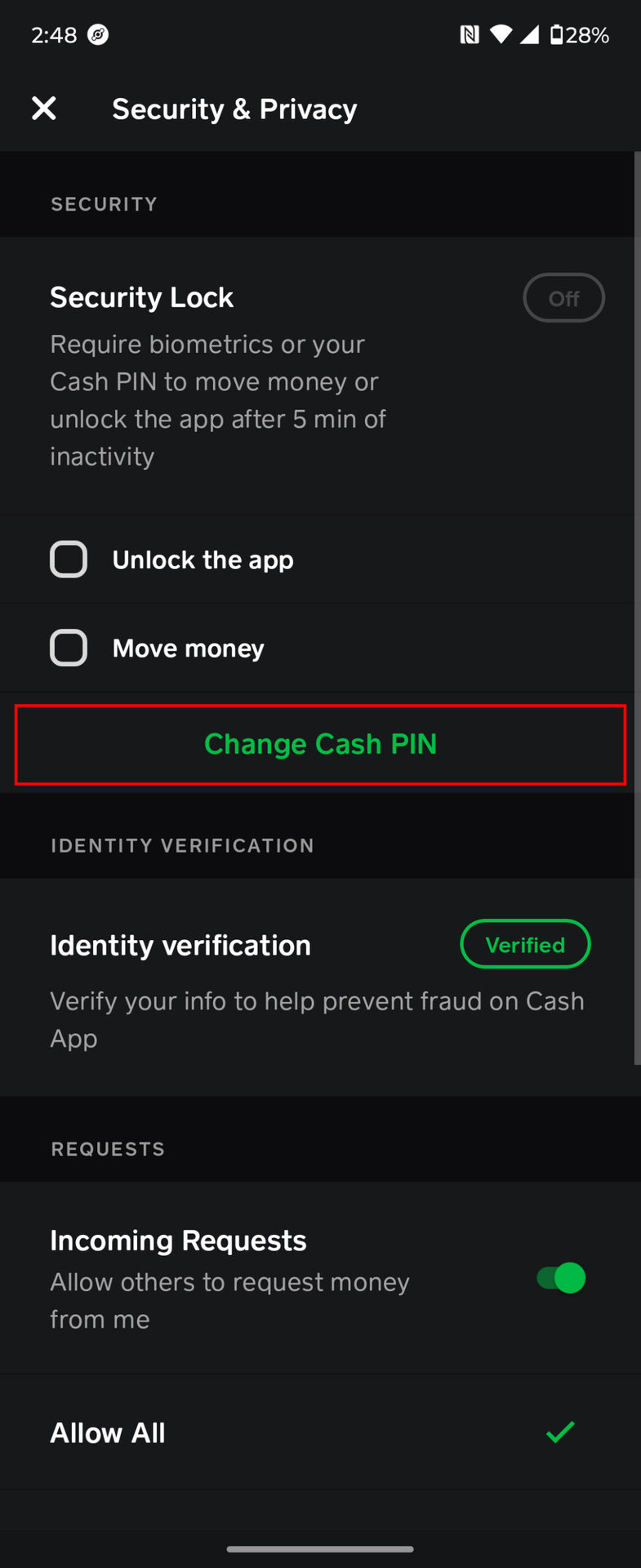
A primary criticism of Cash App’s customer support model is the limited availability of direct and immediate assistance, especially during urgent financial crises. While the platform offers in-app support, email, and social media channels, direct phone support with a live agent is often difficult to access or non-existent for routine inquiries. For complex issues such as unauthorized transactions, frozen accounts, or suspected fraud, immediate human intervention is often critical. The reliance on digital-only communication channels can lead to prolonged response times and generic, templated answers that fail to address the specificity of a user’s financial problem. This absence of readily available, personalized support can be particularly distressing for users who are experiencing active financial loss or are locked out of their funds, highlighting a significant gap in the platform’s ability to provide timely and effective financial assistance.
Protracted Resolution Processes
Even when users successfully engage with Cash App support, the resolution process for financial disputes can be frustratingly protracted. Reports indicate that investigating unauthorized transactions, unfreezing accounts, or correcting erroneous transfers can take weeks or even months. During this period, users are left in financial limbo, potentially unable to access their money or resolve critical payment issues. The bureaucratic nature of the dispute resolution, often requiring users to repeatedly explain their situation and provide documentation, can be emotionally and financially draining. For victims of fraud, a lengthy resolution process only compounds the initial financial loss and psychological impact, as they wait anxiously for a decision that may or may not go in their favor. This extended timeline for resolution significantly undermines user trust and confidence in the platform’s ability to safeguard their financial interests.
Insufficient Recourse for Financial Losses
Perhaps the most significant financial shortcoming of Cash App’s customer support is the perceived lack of sufficient recourse for users who have suffered monetary losses due to fraud or platform errors. While Cash App encourages users to report scams and security incidents, the outcome for recovering lost funds is often disappointing. Many users report that despite their best efforts to document fraud or provide evidence of unauthorized activity, Cash App’s final decision often results in them bearing the financial loss. This contrasts sharply with traditional financial institutions that typically offer stronger consumer protections and more robust mechanisms for recovering stolen funds or disputing charges. The limited liability Cash App assumes for certain types of fraud, coupled with the irreversible nature of many transactions, leaves users feeling exposed and without a safety net, making it a risky proposition for handling significant sums or relying on it as a primary financial tool.
Opaque Fees and Hidden Costs
While Cash App is generally advertised as a free service for basic peer-to-peer transactions, a deeper dive reveals several instances where users incur fees that might not always be immediately apparent or fully understood, impacting their overall financial management. These costs, while not always exorbitant individually, can accumulate and erode the value of using the platform for certain financial activities.
Instant Transfer Fees
One of the most common fees users encounter is for instant deposits from Cash App to a linked bank account. While standard deposits typically clear within 1-3 business days without charge, users who require immediate access to their funds are subject to a fee, usually 0.5% to 1.75% of the transferred amount. While this service offers convenience, the fee can be a significant cost for individuals who frequently need quick access to their money, especially those operating on tight budgets or receiving irregular income. For many, the “instant” nature of digital finance is a core expectation, making this fee feel like a penalty for timely access to their own funds. This can subtly erode the perception of Cash App as a truly “free” financial tool for all transactions.
Bitcoin Transaction Costs
Cash App also offers the ability to buy and sell Bitcoin, which is a popular feature for those interested in cryptocurrency. However, engaging in Bitcoin transactions on the platform comes with its own set of fees. Users are typically charged a service fee for each purchase or sale, which can vary based on market volatility and transaction size. Additionally, a “spread” fee, which is the difference between the bid and ask price of Bitcoin, is often built into the transaction. These fees, while standard in the crypto world, might not be explicitly broken down in a way that is easily understandable for novice users. For individuals trying to dabble in cryptocurrency with small amounts, these cumulative fees can significantly eat into their investment returns or increase their cost basis, impacting their financial strategy and profitability.
Cash Advance Implications
Cash App’s “Borrow” feature, effectively a short-term cash advance, presents another area where financial implications can become complex. While designed to offer quick liquidity, these advances come with specific repayment terms and fees that function similarly to interest. Users might be charged a flat fee or a percentage of the borrowed amount, and failure to repay on time can lead to additional charges or restrictions on future borrowing. While not a “hidden” fee in the traditional sense, the terms and conditions, and the compounding financial implications of not repaying on schedule, might not be fully appreciated by all users. Relying on such features frequently can lead to a cycle of debt and additional costs, posing a significant risk to personal financial health if not managed responsibly, highlighting a need for greater user education on the full financial impact.
Regulatory Scrutiny and User Protection
The rapid evolution of financial technology, exemplified by Cash App, has often outpaced regulatory frameworks, leading to gaps in consumer protection and oversight. As a financial tool operating across various jurisdictions, Cash App faces ongoing scrutiny regarding its compliance and its responsibility to safeguard user assets and data, particularly in light of the issues discussed.
Addressing AML/KYC Gaps
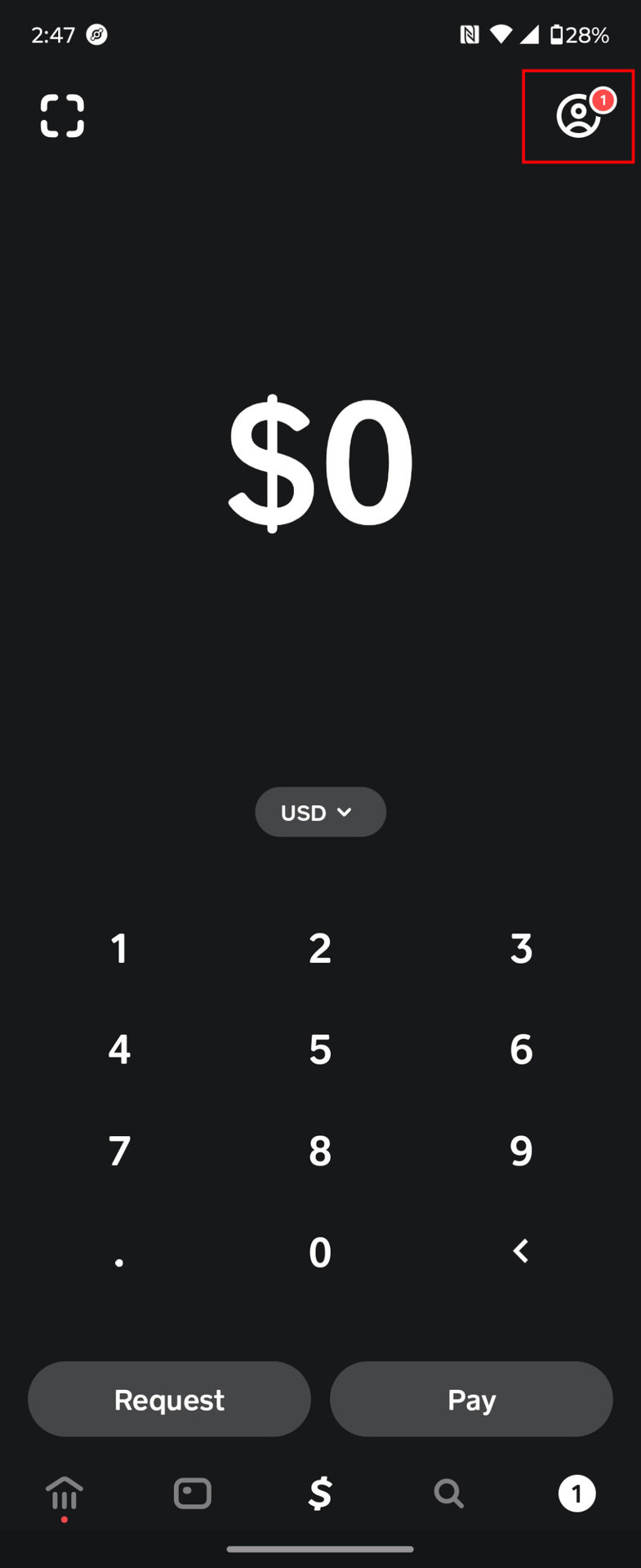
Anti-Money Laundering (AML) and Know Your Customer (KYC) regulations are crucial for preventing financial crime and ensuring the integrity of the financial system. While Cash App has implemented measures to comply with these regulations, particularly for higher transaction volumes or certain features, there have been concerns regarding the effectiveness of these protocols, especially at lower transaction tiers or during rapid user onboarding. Scammers and illicit actors have exploited these potential gaps, making it easier to conduct fraudulent activities and move illicit funds through the platform. Strengthening AML/KYC processes is not merely about compliance; it is fundamentally about protecting legitimate users by making the platform a less attractive target for criminals. Enhanced verification methods and more proactive monitoring for suspicious activity are essential to bolster the financial security of the entire user base.
The Need for Enhanced Consumer Safeguards
Given the prevalence of fraud, transactional issues, and customer support challenges, there is a clear and pressing need for enhanced consumer safeguards on Cash App. Unlike traditional banks which are heavily regulated and offer FDIC insurance, mobile payment apps often operate under different regulatory regimes, potentially offering fewer protections for user funds. This disparity leaves consumers more vulnerable when things go wrong. Calls for greater transparency in fee structures, more robust dispute resolution mechanisms, and improved accessibility to effective customer support are becoming louder. Furthermore, industry-wide standards for liability in cases of fraud and unauthorized transactions could provide a much-needed safety net for users. Ultimately, for Cash App to truly be a reliable financial tool, it must not only innovate in convenience but also lead in providing comprehensive financial protection and recourse for its millions of users.
aViewFromTheCave is a participant in the Amazon Services LLC Associates Program, an affiliate advertising program designed to provide a means for sites to earn advertising fees by advertising and linking to Amazon.com. Amazon, the Amazon logo, AmazonSupply, and the AmazonSupply logo are trademarks of Amazon.com, Inc. or its affiliates. As an Amazon Associate we earn affiliate commissions from qualifying purchases.