
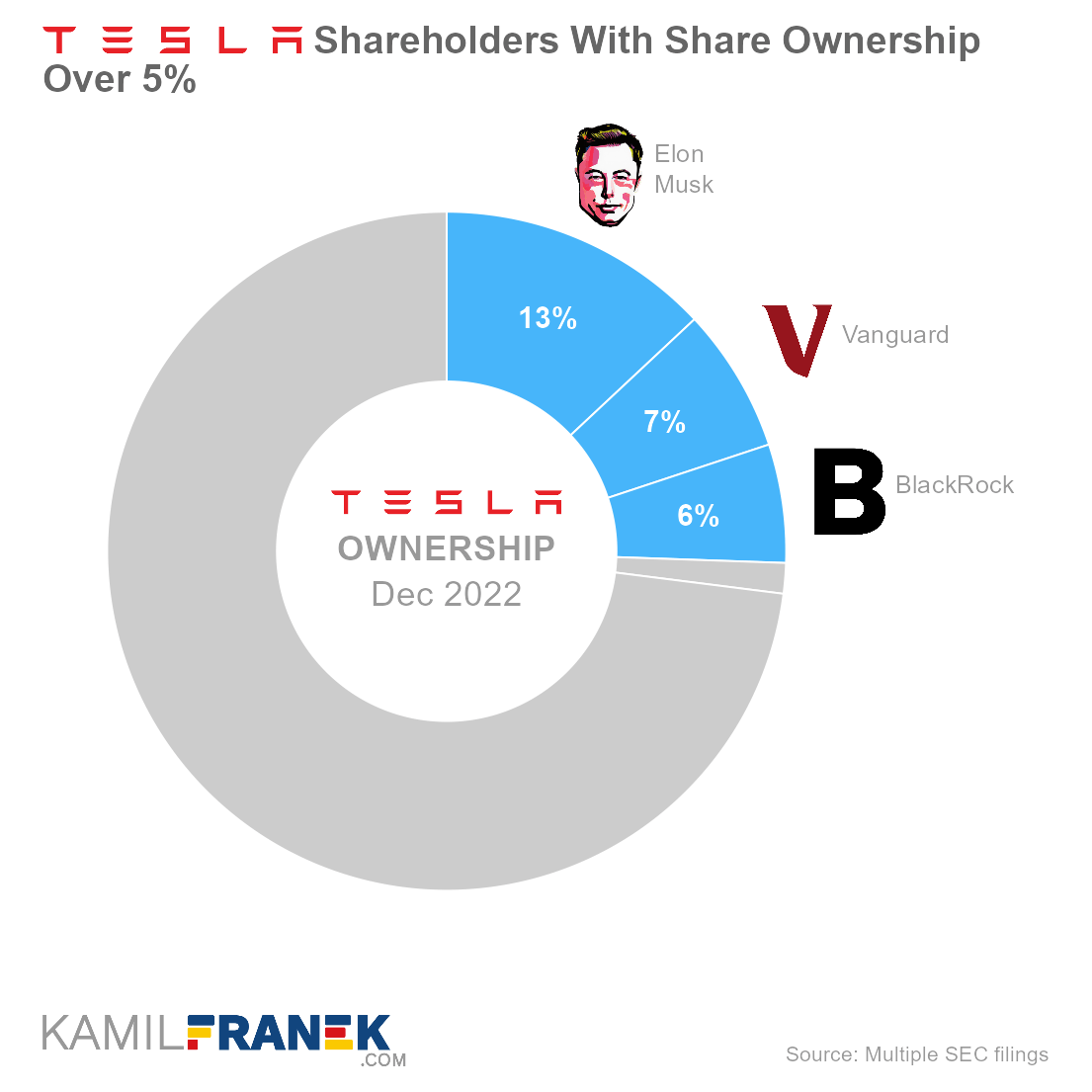
In the annals of corporate identity and brand strategy, few companies present as compelling a case study as Tesla. The question, “who runs Tesla?” extends far beyond a simple organizational chart, delving deep into the very essence of modern branding. It’s a query about leadership, vision, influence, and the profound impact a singular personality can have on a global enterprise’s perception, strategy, and market presence. While Tesla operates with a robust executive team and a board of directors, the unmistakable answer to who runs Tesla in the public imagination, and arguably in its brand DNA, is Elon Musk. His unique approach to leadership, innovation, and public engagement has forged a corporate identity unlike any other, transforming a niche electric vehicle manufacturer into a global cultural phenomenon.

The Architect of Identity: Elon Musk’s Singular Brand Leadership
Elon Musk is not merely a CEO; he is the principal architect of Tesla’s brand, a living embodiment of its values, vision, and even its controversies. His leadership style, characterized by audacious goals, unfiltered communication, and an almost messianic zeal, has fundamentally shaped Tesla’s corporate identity and brand strategy.
Elon Musk: The Personal Brand as Corporate Identity
Tesla’s brand is inextricably linked to Elon Musk’s personal brand. His public persona, a blend of visionary entrepreneur, disruptive innovator, and occasionally controversial provocateur, is synonymous with the company he leads. This symbiosis means that Musk’s triumphs are Tesla’s triumphs, and his public missteps often cast a shadow on the company’s reputation. For many consumers and investors, buying a Tesla is not just about acquiring a vehicle; it’s an alignment with Musk’s future-forward vision and his mission to accelerate the world’s transition to sustainable energy. This highly personalized branding approach allows Tesla to bypass many traditional marketing channels, leveraging Musk’s vast social media following and media attention as its primary communication platform.
Beyond Traditional Marketing: The Power of Narrative and Hype
Under Musk’s guidance, Tesla has redefined automotive marketing. Eschewing multi-million-dollar advertising campaigns, Tesla relies heavily on narrative, product reveals, and the organic generation of hype. Each product launch, from the Cybertruck’s bulletproof glass demonstration to the dramatic Roadster launch into space, becomes a global event, generating billions in earned media. This strategy is a direct reflection of Musk’s belief in the power of innovation and storytelling over conventional persuasion. He understands that a compelling narrative, infused with an element of audacity and aspiration, can create a more profound connection with consumers than any traditional advertisement. This approach cultivates a sense of belonging and participation among customers, transforming them into fervent brand advocates who propagate the Tesla story themselves.
A Visionary’s Influence on Design and Product Language
Musk’s direct involvement in product development is legendary, extending from engineering decisions to aesthetic choices. This top-down influence ensures that Tesla’s design language and product experience consistently reflect his vision of the future. The minimalist interiors, the emphasis on software-driven features, the singular touchscreen interface, and the futuristic exteriors of Tesla vehicles are not just design choices; they are expressions of the brand’s core identity. They communicate innovation, efficiency, and a departure from automotive tradition. This cohesive product language reinforces Tesla’s brand promise of being a technological leader, setting it apart from competitors who often prioritize incremental updates over revolutionary redesigns. The brand speaks through its products, and Musk’s vision dictates that conversation.
The Pillars of Tesla’s Brand Strategy: Mission and Ethos
Beyond the charismatic leadership of Elon Musk, Tesla’s brand strength is deeply rooted in a robust brand strategy built on a powerful mission and a distinctive ethos. This strategic foundation provides the company with a compelling identity that resonates with a global audience.
The Mission-Driven Enterprise: Accelerating the World’s Transition to Sustainable Energy
Tesla’s explicit mission — “to accelerate the world’s transition to sustainable energy” — is more than a slogan; it’s the bedrock of its corporate identity. This grand purpose elevates the company beyond a mere car manufacturer, positioning it as a pioneer in environmental stewardship and technological advancement. By appealing to a higher calling, Tesla attracts not only customers but also employees and investors who are deeply aligned with its ethical and environmental objectives. This mission-driven approach fosters an emotional connection with its audience, transforming consumer choice into a statement of values. The brand becomes a symbol of progress and responsibility, allowing it to command loyalty and advocacy that transactional brands struggle to achieve.
Disrupting the Status Quo: Innovation as a Core Identity
Tesla’s brand DNA is inherently rebellious and disruptive. From challenging the fossil fuel industry to upending traditional car manufacturing and sales models, Tesla consistently positions itself as an innovator that defies convention. This ethos of disruption is a core component of its brand identity, resonating with consumers who are tired of the status quo and seek cutting-edge solutions. The brand prides itself on taking risks, embracing challenges, and pushing technological boundaries, whether in battery technology, autonomous driving, or renewable energy storage. This commitment to relentless innovation not only keeps Tesla at the forefront of its industries but also reinforces its image as a fearless leader, unafraid to challenge established norms.
Cultivating a Global Community: The Power of Fandom
Tesla has masterfully cultivated a global community of passionate owners and enthusiasts, transforming its customer base into a powerful brand asset. Through features like over-the-air software updates, a referral program that incentivizes advocacy, and exclusive owner events, Tesla fosters a sense of belonging and shared vision. This community acts as an organic marketing force, generating word-of-mouth referrals and defending the brand online. The shared experience of owning a Tesla, coupled with the brand’s strong mission, creates a powerful sense of identity among its customers, turning them into brand ambassadors. This fandom is a direct result of Tesla’s leadership understanding that in the modern era, a strong brand is built not just on products, but on shared values and collective identity.
Navigating the Brand Landscape: Challenges and Resilience
Even with a potent brand and a charismatic leader, Tesla is not immune to challenges. Its unique brand strategy, while immensely powerful, also presents specific vulnerabilities and demands continuous adaptation.
The Double-Edged Sword of Personal Branding: Scrutiny and Controversy
The inseparable link between Elon Musk’s personal brand and Tesla’s corporate identity is a double-edged sword. While his charisma can ignite excitement and draw immense attention, his often-unfiltered public statements, especially on social media, can trigger widespread controversy. These incidents, ranging from legal challenges to shifts in stock market sentiment, directly impact Tesla’s brand reputation. The company often finds itself in a reactive mode, managing public relations crises stemming from its leader’s actions. This dynamic necessitates an agile and robust crisis management strategy, as Tesla’s brand resilience is constantly tested by external scrutiny and internal challenges related to its most prominent figure.
Adapting to Scale: Maintaining Brand Exclusivity Amidst Mass Production
As Tesla continues its trajectory of rapid growth and mass production, a critical brand challenge emerges: how to maintain the perception of exclusivity, innovation, and premium quality that defined its early years. Initially seen as a luxury item for early adopters, Tesla vehicles are becoming more mainstream. The brand must strategically balance increased accessibility with the preservation of its aspirational image. This involves careful consideration of pricing, product differentiation, and maintaining a cutting-edge technological lead. The risk is that as production scales, the brand could dilute its unique appeal, becoming just another car company rather than the visionary disruptor it aims to be.
Competitive Pressures and Brand Differentiation in a Crowded Market
The electric vehicle market is rapidly evolving, with established automakers and new startups fiercely competing for market share. Brands like Porsche, Mercedes-Benz, Hyundai, and countless others are investing heavily in their own EV lines, often boasting superior build quality or more luxurious interiors. In this increasingly crowded landscape, Tesla must continually reinforce its distinct brand differentiation. Its core strengths lie in its technological prowess (especially in software and battery management), its Supercharger network, and its powerful brand identity rooted in innovation and sustainability. Maintaining this differentiation requires continuous investment in R&D, strategic partnerships, and a clear communication of its unique value proposition, ensuring it doesn’t get lost in the noise of a burgeoning market.
Corporate Identity Beyond the CEO: Building a Sustainable Legacy
While Elon Musk’s presence is undeniable, a sustainable brand requires a corporate identity that transcends any single individual. Tesla is actively building a robust infrastructure of talent, design principles, and operational excellence that will ensure its brand endures and evolves.
Empowering a Diverse Leadership Team and Specialized Departments
Beneath Musk’s prominent leadership lies a talented and diverse team of executives, engineers, designers, and marketing professionals who are instrumental in executing Tesla’s ambitious vision. Individuals like Drew Baglino (SVP of Powertrain and Energy Engineering) and Tom Zhu (SVP of Automotive, China) play critical roles in product development, manufacturing, and regional strategy. These specialized departments contribute significantly to Tesla’s brand integrity by ensuring consistent quality, continuous innovation, and efficient operations. Their collective expertise and dedication reinforce the brand’s promise, showcasing that Tesla’s success is a culmination of brilliant minds, not just one.
Design Language and User Experience as Core Brand Assets
Tesla’s distinctive minimalist design language and intuitive user experience are powerful brand assets that provide continuity and recognition regardless of leadership changes. The clean lines, the absence of excessive buttons, the reliance on a central touchscreen interface, and the seamless integration of software updates are all meticulously crafted elements that define the Tesla experience. This consistent aesthetic and functionality foster a strong sense of corporate identity. It’s a brand that speaks through its carefully considered user journey, making the products instantly recognizable and desirable, reinforcing the perception of sophistication and technological advancement.
Succession Planning and the Evolution of the Tesla Narrative
The long-term health of Tesla’s brand hinges on its ability to evolve beyond its founder. Discussions around succession planning, and how the company will maintain its identity and drive without Musk at the helm, are crucial. A mature brand develops a narrative that is resilient and adaptable, capable of incorporating new leadership while retaining its core values. Tesla’s future brand narrative will likely need to emphasize its institutional strengths—its technological leadership, its mission, and its global community—over the personality of any single individual. This evolution will be a critical test of whether Tesla has built a brand that can truly stand the test of time, independent of its charismatic founder.
The Future of Tesla’s Brand: Evolution and Enduring Influence
Tesla’s journey from a nascent startup to a global powerhouse is a testament to the power of visionary leadership and a compelling brand strategy. The question of “who runs Tesla” will continue to be answered by the confluence of its iconic leader, its ambitious mission, and its ever-evolving corporate identity.
Expanding Beyond Automotive: Energy, AI, and Robotics
As Tesla expands its footprint into energy storage, AI, and robotics, its brand identity must similarly stretch and adapt. The challenge lies in maintaining a coherent and strong brand message across a diverse portfolio of products and services. The core mission of sustainable energy and technological advancement provides a powerful unifying theme, but each new venture requires careful brand positioning to ensure relevance and resonance with new customer segments. Tesla’s brand will increasingly represent a broader future, not just electric vehicles, demanding strategic articulation of its overarching vision.
Sustaining Brand Loyalty in a Dynamic Market
In a rapidly changing technological and economic landscape, sustaining deep brand loyalty is paramount. Tesla’s future success will depend on its ability to continue innovating, delivering on its promises, and maintaining the emotional connection it has forged with its community. This means continually pushing the boundaries of technology, enhancing the customer experience, and reinforcing its core values. The brand must remain agile, listening to its community and adapting to new market demands while staying true to the disruptive ethos that defines it.
The Enduring Case Study of Maverick Branding
Ultimately, Tesla’s brand story, significantly shaped by Elon Musk’s unconventional leadership, will remain an enduring case study in modern corporate identity and disruptive marketing. It showcases how a powerful mission, coupled with a visionary leader and an innovative product strategy, can create a brand that transcends traditional industry boundaries. “Who runs Tesla?” is answered not just by the names on its board, but by the indelible mark of a brand that dares to dream big, challenge the impossible, and inspire a global movement towards a sustainable future.
aViewFromTheCave is a participant in the Amazon Services LLC Associates Program, an affiliate advertising program designed to provide a means for sites to earn advertising fees by advertising and linking to Amazon.com. Amazon, the Amazon logo, AmazonSupply, and the AmazonSupply logo are trademarks of Amazon.com, Inc. or its affiliates. As an Amazon Associate we earn affiliate commissions from qualifying purchases.