
The landscape of modern cinema has evolved far beyond the simple flickering light of a 35mm projector. Today, the theater-going experience is a sophisticated intersection of high-end hardware, digital processing, and architectural engineering. At the forefront of this evolution is Regal Cinemas’ proprietary “Regal Premium Experience,” commonly known as RPX. While many patrons recognize it as a “premium” ticket option, the technical architecture behind RPX represents a significant leap in audiovisual integration. To understand RPX is to understand the meticulous synchronization of projection optics, multi-dimensional audio arrays, and ergonomic design.

The Visual Core: High-Definition Projection and Screen Engineering
The primary differentiator for any premium large format (PLF) is the visual fidelity. RPX is not merely a “bigger screen”; it is a custom-engineered visual environment designed to maximize brightness, color accuracy, and pixel density.
Dual-Projector Systems and Light Output
Standard digital cinema often suffers from light decay, especially when projected onto larger surfaces. RPX addresses this through the implementation of dual-projector systems. By utilizing two high-lumen projectors simultaneously, the system can achieve a brightness level that significantly exceeds industry standards. This is particularly crucial for 3D presentations, where the polarized glasses naturally dim the image. The RPX tech stack ensures that even with the light loss from 3D lenses, the image remains vibrant and crisp, maintaining a high contrast ratio that reveals detail in both deep shadows and bright highlights.
4K Laser Projection and Resolution
In select flagship locations, RPX has transitioned to 4K laser projection technology. Unlike traditional Xenon bulb projectors, laser light sources provide a much wider color gamut, approaching the Rec. 2020 color space standard. This results in more saturated reds, deeper blues, and more realistic skin tones. Furthermore, the 4K resolution ensures that even for viewers sitting in the front rows, the pixel structure remains invisible, providing a seamless “window-like” view into the film’s world.
Screen Material and Gain Optimization
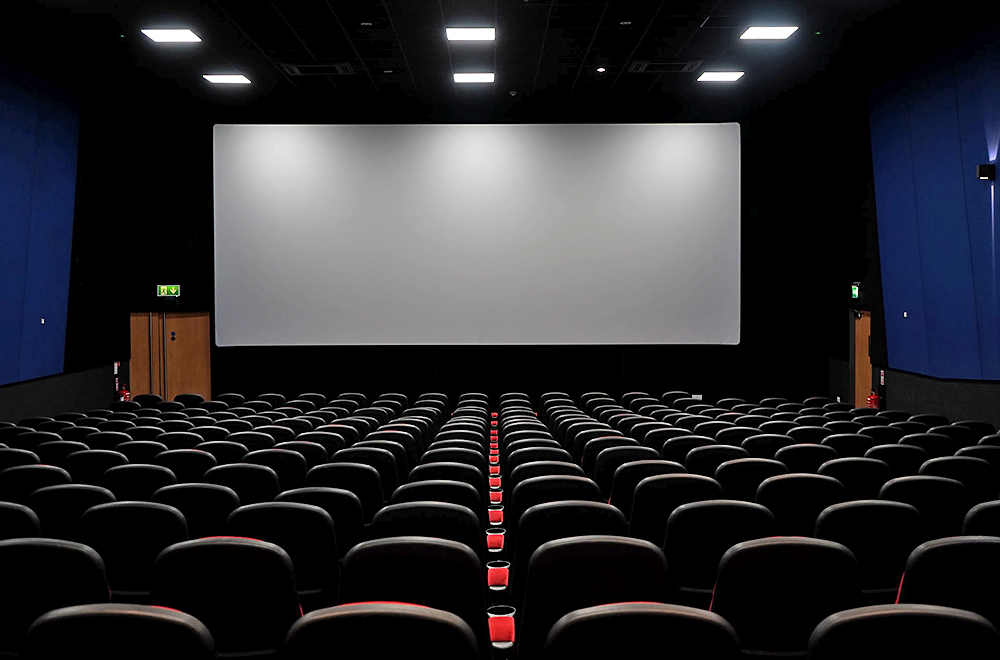
The screens used in RPX auditoriums are not standard white PVC. They are often “high-gain” screens coated with silver or pearlized finishes. This engineering choice is designed to reflect more light back toward the audience rather than scattering it toward the walls. The screens are also acoustically transparent, featuring thousands of microscopic perforations that allow sound from the speakers mounted directly behind the screen to pass through without high-frequency attenuation. This ensures that the dialogue feels as though it is coming directly from the characters’ mouths, aligning the visual and auditory origins perfectly.
Auditory Precision: The Science of RPX Soundscapes
While the screen captures the eyes, the audio system in an RPX theater is designed to manipulate the listener’s sense of space. The technical configuration of RPX audio goes beyond simple surround sound, moving into the realm of object-based audio and high-fidelity reproduction.
Multi-Dimensional Audio Arrays
Most RPX theaters utilize an advanced audio configuration, often leveraging the Dolby Atmos or Auro 11.1 platforms. Unlike traditional 5.1 or 7.1 systems, which channel sound to specific “zones” (left, right, rear), these systems treat sound as “objects.” In an RPX environment, a speaker array is installed not just on the walls, but also on the ceiling. This allows sound engineers to move a specific noise—such as a helicopter or a raindrop—to a precise coordinate in the 3D space of the theater.
Custom Amplification and Transducer Tech
The hardware driving these sounds involves high-wattage, low-distortion amplifiers. RPX theaters are equipped with massive subwoofers—often positioned both behind the screen and at the rear of the hall—to handle the Low-Frequency Effects (LFE) channel. Some RPX installations go a step further by integrating tactile transducers (often called “buttkickers”) into the seating. These devices don’t produce audible sound; instead, they convert low-frequency audio signals into physical vibrations, allowing the viewer to “feel” the resonance of an explosion or the rumble of an engine through their seat.
Acoustic Calibration and Room Treatment
The architectural tech of an RPX room is as important as the speakers themselves. These auditoriums undergo rigorous acoustic treatment to eliminate “standing waves” and echoes. Sound-absorbing panels are strategically placed to ensure that the audio remains “dry” and clear, preventing the muddying effect that occurs when sound bounces off hard surfaces. This precise calibration ensures that whether a viewer is in the center seat or on the aisle, the frequency response remains consistent.
Architectural Design and Ergonomic Innovation
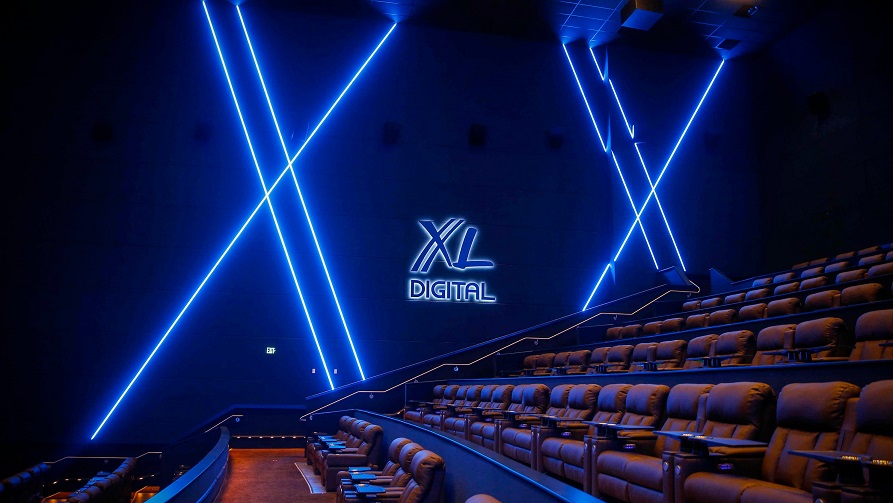
A premium tech experience is negated if the physical environment is uncomfortable or distracting. RPX integrates several structural engineering choices to ensure that the technology is experienced in an optimized setting.
Sightline Optimization and Stadium Seating
The geometry of an RPX theater is calculated using advanced sightline modeling software. The “stadium seating” rake (the angle of the floor) is steeper than in traditional theaters. This ensures that every head in the audience is well below the bottom of the screen for the person behind them, providing an unobstructed view of the massive canvas. This verticality also helps in the distribution of the overhead audio, ensuring the ceiling speakers have a clear path to every listener.
Custom Seating Technology
The seats in an RPX theater are a far cry from the folding chairs of the past. They are often custom-designed rockers or fully motorized recliners. From a tech perspective, these seats are engineered for “active” listening. They use materials that are acoustically neutral so as not to reflect sound back into the room. The ergonomic design focuses on spinal alignment, recognizing that if a viewer is physically fatigued, their cognitive ability to process high-fidelity visuals and audio diminishes over the course of a three-hour film.
Light Leakage and Environmental Control
Total immersion requires the elimination of external stimuli. RPX auditoriums feature sophisticated light-lock entrances and “blacked-out” interior finishes. The walls are typically covered in non-reflective black fabric to prevent light from the screen from bouncing back onto the image and washing out the contrast. Additionally, the HVAC systems are engineered for “silent flow,” using oversized ducts to move large volumes of air at low velocities, ensuring that the cooling system doesn’t create a hum that interferes with the theater’s high-dynamic-range audio.
RPX vs. The Tech Landscape: Benchmarking Against IMAX and Dolby
To truly understand the “what” of RPX, one must look at how it benchmarks against other industry-leading technologies. While brands like IMAX are defined by their specific aspect ratios and proprietary film formats, RPX is a hardware-agnostic “super-spec.”
Screen Aspect Ratios and Format Flexibility
IMAX typically uses a 1.90:1 or 1.43:1 aspect ratio, which requires films to be specifically formatted or shot with IMAX cameras. RPX, conversely, is designed to be the ultimate venue for the standard 2.39:1 “CinemaScope” format used by the vast majority of Hollywood features. This makes RPX a more versatile technical environment, as it can display any high-resolution digital master without the need for letterboxing or cropping, utilizing every square inch of its massive screen.
Proprietary Mastering vs. Technical Standards
While Dolby Cinema relies on “Dolby Vision” (a proprietary HDR mastering process), RPX focuses on the sheer power of the delivery system. It is designed to take a high-bitrate Digital Cinema Package (DCP) and push it to its physical limits through sheer brightness and sound pressure. For many cinephiles, RPX represents the “Director’s Cut” of theater tech: it doesn’t necessarily change the image format, but it ensures the hardware is powerful enough to reproduce the director’s vision with zero compromises.
The Future of Premium Large Format (PLF) Technology
As we look toward the next decade of cinema, RPX serves as a bridge to even more advanced technologies. The integration of AI and sustainable engineering is already beginning to influence how these theaters operate.
AI-Driven Image Enhancement and Monitoring
Modern RPX systems are increasingly monitored by remote AI diagnostics. These systems can detect when a projector bulb is beginning to dim or when a specific speaker in the 11.1 array is out of phase. By using machine learning to analyze the “health” of the auditorium’s tech stack, Regal can ensure that the “Premium” in RPX is maintained 24/7 without manual calibration errors.
Sustainable Tech in Modern Cinema
The move toward laser projection is not just about image quality; it is a major step in green technology. Laser projectors consume significantly less power than Xenon systems and have a much longer operational life, reducing electronic waste. Furthermore, the development of more efficient cooling systems and LED-based ambient lighting in the aisles demonstrates a shift toward high-performance, low-impact theater engineering.
In conclusion, RPX is far more than a marketing label. It is a curated ecosystem of high-end projection optics, object-based audio, and precision architectural engineering. By focusing on the technical pillars of brightness, clarity, and spatial sound, RPX provides a benchmark for what modern digital cinema should be. For the viewer, it means the difference between simply watching a movie and being technically enveloped in a digital masterpiece.
aViewFromTheCave is a participant in the Amazon Services LLC Associates Program, an affiliate advertising program designed to provide a means for sites to earn advertising fees by advertising and linking to Amazon.com. Amazon, the Amazon logo, AmazonSupply, and the AmazonSupply logo are trademarks of Amazon.com, Inc. or its affiliates. As an Amazon Associate we earn affiliate commissions from qualifying purchases.