
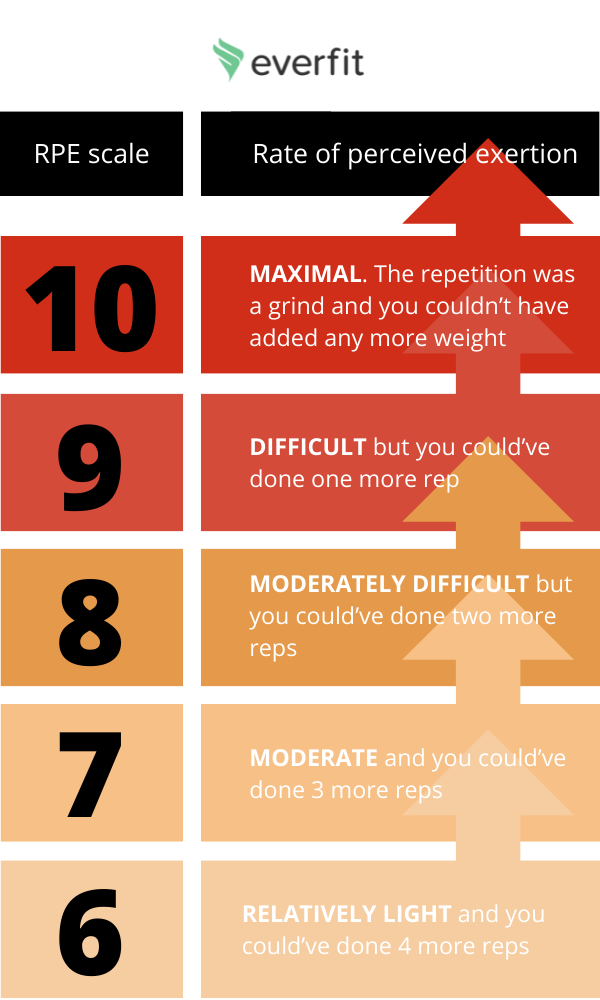
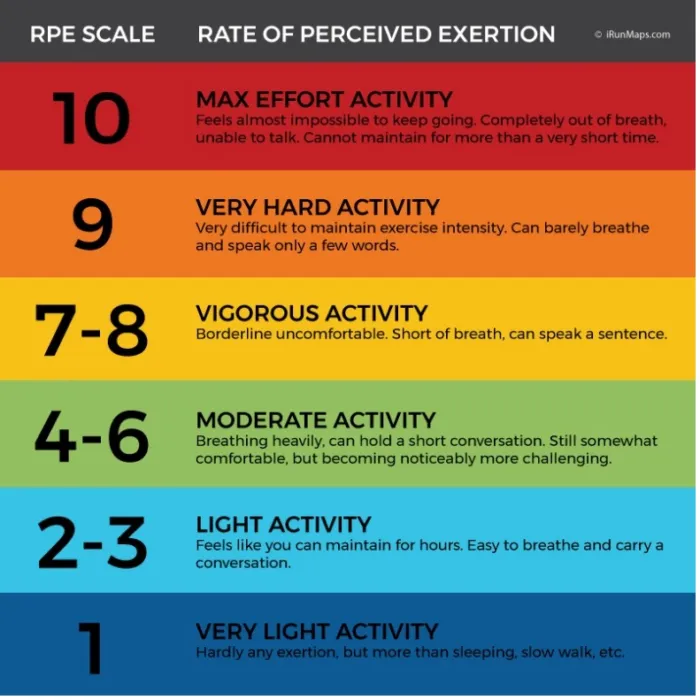
In the rapidly evolving landscape of health technology, the intersection of human physiology and digital precision has birthed a new era of “Quantified Self” training. At the heart of this movement is a concept once relegated to subjective journals and veteran intuition: RPE, or the Rate of Perceived Exertion. In the context of weight training, RPE is a numerical scale (typically 1–10) used to measure the intensity of a set based on how much effort a lifter feels they are exerting.
However, in the modern era, RPE has transitioned from a simple mental check-in to a cornerstone of high-level fitness software, AI coaching algorithms, and wearable integration. For tech enthusiasts and developers, RPE represents the ultimate challenge in data normalization—translating the subjective human experience into objective, actionable data points that drive performance.
From Subjective Scales to Objective Data: The Tech Behind Modern RPE
The traditional Borg Scale was designed as a manual way for athletes to communicate with coaches. In the digital age, this manual input has been transformed into a sophisticated data stream. Technology has moved RPE from a “gut feeling” to a calibrated metric that integrates with a user’s entire digital health profile.
The Shift from Pen-and-Paper to Digital Integration
Modern training applications like Stronger by the Day, JuggernautAI, and Renaissance Periodization have replaced the physical training log with dynamic interfaces. When a user inputs an RPE of “8” into these platforms, the software isn’t just recording a number; it is running that figure against historical data, projected 1-rep maximums, and fatigue curves. This digital integration allows for “autoregulation,” a programming strategy where the software adjusts the weight for the next set or the next workout based on the RPE of the current set. This represents a significant leap in software logic, moving away from static linear progression to dynamic, responsive programming.
Biofeedback Sensors and Heart Rate Variability (HRV)
While RPE is technically a subjective measure, tech companies are increasingly using biofeedback to validate these perceptions. Wearables like the Oura Ring and Whoop strap track Heart Rate Variability (HRV) and resting heart rate to provide a “Readiness Score.” If a user’s digital dashboard indicates poor recovery (low HRV), but the user attempts a high RPE set, the software can flag this discrepancy. This synthesis of subjective RPE and objective biometric data creates a comprehensive view of an athlete’s central nervous system state, a level of insight previously unavailable without expensive laboratory equipment.
Algorithmic Autoregulation: How Software Optimizes Gains
The true power of RPE in the tech sector lies in the algorithms that govern “Autoregulated Volume Therapy.” For software developers in the fitness niche, the goal is to build an AI coach that knows the user better than they know themselves.
AI-Driven Load Management
Artificial Intelligence is now being used to analyze RPE patterns over months of training. Machine learning models can identify “RPE creep,” where a user consistently underestimates their exertion, leading to overtraining. Sophisticated apps use these patterns to recalibrate a user’s intensity. For example, if a user inputs an RPE 7 but their bar speed (captured via computer vision or sensors) suggests an RPE 9, the AI can intervene. This “correction layer” in fitness software ensures that the data driving the training plan remains accurate, preventing the “garbage in, garbage out” problem that plagues many data-driven fitness programs.
Velocity-Based Training (VBT) as a Digital RPE Validator
One of the most exciting hardware developments in weight training is Velocity-Based Training (VBT) technology. Devices like Vitruve or SBD sensors use high-frequency accelerometers and gyroscopes to measure the meters-per-second (m/s) speed of a barbell. There is a direct, linear correlation between the speed of a lift and the remaining repetitions in reserve (RPE).

Tech companies are now integrating VBT directly into smartphone apps, using the phone’s camera and computer vision (CV) to track bar path and speed. By converting a video feed into a velocity measurement, the software provides an objective “Digital RPE.” This removes human ego from the equation, providing a tech-validated exertion score that tells the lifter exactly when to stop a set to maximize stimulus while minimizing systemic fatigue.
Wearable Ecosystems and the Gamification of Exertion
The consumer tech market has embraced RPE by folding it into broader “ecosystems” that gamify the lifting experience. By turning exertion into a score, tech companies have increased user engagement and retention.
Smart Wearables: Translating RPE into Readiness Scores
Garmin and Apple have integrated “Training Load” and “Exertion” metrics into their health suites. In these ecosystems, an RPE score isn’t an isolated event; it is a variable in a much larger equation that includes sleep quality, caloric expenditure, and metabolic rate. The “Readiness Score” found in modern smartwatches is essentially an algorithmic prediction of what a user’s RPE should be for a given task. When the user completes a workout and confirms their RPE, the wearable’s software uses that feedback loop to sharpen its future predictions, creating a personalized digital twin of the user’s physiology.
The Role of App-Based Communities in Effort Tracking
Social fitness platforms like Strava and specialized lifting communities have introduced a social tech layer to RPE. By sharing “Relative Effort” (a derivative of RPE), users can compare their intensity levels across different sports and strength levels. This gamification—the ability to see how hard your peers are working relative to their own capacity—utilizes cloud-based data sharing to foster a sense of competition. From a software perspective, this requires robust API integrations between various tracking devices and social platforms to ensure that an RPE 8 on a stationary bike is weighed accurately against an RPE 8 on a squat rack.
Digital Security and Data Privacy in the Fitness Tech Space
As RPE becomes more integrated into the digital health stack, the sensitivity of the data being collected increases. We are no longer just talking about how much weight someone lifted; we are talking about their perceived stress levels, heart health, and daily fatigue.
Protecting Biometric Data
The tech industry must grapple with the privacy implications of RPE data. Because RPE is often mapped alongside GPS data, heart rate, and even hormonal profiles in advanced coaching apps, it constitutes highly personal health information (PHI). Developers in this space are increasingly turning to end-to-end encryption and decentralized data storage to protect users. As AI coaching becomes more prevalent, the “black box” of how this exertion data is stored and used by insurance companies or third-party advertisers is a growing concern in the digital security niche.
The Future of Cloud-Based Performance Analysis
Looking forward, the future of RPE lies in the “Cloud Coach” model. Imagine a system where your weight training data is stored in a secure cloud, accessible by your doctor, your physical therapist, and your digital trainer. Using big data analytics, researchers could aggregate millions of RPE data points to identify early warning signs of injury or burnout across entire populations.
This move toward “Big Fitness Data” suggests that RPE will eventually move beyond the weight room. We are seeing the early stages of this in corporate wellness tech, where “perceived exertion” at work is being measured to prevent employee burnout. The technology developed to track a heavy set of five squats is now providing the framework for tracking human resilience in the modern digital workplace.
In conclusion, RPE in weight training is no longer just a manual tool for the athlete; it is a vital metric in the global health-tech stack. Through AI-driven autoregulation, computer vision validation, and wearable integration, the technology sector has successfully turned a subjective feeling into a powerful, objective driver of human performance. As software continues to eat the world, it is now beginning to digest the very essence of human effort.
aViewFromTheCave is a participant in the Amazon Services LLC Associates Program, an affiliate advertising program designed to provide a means for sites to earn advertising fees by advertising and linking to Amazon.com. Amazon, the Amazon logo, AmazonSupply, and the AmazonSupply logo are trademarks of Amazon.com, Inc. or its affiliates. As an Amazon Associate we earn affiliate commissions from qualifying purchases.