
In an increasingly connected world where personal health data is perpetually streamed and analyzed, understanding the nuances of our physical well-being has never been more critical. Among the myriad physiological indicators that technology now helps us track, sleep stands out as a frontier ripe for innovation. Within the complex landscape of sleep disorders, a term frequently encountered is “hypopnea.” Far from being merely medical jargon, hypopneas represent a significant yet often overlooked aspect of sleep-disordered breathing, with profound implications for an individual’s health and quality of life. As technology advances, our ability to detect, diagnose, and manage these events is rapidly evolving, moving from specialized sleep labs to integrated smart home systems and wearable devices.
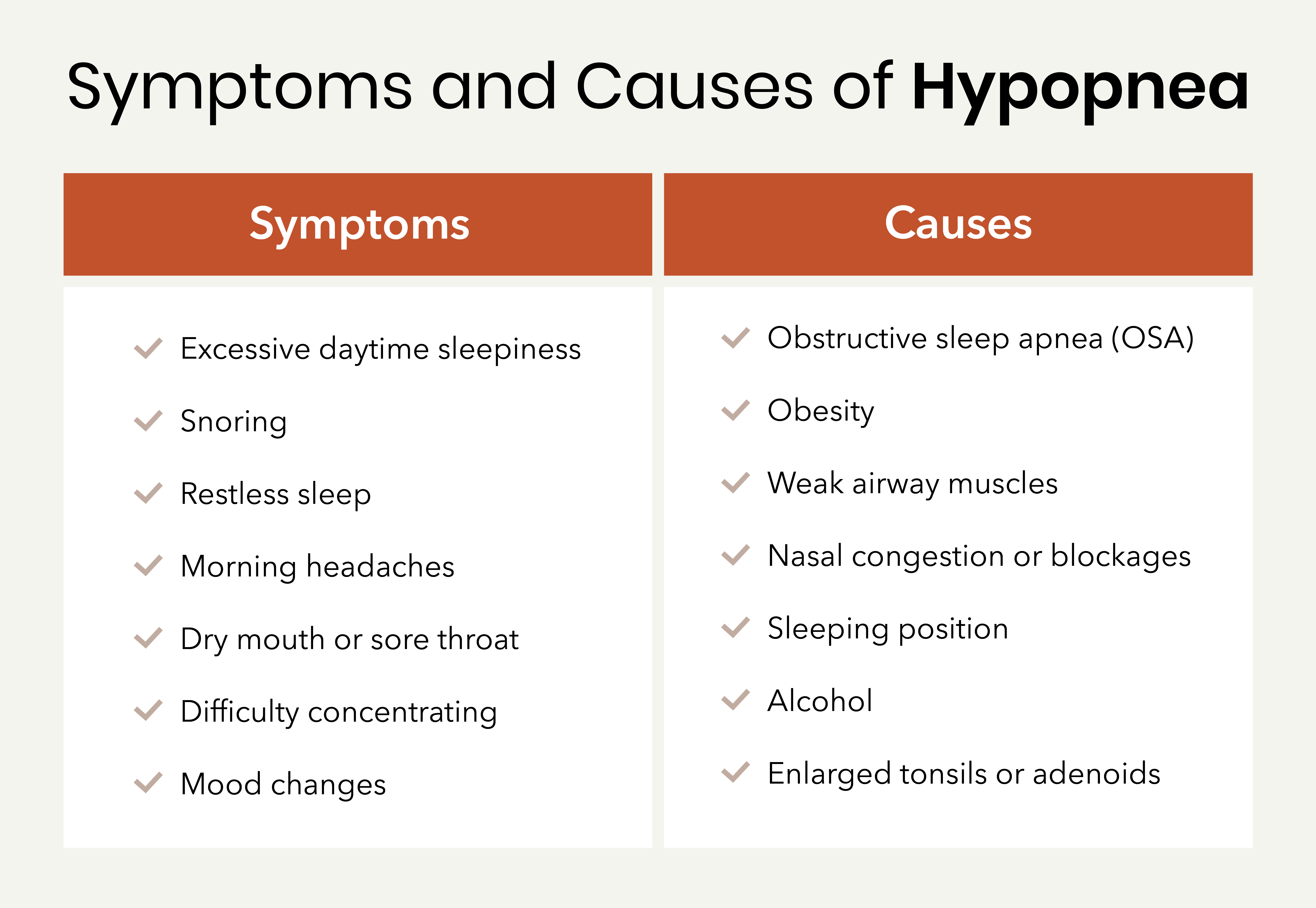
At its core, a hypopnea refers to a partial blockage of the upper airway during sleep, leading to a significant reduction in airflow. Unlike an apnea, which is a complete cessation of breathing, a hypopnea involves a reduction in airflow by at least 30-50% for ten seconds or longer, accompanied by a drop in blood oxygen levels (desaturation) of 3% or more, or an arousal from sleep. This seemingly subtle distinction is paramount, not just for clinical classification but also for how technology is deployed to identify and intervene in these events. The silent, repetitive nature of hypopneas often means they go unnoticed by the individual, making technological assistance indispensable for both awareness and management. Understanding what hypopneas are, how they manifest, and crucially, how cutting-edge technology is transforming our approach to them, is essential for anyone navigating the modern health landscape.
Understanding Hypopneas in the Digital Age of Health Monitoring
The phenomenon of hypopneas is deeply rooted in the mechanics of our respiratory system during sleep. As we drift into deeper sleep stages, muscle tone throughout the body, including the muscles supporting the upper airway, naturally relaxes. For some individuals, this relaxation, combined with anatomical factors like jaw structure, tonsil size, or nasal passages, can lead to a narrowing of the airway. This partial collapse or obstruction is the physiological precursor to a hypopnea, resulting in reduced air intake despite continued respiratory effort. In the era of digital health, where data acquisition and analysis are paramount, understanding this underlying physiology becomes the foundational layer for developing effective monitoring and intervention technologies.
The Physiology of Impaired Breathing During Sleep
During wakefulness, our muscles maintain adequate tension to keep the airway open. However, sleep ushers in a state of reduced muscle activity. This natural physiological shift is the primary culprit in sleep-disordered breathing. When the pharyngeal muscles relax excessively, the airway narrows. This constriction increases resistance to airflow, forcing the sleeper to work harder to breathe. If the airflow reduction meets the criteria for a hypopnea—a drop of 30-50% for 10 seconds or more, coupled with oxygen desaturation or an arousal—it signals a critical disruption. Modern sleep diagnostics, from sophisticated polysomnography setups to consumer-grade sleep trackers, are designed to detect these subtle physiological shifts. Sensors monitor everything from respiratory effort (via bands around the chest and abdomen) to oxygen saturation (pulse oximeters) and brain activity (EEG), painting a comprehensive digital picture of what transpires during sleep.
Differentiating Hypopneas from Apneas: A Crucial Distinction for Accurate Diagnosis
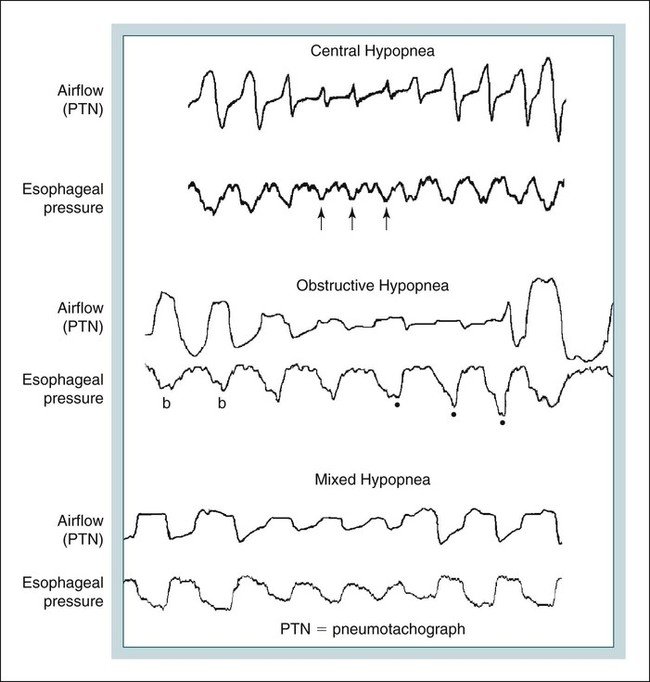
While often discussed together, distinguishing between hypopneas and apneas is vital for precise diagnosis and tailored treatment. An apnea represents a complete cessation of airflow for at least 10 seconds. The individual literally stops breathing. A hypopnea, conversely, is a partial reduction. Both lead to oxygen desaturation and/or arousal, fragmenting sleep and straining the cardiovascular system. However, their specific characteristics inform the Apnea-Hypopnea Index (AHI), a key metric used to determine the severity of Sleep Apnea. Technology plays a crucial role in making this distinction, with advanced algorithms in sleep analysis software able to discern between brief periods of no airflow (apneas) and prolonged periods of significantly reduced airflow (hypopneas). The accuracy of these algorithms directly impacts the diagnostic outcome and the subsequent treatment recommendations, highlighting the indispensable role of computational precision in modern sleep medicine.
The Silent Threat: Health Implications Beyond Snoring
The immediate effects of hypopneas—snoring, gasping, brief awakenings, and fragmented sleep—are often dismissed as mere annoyances. However, the long-term consequences extend far beyond a restless night. Repeated episodes of oxygen desaturation and sleep arousal place significant stress on the body. Chronic hypopneas are strongly linked to an increased risk of hypertension, cardiovascular disease, stroke, type 2 diabetes, and metabolic syndrome. Cognitive impairments, such as poor concentration, memory issues, and reduced productivity, are also common. Mood disturbances, including depression and irritability, frequently accompany untreated sleep-disordered breathing. In essence, hypopneas are not just about sleep quality; they are a critical indicator of systemic health challenges. Technology, from AI-powered diagnostic tools to personalized health dashboards, is now enabling individuals and clinicians to connect these seemingly disparate dots, illustrating the profound impact of sleep on overall wellness and driving proactive intervention.
Leveraging Technology for Early Detection and Diagnosis
The journey from suspecting sleep-disordered breathing to receiving an accurate diagnosis was historically confined to specialized, often inconvenient, sleep laboratories. While still the gold standard, technology has dramatically expanded the avenues for detection and diagnosis, making these vital services more accessible, efficient, and integrated into our daily lives.
Sleep Lab Diagnostics: The Gold Standard Enhanced by Digital Tools
Polysomnography (PSG) in a sleep lab remains the most comprehensive diagnostic tool for sleep disorders, including hypopneas. However, even this traditional setting has been revolutionized by digital technology. Modern PSG systems are entirely digital, recording vast amounts of data—brain waves (EEG), eye movements (EOG), muscle activity (EMG), heart rhythm (ECG), respiratory effort, airflow, oxygen saturation, limb movements, and sleep position—simultaneously. Sophisticated software analyzes these intricate data streams, automatically identifying apneas, hypopneas, and other sleep events with high precision. Technicians can remotely monitor patients, and physicians can review data from anywhere, streamlining the diagnostic process. The integration of high-resolution sensors and powerful processing units ensures that the “gold standard” continues to evolve, offering ever more granular insights into a patient’s sleep architecture and respiratory events.
Wearable Technology and Smart Devices: Bridging the Gap to Home Monitoring
Perhaps the most significant technological leap in sleep health has been the advent of consumer-grade wearable devices and smart home technology. Smartwatches, rings, and under-mattress sensors are now equipped with an array of sensors—accelerometers, gyroscopes, optical heart rate monitors, and even pulse oximeters—that can track sleep duration, stages, heart rate variability, and blood oxygen levels. While not diagnostic tools in themselves, these devices can identify patterns suggestive of sleep-disordered breathing, such as frequent oxygen desaturations or fragmented sleep, prompting users to seek professional evaluation. Advanced algorithms, often leveraging machine learning, interpret this complex data, presenting it in user-friendly app interfaces. This bridges a crucial gap, allowing individuals to proactively monitor their sleep health and providing initial, actionable insights that can be shared with healthcare providers, accelerating the diagnostic pathway for potential hypopneas and apneas.
AI and Machine Learning: Predictive Analytics for Sleep Disorders
The sheer volume of sleep data generated by both clinical and consumer devices presents a perfect playground for Artificial Intelligence and Machine Learning. AI algorithms can identify subtle patterns in polysomnographic data that might be missed by human observers, leading to more accurate and efficient diagnoses. For example, AI can analyze raw EEG, EOG, and EMG signals to automatically stage sleep, detect micro-arousals, and pinpoint specific respiratory events like hypopneas with remarkable precision. Beyond diagnostics, AI is moving towards predictive analytics. By analyzing a combination of sleep data, lifestyle factors, genetics, and medical history, AI models could potentially identify individuals at high risk for developing sleep disorders before symptoms become severe. This proactive approach holds immense promise for personalized preventive interventions, shifting the paradigm from reactive treatment to anticipatory care, ultimately improving long-term health outcomes for those susceptible to hypopneas.
Therapeutic Technologies: Innovating Treatment and Management
Once hypopneas are diagnosed, technology continues to play a pivotal role in their treatment and ongoing management. From established devices that have been refined over decades to innovative solutions leveraging cutting-edge engineering, the therapeutic landscape for sleep-disordered breathing is constantly advancing.
Continuous Positive Airway Pressure (CPAP): The Evolving Benchmark

Continuous Positive Airway Pressure (CPAP) therapy remains the most effective and widely prescribed treatment for obstructive sleep apnea and frequent hypopneas. The core technology involves a machine that delivers a continuous stream of air through a mask worn during sleep, creating enough positive pressure to keep the airway open. While the fundamental principle remains, CPAP technology has undergone significant evolution, driven by patient comfort and adherence. Modern CPAP machines are quieter, smaller, and feature advanced algorithms like auto-CPAP (APAP) which automatically adjust pressure levels based on real-time airflow needs. Mask designs have become more ergonomic and less intrusive. Furthermore, integrated cellular modems and Wi-Fi connectivity allow for remote monitoring of compliance and efficacy data, enabling healthcare providers to remotely adjust settings and provide support, drastically improving long-term adherence to this life-changing therapy.
Beyond CPAP: Oral Appliances, Positional Therapy, and Neurostimulation
For patients who cannot tolerate CPAP or whose condition is milder, technological alternatives offer diverse solutions. Mandibular Advancement Devices (MADs) are custom-made oral appliances that position the jaw forward, thereby opening the airway. Their design and manufacturing leverage 3D scanning and printing technologies for a precise, comfortable fit. Positional therapy devices, often worn around the neck or torso, use vibration or biofeedback to gently prompt sleepers to avoid sleeping on their back, which can exacerbate hypopneas. These smart devices integrate accelerometers and connectivity features to track sleep position and provide real-time feedback. Perhaps most revolutionary is neurostimulation technology. The Inspire system, for example, is an FDA-approved implantable device that monitors breathing patterns and delivers mild stimulation to the hypoglossal nerve, moving the tongue forward to keep the airway open during sleep. This cutting-edge technology represents a significant advancement for select patients, offering a non-mask solution to sleep-disordered breathing.
Digital Health Platforms: Empowering Patients Through Data and Connectivity
Beyond the treatment devices themselves, digital health platforms are transforming how patients manage their conditions. Dedicated apps for CPAP users provide data dashboards, therapy coaching, and troubleshooting guides. These platforms often integrate with electronic health records (EHRs), allowing for seamless data sharing between patients, providers, and durable medical equipment (DME) companies. Telehealth consultations, facilitated by secure video conferencing platforms, enable patients to receive ongoing care without the need for in-person visits, improving access, especially for those in remote areas. Furthermore, online support communities and educational resources empower patients with knowledge and peer support. This ecosystem of interconnected digital tools fosters greater patient engagement, adherence, and ultimately, better health outcomes for those living with hypopneas and other sleep disorders.
The Future of Sleep Health: Integrated Tech Solutions
The trajectory of sleep technology points towards increasingly integrated, personalized, and accessible solutions. As our understanding of sleep disorders deepens and technological capabilities expand, we can anticipate a future where managing conditions like hypopneas becomes an intrinsic part of a holistic digital health strategy.
Personalized Medicine: Tailoring Interventions with Genetic and Lifestyle Data
The future of treating hypopneas lies in personalized medicine. Current approaches are often one-size-fits-all, but advancements in genomics, proteomics, and sophisticated lifestyle tracking are paving the way for highly individualized interventions. Imagine a scenario where an individual’s genetic predisposition to airway collapse, combined with their unique anatomical structure (derived from 3D imaging), sleep patterns (from wearables), and lifestyle data (diet, exercise), is fed into an AI model. This model could then predict the most effective CPAP pressure, the optimal oral appliance design, or even recommend specific surgical interventions or neurostimulation parameters, long before current diagnostic methods. This level of personalization promises not only greater efficacy but also higher patient satisfaction and adherence, fundamentally changing how sleep-disordered breathing is managed.
Telemedicine and Remote Monitoring: Expanding Access to Care
The recent global health landscape has accelerated the adoption of telemedicine, and its role in sleep health is set to expand even further. Remote monitoring, already prevalent in CPAP therapy, will become standard for diagnostics too. Wearable devices and home sleep tests, integrated with secure cloud platforms, will allow physicians to remotely diagnose sleep disorders, including hypopneas, with increasing accuracy. Virtual consultations, AI-powered chatbots for symptom assessment, and remote therapy adjustments will democratize access to specialized sleep care, particularly for underserved populations or those in rural areas. This shift reduces the burden of clinic visits, saves time and resources, and allows for continuous rather than episodic patient engagement, fostering a more proactive and preventative healthcare model.
The Metaverse and Virtual Reality: New Frontiers in Patient Education and Therapy
Emerging technologies like the metaverse and virtual reality (VR) hold surprising potential for sleep health. Imagine VR environments designed to help patients acclimate to CPAP masks in a comfortable, immersive setting, reducing anxiety and improving adherence. Or virtual simulations that allow medical students to practice interpreting complex PSG data. The metaverse could facilitate interactive patient education, allowing individuals to visualize their airways, understand the mechanics of hypopneas, and explore treatment options in a dynamic 3D space. For cognitive behavioral therapy for insomnia (CBT-I), VR could offer immersive scenarios to promote relaxation and healthy sleep habits. While still in nascent stages, these technologies promise to make complex medical concepts more accessible and therapeutic interventions more engaging and effective.
Challenges and Ethical Considerations in Sleep Tech
As sleep technology rapidly evolves, it brings forth a new set of challenges and ethical considerations that must be carefully navigated to ensure responsible innovation and equitable access.
Data Privacy and Security: Protecting Sensitive Health Information
The collection of vast amounts of personal health data, from sleep stages to oxygen saturation, by smart devices and diagnostic tools raises significant privacy concerns. Who owns this data? How is it stored, protected, and shared? Robust cybersecurity measures, clear data governance policies, and stringent regulatory frameworks are essential to prevent unauthorized access, breaches, and misuse of this highly sensitive information. Companies developing sleep tech must be transparent about their data practices, and users must be educated on the risks and benefits of sharing their sleep data. Building trust in these digital health ecosystems is paramount for their widespread adoption and success.
Ensuring Accuracy and Validation of Consumer-Grade Devices
The proliferation of consumer-grade sleep trackers has democratized access to sleep insights, but it also raises questions about their accuracy and clinical validity. While some devices provide valuable trends, they are not typically medical devices and may not meet the rigorous standards for diagnostic accuracy required in clinical settings. There is a critical need for independent validation and clear guidelines on what consumer devices can and cannot claim. Regulatory bodies must work with manufacturers to ensure that marketing claims are truthful and that consumers understand the limitations of these devices, preventing misdiagnosis or a false sense of security regarding serious conditions like hypopneas. The line between wellness tracking and medical diagnosis must be clearly defined and upheld.
Bridging the Digital Divide: Equitable Access to Advanced Sleep Technology
The benefits of advanced sleep technology, from AI diagnostics to neurostimulation, are immense, but their promise can only be realized if they are accessible to all. The digital divide, which highlights disparities in access to technology, internet connectivity, and digital literacy, poses a significant barrier. High costs, lack of insurance coverage for newer technologies, and limited access to specialized care in underserved communities can exacerbate health inequities. Efforts must be made to ensure that technological advancements in sleep health do not create a two-tiered system. This includes advocating for broader insurance coverage, developing affordable solutions, investing in digital literacy programs, and supporting infrastructure development to ensure that everyone, regardless of socioeconomic status or geographic location, can benefit from the innovations designed to improve sleep health and manage conditions like hypopneas.
In conclusion, hypopneas, though seemingly subtle, represent a significant challenge to public health, underscoring the critical importance of understanding and addressing sleep-disordered breathing. The profound impact of technology on this field cannot be overstated. From sophisticated AI-driven diagnostics in sleep labs to accessible wearable devices and advanced therapeutic tools like neurostimulators, technology is not just enhancing our ability to detect and treat hypopneas; it is fundamentally transforming the entire paradigm of sleep health. As we look ahead, the integration of personalized medicine, remote monitoring, and innovative digital platforms promises a future where comprehensive, proactive, and equitable sleep care becomes a cornerstone of overall well-being in our increasingly digital world.
aViewFromTheCave is a participant in the Amazon Services LLC Associates Program, an affiliate advertising program designed to provide a means for sites to earn advertising fees by advertising and linking to Amazon.com. Amazon, the Amazon logo, AmazonSupply, and the AmazonSupply logo are trademarks of Amazon.com, Inc. or its affiliates. As an Amazon Associate we earn affiliate commissions from qualifying purchases.