
In an era defined by data and personalized experiences, the financial services sector has been ripe for disruption. Among the most significant shifts has been the emergence of “insurtech” – companies leveraging technology to innovate within the insurance industry. At the forefront of this movement stands Root Insurance, a name that has become synonymous with a radical departure from traditional auto insurance models. But beyond the buzz, what exactly is Root Insurance, and how does it fundamentally reshape the financial equation for drivers?
Root Insurance is a publicly traded, licensed property and casualty insurance company primarily focused on auto insurance. Founded in 2015, its distinguishing characteristic lies in its innovative use of telematics – a technology that monitors actual driving behavior – to determine insurance premiums. Unlike conventional insurers that rely heavily on demographic data, credit scores, and historical accident rates, Root’s premise is simple yet revolutionary: safer drivers should pay less, and their rates should reflect their real-world habits, not just statistical probabilities tied to their identity. This approach positions Root not just as an insurance provider, but as a financial tool designed to offer more equitable and potentially cost-effective coverage for responsible motorists.
The Core Financial Model: Pay-As-You-Drive, For Real
At the heart of Root’s proposition is a financial model built on individual responsibility and data-driven risk assessment. This contrasts sharply with the actuarial tables and broad risk pools that have defined the insurance industry for decades, creating a new paradigm for how consumers interact with their insurance costs.
Shifting from Demographics to Driver Behavior
Traditional auto insurance pricing is often criticized for its broad-stroke approach. Factors such as age, gender, marital status, credit score, zip code, and vehicle type heavily influence premiums. While these proxies offer insurers a generalized sense of risk, they can penalize individuals who are statistically grouped into higher-risk categories despite being excellent drivers themselves. A safe driver living in a high-claim zip code, or a young driver with a spotless record, might still face exorbitant rates simply due to factors beyond their immediate driving proficiency.
Root Insurance steps in to challenge this long-standing financial inefficiency. By focusing on actual driving behavior, it aims to create a more direct and financially just link between how you drive and what you pay. This isn’t just a technological upgrade; it’s a fundamental re-evaluation of how risk is quantified and how that quantification translates into a personal financial burden or benefit. For consumers, this shift means that their proactive efforts towards safe driving can directly translate into tangible financial savings, rather than being overshadowed by demographic data points.
How Telematics Translates to Premiums
The lynchpin of Root’s financial model is its smartphone app. This app is more than just a digital interface; it’s a sophisticated telematics device that, with the driver’s permission, collects a wealth of data on driving habits during an initial “test drive” period, typically lasting a few weeks. This data includes metrics such as braking patterns (hard braking indicates aggressive driving), acceleration (sudden acceleration is a red flag), cornering stability (sharp turns suggest riskier behavior), mileage, and even phone usage while driving.
Through proprietary algorithms, Root analyzes this data to generate a personalized “driving score.” This score is the primary determinant of a driver’s initial premium. If the test drive reveals safe, consistent driving habits, the individual is likely to receive a competitive and potentially much lower quote than they might get from a traditional insurer. Conversely, aggressive or distracted driving during the test period could lead to a higher quote or even a denial of coverage. This direct correlation between observed behavior and financial cost incentivizes safer driving, fostering a direct relationship between personal responsibility and financial outcome. The financial benefit is immediate and transparent: drive well, pay less.
Potential for Significant Savings
The promise of Root Insurance, from a financial perspective, is significant savings for good drivers. For individuals who have consistently maintained a clean driving record but still find themselves paying high premiums due to their age, credit score, or location, Root offers a compelling alternative. By bypassing traditional proxies for risk and focusing on verifiable driving data, Root aims to unlock lower rates that were previously unavailable to these segments of the market.
This model is particularly attractive to those who feel they are unfairly subsidizing riskier drivers within broader insurance pools. Root essentially disintermediates the traditional risk pooling mechanism by creating highly individualized financial profiles based on tangible actions. While not every driver will find Root to be the cheapest option – especially if their driving habits are less than exemplary – for a specific cohort of safe, data-sharing drivers, the financial appeal of Root’s personalized pricing can be substantial, leading to hundreds or even thousands of dollars in annual savings.
A Deeper Look into Root’s Financial Operations and Offerings
Beyond its core telematics-driven pricing, Root’s operational structure and broader financial product strategy are also distinct, reflecting a digital-first approach to financial services delivery.
Beyond Auto: Expanding Financial Product Lines
While auto insurance remains Root’s flagship product and the cornerstone of its innovative financial model, the company has shown aspirations to diversify its offerings. Like many traditional insurers, Root recognizes the financial benefits of bundling multiple policies. To that end, it has expanded to offer renters and homeowners insurance in select states.
From a financial perspective, offering these additional products serves multiple purposes. It allows Root to capture a larger share of a customer’s insurance wallet, thereby increasing customer lifetime value. Bundling also often presents cost savings to the consumer, offering a competitive edge against traditional insurers who also bundle. While the telematics innovation is primarily applicable to auto insurance, the expansion into other lines signifies Root’s intent to become a more comprehensive personal finance risk management provider, offering a wider array of financial protections to its customer base.
The Digital-First Customer Experience and Its Financial Benefits
Root’s operational blueprint is entirely digital. Policy management, claims filing, and even customer support are primarily handled through its mobile application. This app-centric approach isn’t just about convenience; it has significant financial implications for both Root and its policyholders.
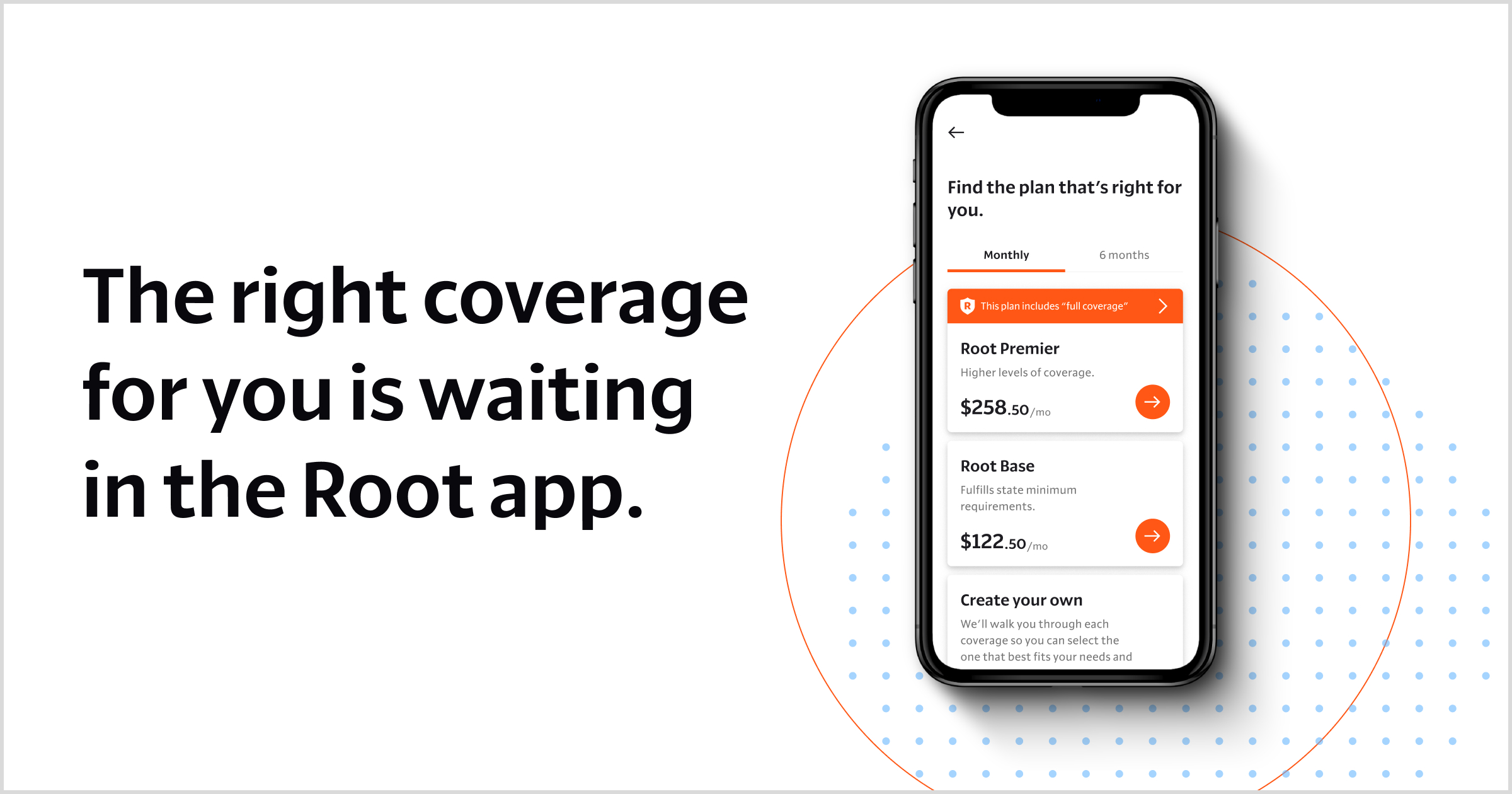
For Root, a digital-first model drastically reduces overhead costs associated with maintaining physical branch networks, extensive agent commissions, and legacy IT systems that burden traditional insurers. These operational efficiencies translate into a leaner business model, which can theoretically allow Root to offer more competitive rates or invest more heavily in its technology and customer experience. For policyholders, the digital experience means financial convenience: instant access to policy documents, easy payment management, and a streamlined claims process that can expedite payouts – a critical financial relief during stressful times. The transparency and ease of interaction can also lead to better financial literacy regarding their coverage.
Understanding Root’s Underwriting Philosophy
Root’s underwriting philosophy is perhaps its most radical financial departure. Traditional underwriting relies on historical data, statistical models, and broad risk classifications. Root, however, builds a personalized risk profile for each driver using real-time data. This allows for an unprecedented level of granularity in risk assessment.
By understanding a driver’s actual behavior, Root believes it can more accurately price risk, segmenting drivers into ultra-specific tiers that are impossible with conventional methods. For the business, this means potentially lower claims ratios for its carefully selected pool of good drivers, leading to better profitability and long-term sustainability. For the consumer, it means an insurance premium that is a direct reflection of their individual driving habits, rather than a statistical average. This data-driven approach aims to create a more stable and predictable financial outcome for both the insurer and the insured, fostering a sense of fairness in the financial transaction.
The Financial Landscape: Root vs. Traditional Insurers
Root Insurance operates in a highly competitive financial market. Understanding its position relative to established players is crucial for consumers evaluating their options.
Cost-Effectiveness and Transparency
For many consumers, the primary driver in choosing an insurance provider is cost. Root’s promise of lower premiums for safe drivers makes it a compelling option for those looking to optimize their personal finance budget. While it’s not guaranteed to be the cheapest for everyone (especially those who don’t exhibit exemplary driving habits), its ability to offer significantly reduced rates to a specific segment of the population positions it as a strong contender against traditional insurers.
Furthermore, Root attempts to foster a sense of transparency regarding its pricing. While the exact algorithms remain proprietary, the underlying principle is clear: drive well, pay less. This direct cause-and-effect relationship can feel more transparent to consumers than the often-opaque calculations of traditional insurers, where a rate hike might feel arbitrary. This financial clarity can empower consumers to understand and potentially influence their insurance costs.
The Impact on Personal Finance Decisions
Root’s model has a profound impact on personal finance decisions. Firstly, it directly incentivizes safer driving. Knowing that hard braking or phone usage behind the wheel could directly increase your premium creates a financial motivation to improve driving habits. This can lead to safer roads overall, but more immediately, it means potential financial savings for the individual.
Secondly, it challenges consumers to weigh the value of data privacy against potential cost savings. To avail themselves of Root’s pricing model, individuals must be willing to share their driving data. This trade-off is a growing consideration in many aspects of modern personal finance, from banking apps to budgeting tools. Root highlights this dilemma explicitly, forcing a conscious financial decision based on personal comfort with data sharing.
Market Disruption and Industry Trends
Root Insurance is a key player in the “insurtech” movement, signaling a broader trend towards personalization and data-driven decision-making in financial services. Its success has spurred traditional insurers to explore their own telematics programs, usage-based insurance (UBI) models, and digital transformation initiatives. This competitive pressure ultimately benefits consumers by pushing the entire industry towards more innovative and potentially more cost-effective solutions.
Root’s entry into the market represents a disruption not just in technology, but in the financial mechanics of insurance. It forces a re-evaluation of how risk is assessed, how premiums are set, and how consumers perceive the value of their insurance coverage. This shift impacts investment into the sector, the competitive strategies of incumbents, and ultimately, the financial options available to consumers.
Is Root Insurance Right for Your Financial Portfolio?
Deciding whether Root Insurance is the right financial choice requires a careful assessment of individual circumstances and priorities.
Who Benefits Most Financially?
Root Insurance is particularly well-suited for several financial profiles:
- Safe Drivers: Individuals with clean records who consistently practice good driving habits stand to gain the most significant financial advantage through lower premiums.
- Drivers with “Bad Luck” Demographics: Those who, through no fault of their own, are grouped into higher-risk categories by traditional insurers (e.g., young drivers, those in specific zip codes) may find a more equitable and cheaper rate with Root.
- Tech-Savvy Individuals: Consumers comfortable with smartphone apps and willing to share their driving data for financial benefit will find the experience seamless.
- Budget-Conscious Consumers: Anyone actively seeking ways to reduce their monthly expenses and improve their personal finance management will find Root’s potential savings appealing.
Considerations and Potential Drawbacks
Despite its innovative financial model, Root isn’t a universal solution:
- Privacy Concerns: The fundamental requirement of sharing driving data is a significant consideration. While Root asserts data security and purpose-driven usage, some individuals may not be comfortable with this level of tracking, even for financial gain.
- Not for Aggressive Drivers: If your driving habits are less than ideal (frequent hard braking, speeding, phone use), Root will likely offer a higher premium or even deny coverage, negating the financial benefit.
- Availability and Coverage Specifics: Root’s services are not available in all states, and policy terms and coverage options can vary. It’s crucial to compare their offerings against your specific financial needs.
- The “Test Drive” Period: The initial period of data collection can feel like a probationary phase, and some may find the idea of being constantly monitored for their financial rate a source of stress.

Making an Informed Financial Decision
Ultimately, choosing Root Insurance, like any financial product, requires due diligence. Prospective customers should:
- Get a Quote: Participate in the test drive to see what personalized rate Root offers. This is the clearest indicator of potential financial savings.
- Compare Extensively: Don’t just look at Root. Get quotes from several traditional insurers and other insurtech companies to ensure you’re getting the best financial value for your specific coverage needs.
- Understand Policy Terms: Scrutinize deductibles, coverage limits, exclusions, and claims processes. A cheaper premium isn’t always better if the coverage is insufficient for your financial protection needs.
- Assess Your Driving Habits: Be honest with yourself about how you drive. If you’re consistently a safe driver, Root’s model is more likely to benefit your personal finances.
In conclusion, Root Insurance represents a significant evolution in the financial services landscape, particularly within the realm of auto insurance. By leveraging telematics, it has created a financial model that prioritizes individual driving behavior over broad demographic classifications, offering a potentially more equitable and cost-effective solution for safe drivers. For those willing to embrace a data-driven approach to their personal finance and who consistently demonstrate responsible driving, Root Insurance could be a powerful tool for optimizing their insurance expenses and taking greater control of their financial future.
aViewFromTheCave is a participant in the Amazon Services LLC Associates Program, an affiliate advertising program designed to provide a means for sites to earn advertising fees by advertising and linking to Amazon.com. Amazon, the Amazon logo, AmazonSupply, and the AmazonSupply logo are trademarks of Amazon.com, Inc. or its affiliates. As an Amazon Associate we earn affiliate commissions from qualifying purchases.