
Saving money might seem like a daunting task, a luxury reserved only for those with overflowing bank accounts. Yet, for many, the idea of building a financial safety net or working towards a significant purchase remains a distant dream. The truth is, saving is not an exclusive club; it’s a fundamental skill, accessible to everyone, regardless of their current income level. It’s the cornerstone of financial security, independence, and the realization of future goals, from buying a home to enjoying a comfortable retirement.
This guide is designed to demystify the saving process, breaking it down into actionable steps that anyone can implement. We’ll explore how to assess your current financial standing, set realistic goals, and implement practical strategies to boost your savings. We’ll also address common hurdles and discuss how to keep your motivation high. The journey to financial stability begins with a single, deliberate step – and that step is learning how to start saving effectively.
Laying the Foundation: Understanding Your Finances
Before you can build a robust savings plan, you need a clear picture of where you stand financially. This initial assessment is crucial, as it provides the context for all subsequent decisions and strategies. Without understanding your current income, expenses, and debts, any saving effort will be akin to sailing without a compass.
Assess Your Current Financial Situation
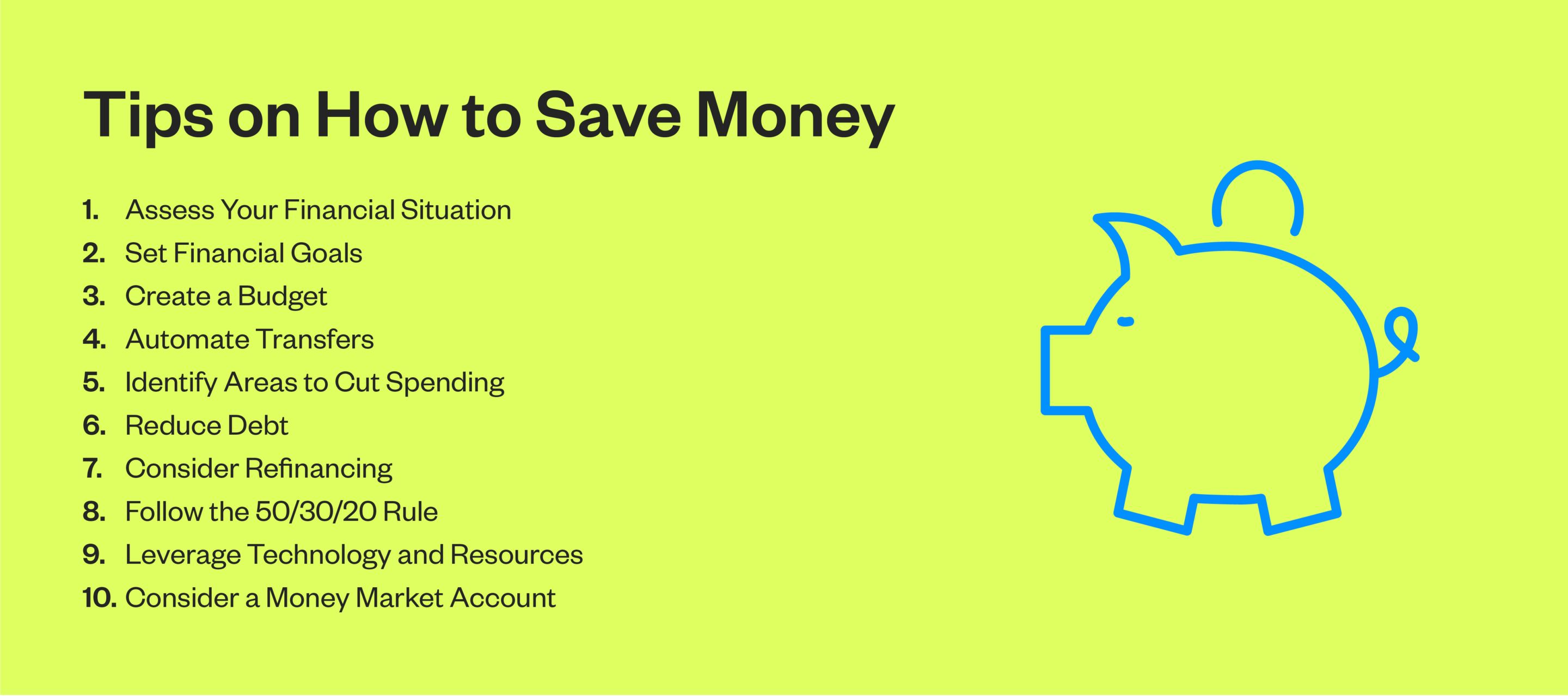
The first step is to gather all your financial information. This includes your income from all sources (salary, freelance work, investments, etc.), a detailed list of all your monthly expenses (rent/mortgage, utilities, groceries, transportation, subscriptions, entertainment), and an overview of any outstanding debts (credit cards, student loans, car loans).
Many people shy away from this step, fearing what they might uncover, but honesty here is paramount. Use bank statements, credit card statements, and pay stubs to get accurate figures. Tools like spreadsheets or budgeting apps can help you consolidate this data. The goal is to establish a baseline, identifying where your money comes from and, more importantly, where it goes. You might be surprised to find how much you’re spending on non-essential items or subscriptions you’ve forgotten about.
Set Clear Financial Goals
With a clear understanding of your current financial landscape, the next step is to define why you want to save. Setting specific, measurable, achievable, relevant, and time-bound (SMART) goals is critical for motivation and direction. Without a target, saving can feel aimless and quickly lose momentum.
Categorize your goals into short-term (1-2 years), mid-term (3-5 years), and long-term (5+ years). Short-term goals might include building an emergency fund (3-6 months’ worth of living expenses), saving for a vacation, or paying off a small debt. Mid-term goals could involve a down payment on a car or home, or funding a significant educational endeavor. Long-term goals typically encompass retirement planning, college savings for children, or significant investments. Assigning a specific amount and a deadline to each goal makes it tangible and keeps you accountable.
Create a Realistic Budget
A budget is not a restrictive financial straitjacket; it’s a roadmap that guides your money towards your goals. It allows you to consciously allocate your funds, ensuring that your spending aligns with your priorities. Based on your income and expenses assessment, and your financial goals, you can now construct a working budget.
There are various budgeting methods, but a popular one is the 50/30/20 rule: allocate 50% of your after-tax income to needs (housing, utilities, groceries, transportation), 30% to wants (dining out, entertainment, hobbies), and 20% to savings and debt repayment. Experiment with different approaches to find what works best for you. The key is to be realistic – an overly restrictive budget is unsustainable. Regularly track your spending against your budget to identify areas where you might be overspending and adjust accordingly. This iterative process is vital for success.
Practical Strategies for Boosting Your Savings
Understanding your finances and setting goals are foundational, but the real progress comes from implementing practical strategies that consistently contribute to your savings. These tactics are designed to make saving less about willpower and more about automated habits and smart choices.
Automate Your Savings
One of the most powerful strategies you can employ is to “pay yourself first” by automating your savings. This means setting up automatic transfers from your checking account to your savings account on payday, or even having a portion of your paycheck directly deposited into a separate savings account. The beauty of automation is that it removes the temptation to spend the money before you’ve had a chance to save it.
Start with a modest amount that you know you can consistently save, even if it’s just $25 or $50 per paycheck. As your financial situation improves, gradually increase this amount. Over time, these consistent, automated contributions will accumulate significantly, often without you even noticing the pinch. This strategy harnesses the power of consistency and removes the psychological barrier of making a conscious decision to save each time.
Cut Unnecessary Expenses
Once you’ve analyzed your spending, you’ll likely identify areas where you can trim expenses without significantly impacting your quality of life. This isn’t about deprivation, but about mindful spending and prioritizing.
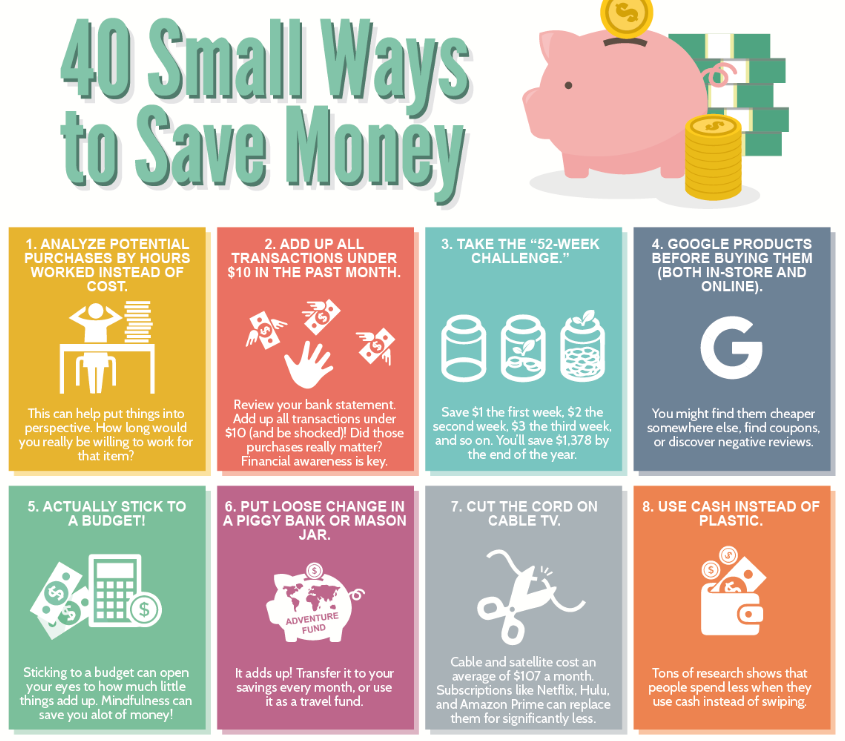
Start with “low-hanging fruit”: review all your subscriptions (streaming services, gym memberships, apps) and cancel any you don’t use regularly. Look for opportunities to reduce recurring bills, such as negotiating lower rates for internet or insurance, or switching to more affordable providers. Evaluate your discretionary spending: how much are you spending on dining out, daily coffees, or impulse purchases? Small adjustments, like packing lunch a few times a week or brewing coffee at home, can add up to substantial savings over time. Differentiating between “wants” and “needs” is crucial here – while some “wants” enhance your life, others might be draining your resources unnecessarily.
Increase Your Income (If Possible)
While cutting expenses is effective, there’s also a limit to how much you can cut. Another powerful lever for boosting savings is increasing your income. This can take various forms, depending on your skills, time, and circumstances.
Consider taking on a side hustle, such as freelancing in your area of expertise, driving for a ride-sharing service, delivering food, or selling handmade goods online. Even a few extra hours a week can generate significant additional income that can be directly channeled into your savings goals. If you’re employed, explore opportunities to negotiate a raise, take on more responsibilities that could lead to a promotion, or seek out higher-paying roles within your industry. You could also declutter your home and sell unused items on platforms like eBay or local marketplaces, turning unwanted goods into savings.
Leverage Financial Tools and Apps
In today’s digital age, a plethora of financial tools and apps can make the saving process easier and more engaging. Budgeting apps (like Mint, YNAB, Personal Capital) can automatically track your spending, categorize transactions, and provide visual insights into your financial habits. They often offer features like goal tracking and alerts to keep you on course.
Many banks now offer “round-up” programs, where purchases are rounded up to the nearest dollar, and the difference is transferred to your savings account. Savings challenges, like the 52-week saving challenge (saving an increasing amount each week), can also be a fun way to build momentum. Additionally, explore high-yield savings accounts, which offer significantly better interest rates than traditional savings accounts, helping your money grow faster with minimal effort.
Overcoming Common Saving Obstacles
The path to financial freedom is rarely without its challenges. Understanding and proactively addressing common obstacles can significantly increase your chances of long-term saving success. It’s not about avoiding challenges, but about developing strategies to navigate them.
Combatting Lifestyle Creep
One of the sneakiest obstacles to saving is lifestyle creep, also known as lifestyle inflation. This occurs when your spending increases in proportion to your income. As you earn more, you might find yourself upgrading your car, moving to a larger apartment, or spending more on dining and entertainment. While some improvements in quality of life are natural and deserved, unchecked lifestyle creep can erase any gains made from increased income, leaving your savings rate stagnant.
To combat this, remain mindful of your spending habits even as your income grows. When you receive a raise or bonus, resist the urge to immediately upgrade your lifestyle across the board. Instead, commit to saving a significant portion (e.g., 50% or more) of any new income. Continue to live below your means and redirect additional funds towards your financial goals. Regularly review your budget to ensure your spending remains aligned with your values and priorities, not just your latest income level.
Dealing with Unexpected Expenses
Life is unpredictable, and unexpected expenses are inevitable. A car repair, an unforeseen medical bill, or a sudden job loss can derail even the best-laid saving plans, often leading to debt if no emergency fund is in place. The fear of these “what ifs” can also make people hesitant to save, feeling it’s pointless if it’s all going to be wiped out.
This is precisely why establishing an emergency fund is your absolute top priority when you start saving. Aim to save at least three to six months’ worth of living expenses in a separate, easily accessible (but not too easily accessible) high-yield savings account. This fund acts as a financial buffer, protecting your other savings and preventing you from accumulating high-interest debt when emergencies strike. Think of it as insurance for your financial plan. Once built, replenish it immediately if you have to tap into it.
Staying Motivated and Consistent
Saving is a marathon, not a sprint, and maintaining motivation over the long term can be challenging. There will be times when you feel discouraged, tempted to splurge, or wonder if your efforts are making a difference. Consistency is key, but consistency requires sustained motivation.
To stay motivated, regularly review your progress towards your goals. Visualizing how far you’ve come can be incredibly powerful. Celebrate small wins along the way – reaching your first $1,000 in savings, paying off a credit card, or sticking to your budget for a month. These small celebrations reinforce positive financial habits. Find an accountability partner, like a trusted friend or family member, with whom you can share your goals and progress. Educate yourself continuously about personal finance to stay inspired and discover new strategies. Remember your “why” – your long-term goals – and remind yourself of the freedom and security that consistent saving will bring.
Optimizing Your Savings for Growth
Once you’ve established a consistent saving habit and built a foundational emergency fund, the next step is to make your money work harder for you. This involves choosing the right vehicles for your savings and understanding how to foster their growth over time.
Choose the Right Savings Vehicles
Not all savings accounts are created equal. For your emergency fund and short-term goals, liquidity (easy access to your money) is paramount. Look for a high-yield savings account (HYSA) at an online bank. These accounts typically offer significantly higher interest rates than traditional brick-and-mortar bank accounts, allowing your money to grow faster without any additional effort on your part.
For funds you won’t need for a few years, consider a Certificate of Deposit (CD). CDs generally offer higher interest rates than HYSAs in exchange for locking up your money for a specific term (e.g., 6 months, 1 year, 5 years). Money market accounts are another option that can offer competitive rates and often more flexibility than CDs. The key is to match the savings vehicle to the timeframe and liquidity needs of your specific financial goal.
Understand Basic Investment Principles (Briefly)
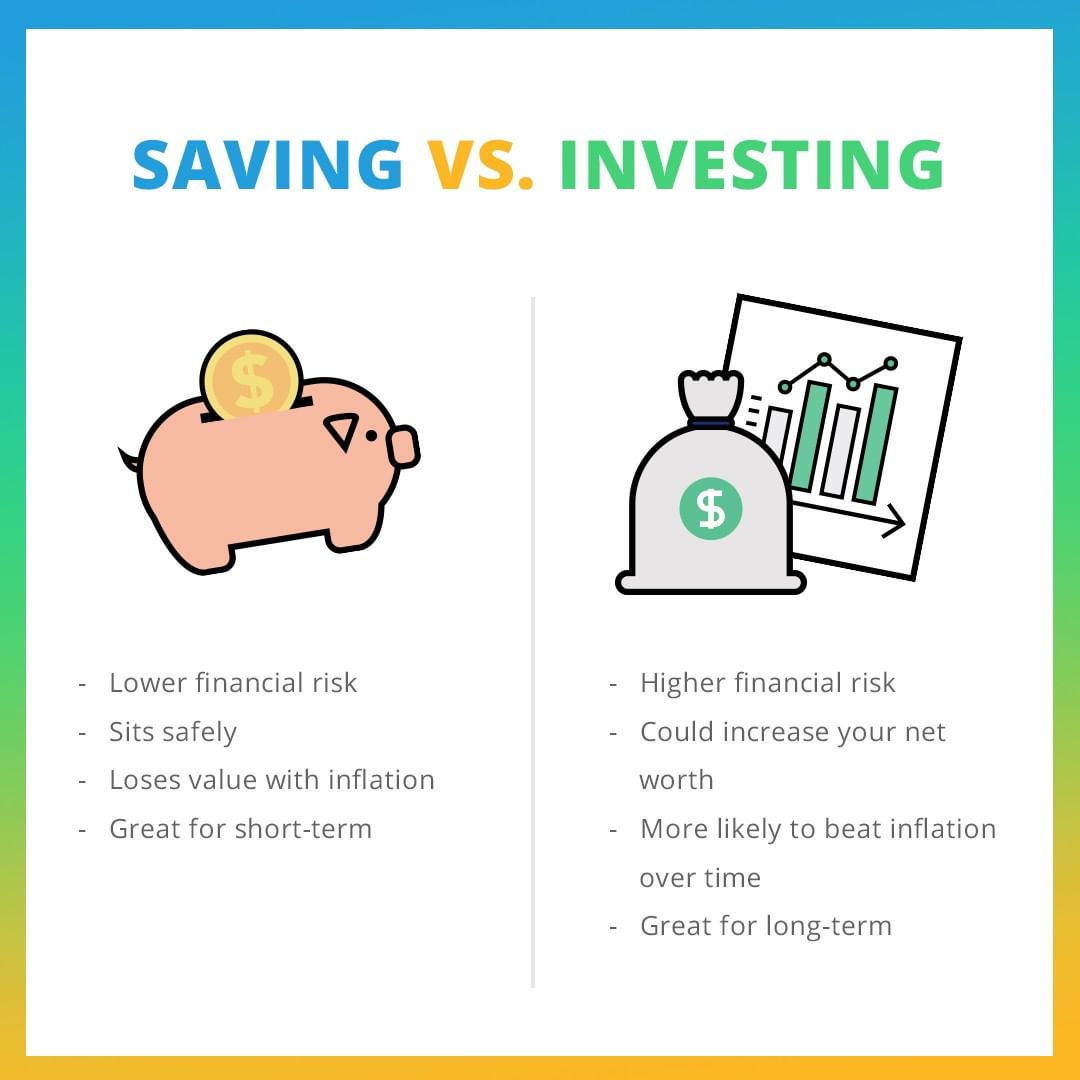
While the focus here is on starting to save, it’s important to understand that for long-term goals like retirement, simply saving isn’t enough. Your money needs to grow to keep pace with inflation and leverage the power of compounding. Compounding interest means that your earnings also earn interest, leading to exponential growth over time.
For long-term goals, consider contributing to retirement accounts like a 401(k) (especially if your employer offers a matching contribution, which is essentially free money) or an Individual Retirement Account (IRA). These accounts offer tax advantages and are designed for long-term growth through investments in stocks, bonds, and mutual funds. While delving deep into investment strategies is beyond the scope of “how to start saving,” understanding the basic concept of investing for growth is crucial for optimizing your long-term financial health. Start with low-cost index funds or target-date funds for a diversified, hands-off approach.
Regularly Review and Adjust Your Plan
Your financial life is dynamic, and your savings plan should be too. Life changes – you might get a new job, get married, have children, or face unexpected challenges. Your financial goals may evolve, and market conditions can shift. A static savings plan will quickly become outdated and ineffective.
Schedule regular financial check-ups, ideally quarterly or at least annually. During these reviews, assess your progress towards your goals, re-evaluate your budget, and adjust your savings contributions as needed. Are you still on track? Have your income or expenses changed significantly? Do you need to reallocate funds between different goals? This continuous assessment and adaptation ensure that your saving strategy remains relevant, efficient, and aligned with your evolving financial aspirations.
Conclusion
Starting to save money might feel like climbing a mountain, but by breaking it down into manageable steps, it becomes an achievable and deeply rewarding journey. From understanding your current financial standing and setting clear goals to automating your savings and making mindful spending choices, every action contributes to building a more secure and prosperous future.
Remember that consistency, even with small amounts, is far more effective than sporadic, large contributions. The power of compounding, combined with disciplined saving, will transform your financial landscape over time. Don’t be discouraged by setbacks; view them as opportunities to learn and refine your approach. The decision to start saving today is an investment in your future self – an investment that promises greater financial freedom, peace of mind, and the ability to achieve the life you envision. Take that first step, stay committed, and watch your financial future unfold.
aViewFromTheCave is a participant in the Amazon Services LLC Associates Program, an affiliate advertising program designed to provide a means for sites to earn advertising fees by advertising and linking to Amazon.com. Amazon, the Amazon logo, AmazonSupply, and the AmazonSupply logo are trademarks of Amazon.com, Inc. or its affiliates. As an Amazon Associate we earn affiliate commissions from qualifying purchases.