
In the increasingly sophisticated world of gastronomy and conscious consumption, the term “robust olive oil” has evolved from a simple descriptor to a powerful cornerstone of brand identity. For producers, marketers, and discerning consumers alike, understanding what constitutes a robust olive oil is not merely about appreciating its sensory profile; it’s about recognizing the intricate interplay of quality, origin, and craftsmanship that underpins a premium brand proposition. A robust olive oil, fundamentally, is one that presents a pronounced and complex flavor profile, often characterized by a distinctive pungency, bitterness, and intense fruitiness. These attributes are not incidental; they are the direct result of specific cultivation practices, harvesting techniques, and milling processes, all of which contribute to a unique brand story and market position.

Defining Robustness: A Cornerstone of Olive Oil Brand Identity
The definition of “robustness” in olive oil extends far beyond a vague notion of strong flavor. It encapsulates a precise combination of sensory and chemical properties that distinguish high-quality extra virgin olive oil and provide brands with a compelling narrative for differentiation.
Beyond Flavor: The Sensory Profile of Robustness
When consumers describe an olive oil as robust, they are reacting to a complex symphony of sensory experiences. The primary indicators include:
- Pungency: Often perceived as a peppery sensation at the back of the throat, this characteristic is largely attributed to oleocanthal, a naturally occurring phenolic compound. A prominent pungency is a hallmark of freshness and high antioxidant content, signalling a vibrant and potent oil. For brands, emphasizing this “peppery finish” communicates vitality and health benefits, creating an experiential differentiator.
- Bitterness: A desirable trait in high-quality olive oil, bitterness indicates the presence of beneficial polyphenols, particularly oleuropein. It’s a clean, pleasant bitterness, distinct from rancidity, and adds depth and complexity to the oil’s profile. Brands often leverage the subtle art of balanced bitterness to appeal to connoisseurs who appreciate its culinary versatility and perceived authenticity.
- Fruitiness: This refers to the aroma and flavor reminiscent of fresh olives or other fruits, herbs, or vegetables. Robust olive oils typically exhibit intense fruitiness, which can range from green (grassy, artichoke, tomato leaf) to ripe (nutty, buttery, tropical fruit). The specific fruity notes are heavily influenced by the olive varietal and ripeness at harvest. A brand can craft a unique identity by highlighting the distinct fruitiness inherent to its specific terroir and olive types, offering a consistent and recognizable “flavor signature.”
These sensory attributes are not merely descriptors; they are brand assets. A brand that consistently delivers a specific, recognizable robust profile builds consumer trust and loyalty, establishing itself as an authority in a competitive market.
The Chemical Markers of Quality and Robustness
The sensory experience of robustness is directly correlated with the chemical composition of the olive oil. High concentrations of certain compounds are key indicators of quality and contribute to the oil’s distinctive character.
- Polyphenols: These are natural antioxidants present in olive oil, responsible for much of its pungency and bitterness, as well as its well-documented health benefits. A robust olive oil will have a significantly higher polyphenol count, indicating greater stability and a longer shelf life. Brands proudly feature polyphenol counts on their labels, using scientific data to reinforce their premium positioning and health-conscious appeal. This scientific backing adds a layer of credibility that resonates with increasingly informed consumers.
- Oleocanthal: A specific type of polyphenol, oleocanthal is famous for mimicking the anti-inflammatory effects of ibuprofen. Its presence is strongly linked to the characteristic peppery finish. Brands that can demonstrate high oleocanthal levels have a powerful story to tell about the functional benefits and exceptional quality of their product, moving beyond taste to offer genuine wellness value.
- Tocopherols (Vitamin E): These fat-soluble antioxidants further contribute to the oil’s stability and nutritional value. While not directly responsible for taste, their presence is indicative of overall quality and careful processing, reinforcing a brand’s commitment to delivering a superior, healthful product.
By understanding and communicating these chemical markers, brands can transcend subjective taste preferences, offering tangible proof of their olive oil’s robustness and superior quality. This scientific transparency builds immense consumer trust and justifies premium pricing.
Crafting a Robust Brand: From Grove to Shelf
The journey of a robust olive oil from the tree to the consumer’s table is a carefully orchestrated process, where every decision impacts the final product’s quality and, by extension, its brand narrative.
Terroir and Cultivar: The Roots of a Robust Brand Story
The unique characteristics of robust olive oil begin in the soil and climate, and with the specific types of olives cultivated.
- Terroir: Much like wine, the “terroir” – the specific geographical, environmental, and climatic conditions – profoundly influences an olive oil’s flavor profile and robustness. Soils rich in certain minerals, specific rainfall patterns, and temperature fluctuations all contribute to the olives’ development and the resulting oil’s complexity. Brands leverage their specific terroir (e.g., “Tuscan Gold,” “Andalusian Sun”) to create a sense of place, authenticity, and exclusivity. This narrative of origin connects consumers to the land and the tradition, deepening the brand’s story.
- Cultivar: Different olive varietals naturally yield oils with varying degrees of robustness. For instance, cultivars like Picual, Coratina, and Koroneiki are renowned for producing highly robust, peppery oils, rich in polyphenols. Brands often highlight single-cultivar oils or carefully crafted blends of specific varietals to create a signature robust profile. This attention to cultivar details allows a brand to target specific palates and carve out a niche, speaking to the connoisseur who appreciates varietal distinctiveness.
Production Methods: Ensuring and Communicating Quality
The methods employed during harvest and milling are critical in preserving and enhancing the olives’ inherent robustness. These practices are frequently central to a brand’s quality claims.
- Harvesting Techniques: To achieve maximum robustness and polyphenol content, olives must be harvested at their optimal ripeness, typically when they are still green or just beginning to turn purple (early harvest). Hand-picking or mechanical harvesting that minimizes damage to the fruit is paramount. Brands that emphasize “early harvest” or “hand-picked” techniques signal superior care and commitment to quality, associating their product with artisanal craftsmanship.
- Milling Processes: The speed and temperature of milling are crucial. “Cold-pressed” or “cold extraction” methods, where the temperature is maintained below 27°C (80°F), prevent the degradation of delicate polyphenols and volatile aromatic compounds. This preserves the oil’s robustness and ensures a high-quality product. Brands prominently feature “first cold press” or “cold extracted” on their labels, indicating adherence to best practices that yield a more potent and flavorful oil. This transparency educates consumers and reinforces the brand’s commitment to purity and quality.
Packaging and Preservation: Protecting the Brand’s Promise
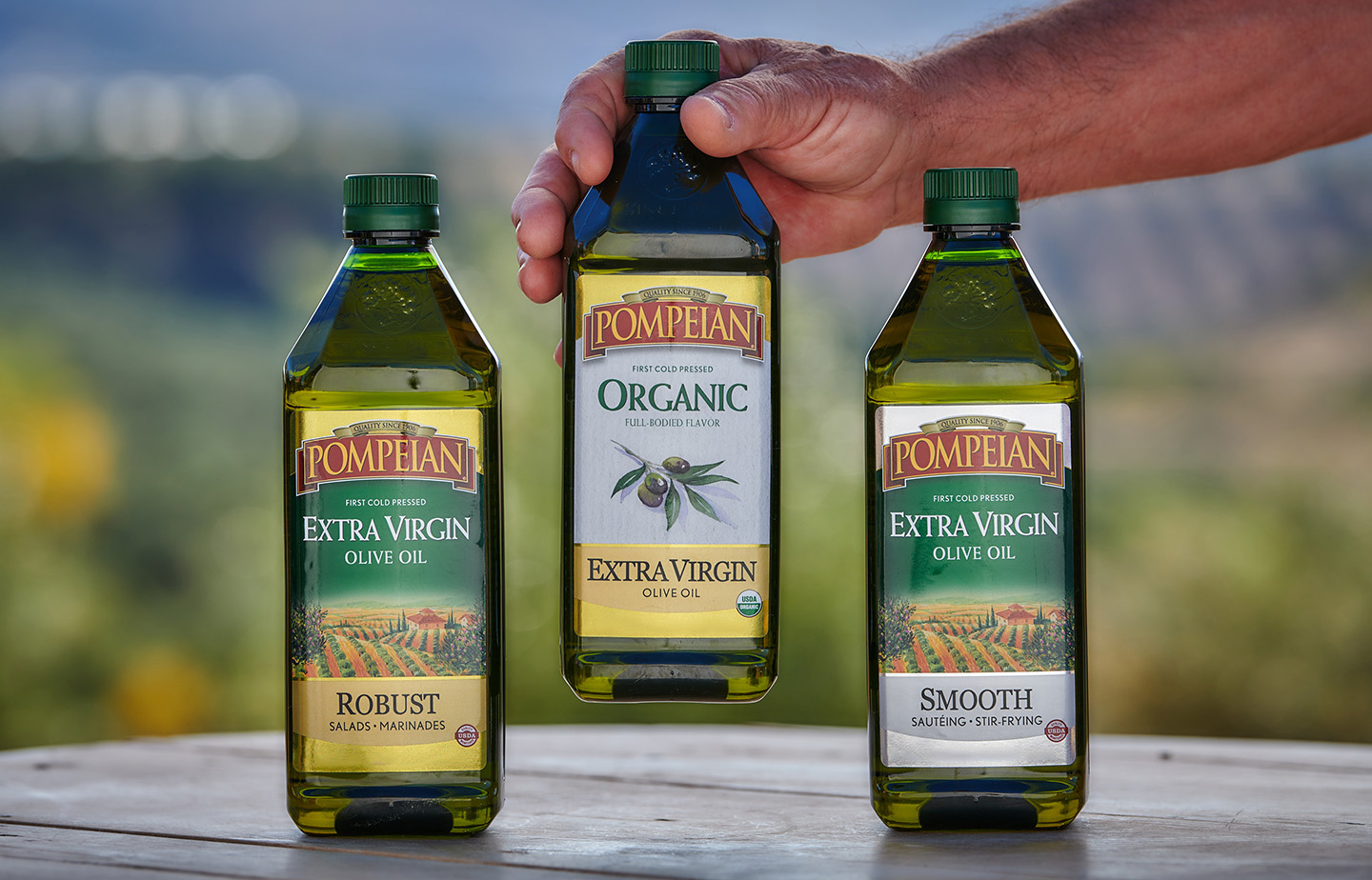
Once produced, even the most robust olive oil is susceptible to degradation from light, heat, and air. Proper packaging is essential for maintaining its integrity and reinforcing the brand’s promise of lasting quality.
- Protective Packaging: Dark-tinted glass bottles or opaque tins are vital to protect the oil from harmful UV light, which can cause oxidation and diminish robustness. Airtight seals further prevent exposure to oxygen. Brands that invest in superior packaging demonstrate an understanding of product preservation, subtly communicating their dedication to maintaining the oil’s exceptional quality from farm to kitchen.
- Shelf Life Considerations: While robust olive oils have a longer natural shelf life due to their high antioxidant content, freshness is key. Brands advise consumers on optimal storage conditions and provide clear “best by” dates, reinforcing the message of peak quality and flavor. This stewardship of the product’s lifespan further builds brand trust.
Marketing Robustness: Communicating Distinctive Value
Effectively communicating the unique attributes of robust olive oil is paramount for a brand to stand out in a crowded market. This involves strategic language, visual storytelling, and leveraging authoritative endorsements.
Language and Storytelling: Engaging the Consumer
The way a brand talks about its robust olive oil can evoke powerful imagery and culinary desires.
- Descriptive Terminology: Using rich, evocative language such as “peppery finish,” “grassy notes,” “herbaceous aroma,” “bold flavor,” or “complex and lingering aftertaste” helps consumers visualize and anticipate the sensory experience. These terms move beyond generic “good taste” to offer a precise and appealing flavor profile.
- Narrative and Application: Creating a compelling narrative around the olive oil’s origin, the family history, or the specific culinary applications for which a robust oil is ideally suited (e.g., finishing grilled meats, hearty salads, dipping bread) engages the consumer emotionally and practically. A brand can position itself as an essential ingredient for elevated cooking and a key to authentic culinary experiences. Consistent messaging across websites, social media, and packaging builds a cohesive and memorable brand identity.
Certifications and Endorsements: Building Trust and Authority
In a market saturated with options, third-party validation and expert endorsements lend immense credibility to a brand’s claims of robustness and quality.
- Quality Certifications: Labels like organic certifications, Protected Designation of Origin (PDO), or Protected Geographical Indication (PGI) ensure adherence to strict production standards. For a robust olive oil, these certifications confirm authenticity and superior quality, reassuring consumers. Brands proudly display these seals as visual shorthand for trust and verifiable excellence.
- Awards and Reviews: Winning prestigious awards in international olive oil competitions or receiving favorable reviews from culinary critics and experts serves as powerful social proof. These accolades validate the oil’s robustness and overall quality, providing an independent endorsement that significantly enhances a brand’s reputation and desirability.
Targeting and Positioning: Finding the Right Niche
Understanding who values robust olive oil allows brands to precisely target their marketing efforts and establish a clear market position.
- Consumer Segments: Robust olive oil often appeals to a specific demographic: professional chefs, serious home cooks, food enthusiasts, and health-conscious consumers who prioritize quality, flavor intensity, and nutritional benefits. Brands tailor their messaging and distribution channels to reach these discerning segments.
- Premium Pricing Strategy: Given the care, quality, and beneficial compounds associated with robust olive oil, a premium pricing strategy is often justified. The perceived value, driven by its unique sensory profile and health benefits, allows brands to position their product at the higher end of the market, reinforcing its exclusivity and superior quality.
The Future of Robust Olive Oil Branding
As consumer awareness and expectations continue to evolve, the branding of robust olive oil will increasingly focus on transparency, education, and immersive experiences.
Traceability and Transparency: The New Standard
Modern consumers demand to know the complete story behind their food. For robust olive oil brands, this means providing unparalleled transparency.
- Farm-to-Bottle Traceability: Leveraging technologies like QR codes or blockchain, brands can offer consumers a detailed journey of their olive oil, from the specific grove and harvest date to milling processes and bottling. This full disclosure verifies claims of robustness, origin, and quality, fostering deep trust.
- Verifying Claims: The ability to verify the authenticity of origin, cultivar, and processing methods will become a non-negotiable aspect of premium robust olive oil brands, combating counterfeiting and reinforcing genuine quality.

Sensory Education and Consumer Empowerment
Empowering consumers to understand and appreciate the nuances of robust olive oil will be key to future brand loyalty.
- Tasting Notes and Guides: Brands will invest in educational content that teaches consumers how to identify pungency, bitterness, and fruitiness, and how these attributes contribute to a “robust” profile. This transforms consumption into an educated experience.
- Immersive Brand Experiences: Offering virtual farm tours, olive oil tasting workshops, or cooking classes that highlight the versatility of robust olive oil will create deeper engagement. By turning consumers into knowledgeable advocates, brands cultivate a powerful community around their exceptional product.
Ultimately, the branding of robust olive oil is about weaving a compelling narrative around an exceptional product. It’s about translating sensory richness and scientific superiority into a tangible promise of quality, authenticity, and a delightful culinary experience that resonates deeply with discerning consumers.
aViewFromTheCave is a participant in the Amazon Services LLC Associates Program, an affiliate advertising program designed to provide a means for sites to earn advertising fees by advertising and linking to Amazon.com. Amazon, the Amazon logo, AmazonSupply, and the AmazonSupply logo are trademarks of Amazon.com, Inc. or its affiliates. As an Amazon Associate we earn affiliate commissions from qualifying purchases.