
In the rapidly evolving landscape of digital finance, tools like Cash App have become indispensable for swift money transfers. However, encountering an inability to send funds can be a source of significant frustration and financial inconvenience. Understanding the underlying reasons for such roadblocks is crucial for maintaining seamless personal financial operations. Often, these issues stem from a combination of account-specific limitations, security protocols, user error, or external financial institution constraints, all designed to safeguard the integrity of your financial transactions. This comprehensive guide delves into the most common reasons why you might be unable to send money on Cash App, offering insights and actionable steps to resolve these challenges from a personal finance perspective.
Navigating Cash App’s Financial Safeguards and Limitations
Cash App, like all financial platforms, operates within a framework of regulations and security measures designed to protect both users and the system from fraud and misuse. These safeguards, while sometimes appearing restrictive, are fundamental to secure digital money management.
Understanding Transaction Limits and Account Verification
One of the most frequent reasons for failed transactions is encountering Cash App’s sending limits. Unverified accounts typically have lower daily and weekly limits on the amount of money they can send. For instance, an unverified user might be limited to sending $250 per week, while a verified user can send significantly more, often up to $7,500 per week. These limits are not arbitrary; they are a critical aspect of financial compliance and fraud prevention. Unverified accounts pose a higher risk, thus warranting stricter controls.
To increase your sending limits and enhance your financial flexibility, Cash App requires identity verification. This process typically involves providing your full legal name, date of birth, and the last four digits of your Social Security Number (SSN), or sometimes a full SSN if higher limits are requested. Occasionally, an additional photo ID might be required. From a personal finance standpoint, undergoing verification is an investment in your financial tool’s utility, unlocking its full potential and ensuring a smoother experience for larger or more frequent transactions. If you frequently hit these limits, it’s a clear signal that it’s time to verify your account to better align the tool with your financial habits.
The Critical Role of Sufficient Funds
While seemingly obvious, a lack of sufficient funds is a primary cause of failed transactions. When initiating a payment, Cash App attempts to draw funds from your Cash App balance first. If that balance is insufficient, it then attempts to pull from your linked debit card or bank account. If funds are unavailable in any of these sources, the transaction will not go through.
It’s important to differentiate between your Cash App balance and the balance in your linked bank account. Instant transfers from your bank to your Cash App balance, while quick, still depend on the bank account having the necessary funds. A common pitfall occurs when users expect immediate availability of funds from a recently linked or loaded bank account that might still be processing a deposit or is simply low on funds. Always double-check your Cash App balance and your linked financial institution’s balance before attempting a transfer, especially for time-sensitive payments. Regularly reconciling your digital wallet balance with your overall financial picture is a healthy personal finance practice that prevents such avoidable disruptions.
Ensuring Accuracy in Recipient and Payment Details
Accuracy is paramount in financial transactions. A simple typo can lead to funds being sent to the wrong person, or a transaction being rejected entirely. Vigilance in verifying details is a non-negotiable step in digital financial transfers.
Verifying Recipient Information to Prevent Financial Loss
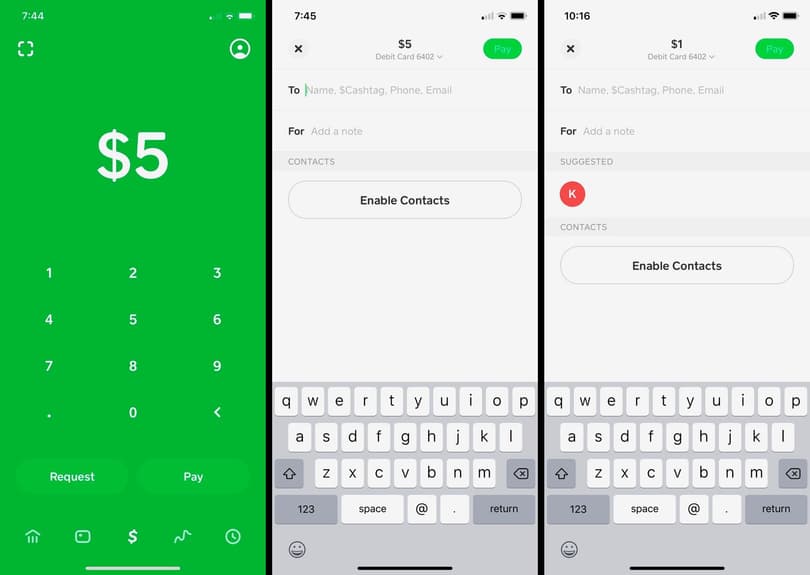
Sending money digitally means there’s no physical currency to retrieve if it goes to the wrong hands. Incorrect recipient details are a significant cause of failed or misdirected payments. Cash App primarily uses $Cashtags, phone numbers, or email addresses to identify recipients. Even a single character error in a $Cashtag, or an outdated phone number or email, can lead to the payment failing or, worse, being sent to an unintended recipient. Recovering funds sent to the wrong individual can be a complex and often unsuccessful process, representing a direct financial loss.
Before confirming any transaction, always meticulously verify the recipient’s $Cashtag, phone number, or email. If possible, confirm it directly with the recipient, perhaps verbally or through a separate secure channel. Consider sending a small, nominal amount (e.g., $1) as a test transaction if you’re sending money to a new recipient or a large sum. This small financial outlay can prevent a much larger potential loss. This practice is a cornerstone of responsible digital financial management.
Maintaining Valid Linked Financial Instruments
Cash App relies on linked debit cards or bank accounts to fund transactions when your in-app balance is insufficient. Issues with these linked financial instruments can directly impede your ability to send money. Common problems include:
- Expired Debit Cards: If your linked debit card has expired, Cash App cannot process transactions through it.
- Incorrect Card Details: Incorrect card numbers, CVV codes, or expiration dates will naturally lead to transaction failures.
- Bank Rejections: Your bank might decline a transaction due to its own security protocols, suspected fraud, or if the transaction exceeds limits they impose.
- Temporarily Disabled Cards: If you’ve paused or disabled your card through your banking app or website, Cash App won’t be able to access funds.
Regularly review the financial instruments linked to your Cash App account. Ensure all debit card details are current and accurate. If you receive a new card with an updated expiration date or CVV, promptly update this information in the app. If a transaction is rejected by your bank, contact your bank directly to understand the reason and resolve any underlying issues, as this is often outside of Cash App’s control. Maintaining an active and correctly linked funding source is fundamental for a reliable financial tool.
Addressing Account Security and System Integrity
Cash App employs robust security systems to protect user accounts and prevent fraudulent activity. While these systems are vital for financial safety, they can sometimes cause temporary restrictions on transactions. Furthermore, the operational health of the application itself is critical for smooth financial processes.
Proactive Fraud Detection and Account Holds
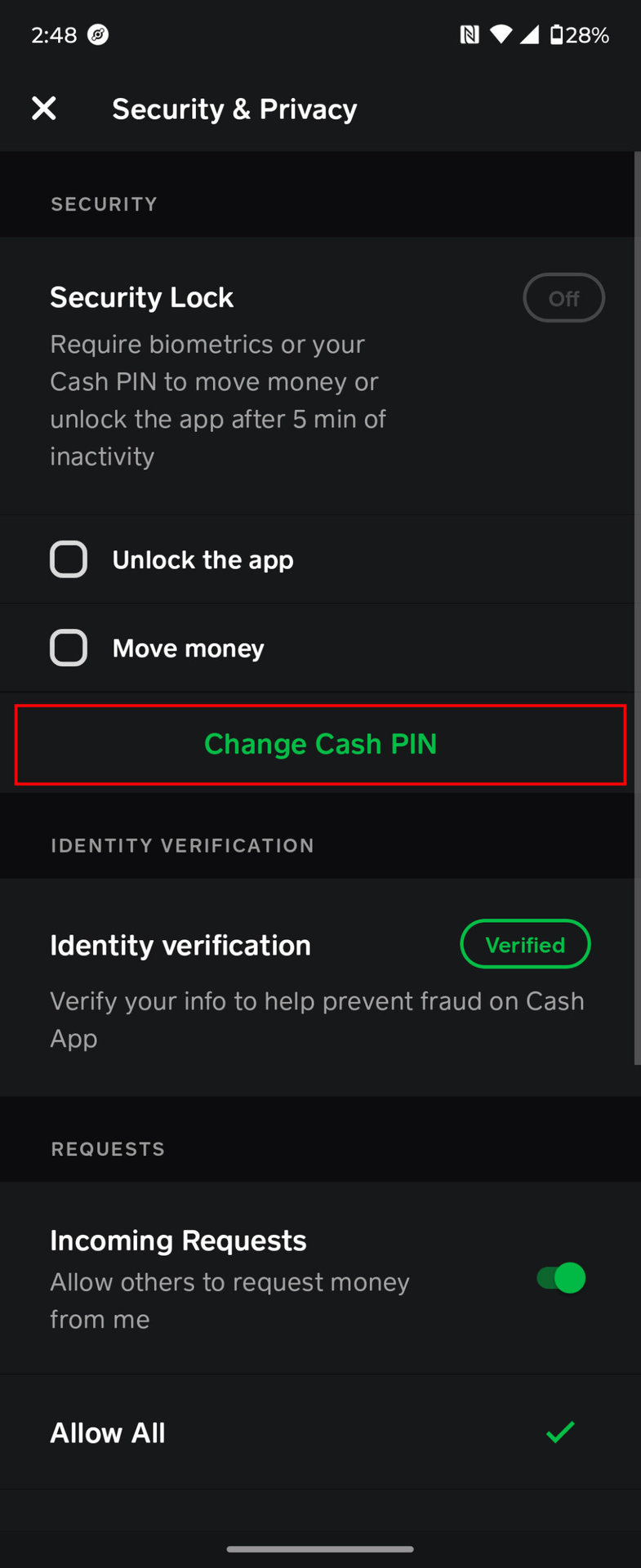
Cash App’s sophisticated algorithms constantly monitor for suspicious activity to safeguard your funds. If a transaction appears unusual or deviates significantly from your typical sending patterns, the system might flag it for review. This could result in a temporary hold or even a block on your ability to send money. Examples of such activity include sending large sums to new recipients, frequent transactions within a short period, or activity originating from an unusual location. While inconvenient, these measures are in place to prevent unauthorized access and protect your financial assets from potential fraud.
If your account is flagged, Cash App will typically notify you and may require you to verify your identity or the legitimacy of the transaction. Cooperating with their security protocols by providing requested documentation or confirmation is crucial for lifting these holds. Understanding that these are protective measures, rather than punitive ones, helps in navigating such situations calmly. Prioritizing account security is paramount in personal finance, and these safeguards contribute directly to that objective.
The Importance of App Updates and Device Compatibility
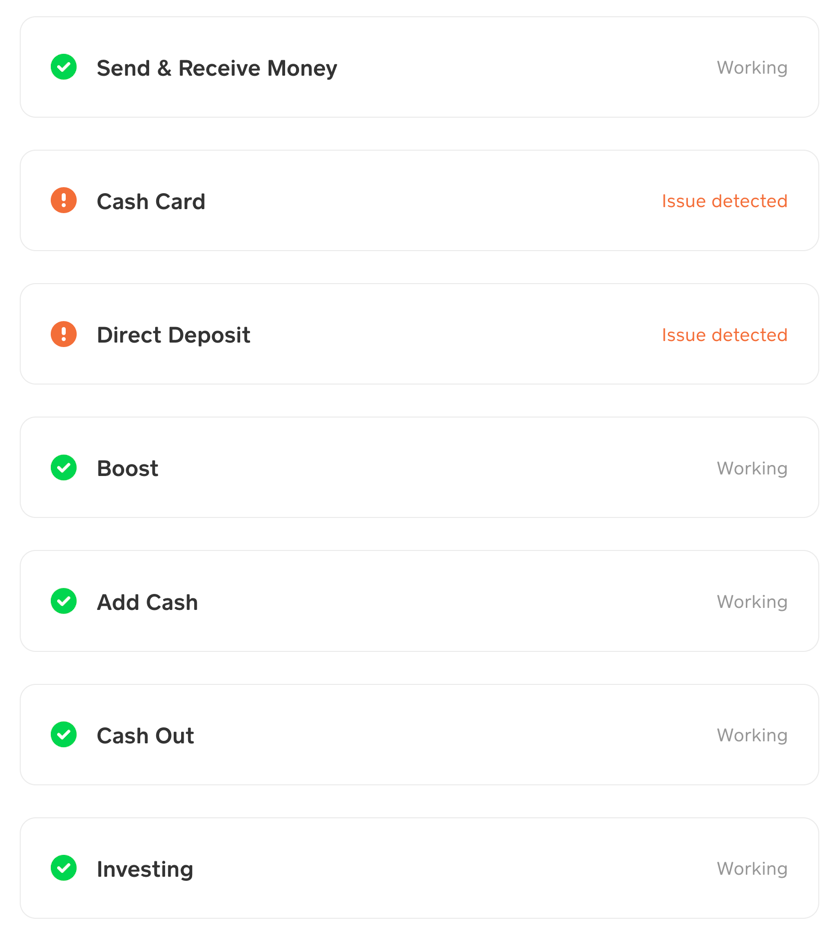
While Cash App is a financial tool, its functionality is intrinsically tied to its software. An outdated version of the Cash App on your mobile device can lead to various performance issues, including an inability to send money. Older app versions may have bugs that have been resolved in newer releases, or they might not be compatible with the latest security protocols, leading to transaction failures.
Ensuring your Cash App is always updated to the latest version is a simple yet critical maintenance task for any digital financial tool. Developers frequently release updates that include bug fixes, security enhancements, and new features. Check your device’s app store regularly for available updates and enable automatic updates if possible. Furthermore, ensure your operating system (iOS or Android) is also up to date. Compatibility issues between an outdated OS and the Cash App can also hinder performance. Treating your financial app like any other critical software, deserving of regular updates, ensures optimal functionality and security for your money transfers.
External Factors Impacting Your Financial Transfers
Not all transaction failures originate within your Cash App account or from user error. External factors, particularly those involving your linked bank or even your internet connection, can play a significant role.
Bank-Side Interventions and Rejections
Even if your Cash App balance and linked card details are correct, your bank may still decline a transaction initiated through Cash App. Banks have their own fraud detection systems, daily spending limits, or specific policies regarding peer-to-peer payment apps. A transaction might be flagged by your bank if it’s unusually large, occurs at an odd hour, or is to a recipient the bank deems suspicious. Sometimes, a temporary freeze on your bank account due to unrelated activity can also prevent Cash App from accessing funds.
If Cash App indicates that your bank declined a transaction, your first step should be to contact your bank directly. Inquire about the specific reason for the decline. You might need to confirm that you initiated the transaction, adjust your bank’s spending limits, or resolve any internal issues with your bank account. Cash App merely acts as an intermediary; the final approval for funds withdrawal from your linked bank account rests with your financial institution. Proactive communication with your bank is key to overcoming these external financial hurdles.
Network Connectivity: A Prerequisite for Digital Finance
Digital financial transactions, by their very nature, require a stable and reliable internet connection. If your Wi-Fi is weak or your cellular data signal is poor, the Cash App may not be able to communicate effectively with its servers or your linked financial institutions. This can result in transactions failing to initiate, getting stuck in pending status, or simply being rejected due to a timeout.
Before attempting to send money, especially significant amounts, ensure you have a strong and stable internet connection. If you’re on Wi-Fi, try moving closer to the router or switching to cellular data if it’s more reliable. Conversely, if on cellular data, ensure you have sufficient data allowance and a good signal. A stable connection is not just a convenience; it’s a fundamental technical requirement for the secure and successful transmission of sensitive financial data. Without it, your financial tool cannot perform its intended function.
When Professional Assistance Becomes Necessary
Despite thorough troubleshooting, some issues are complex and require direct intervention from Cash App’s customer support. Knowing when and how to engage their team effectively can save time and frustration.
Engaging Cash App Support for Complex Financial Resolutions
If you have exhausted all self-troubleshooting steps and are still unable to send money, it’s time to contact Cash App support. Issues like persistent account holds, unexplained transaction failures not attributed to your bank, or technical glitches specific to your account configuration often necessitate direct assistance. Attempting to resolve intricate problems without expert insight can sometimes exacerbate them or delay resolution.
You can typically reach Cash App support through the app itself, via their official website, or sometimes through verified social media channels. Be prepared to provide specific details about your issue, including the exact error message received, the amount you tried to send, the recipient’s information (without compromising their privacy, e.g., only their $Cashtag), and a timeline of your troubleshooting efforts. This detailed information will help their support team quickly diagnose and address the root cause of your financial transaction problem.
Preparing for Efficient Problem Solving
To facilitate a quicker resolution when contacting support, be organized with your information. Take screenshots of error messages, note down the exact date and time of failed transactions, and have any relevant account verification documents ready if requested. Clear and concise communication about your problem ensures that the support agent understands the financial impact and can guide you towards an appropriate resolution. Remember, Cash App’s support is there to assist with account-specific challenges that hinder your ability to use their financial services effectively, ensuring your digital money management remains as seamless as possible.
aViewFromTheCave is a participant in the Amazon Services LLC Associates Program, an affiliate advertising program designed to provide a means for sites to earn advertising fees by advertising and linking to Amazon.com. Amazon, the Amazon logo, AmazonSupply, and the AmazonSupply logo are trademarks of Amazon.com, Inc. or its affiliates. As an Amazon Associate we earn affiliate commissions from qualifying purchases.