
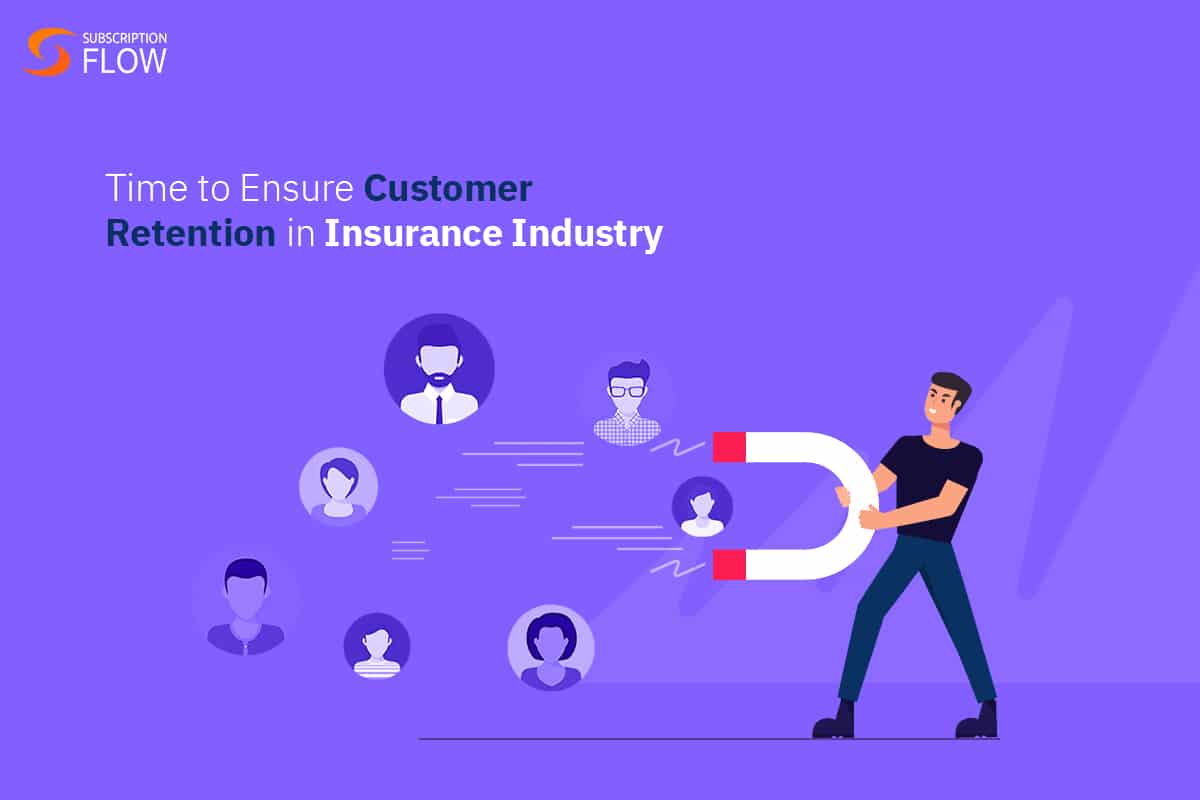
In the intricate world of financial services, particularly within the insurance industry, the concept of “retention” stands as a cornerstone of profitability and long-term viability. At its core, customer retention in insurance refers to an insurer’s ability to keep its existing policyholders over a period, preventing them from switching to a competitor or letting their policies lapse. It is a critical metric that directly influences an insurance company’s financial health, revenue stability, and overall market position. Far from being a mere operational concern, retention is a strategic financial imperative, reflecting the effectiveness of an insurer’s product offerings, pricing strategies, customer service, and claims management processes.

The Financial Imperative of Customer Retention
For any business, retaining customers is generally more cost-effective than acquiring new ones, and this truth is amplified in the insurance sector. The financial implications of strong retention rates permeate every aspect of an insurer’s balance sheet, from operational costs to long-term valuation.
Reducing Acquisition Costs
New customer acquisition in insurance is a notoriously expensive endeavor. It involves significant outlays for marketing campaigns, advertising, agent commissions, underwriting expenses for new policies, and administrative costs associated with onboarding. These costs can often outweigh the premium generated in the first year of a policy. When an insurer successfully retains a policyholder, it avoids these substantial re-acquisition costs. Each year a policyholder stays, the initial acquisition investment is amortized over a longer period, making that customer increasingly profitable. High churn rates, conversely, necessitate a constant and costly cycle of new customer acquisition, eroding profit margins.
Maximizing Customer Lifetime Value (CLV)
Customer Lifetime Value (CLV) is a forward-looking financial metric that estimates the total revenue a business can reasonably expect from a single customer account throughout the duration of their relationship. In insurance, a high retention rate directly translates to a higher average CLV. A policyholder who remains with an insurer for many years will pay premiums consistently, potentially purchase additional policies (e.g., bundling auto with home insurance), and contribute to the insurer’s long-term revenue stream. The longer a customer stays, the greater their CLV, and the more valuable they become to the insurer’s financial future. This sustained revenue stream is predictable, allowing for better financial forecasting and strategic investment.
Enhancing Profitability Margins
Beyond direct cost savings and increased CLV, high retention rates contribute to enhanced profitability margins in several ways. Long-term customers often present lower administrative costs due to established relationships and reduced need for re-verification or initial setup. They are also less likely to engage in “rate shopping” every year, meaning their policies may yield more consistent and predictable premium income. Furthermore, as customers age with an insurer, the insurer gains a deeper understanding of their risk profile, potentially leading to more accurate underwriting and pricing, which can further optimize profitability. The cumulative effect of reduced acquisition spend, higher CLV, and operational efficiencies directly bolsters an insurer’s net income.
Key Drivers of Retention in the Insurance Sector
Achieving high retention rates is not accidental; it is the result of a deliberate, customer-centric strategy that addresses the core needs and expectations of policyholders. These drivers are intrinsically linked to the financial health of the company, as they either reduce the likelihood of costly churn or enhance the value proposition that justifies continued premium payments.
Competitive Pricing and Product Value
While not the sole determinant, competitive pricing remains a significant factor in retention. Policyholders are financially prudent and will compare premiums. An insurer must strike a balance: offering rates that are competitive enough to prevent defection, yet sufficiently high to cover claims, operational costs, and generate profit. Beyond the price tag, the perceived value of the insurance product—the breadth of coverage, included features, and optional add-ons—plays a crucial role. A policy that offers comprehensive protection and relevant benefits for the premium paid creates a strong financial incentive for customers to stay.
Exceptional Customer Service and Claims Experience
The true test of an insurance policy often comes during the claims process. A smooth, transparent, empathetic, and efficient claims experience can transform a potentially negative event into an opportunity to solidify trust and loyalty. Conversely, a frustrating or drawn-out claims process is a primary driver of churn, as it directly impacts a customer’s perception of the insurer’s reliability and financial commitment. Beyond claims, proactive and responsive customer service for inquiries, policy adjustments, and general support also reinforces the insurer’s value, signaling to the policyholder that their business is valued. Investing in quality customer service and an efficient claims process is a direct investment in long-term financial stability.
Proactive Communication and Personalization
In an era of personalized experiences, generic, infrequent communication from an insurer can make policyholders feel like just another number. Proactive communication, such as reminders for policy reviews, updates on new benefits, or even personalized advice on managing risks, helps keep the insurer top-of-mind and reinforces the value of their relationship. Leveraging data to understand individual customer needs allows for personalized product recommendations, tailored policy adjustments, and targeted communications that resonate, creating a stronger financial and emotional bond that makes switching less appealing.
Building Trust and Reliability
Insurance is fundamentally a promise—a promise of financial protection when unforeseen events occur. Trust and reliability are therefore paramount. Insurers must consistently demonstrate integrity, transparency, and a commitment to their policyholders’ well-being. This includes clear policy language, ethical business practices, and a history of honoring commitments. An insurer that is perceived as trustworthy and reliable builds a powerful brand reputation, which translates into customer loyalty and, by extension, stable revenue streams.
Measuring and Improving Retention: Financial Metrics and Strategies
Effective retention management requires robust measurement and ongoing strategic adjustments. Financial metrics provide the lens through which retention performance is evaluated and informs future strategies for growth and profitability.
Calculating the Retention Rate
The retention rate is a key financial performance indicator. It is typically calculated by taking the number of customers at the end of a period, subtracting the number of new customers acquired during that period, and dividing by the number of customers at the beginning of the period. Expressed as a percentage, a higher retention rate signifies better performance and greater financial stability. Monitoring this rate over time, segmenting it by product type, customer demographic, or sales channel, provides crucial insights into financial health and areas needing improvement.
Financial Impact of Churn
Conversely, understanding the financial impact of “churn” (the rate at which customers discontinue their policies) is equally vital. Each lost customer represents not only lost future premium income but also the sunk cost of their initial acquisition. Quantifying this financial leakage helps insurers prioritize retention efforts and allocate resources effectively. A detailed churn analysis can reveal underlying financial vulnerabilities, such as uncompetitive pricing in specific segments or deficiencies in claims processing that are driving customers away.
Strategies for Financial Growth Through Retention
To improve retention and bolster financial performance, insurers employ various strategies:
- Policy Bundling: Offering discounts for bundling multiple policies (e.g., auto, home, life) creates a financial incentive for customers to keep all their business with one insurer, increasing their switching costs.
- Loyalty Programs: Rewarding long-term customers with special benefits, reduced deductibles, or exclusive access to services can enhance perceived value and build loyalty.
- Proactive Risk Management: Beyond paying claims, helping customers mitigate risks (e.g., smart home discounts, safe driving programs) strengthens the relationship and can reduce future claim payouts, benefiting both parties financially.
- Data Analytics for Personalized Offers: Leveraging advanced data analytics to understand individual customer risk profiles and preferences allows insurers to offer more tailored policies and pricing, creating a financially optimized relationship that is harder to replicate elsewhere. This can lead to cross-selling opportunities that boost revenue.
- Regular Policy Reviews: Offering annual policy reviews helps customers ensure their coverage still meets their needs, proactively addressing potential gaps or changes that might otherwise lead to dissatisfaction and eventual churn.
The Long-Term Financial Health of an Insurer
Strong retention is not merely about short-term gains; it is foundational to an insurer’s long-term financial health and sustainable growth. It creates a virtuous cycle where stability breeds further stability.
Stable Revenue Streams
A high retention rate provides an insurer with predictable and stable revenue streams. This financial predictability is invaluable for budgeting, investment planning, and managing solvency requirements. It reduces reliance on volatile new business acquisition, allowing for a more consistent cash flow and a stronger financial position.
Reduced Underwriting Risk
Long-term policyholders often present a more predictable risk profile. As customers mature with an insurer, their claims history and behavior patterns become clearer, allowing for more precise underwriting and risk assessment. This can lead to more accurate pricing and potentially lower overall claims costs for that segment of the customer base, further contributing to profitability.
Improved Capital Efficiency
An insurer with a stable, loyal customer base typically requires less capital to fuel aggressive growth through new acquisitions. The lower churn rate means that existing capital can be deployed more efficiently, either for strategic investments, expansion into new markets, or returning value to shareholders. This enhanced capital efficiency is a direct outcome of effective retention management and a key indicator of a financially sound insurance operation.
In conclusion, retention in insurance is far more than a customer service metric; it is a critical financial lever that drives profitability, sustains growth, and underpins the long-term viability of an insurance enterprise. By understanding its financial implications and implementing strategies to foster loyalty, insurers can secure a stronger, more resilient financial future.
aViewFromTheCave is a participant in the Amazon Services LLC Associates Program, an affiliate advertising program designed to provide a means for sites to earn advertising fees by advertising and linking to Amazon.com. Amazon, the Amazon logo, AmazonSupply, and the AmazonSupply logo are trademarks of Amazon.com, Inc. or its affiliates. As an Amazon Associate we earn affiliate commissions from qualifying purchases.