
In an increasingly digitized world, the simple act of making a payment has evolved from a straightforward exchange of physical currency into a complex ecosystem of financial tools and technologies. From traditional cash transactions to cutting-edge cryptocurrencies, consumers and businesses today are presented with an unprecedented array of options, each carrying its own set of advantages, disadvantages, and financial implications. Understanding these various methods is not merely about convenience; it’s about making informed financial decisions, managing personal and business finances effectively, and ensuring the security of your assets.
This guide will delve into the multifaceted ways one can make a payment, offering insights into their financial mechanics, practical applications, and the strategic considerations necessary to navigate the modern financial landscape successfully. Whether you’re settling a monthly bill, making an impulse purchase, or transferring funds across borders, knowing your options empowers you to choose the most efficient, secure, and financially savvy method for every transaction.
Traditional Payment Methods: The Foundation of Transactions
Before the advent of widespread digital connectivity, payments primarily relied on tangible forms of value exchange. While seemingly rudimentary compared to today’s innovations, these foundational methods continue to hold relevance and offer distinct financial benefits in certain contexts.
Cash Payments: Simplicity and Control
Cash, in the form of banknotes and coins, remains the most universally accepted and direct method of payment. Its appeal lies in its immediate finality and the absence of intermediaries.
- Financial Benefits: For personal finance, cash can be an excellent tool for budgeting. Paying with physical money makes spending more tangible, often leading to greater awareness of expenditures and reduced impulse buying. There are no transaction fees, and it offers complete anonymity, which can be desirable for privacy-conscious individuals. For small businesses, accepting cash means immediate access to funds without waiting for bank settlements or incurring processing fees.
- Drawbacks: However, cash carries significant risks. It is susceptible to theft or loss, and unlike digital transactions, there’s no inherent record of a cash payment unless meticulously logged by the payer. This lack of a digital trail can complicate financial tracking, tax preparation, and dispute resolution. Furthermore, cash is impractical for online purchases and large transactions, and its logistical handling can be cumbersome.
Cheques: Formalism and Record-Keeping
A cheque is a written order to a bank to pay a stated sum from the drawer’s account to the payee. While their usage has significantly declined in favor of electronic alternatives, cheques still serve specific purposes, particularly in formal or business-to-business contexts.
- Financial Benefits: Cheques provide a clear paper trail, making them valuable for record-keeping and auditing purposes. They offer a certain degree of control over payment timing, as the funds are not debited until the cheque is deposited and cleared. This “float” period can be financially advantageous for managing cash flow. They are often used for significant payments like rent, utility bills, or business invoices, where a physical record and a delayed settlement period are desired.
- Drawbacks: The main disadvantages include slow processing times (cheques can take several days to clear), the potential for fraud (e.g., bounced cheques, cheque alteration), and increasing handling fees from banks for processing paper documents. From a financial efficiency standpoint, the administrative overhead associated with issuing and tracking cheques often outweighs their benefits for routine transactions.
Digital Payment Methods: Convenience and Speed
The proliferation of the internet and mobile technology has ushered in an era of unparalleled convenience and speed in financial transactions. Digital payment methods dominate the modern landscape, transforming how we interact with our money.
Debit and Credit Cards: Everyday Essentials
Plastic cards have become ubiquitous, offering distinct functionalities based on whether they draw directly from your funds or offer a line of credit.
- Debit Cards: Linked directly to your bank account, debit card transactions immediately deduct funds. They are excellent for managing personal finance as they prevent you from spending more money than you have, thereby avoiding debt. They offer convenience for in-person and online purchases and are widely accepted.
- Credit Cards: These provide a revolving line of credit, allowing you to borrow funds up to a certain limit. Financial benefits include building a credit history (crucial for loans and mortgages), earning rewards (cashback, points, miles), and offering robust fraud protection. However, credit cards demand disciplined financial management; carrying a balance incurs interest, which can quickly lead to accumulating debt if not paid off in full each month.
- Security: Both card types utilize technologies like EMV chips and contactless NFC for enhanced security. Online transactions often use tokenization and two-factor authentication (2FA) to protect card details.
Online Banking Transfers (ACH/Wire): Direct Account-to-Account
Direct bank transfers facilitate the movement of money from one bank account to another, offering varying speeds and costs.
- ACH Transfers (Automated Clearing House): These are electronic networks used for batch processing of transactions, commonly for direct deposits (payroll), bill payments, and person-to-person transfers.
- Financial Benefits: ACH transfers are generally low-cost or free, making them an economical choice for recurring payments and large sums within the same country. They provide a clear digital record, aiding in financial tracking.
- Drawbacks: They are typically slower, taking 1-3 business days to clear, and not suitable for urgent transfers.
- Wire Transfers: These are immediate, real-time transfers of funds from one bank to another, often used for large, time-sensitive, or international payments.
- Financial Benefits: Wires offer speed and immediacy, with funds often available within hours, even internationally. This can be critical for business deals or urgent remittances.
- Drawbacks: They are significantly more expensive than ACH transfers, incurring higher fees per transaction. Due to their finality and speed, they are also more susceptible to fraud once initiated, making verification crucial.
Mobile Payment Apps & Wallets (e.g., Apple Pay, Google Pay, PayPal, Venmo): On-the-Go Transactions
Mobile wallets and peer-to-peer (P2P) payment apps have revolutionized payments by integrating financial transactions with smartphones and smart devices.
- Financial Benefits: These platforms offer unparalleled convenience, allowing payments with a tap or scan. Many integrate loyalty programs and offer budgeting tools within the app. P2P apps like Venmo or Zelle facilitate instant, often free, transfers between individuals, making splitting bills or repaying friends incredibly easy from a personal finance perspective. Security is often enhanced through tokenization (where actual card numbers are replaced with a unique encrypted token for each transaction) and biometric authentication (fingerprint, face ID).
- Drawbacks: While convenient, relying heavily on these apps requires a certain level of digital literacy. Data privacy concerns exist with some platforms, and transaction limits or fees can apply, particularly for instant transfers or business transactions. Financial oversight is key to prevent overspending due to their ease of use.
Emerging Payment Technologies: The Future of Finance
The financial industry is in a constant state of innovation, with new technologies promising to reshape how we think about and execute payments. These emerging methods present both exciting opportunities and complex challenges from a financial perspective.
Cryptocurrency and Blockchain: Decentralized Transactions
Cryptocurrencies like Bitcoin and Ethereum, built on blockchain technology, represent a paradigm shift in financial transactions. They operate on decentralized networks, independent of traditional financial institutions.
- Financial Implications:
- Pros: Cryptocurrencies offer transparency (all transactions are recorded on a public ledger), potentially lower transaction fees for international transfers compared to traditional banking, and enhanced security through cryptographic encryption. They can also provide access to financial services for the unbanked.
- Cons: Their highly volatile nature means their value can fluctuate dramatically, posing significant financial risk. Regulatory uncertainty across different jurisdictions and the technical complexity involved in their use can be barriers. Furthermore, the energy consumption of some cryptocurrencies raises environmental concerns, and their pseudonymous nature can attract illicit financial activities, requiring careful due diligence.
Contactless Payments and Wearables: Seamless Experiences
Building on NFC (Near Field Communication) technology, contactless payments, including those made via smartwatches, rings, or other wearables, epitomize the drive towards frictionless transactions.
- Financial Implications:
- Pros: The speed and convenience of a quick tap eliminate the need to fumble for cards or cash, streamlining payment processes in retail environments. This can lead to faster checkout times and an improved customer experience. From a security standpoint, tokenization is usually employed, meaning your actual card details are not transmitted during the transaction.
- Cons: While convenient, the ease of transaction can sometimes lead to reduced awareness of spending, potentially impacting personal budgeting if not closely monitored. Acceptance is widespread but not universal, especially in smaller establishments or developing regions.
Choosing the Right Payment Method: Financial Considerations
With such a diverse array of options, making an informed choice for each payment requires careful consideration of various financial factors. The “best” method often depends on the specific context, amount, recipient, and personal financial goals.
Security and Fraud Prevention: Protecting Your Assets
Regardless of the method chosen, safeguarding your financial information is paramount.
- Key Practices: Always use strong, unique passwords for online accounts. Enable two-factor authentication (2FA) wherever possible. Be vigilant against phishing attempts and scrutinize transaction alerts. Regularly review your bank and credit card statements for any unauthorized activity.
- Understanding Liability: Be aware of the fraud protection policies associated with each payment method. Credit cards generally offer robust protections, limiting your liability for unauthorized charges. Debit cards and direct bank transfers may have less immediate protection, as funds are drawn directly from your account, making recovery potentially more complex.
Fees and Costs: The Hidden Expenses
Transaction fees can significantly impact the overall cost of a payment, especially for businesses or frequent international transfers.
- Types of Fees: Look out for transaction fees (especially for credit cards or certain mobile payment apps), foreign exchange fees for international payments, ATM withdrawal fees, wire transfer fees, and potential overdraft or late payment fees.
- Strategic Choice: For routine, domestic payments, low-cost or free options like ACH transfers or debit card transactions are often financially prudent. For international transfers, compare the total cost, including exchange rates and transfer fees, across different services (banks, specialized remittance services, or even crypto if feasible and understood).
Convenience and Accessibility: Matching Your Lifestyle
The practicality of a payment method is a crucial factor in its adoption and utility.
- Factors to Consider: Think about where and how you typically make payments. Are you primarily an online shopper? Do you frequently travel internationally? Do you need to send money to family members abroad? The accessibility of a method (e.g., widely accepted vs. niche), its speed, and its ease of use should align with your lifestyle and financial needs. While a cash payment is convenient for a small street vendor, it’s impractical for an online subscription.
Record Keeping and Budgeting: Financial Management
Effective financial management hinges on accurate record-keeping. Digital payment methods generally excel in this area.
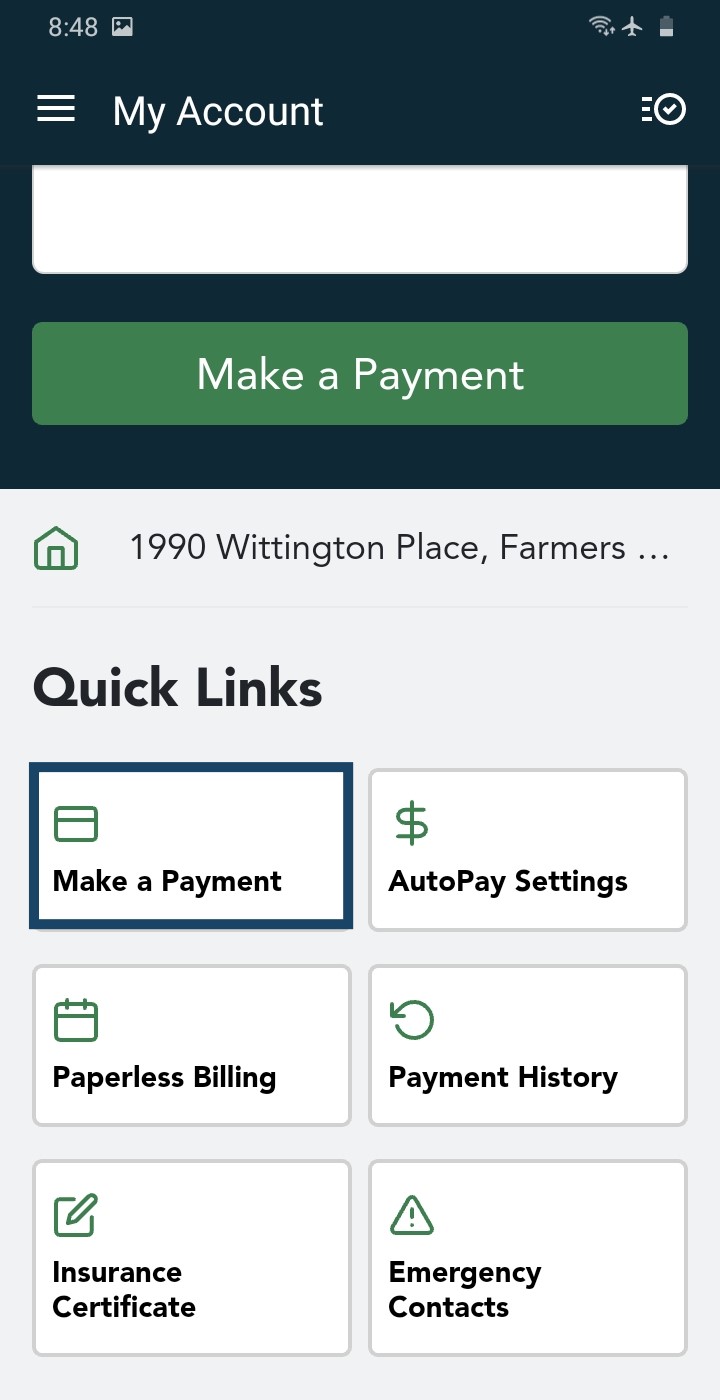
- Digital Trails: Most digital transactions leave an electronic trail, making it easier to track spending, reconcile accounts, and prepare for taxes. Many banks and financial apps offer categorization features, export options, and integration with budgeting software (like Mint, YNAB), which are invaluable tools for personal and business finance.
- Manual Tracking: If using cash, it’s essential to manually record transactions to maintain an accurate budget and understand your spending patterns. This discipline is vital to avoid the “mystery spend” that cash can sometimes obscure.
In conclusion, the question “How can I make a payment?” no longer has a singular, simple answer. It opens a gateway to a dynamic financial landscape teeming with innovation and choice. By understanding the distinct financial characteristics, benefits, and drawbacks of each payment method – from the traditional simplicity of cash to the decentralized future of cryptocurrency – individuals and businesses can make financially astute decisions. The key lies in aligning the chosen method with the specific payment context, prioritizing security, being mindful of associated costs, and leveraging the power of digital tools for effective financial management. Embracing this informed approach is not just about transacting; it’s about mastering your financial well-being in the modern era.
aViewFromTheCave is a participant in the Amazon Services LLC Associates Program, an affiliate advertising program designed to provide a means for sites to earn advertising fees by advertising and linking to Amazon.com. Amazon, the Amazon logo, AmazonSupply, and the AmazonSupply logo are trademarks of Amazon.com, Inc. or its affiliates. As an Amazon Associate we earn affiliate commissions from qualifying purchases.