
For millions of Americans, Social Security represents a foundational pillar of their financial security, offering a crucial income stream during retirement, in the event of disability, or to surviving family members. Yet, despite its widespread importance, the intricacies of how benefits are calculated and what an individual can expect to receive often remain a mystery. Understanding “how much you get on Social Security” isn’t a simple, static answer; it’s a dynamic figure influenced by a lifetime of earnings, strategic claiming decisions, and economic factors. This article will demystify Social Security benefits, guiding you through the calculation process, exploring key influencing factors, and providing insights into how to maximize this vital financial resource within your broader financial planning.
Understanding Your Social Security Benefits: The Core Principles
At its heart, Social Security operates on a pay-as-you-go system, where current workers’ contributions fund today’s beneficiaries. However, your personal benefit amount is directly tied to your individual work history and contributions over your career.
What is Social Security, Really?
Social Security is a comprehensive federal insurance program in the United States. It provides retirement income, disability income, Medicare, and survivor benefits. Funding primarily comes from payroll taxes (FICA taxes) paid by employees, employers, and self-employed individuals. It’s not a savings account in your name; rather, it’s a collective trust fund designed to provide a safety net for eligible Americans.
The AIME Formula: How Your Earnings Are Weighted
The journey to determining your Social Security benefit begins with calculating your Average Indexed Monthly Earnings (AIME). This isn’t just a simple average of all your earnings. The Social Security Administration (SSA) “indexes” your past earnings to account for changes in the national average wage over time. This process brings your historical earnings up to a current value, ensuring that your benefits reflect the general increase in wages and living standards over your working life, rather than just the nominal dollars earned decades ago.
To calculate your AIME, the SSA takes your highest 35 years of indexed earnings, sums them up, and then divides that total by 420 (the number of months in 35 years). If you have fewer than 35 years of earnings, the missing years are counted as zeros, which can significantly lower your AIME. This indexing process is crucial because it ensures fairness, preventing early career earnings from being diluted by inflation.
Primary Insurance Amount (PIA): Your Baseline Benefit
Once your AIME is determined, it’s used to calculate your Primary Insurance Amount (PIA). The PIA is the benefit you are entitled to receive if you begin claiming benefits at your full retirement age (FRA). It’s the cornerstone of your Social Security benefits calculation, and other benefit amounts (like early or delayed claiming, spousal, or survivor benefits) are typically derived as a percentage of your PIA.
The PIA formula is progressive, meaning it replaces a higher percentage of earnings for lower-income workers than for higher-income workers. This is achieved through a “bend point” formula. For a specific year, the formula applies different percentages to different segments of your AIME. For example, a certain percentage is applied to the first segment of AIME, a lower percentage to the next segment, and an even lower percentage to the highest segment. This progressive structure is a fundamental aspect of Social Security’s goal to provide a basic level of income replacement for all beneficiaries.
Key Factors Influencing Your Social Security Payout
While your earnings history and the PIA formula lay the groundwork, several critical decisions and external factors significantly impact the actual dollar amount you receive.
Your Earning History: The 35 Most Productive Years
As mentioned, your Social Security benefit is based on your highest 35 years of indexed earnings. This fact has profound implications for how much you’ll receive. Consistent, high earnings over a long career are key. If you have fewer than 35 years of earnings, every year you work adds to your total, potentially replacing a zero-earning year and increasing your AIME. Conversely, if you have 35 or more years, continuing to work can still increase your benefit if your current earnings are higher than one of your lower-earning years, replacing it in the 35-year calculation. This emphasizes the importance of a strong, consistent work history.
The Crucial Decision: Your Claiming Age
Perhaps the most impactful decision you’ll make regarding your Social Security benefits is when to start claiming them. This choice can permanently alter your monthly payout.
Full Retirement Age (FRA) Explained
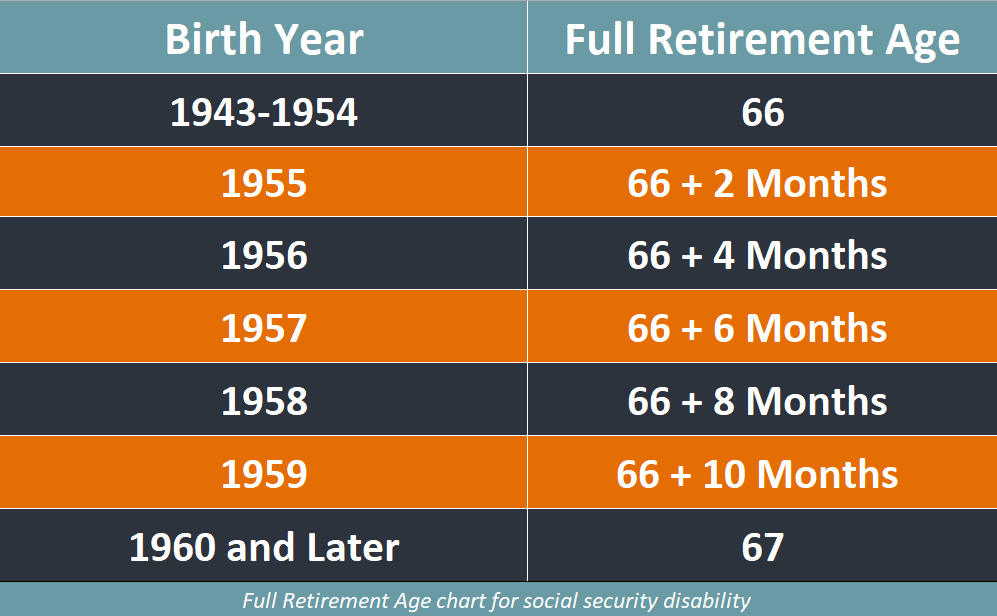
Your Full Retirement Age (FRA), also known as “normal retirement age,” is the age at which you are eligible to receive 100% of your Primary Insurance Amount (PIA). This age varies based on your birth year. For those born in 1943 through 1954, FRA is 66. It gradually increases for those born later, reaching 67 for everyone born in 1960 or later. Understanding your FRA is paramount, as it’s the benchmark for all claiming decisions.
Early Claiming: The Permanent Reduction
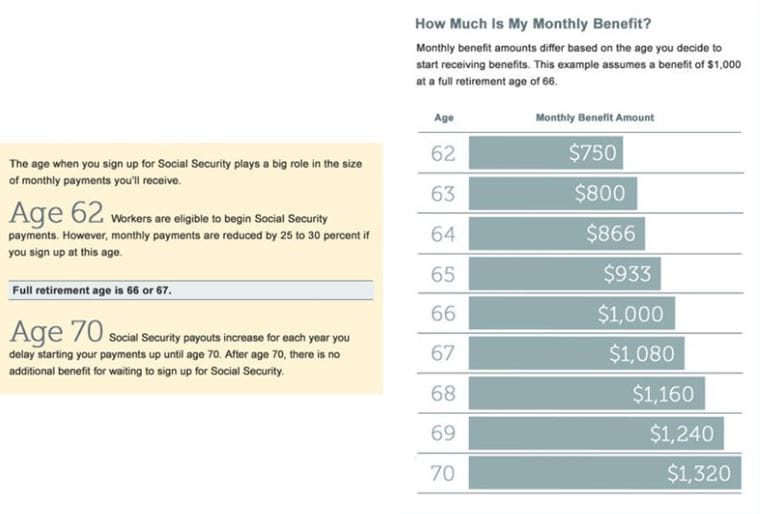
You can start receiving Social Security retirement benefits as early as age 62. However, claiming before your FRA results in a permanent reduction of your monthly benefit. The reduction is approximately 5/9 of 1% for each month before FRA, up to 36 months, and 5/12 of 1% for each month beyond 36 months. For someone with an FRA of 67, claiming at age 62 would result in a permanent reduction of about 30% of their PIA. While this provides income sooner, it’s a significant and lasting trade-off.
Delayed Claiming: The Advantage of Waiting
Conversely, delaying claiming past your FRA can significantly increase your monthly benefit. For each year you delay claiming beyond your FRA, up to age 70, you earn Delayed Retirement Credits (DRCs). These credits increase your monthly benefit by approximately 8% for each year you wait. For someone with an FRA of 67, waiting until age 70 could result in a monthly benefit that is 24% higher than their PIA. This strategy is often considered for those in good health with other financial resources, aiming for a larger guaranteed income stream later in life.
Cost-of-Living Adjustments (COLAs): Keeping Pace with Inflation
Once you start receiving benefits, your payments aren’t static. The Social Security Administration periodically adjusts benefits to account for inflation, known as Cost-of-Living Adjustments (COLAs). These adjustments are typically announced in October of each year and become effective in January of the following year. COLAs are designed to help maintain the purchasing power of your benefits over time, ensuring that your Social Security income doesn’t erode due to rising costs. The COLA is based on the Consumer Price Index for Urban Wage Earners and Clerical Workers (CPI-W).
Spousal and Survivor Benefits: Extending the Safety Net
Social Security also provides benefits to spouses and surviving family members, further extending its safety net.
- Spousal Benefits: If you are married, your spouse may be eligible to receive benefits based on your work record, even if they have little or no work history of their own. A spouse can receive up to 50% of your PIA, provided they claim at their own FRA. If they claim early, their spousal benefit will also be reduced.
- Survivor Benefits: If you pass away, certain family members (a surviving spouse, children, or dependent parents) may be eligible for survivor benefits based on your work record. A surviving spouse claiming at their FRA can receive 100% of your PIA. Children under 18 (or 19 if still in high school) can also receive benefits. These benefits provide crucial financial support during difficult times.
Strategies for Maximizing Your Social Security Income
Given the variables involved, strategic planning can make a substantial difference in the total amount of Social Security income you receive over your lifetime.
Working Longer to Boost Your AIME
Even if you’ve already accumulated 35 years of earnings, working a few more years, especially if those years involve higher earnings than some of your earlier, lower-earning years (after indexing), can increase your AIME. Each high-earning year can replace a lower-earning year (or a zero-earning year if you haven’t reached 35 years), thereby increasing your overall benefit. This is a straightforward way to increase your PIA.
Coordinating Benefits with a Spouse
For married couples, coordinating claiming strategies can yield significant benefits. For instance, the higher-earning spouse might delay claiming until age 70 to maximize their benefit (which will also become the higher survivor benefit for the surviving spouse). The lower-earning spouse might claim earlier, or claim spousal benefits when available, to provide some income in the interim. There are many permutations, and a personalized analysis is highly recommended for couples.
Carefully Timing Your Claim
The decision of when to claim is highly personal and depends on several factors, including your health, financial needs, other retirement income sources, and even your family’s longevity history.
- If you need the income: Claiming early at 62 might be necessary if you lose your job, face health issues, or have insufficient savings.
- If you can afford to wait: Delaying past your FRA, up to age 70, offers the highest possible monthly payment and acts as an excellent longevity hedge, protecting against outliving other assets.
- Break-even analysis: While helpful, break-even calculations (determining how long you need to live for delayed claiming to pay off) don’t capture the full picture. The value of a higher guaranteed income stream, especially later in life, often outweighs simple break-even numbers.
Understanding When to Suspend Benefits
For those who claimed benefits early or at their FRA but later decide they want to earn Delayed Retirement Credits, it’s possible to suspend your benefits. If you have reached your FRA but are not yet 70, you can request to suspend your benefits. During the suspension period, your benefits will accrue DRCs, increasing your monthly payout when you restart them, up to age 70. This can be a valuable option for individuals who return to work or find they no longer need the income for a period.
Navigating Social Security in Your Financial Plan
Social Security should not be viewed in isolation but as an integral component of your overall financial strategy.
Estimating Your Future Benefits: Tools and Resources
The Social Security Administration provides excellent tools to help you estimate your future benefits. The most important is your personal my Social Security account at SSA.gov. Here, you can view your earnings record, get personalized estimates for retirement, disability, and survivor benefits, and track your progress towards eligibility. Regularly reviewing your earnings record is crucial to ensure accuracy. Various online calculators from financial institutions can also offer projections, helping you model different claiming scenarios.
Integrating Social Security with Retirement Savings
For most people, Social Security alone will not provide enough income to maintain their pre-retirement lifestyle. It’s designed to be a foundation, not the sole support. Therefore, integrating your estimated Social Security benefits into your broader retirement savings plan is essential. Knowing what to expect from Social Security allows you to determine how much you need to save through 401(k)s, IRAs, and other investments to bridge the gap and achieve your desired retirement lifestyle. Social Security acts as a guaranteed income floor, allowing your other investments to provide flexibility and supplement.
The Role of Social Security in Disability and Survivor Planning
Beyond retirement, Social Security offers critical protection for disability and survivors. Understanding these aspects means recognizing that your payroll taxes also fund a vital insurance policy against unforeseen circumstances.
- Disability Benefits: If you become unable to work due to a severe medical condition, Social Security Disability Insurance (SSDI) can provide income. The amount of your disability benefit is generally equal to your PIA.
- Survivor Benefits: As discussed, survivor benefits provide financial support to your family if you pass away. This can be a substantial safety net, especially for families with young children or a non-working spouse.
Looking Ahead: The Future and Taxation of Social Security
While Social Security is a robust program, it faces long-term financial challenges. Understanding these, along with how benefits are taxed, is part of a complete financial picture.
Are Social Security Benefits Taxable?
Yes, for many beneficiaries, a portion of Social Security benefits is subject to federal income tax. Whether and how much of your benefits are taxed depends on your “provisional income,” which is the sum of your adjusted gross income (AGI), tax-exempt interest, and half of your Social Security benefits.
- If your provisional income is between $25,000 and $34,000 for an individual ($32,000 and $44,000 for a married couple filing jointly), up to 50% of your benefits may be taxable.
- If your provisional income exceeds $34,000 for an individual ($44,000 for a married couple filing jointly), up to 85% of your benefits may be taxable.
Some states also tax Social Security benefits, so it’s essential to check your state’s tax laws. This taxation can impact your net benefit and should be factored into retirement income planning.
The Long-Term Outlook for Social Security
The Social Security program faces long-term solvency challenges, primarily due to demographic shifts (lower birth rates, increased longevity, and the retirement of the large Baby Boomer generation). Projections suggest that the trust funds may be able to pay only a percentage of scheduled benefits in the coming decades if no legislative action is taken. While this doesn’t mean the program will disappear, it highlights the potential for future adjustments to benefits or payroll taxes. Staying informed about legislative discussions is important for future financial planning.

Why Staying Informed is Crucial
The landscape of Social Security is dynamic. Rules can change, economic factors shift, and your personal circumstances evolve. Regularly reviewing your earnings statement, staying abreast of COLA announcements, and understanding potential legislative changes are all crucial. Engaging with a qualified financial advisor who specializes in retirement planning can also provide invaluable insights, helping you make informed decisions tailored to your unique situation.
In conclusion, “how much you get on Social Security” is a complex question with a personalized answer. It’s a testament to your lifetime of work, influenced by your strategic choices regarding when to claim, and adapted by economic realities. By understanding its core principles, navigating the various influencing factors, and integrating it wisely into your overall financial plan, you can optimize this essential component of your financial future.
aViewFromTheCave is a participant in the Amazon Services LLC Associates Program, an affiliate advertising program designed to provide a means for sites to earn advertising fees by advertising and linking to Amazon.com. Amazon, the Amazon logo, AmazonSupply, and the AmazonSupply logo are trademarks of Amazon.com, Inc. or its affiliates. As an Amazon Associate we earn affiliate commissions from qualifying purchases.