
Real estate is traditionally viewed as one of the most stable and lucrative avenues for wealth accumulation. Whether it is a primary residence, a commercial development, or a portfolio of rental properties, real estate represents a significant portion of an individual’s or a corporation’s net worth. However, the high valuations and the complex nature of property transactions also make the sector a primary target for sophisticated criminal activity. Real estate fraud encompasses a wide range of deceptive practices where individuals or entities use misrepresentation to gain property, money, or sensitive financial information.
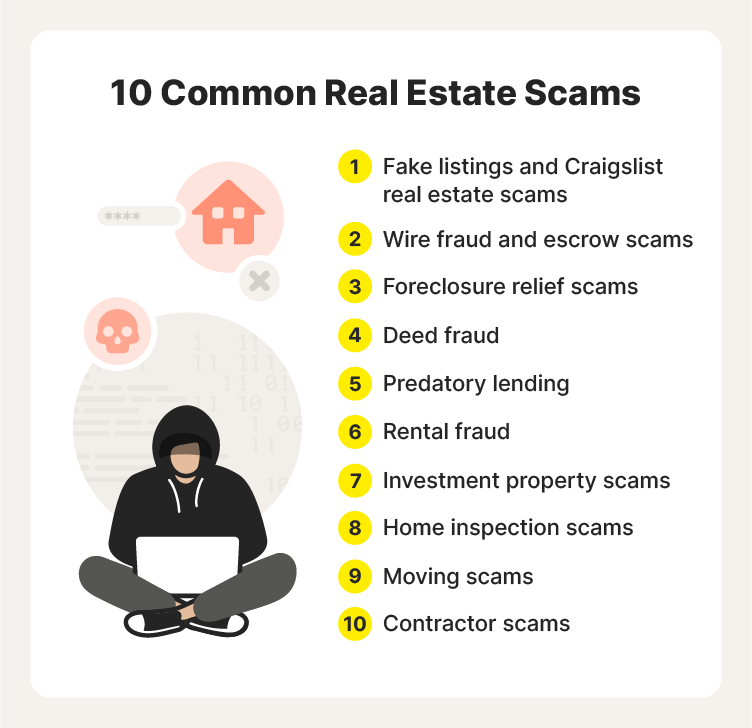
Understanding the mechanics of real estate fraud is not merely an academic exercise; it is a critical component of financial literacy and risk management. As the market evolves with digital transactions and remote closings, the methods used by bad actors have become increasingly subtle. From the perspective of personal finance and investment security, recognizing these threats is the first step toward safeguarding one’s financial future.
The Mechanics of Real Estate Fraud: Common Scams and Structures
Real estate fraud does not manifest as a single type of crime. Instead, it is a broad category that includes various schemes targeting different stages of the property ownership lifecycle. By dissecting these mechanics, investors can better understand where their vulnerabilities lie.
Title and Deed Fraud
Title fraud is perhaps the most devastating form of real estate crime because it strikes at the core of ownership. In this scenario, a fraudster steals a homeowner’s identity and uses forged documents to transfer the property title into their own name or the name of an accomplice. Once the title is transferred, the criminal can sell the property to an unsuspecting buyer or take out a massive home equity loan against the property, disappearing with the cash.
The financial fallout for the original owner is catastrophic. They are left fighting a legal battle to regain ownership of their own home while simultaneously dealing with the debt incurred by the fraudster. This type of fraud often targets vacant homes, vacation properties, or elderly homeowners who may not be monitoring their property records frequently.
Mortgage Fraud for Profit
While some mortgage fraud involves individuals misrepresenting their income to qualify for a home, “mortgage fraud for profit” is a structured criminal enterprise. This often involves industry insiders, such as corrupt appraisers, mortgage brokers, and attorneys. These schemes might include “equity skimming,” where a fraudster gains control of a property using a straw buyer, collects rent, and never pays the mortgage, eventually letting the property fall into foreclosure while pocketing the proceeds.
Another common tactic is “property flipping fraud,” which should not be confused with legitimate real estate investing. In a fraudulent flip, a property is purchased at a low price and immediately appraised at a falsely inflated value through a collusive appraiser. It is then sold to an unsuspecting investor or a straw buyer at the inflated price, leaving the lender with a loan that far exceeds the actual value of the collateral.
Rental and Listing Scams
With the rise of online marketplaces, rental scams have proliferated. Fraudsters scrape legitimate real estate listings—photos, descriptions, and addresses—and repost them on different platforms at a significantly lower price. When potential tenants inquire, the “landlord” (the scammer) claims to be out of the country or unable to show the property in person due to an emergency. They pressure the victim to wire a security deposit or the first month’s rent to “hold” the property. Once the money is sent, the scammer vanishes, and the victim discovers the property was never for rent or belonged to someone else entirely.
The Financial Impact on Investors and Homeowners
The repercussions of real estate fraud extend far beyond the immediate loss of a deposit or a down payment. The financial “shrapnel” from these crimes can devastate an individual’s credit, liquidity, and long-term investment strategy.
Direct Capital Loss and Equity Depletion
The most immediate impact is the loss of liquid capital. Whether it is a $2,000 security deposit or a $200,000 down payment lost to a wire transfer scam, that capital is often unrecoverable. For many, this represents years of disciplined saving. Furthermore, in cases of title fraud, the loss of equity is a direct hit to one’s net worth. If a fraudster successfully drains the equity through a second mortgage, the homeowner is left with a liability that can lead to insolvency if not corrected through expensive litigation.
Credit Score Destruction
Real estate fraud often involves the unauthorized use of an individual’s Social Security number and financial identity. When a fraudster defaults on a mortgage taken out in a victim’s name, the victim’s credit score is decimated. This prevents them from accessing legitimate credit, securing future loans, or even obtaining insurance at reasonable rates. Repairing a credit profile after a major real estate fraud event can take years of administrative hurdles and constant communication with credit bureaus.
Legal and Recovery Costs
The “hidden” cost of real estate fraud is the price of restoration. Proving that a signature was forged or that a transaction was unauthorized requires specialized legal counsel. Real estate litigation is notoriously expensive, involving forensic accountants, handwriting experts, and lengthy court proceedings. For many victims, the cost of fighting the fraud can be nearly as high as the initial loss, creating a “double-loss” scenario that can permanently alter their financial trajectory.
Red Flags: How to Identify Potential Scams
In the world of high-stakes finance, if an opportunity seems too good to be true, it almost certainly is. Identifying the red flags of real estate fraud is an essential skill for any serious investor or homebuyer.
Unrealistic Promises of High Returns
In the niche of real estate investment syndications or “get rich quick” seminars, fraudsters often promise guaranteed high returns with little to no risk. Real estate is inherently subject to market fluctuations, maintenance costs, and vacancy risks. Any investment opportunity that claims to circumvent these realities should be viewed with extreme skepticism. Professional investors look for transparency in “Pro Forma” statements; if the numbers don’t account for realistic expenses, it is a sign of potential misrepresentation.
Pressure Tactics and Manufactured Urgency
Fraudsters rely on psychological pressure to bypass a victim’s critical thinking. They may claim that there are multiple other buyers ready to sign or that a deal must be closed within 24 hours to secure a specific price. This urgency is designed to make the victim skip essential steps, such as a professional home inspection or a thorough title search. Legitimate real estate transactions are characterized by a due diligence period; any attempt to shorten or eliminate this period is a major red flag.
Lack of Transparency in Documentation
A hallmark of a secure financial transaction is a clear paper trail. Fraudsters often provide incomplete documentation, ask for payments to be made in cash or via untraceable wire transfers (especially to offshore accounts), or discourage the use of third-party professionals like escrow agents. If a seller or a broker is hesitant to provide a full history of the property’s title or balks at the mention of an independent audit, the risk of fraud is exceptionally high.
Strategic Defensive Measures for Financial Protection
Protecting one’s financial interests in real estate requires a proactive rather than reactive approach. By implementing specific defensive strategies, investors can create a “moat” around their assets.
Conducting Rigorous Due Diligence
Due diligence is the most effective weapon against fraud. This includes verifying the identity of all parties involved in a transaction. For investors, it means physically visiting a property, checking local tax records to verify ownership, and researching the track record of any investment firm or developer. One should never rely solely on the information provided by the seller or the broker; independent verification through public records and third-party assessments is mandatory.
Utilizing Escrow and Verified Legal Channels
One should never send funds directly to a seller or a service provider in a real estate transaction. Instead, utilize reputable escrow companies that hold funds until all conditions of the contract are met. Furthermore, ensure that all wire transfer instructions are verified via a “loophole-free” method. This involves calling a known, verified number of the escrow officer to confirm the account details before sending any money. Wire fraud is a significant sub-set of real estate crime where hackers intercept email communications and provide false banking details.
Title Insurance and Identity Monitoring
For homeowners and long-term investors, title insurance is a non-negotiable financial tool. An owner’s title insurance policy provides protection against many of the issues discussed, including forged deeds and undisclosed heirs. If a claim of ownership arises after the purchase, the insurance company handles the legal defense and covers the financial loss up to the policy limit. Additionally, subscribing to a service that monitors property records for changes in title can provide an early warning system against deed theft.
The Future of Real Estate Security in the Digital Economy
As the financial landscape shifts, the tools used to combat fraud are also evolving. The integration of technology into real estate—often referred to as PropTech—is creating new ways to secure transactions and verify ownership.
Blockchain and Verified Transactions
There is growing interest in using blockchain technology to manage land registries. Because blockchain creates an immutable, time-stamped ledger of transactions, it could theoretically make title fraud nearly impossible. A digital deed stored on a secure, decentralized network would be much harder to forge than a paper document filed in a local county office. While widespread adoption is still in the early stages, this technology represents the future of secure real estate finance.

Enhanced Regulatory Compliance and AML Laws
Governments are increasingly implementing stricter Anti-Money Laundering (AML) and “Know Your Customer” (KYC) regulations within the real estate sector. These laws require real estate professionals to report suspicious transactions and verify the source of funds for large purchases. For the legitimate investor, these regulations may add a layer of administrative work, but they serve as a critical barrier against the use of real estate as a vehicle for financial crime and money laundering.
In conclusion, real estate remains a cornerstone of wealth creation, but its value makes it a perpetual target for fraud. By understanding the common schemes, recognizing the financial risks, and employing rigorous defensive strategies, individuals and businesses can navigate the market with confidence. The price of financial security in real estate is eternal vigilance and a commitment to professional due diligence.
aViewFromTheCave is a participant in the Amazon Services LLC Associates Program, an affiliate advertising program designed to provide a means for sites to earn advertising fees by advertising and linking to Amazon.com. Amazon, the Amazon logo, AmazonSupply, and the AmazonSupply logo are trademarks of Amazon.com, Inc. or its affiliates. As an Amazon Associate we earn affiliate commissions from qualifying purchases.