
Purchasing a home is often the largest financial decision many individuals and families will ever make. It’s an exciting journey, but one that comes with a complex web of financial terms and calculations. Among the most critical concepts to grasp are the mortgage “interest rate” and the “Annual Percentage Rate” (APR). While often used interchangeably in casual conversation, these two figures represent distinct aspects of your mortgage cost, and understanding their differences is paramount to making informed decisions and truly understanding the financial commitment you’re undertaking. Failing to differentiate between them can lead to costly misunderstandings and suboptimal choices. This article will demystify both the interest rate and the APR, explain their components, highlight their crucial distinctions, and provide practical insights for navigating the mortgage landscape with confidence.
Understanding the Mortgage Interest Rate: Your Initial Cost
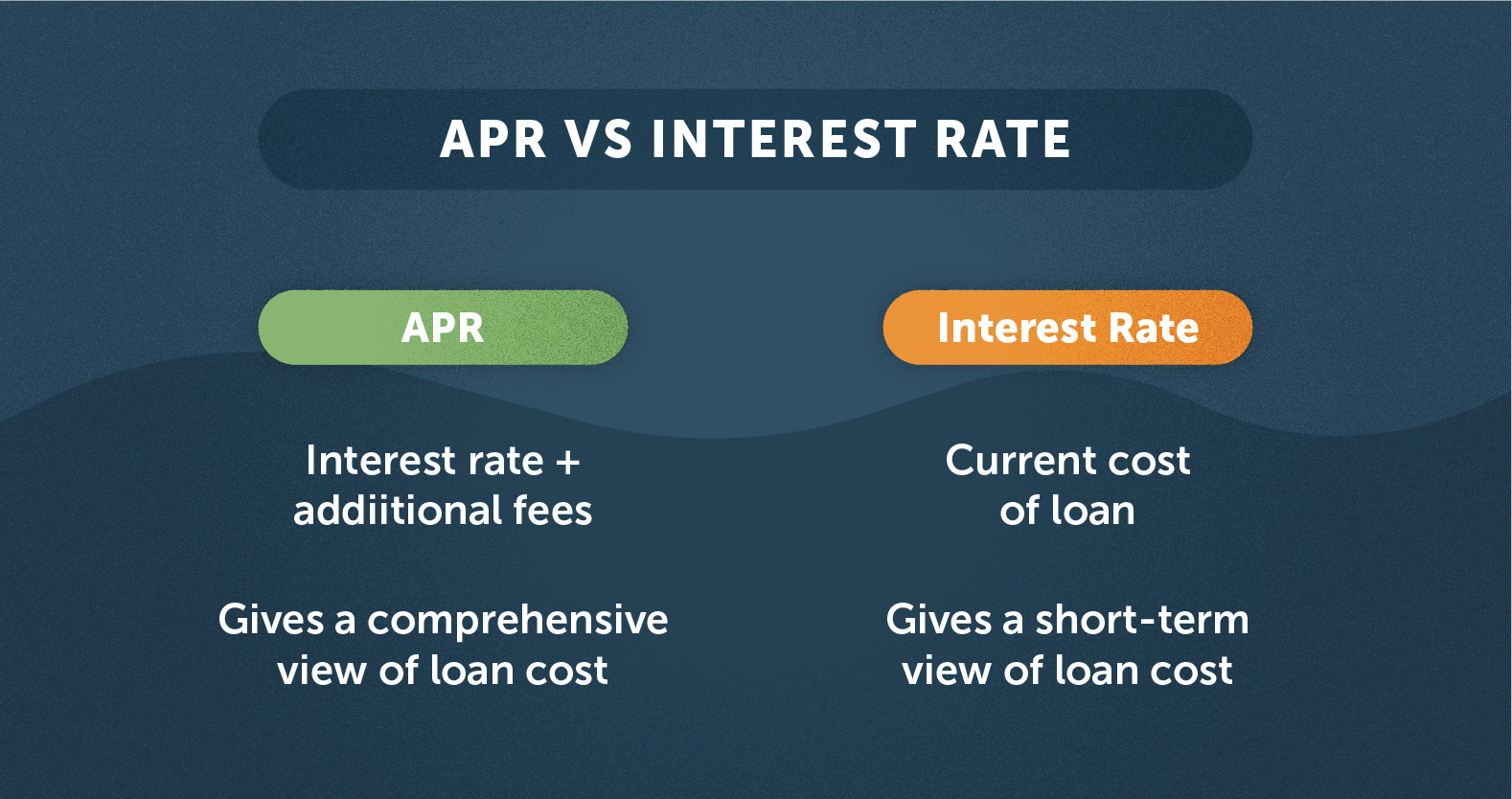
At its core, the mortgage interest rate is the percentage charged by the lender for the money you borrow to purchase your home. It’s the primary factor in determining your monthly mortgage payment and represents the cost of borrowing capital. Think of it as the ‘sticker price’ of your loan.
Definition of Interest Rate
The interest rate is expressed as a percentage and is applied to the principal balance of your loan. It dictates how much interest you will pay on the outstanding debt over the life of the loan. When you see a mortgage advertised as having a “3.5% interest rate,” this is the number referring to the interest charged on the principal. This rate directly influences the portion of your monthly payment that goes towards interest versus the principal.
Types of Interest Rates: Fixed vs. Adjustable
Mortgages typically come with two main types of interest rates, each with distinct characteristics and implications for your financial planning:
- Fixed-Rate Mortgage: As the name suggests, a fixed-rate mortgage maintains the same interest rate for the entire duration of the loan. This provides stability and predictability, as your principal and interest payment will remain constant for 15, 20, or 30 years. This consistency makes budgeting easier and protects you from potential rate increases in the future.
- Adjustable-Rate Mortgage (ARM): An ARM features an interest rate that is fixed for an initial period (e.g., 3, 5, 7, or 10 years) and then adjusts periodically based on a chosen financial index (like the Secured Overnight Financing Rate or SOFR), plus a margin set by the lender. While ARMs often start with a lower interest rate than fixed-rate mortgages, the risk lies in the uncertainty of future payments, which can increase significantly if market rates rise. ARMs can be beneficial if you plan to sell or refinance before the fixed-rate period ends, or if you anticipate your income will rise to comfortably cover potential payment increases.
Factors Influencing Your Interest Rate
Several key factors play a significant role in determining the interest rate you’re offered:
- Credit Score: A higher credit score (generally above 740-760) indicates to lenders that you are a reliable borrower, often resulting in access to lower interest rates. Conversely, a lower score suggests higher risk, leading to higher rates.
- Down Payment: A larger down payment (e.g., 20% or more) reduces the amount you need to borrow, thus decreasing the lender’s risk and potentially qualifying you for a lower interest rate. It also allows you to avoid Private Mortgage Insurance (PMI).
- Loan Term: Shorter loan terms (e.g., 15-year mortgages) typically come with lower interest rates than longer terms (e.g., 30-year mortgages), though they result in higher monthly payments.
- Loan-to-Value (LTV) Ratio: This ratio compares the loan amount to the home’s value. A lower LTV (meaning a larger down payment) is more favorable.
- Debt-to-Income (DTI) Ratio: This ratio compares your total monthly debt payments to your gross monthly income. A lower DTI indicates less financial strain and can lead to better rates.
- Market Conditions: Broader economic factors, such as inflation, the Federal Reserve’s monetary policy, and bond market performance, significantly influence prevailing mortgage rates.
Demystifying the Annual Percentage Rate (APR): The Holistic View
While the interest rate tells you the cost of borrowing the principal, the Annual Percentage Rate (APR) provides a more comprehensive picture of the total cost of your loan over its term. It’s a standardized calculation designed to help consumers compare different loan offers more accurately.
Definition of APR
The APR is a percentage that represents the true annual cost of a loan, including not only the interest rate but also most of the fees and additional charges associated with the loan. These fees are amortized (spread out) over the life of the loan and then added to the interest rate to calculate the APR. This makes the APR almost always higher than the simple interest rate.
Components of APR (Interest Rate + Fees)
The APR includes a variety of fees beyond the pure interest rate, which can vary by lender and loan type. Common fees rolled into the APR calculation include:
- Origination Fees: Charges for processing the loan application, underwriting, and closing.
- Discount Points: Fees paid upfront to the lender in exchange for a lower interest rate. One point typically costs 1% of the loan amount.
- Underwriting Fees: Costs associated with evaluating the loan application.
- Processing Fees: Administrative costs for preparing loan documents.
- Mortgage Broker Fees: If you use a broker, their compensation may be included.
- Private Mortgage Insurance (PMI) Premiums: For conventional loans with less than 20% down payment, PMI might be included in the APR calculation, especially if paid upfront or financed.
- Certain Closing Costs: While not all closing costs are included, those that directly relate to the cost of borrowing the money typically are.
It’s important to note that not all closing costs are included in the APR. For example, third-party fees like appraisal fees, title insurance, attorney fees, recording fees, and property taxes are typically excluded, as they are not directly compensation to the lender for the cost of lending money.
Why APR is Higher Than the Interest Rate
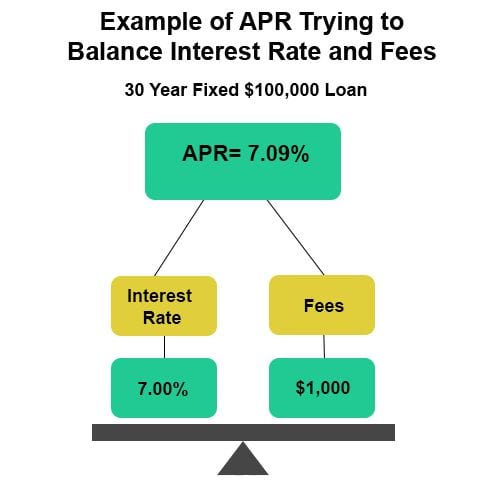
The reason APR is almost always higher than the stated interest rate is precisely because it incorporates these additional costs. If a loan has an interest rate of 4.0% but also requires you to pay $2,000 in origination fees and discount points on a $200,000 loan, the APR will calculate how much those $2,000 in fees add to your overall annual cost, effectively making the “true” interest rate higher than 4.0%. The APR essentially converts these upfront fees into an equivalent interest rate, spread over the loan term.
The Legal Mandate Behind APR Disclosure
The federal Truth in Lending Act (TILA), enacted in 1968, mandates that lenders disclose the APR to consumers. This legislation was designed to promote transparency and enable consumers to make informed comparisons between different credit offers. Before TILA, comparing loans was incredibly difficult due as lenders could advertise low interest rates while hiding substantial fees. The APR requirement aims to level the playing field, making it easier for borrowers to assess the total cost of credit from various lenders.
The Crucial Difference: Rate vs. APR Explained
Understanding the distinct roles of the interest rate and APR is not just an academic exercise; it’s fundamental to making sound financial decisions when securing a mortgage. While related, they serve different purposes in your evaluation.
Why Both Numbers Matter
- The Interest Rate: Primarily determines your monthly principal and interest payment. This is the figure that directly impacts your immediate cash flow and budgeting. If two loans have the same loan amount and term, the one with the lower interest rate will have a lower monthly payment.
- The APR: Provides a standardized measure for comparing the overall cost of different loan offers. Because it bundles certain fees with the interest, it allows you to see which loan is genuinely cheaper when all qualifying costs are factored in. A loan with a slightly higher interest rate but significantly fewer upfront fees might actually have a lower APR than a loan with a lower interest rate but substantial fees.
When to Prioritize Rate Over APR (and Vice-Versa)

The emphasis you place on the interest rate versus the APR can depend on your specific financial situation and intentions:
-
Focus on the Interest Rate if:
- You plan to keep the mortgage for a very long time: If you intend to stay in your home and keep the same mortgage for the majority of its term (e.g., 30 years), the lower interest rate will translate to lower monthly payments over decades, potentially saving you a substantial amount in the long run even if the APR is slightly higher due to some upfront costs.
- Your primary concern is the lowest possible monthly payment: For those with tight budgets, minimizing the monthly outlay takes precedence.
- You’re comfortable with upfront costs: If you have cash on hand and are willing to pay discount points or other fees to secure a lower long-term interest rate, the interest rate itself becomes the focus.
-
Focus on the APR if:
- You plan to refinance or sell your home within a few years: If you anticipate paying off or refinancing your mortgage relatively soon, the upfront fees included in the APR will have a disproportionate impact on the overall cost for the short period you hold the loan. A lower APR indicates fewer initial costs that you might not recover through a lower interest rate over a short term.
- You want a true “apples-to-apples” comparison between lenders: The APR is designed specifically for this purpose. It standardizes the cost, making it easier to evaluate which lender offers the most affordable loan overall, irrespective of how they structure their fees.
- You have limited funds for upfront costs: A loan with a lower APR often means fewer fees you need to pay at closing, making it more accessible if your liquid capital is limited.
Comparing Apples to Apples: Using APR for Lender Comparison
When shopping for a mortgage, obtaining Loan Estimates from multiple lenders is crucial. These standardized forms clearly display both the interest rate and the APR, along with a detailed breakdown of all associated fees. By comparing the APRs on similar loan products (e.g., a 30-year fixed-rate mortgage with a 20% down payment), you can effectively identify the loan that offers the lowest total cost over its term, taking into account the interest and the lender’s fees. Without comparing APRs, you might mistakenly choose a loan with a lower advertised interest rate but higher hidden fees, ultimately costing you more.
Beyond the Numbers: Practical Implications and Strategic Considerations
Understanding the definitions of rate and APR is the first step; applying this knowledge strategically is the key to securing the most favorable mortgage for your financial situation.
Impact on Monthly Payments and Total Loan Cost
- Interest Rate: Directly determines your monthly principal and interest payment. A difference of even a quarter of a percentage point can translate into thousands of dollars saved (or spent) over the life of a 30-year mortgage.
- APR: While not directly calculating your monthly payment, a higher APR signifies a higher total cost of borrowing. This means you’re paying more overall for the loan when all included fees are amortized. Over the entire loan term, this difference can be substantial. For example, a loan with a 4.0% interest rate and a 4.2% APR is generally more cost-effective than a loan with a 3.9% interest rate but a 4.5% APR, especially if you hold the loan for its full term.
Shopping for the Best Mortgage: What to Ask
When speaking with lenders, don’t just ask for the interest rate. Insist on understanding the full picture:
- “What is the current interest rate for a [X]-year fixed/adjustable mortgage with [Y]% down?”
- “What is the APR associated with that loan?”
- “Can you provide a detailed breakdown of all closing costs, and specifically which ones are included in the APR calculation?”
- “Are there any discount points or origination fees, and how do they impact the rate and APR?”
- “Can I see a Loan Estimate for this offer?” (This is legally required and invaluable).
The Importance of Loan Estimates and Closing Disclosures
The Loan Estimate is a three-page form you’ll receive from each lender within three business days of applying for a loan. It clearly lays out the interest rate, APR, estimated monthly payment, and itemizes all estimated closing costs. This document is your most powerful tool for comparing offers. Pay close attention to:
- Section A: Origination Charges: This includes points, application fees, and underwriting fees which directly affect the APR.
- Section B: Services You Cannot Shop For: These are third-party fees (like appraisal) that are not included in the APR but are part of your closing costs.
- Section C: Services You Can Shop For: These are other third-party services where you can choose providers (e.g., title insurance).
The Closing Disclosure is a five-page form you’ll receive at least three business days before closing. It details the final terms of your loan, including the actual interest rate and APR, and all closing costs. Compare it meticulously with your last Loan Estimate to ensure no unexpected changes have occurred.
Refinancing and How Rate/APR Changes Affect It
Refinancing involves taking out a new mortgage to pay off your old one, usually to secure a lower interest rate, change the loan term, or convert an ARM to a fixed-rate loan. When considering a refinance, the same principles of comparing rate and APR apply. You must weigh the potential savings from a lower interest rate against the new closing costs (which will drive up the new loan’s APR). A “no-cost” refinance might have a higher interest rate and APR because the lender rolls the closing costs into the loan amount. Calculate your “break-even point” – how long it will take for the savings from a lower monthly payment to offset the cost of refinancing.
Navigating the Mortgage Landscape: Tips for Prospective Homeowners
Embarking on the homeownership journey requires diligence and a clear understanding of your financial obligations. Here are some actionable tips:
Get Pre-Approved
Before you even start house hunting, get pre-approved for a mortgage. This involves a lender reviewing your financial information (credit, income, assets) and determining how much you can borrow. A pre-approval letter strengthens your offer to sellers and gives you a realistic budget.
Understand All Fees
Don’t be shy about asking your lender to explain every fee listed on the Loan Estimate and Closing Disclosure. Some fees are negotiable, and some you can shop around for (e.g., title insurance, pest inspections). A thorough understanding ensures there are no surprises at the closing table.
Don’t Just Focus on the Lowest Rate
While a low interest rate is attractive, a loan with a slightly higher rate but significantly lower fees (resulting in a lower APR) might be cheaper in the long run, especially if you plan to keep the loan for many years. Always compare the APRs for a true cost comparison.
Seek Professional Advice
Consider working with an independent mortgage broker or a financial advisor. They can offer unbiased advice, help you compare offers from various lenders, and guide you through the complexities of mortgage products, ensuring you choose the best fit for your financial goals.
By diligently comparing the interest rate and APR across different lenders, understanding all associated fees, and asking the right questions, you empower yourself to make a wise financial decision that will shape your homeownership experience for years to come. Your home is more than an asset; it’s a significant financial commitment that demands informed choices.
aViewFromTheCave is a participant in the Amazon Services LLC Associates Program, an affiliate advertising program designed to provide a means for sites to earn advertising fees by advertising and linking to Amazon.com. Amazon, the Amazon logo, AmazonSupply, and the AmazonSupply logo are trademarks of Amazon.com, Inc. or its affiliates. As an Amazon Associate we earn affiliate commissions from qualifying purchases.