
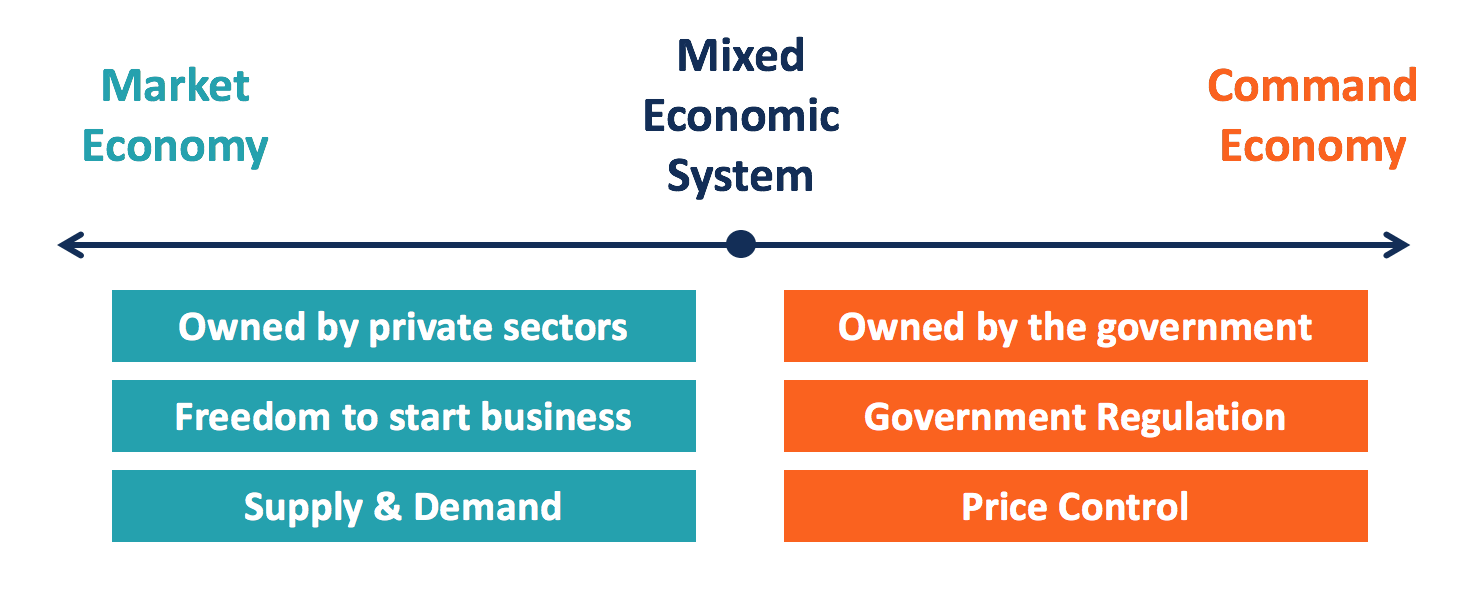
A mixed economy, by its very nature, blends elements of both pure market economies and planned economies. This intricate fusion necessitates a carefully defined role for government, one that is neither entirely hands-off nor wholly controlling. From a financial perspective, understanding this role is paramount for investors, businesses, and individuals alike, as government actions directly influence market dynamics, investment climates, financial stability, and opportunities for wealth creation. The government’s functions in such an economy are multi-faceted, ranging from establishing the foundational rules of financial engagement to actively steering macroeconomic performance and protecting market participants.

Foundational Frameworks for Financial Markets
The bedrock of any functional financial system, regardless of its market orientation, is a stable and predictable operating environment. In a mixed economy, the government is indispensable in constructing and maintaining this fundamental framework, without which financial transactions would be chaotic and risky, stifling investment and economic growth.
Legal and Regulatory Infrastructure
At its core, the government provides the legal and regulatory skeleton that allows financial markets to function. This includes establishing commercial laws, bankruptcy codes, and regulations governing corporate governance. These laws define property rights, enforce contracts, and delineate the permissible scope of business activities. Without a robust legal system, businesses face uncertainty, making long-term investment decisions difficult and increasing the cost of capital. For investors, clear legal frameworks provide the assurance that their assets are protected and that agreements will be honored, a critical factor for capital allocation.
Property Rights and Contract Enforcement
Secure property rights are fundamental to wealth accumulation and economic activity. Governments in mixed economies guarantee these rights, protecting both tangible assets like real estate and intangible assets such as intellectual property. This protection encourages individuals and firms to invest, innovate, and transact without fear of arbitrary seizure. Coupled with this is the enforcement of contracts, a cornerstone for all commercial and financial agreements. An efficient judicial system that can swiftly and fairly resolve disputes is a powerful stimulant for economic transactions, reducing risks and transaction costs for businesses and financial institutions.
Currency and Monetary Stability
A stable and universally accepted currency is the lifeblood of any economy. The government, typically through its central bank, issues and manages the national currency, aiming to maintain its purchasing power. Monetary policy—controlling interest rates and the money supply—is a primary tool for achieving price stability and influencing credit conditions. Predictable inflation and a stable currency are crucial for financial planning, enabling businesses to forecast costs and revenues, and allowing investors to assess real returns. Uncontrolled inflation erodes savings and investment values, while deflation can stifle economic activity, both detrimental to financial health.
Correcting Market Failures and Enhancing Economic Efficiency
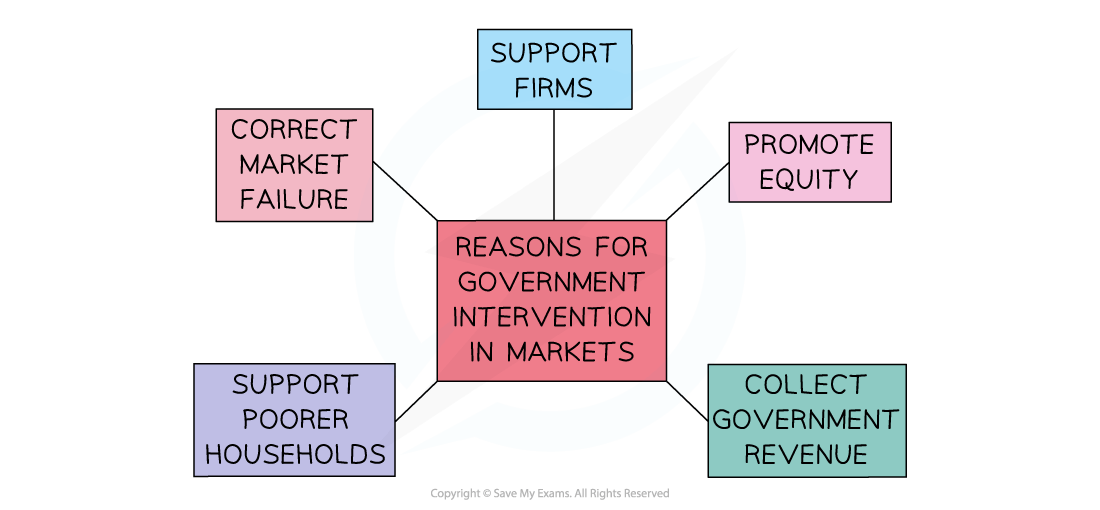
While market mechanisms are powerful allocators of resources, they are not perfect. Mixed economies acknowledge that markets can fail to produce optimal outcomes in certain situations. The government’s role here is to intervene strategically to correct these failures, thereby enhancing overall economic efficiency and promoting equitable financial outcomes.
Addressing Externalities and Public Goods
Externalities, such as pollution (negative) or research and development spillovers (positive), are costs or benefits borne by third parties not directly involved in a transaction. Governments address negative externalities through taxation, regulation, or permits (e.g., carbon taxes), which internalize the cost and incentivize more responsible financial practices. Positive externalities, which markets often under-provide, are supported through subsidies or direct provision (e.g., public health, basic research), improving societal well-being and potentially fostering new industries or technologies. Public goods, like national defense or clean air, are non-excludable and non-rivalrous, meaning private markets struggle to provide them profitably. Government funding for these public goods is essential for a stable and prosperous economic environment that indirectly benefits all financial actors.
Combating Monopoly Power
Unchecked monopoly or oligopoly power can lead to higher prices, reduced output, and suppressed innovation, stifling competition and consumer welfare. In a mixed economy, the government uses antitrust laws and regulatory bodies to prevent excessive market concentration, break up monopolies, and regulate natural monopolies (e.g., utilities). This intervention ensures a more level playing field, encouraging new entrants, fostering innovation, and preventing rent-seeking behaviors that extract wealth without commensurate value creation. For consumers and smaller businesses, this means fairer prices and greater choice, while for investors, it ensures more dynamic and competitive markets.
Information Asymmetry and Consumer Protection
Information asymmetry occurs when one party in a transaction possesses more or better information than the other, potentially leading to exploitation or market inefficiencies. Governments address this through mandatory disclosure requirements (e.g., financial reporting for public companies, product labeling), regulatory oversight (e.g., securities commissions), and consumer protection laws. These measures build trust in financial markets, reduce fraud, and ensure that individuals and small businesses can make informed decisions without being unduly disadvantaged. For example, robust financial disclosure rules are critical for investors to accurately assess the risk and return of securities.
Macroeconomic Stabilization and Fiscal Policy
Beyond setting the rules, governments in mixed economies actively manage the overall health of the economy, particularly through fiscal and monetary policies. These actions have profound financial implications, influencing inflation, employment levels, interest rates, and overall economic growth, which in turn affect business profitability, investment returns, and personal financial well-being.
Managing Economic Cycles (Recessions and Booms)
Mixed economies are susceptible to business cycles, characterized by periods of expansion and contraction. Governments utilize fiscal policy—adjusting government spending and taxation—to temper these cycles. During a recession, increased government spending (e.g., infrastructure projects, unemployment benefits) or tax cuts can stimulate demand, prevent deeper economic downturns, and protect household incomes, thereby stabilizing financial markets. Conversely, during periods of rapid growth and potential inflation, governments might reduce spending or raise taxes to cool the economy, preventing asset bubbles and maintaining price stability. Such stabilization efforts are crucial for long-term financial planning and investment confidence.
Taxation and Public Spending for Economic Impact
Taxation is the primary means by which governments fund their operations and public goods. Tax policies directly affect disposable income, corporate profits, and investment incentives. Progressive tax systems can influence wealth distribution, while corporate tax rates impact business location decisions and reinvestment. Public spending, beyond its role in stabilization, is directed towards areas like education, healthcare, infrastructure, and defense. Investments in infrastructure, for example, can enhance productivity and create new financial opportunities for businesses, while education spending improves the human capital pool, fostering innovation and economic dynamism over the long term.
Public Debt Management and Future Financial Health
Government borrowing to finance deficits leads to public debt. Responsible management of this debt is critical for a nation’s long-term financial health. Excessive or unsustainable debt can lead to higher interest rates, crowd out private investment, and potentially trigger financial crises. Governments must balance current spending needs with future fiscal responsibility, ensuring that debt levels remain manageable and do not impose an undue burden on future generations or undermine the confidence of international financial markets.
Regulation and Oversight of the Financial Sector
The financial sector, given its systemic importance and inherent complexities, often warrants specific and intensive government regulation in a mixed economy. This oversight is designed to ensure stability, protect consumers, and maintain market integrity, thereby fostering an environment conducive to sound financial management and investment.
Banking and Securities Regulation
Central banks and specialized regulatory bodies oversee banks, investment firms, and stock exchanges. Regulations cover capital adequacy requirements for banks (e.g., Basel Accords), lending practices, consumer deposit protection (e.g., FDIC insurance), and the rules governing the issuance and trading of securities. The goal is to prevent financial crises, protect depositors and investors from institutional failures, and ensure the efficient functioning of capital markets. These regulations are vital for maintaining public trust in the financial system and ensuring a stable environment for personal finance and corporate investment.
Consumer Financial Protection
Governments establish agencies dedicated to protecting consumers in financial transactions, from mortgages and credit cards to loans and insurance. These bodies aim to prevent deceptive practices, ensure transparency in financial products, and provide recourse for consumers. By empowering consumers with information and protection, the government helps to build a more trustworthy financial marketplace, reducing risks for individual financial planners and fostering broader participation in the economy.
Ensuring Market Integrity and Preventing Systemic Risk
Beyond protecting individual consumers, a critical government role is to safeguard the integrity of the entire financial system. This involves preventing market manipulation, insider trading, and other illicit activities that can undermine investor confidence. Furthermore, governments monitor for systemic risks—threats that could cause a cascading failure across the financial system, as seen in the 2008 global financial crisis. Through macroprudential policies and oversight of large financial institutions, governments strive to mitigate these risks, ensuring that the financial infrastructure remains stable enough to support real economic activity.
Fostering Innovation and Investment through Strategic Support
While mixed economies rely heavily on private enterprise, governments also play a strategic role in directly stimulating innovation, investment, and long-term economic growth, which translates into future financial opportunities and stability.
R&D Funding and Tax Incentives
Governments often directly fund basic research and development, particularly in areas where private investment might be insufficient due to high risk or long payoff periods. These investments can lead to groundbreaking discoveries that create entirely new industries and financial markets. Additionally, tax incentives for R&D spending encourage private firms to invest more in innovation, spurring technological advancements and enhancing a nation’s competitive edge in the global economy.
Infrastructure Investment
Investment in public infrastructure—roads, bridges, ports, digital networks, energy grids—is a classic government function that has significant financial implications. Improved infrastructure reduces business costs, increases productivity, and connects markets, directly facilitating trade, investment, and economic growth. Such investments often create jobs, stimulate demand for materials and services, and enhance the overall attractiveness of a region for private capital.
Education and Workforce Development for Economic Growth
Investing in education and workforce training programs is crucial for developing a skilled labor force. A well-educated and adaptable workforce is essential for innovation, productivity, and attracting foreign direct investment. Government support for education, from primary schooling to vocational training and higher education, directly contributes to human capital development, which is a key driver of long-term economic prosperity and individual earning potential.
In conclusion, the government’s role in a mixed economy is a complex balancing act, providing the essential framework for market operation while simultaneously intervening to correct failures, stabilize the economy, and promote long-term growth. For anyone navigating the financial landscape, understanding these governmental functions is not merely academic; it is fundamental to making informed decisions, anticipating market shifts, and optimizing financial strategies in a dynamic economic environment.
aViewFromTheCave is a participant in the Amazon Services LLC Associates Program, an affiliate advertising program designed to provide a means for sites to earn advertising fees by advertising and linking to Amazon.com. Amazon, the Amazon logo, AmazonSupply, and the AmazonSupply logo are trademarks of Amazon.com, Inc. or its affiliates. As an Amazon Associate we earn affiliate commissions from qualifying purchases.