
Navigating the landscape of compensation in Phoenix requires more than a simple search engine query. As the fifth-largest city in the United States and a rapidly expanding economic hub, Phoenix maintains labor regulations that are distinct from the federal standard. For employees, employers, and entrepreneurs alike, understanding the local minimum wage is a fundamental pillar of personal finance and business operations.
The Current State of Minimum Wage in Phoenix
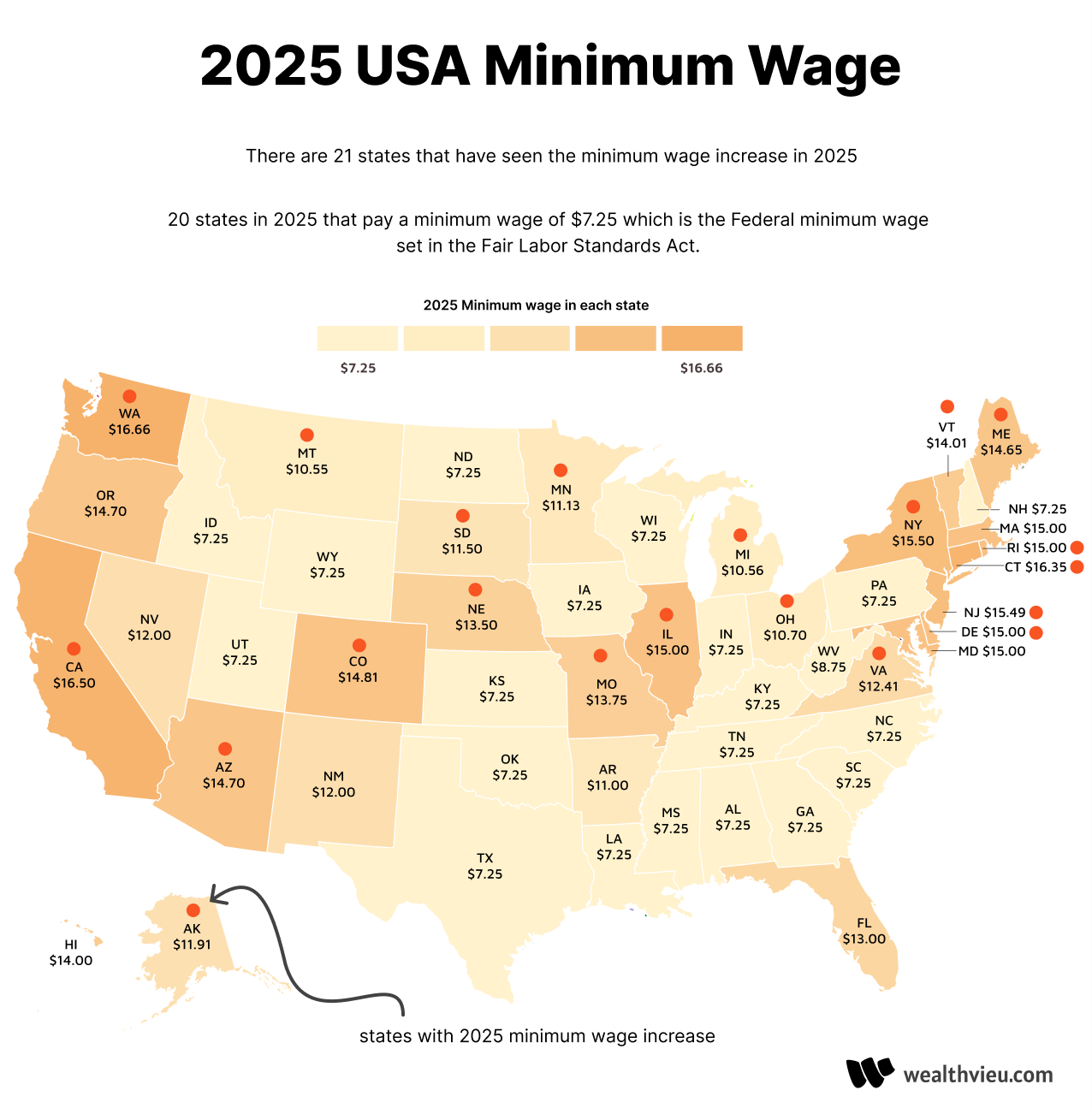
As of January 1, 2024, the minimum wage in Phoenix—and across the entire state of Arizona—is $14.35 per hour. This figure is adjusted annually based on the cost of living, a policy established by the Fair Wages and Healthy Families Act (Proposition 206), which was passed by Arizona voters in 2016.

Understanding Proposition 206
Proposition 206 was a landmark shift for Arizona’s labor market. Before its implementation, the state largely mirrored federal guidelines. The initiative mandated an incremental increase in the hourly wage, eventually tying the rate to the Consumer Price Index (CPI). This ensures that as inflation impacts the purchasing power of the dollar, the baseline income for the lowest-paid workers remains tethered to the actual cost of goods and services in the region.
Federal vs. Local Regulations
One of the most common points of confusion in personal finance involves the interplay between federal and state laws. The federal minimum wage has remained stagnant at $7.25 per hour for over a decade. Under the Fair Labor Standards Act, when federal and state laws differ, the employer must pay the higher of the two rates. Consequently, Phoenix businesses must comply with the state-mandated $14.35 rate, rendering the federal standard effectively obsolete within city limits.
Implications for Personal Finance and Budgeting
For the workforce, knowing the hourly rate is only the first step in financial planning. Because Phoenix has seen significant shifts in housing affordability and utility costs over the last five years, a base wage of $14.35 poses specific challenges and opportunities for household budgeting.
The Math of an Annual Salary
Working a standard 40-hour work week at $14.35 per hour results in a gross annual income of approximately $29,848. However, gross income is not the same as take-home pay. After federal income tax, Social Security, Medicare, and any applicable state withholdings, an individual’s monthly liquid cash is significantly lower.
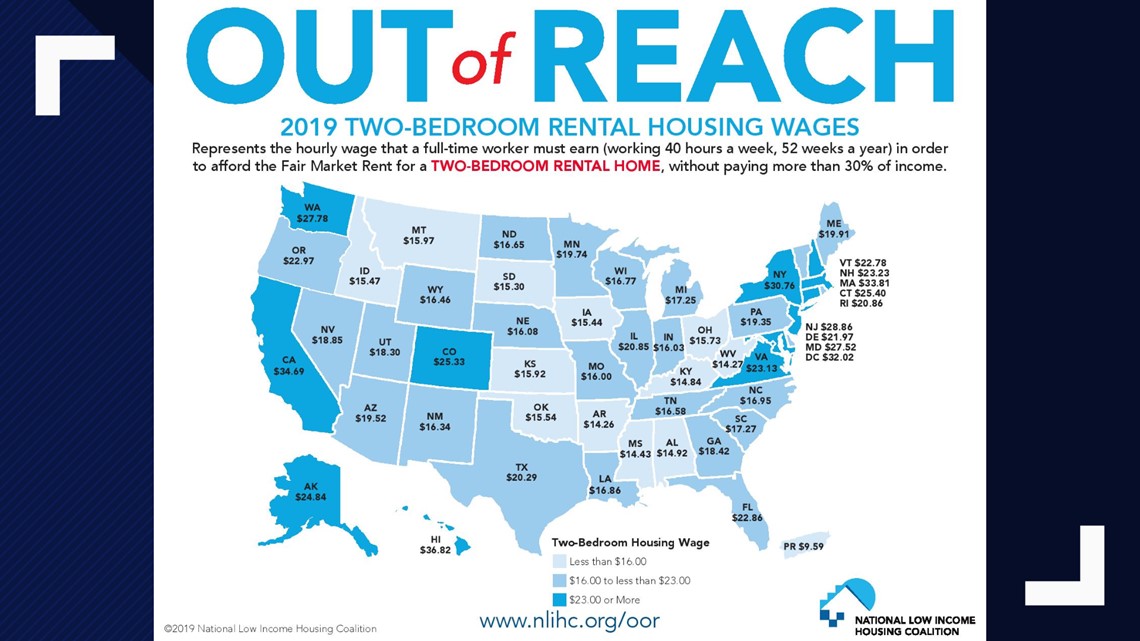
For those living on minimum wage in Phoenix, the “Rent-to-Income” ratio becomes a critical metric. Financial experts typically suggest that housing costs should not exceed 30% of a household’s gross income. In the current Phoenix real estate market, where median rents often climb above $1,700, this creates a structural gap that necessitates rigorous budgeting strategies or the pursuit of secondary income streams.
Beyond the Paycheck: Mandatory Paid Sick Time
A vital component of the Phoenix minimum wage structure is the entitlement to paid sick time. Under the same legislation that governs the wage increase, employees accrue one hour of paid sick time for every 30 hours worked, up to a certain annual cap (24 hours for small employers, 40 hours for larger ones). Viewing this as part of your total compensation package is essential. When you calculate your total financial benefit, you must factor in the value of these paid hours, which serve as an insurance policy against lost wages during unexpected health events.
Business Finance and Operational Considerations
For business owners in Phoenix, the annual adjustment of the minimum wage is a variable cost that must be integrated into annual financial forecasting. Ignoring the trajectory of these increases can lead to margin compression and cash flow instability.
Managing Labor Costs
As the minimum wage rises, businesses often face the “compression effect.” If the entry-level wage increases, the wages of employees already earning slightly above that threshold must also be adjusted to maintain pay equity and morale. This creates a ripple effect throughout the payroll budget.
To mitigate the impact on profitability, Phoenix-based enterprises are increasingly looking toward:
- Automation: Investing in self-service kiosks, automated scheduling software, and digital inventory management to reduce the man-hours required for routine tasks.
- Operational Efficiency: Streamlining workflows to ensure that every hour of labor is tied directly to revenue-generating activities.
- Strategic Pricing: Periodic adjustments to the cost of goods and services to ensure that the business can sustain the rising cost of human capital without sacrificing quality.
Compliance and Record Keeping
The legal stakes for non-compliance are high. Employers must keep accurate records of hours worked and wages paid for at least four years. Furthermore, businesses must display posters in the workplace informing employees of their rights under the Fair Wages and Healthy Families Act. Failure to comply can result in significant civil penalties, back-pay requirements, and potential litigation. Integrating robust payroll software that automatically tracks minimum wage adjustments is not just a convenience—it is a risk management necessity.
Navigating Future Economic Trends
Looking ahead, the trajectory for wages in Phoenix suggests continued upward pressure. As the city continues to attract tech manufacturing, aerospace firms, and financial services, the competition for labor remains fierce.
The Role of Market Dynamics
While the law sets a floor, the market often sets the ceiling. Many Phoenix employers have already moved beyond the $14.35 mandate, offering “living wages” between $16 and $18 per hour to attract and retain top talent. For the job seeker, this means the state-mandated minimum is a starting point, not a ceiling. Negotiating your salary based on industry benchmarks—rather than just the legal minimum—is a key skill in maximizing your personal wealth.
Strategies for Wealth Accumulation
If you find yourself earning at or near the minimum wage, the path to long-term financial stability involves aggressive financial literacy efforts. This includes:
- Side Hustles: Leveraging the gig economy, which is robust in Phoenix due to the city’s sprawl and delivery demands.
- Skill Acquisition: Utilizing local community colleges or online certification programs to transition from minimum wage roles to high-demand sectors like logistics, healthcare support, or administrative management.
- Debt Management: Because interest rates on debt can quickly outpace income growth, prioritizing the elimination of high-interest consumer debt is paramount for those on entry-level wages.
Final Thoughts on the Economic Environment
The minimum wage in Phoenix is more than a number on a paycheck; it is a reflection of the city’s commitment to balancing the cost of living with economic growth. For the individual, it is the starting point for a financial plan that must account for inflation and career advancement. For the business owner, it is a variable expense that demands careful, proactive management.
By understanding the mechanics behind the $14.35 rate and preparing for future adjustments, residents and business operators can navigate the Phoenix economy with confidence. Whether you are budgeting for a new apartment or forecasting for a small business expansion, staying informed on labor laws is the most effective way to ensure your financial health remains resilient in an ever-changing landscape.
aViewFromTheCave is a participant in the Amazon Services LLC Associates Program, an affiliate advertising program designed to provide a means for sites to earn advertising fees by advertising and linking to Amazon.com. Amazon, the Amazon logo, AmazonSupply, and the AmazonSupply logo are trademarks of Amazon.com, Inc. or its affiliates. As an Amazon Associate we earn affiliate commissions from qualifying purchases.