
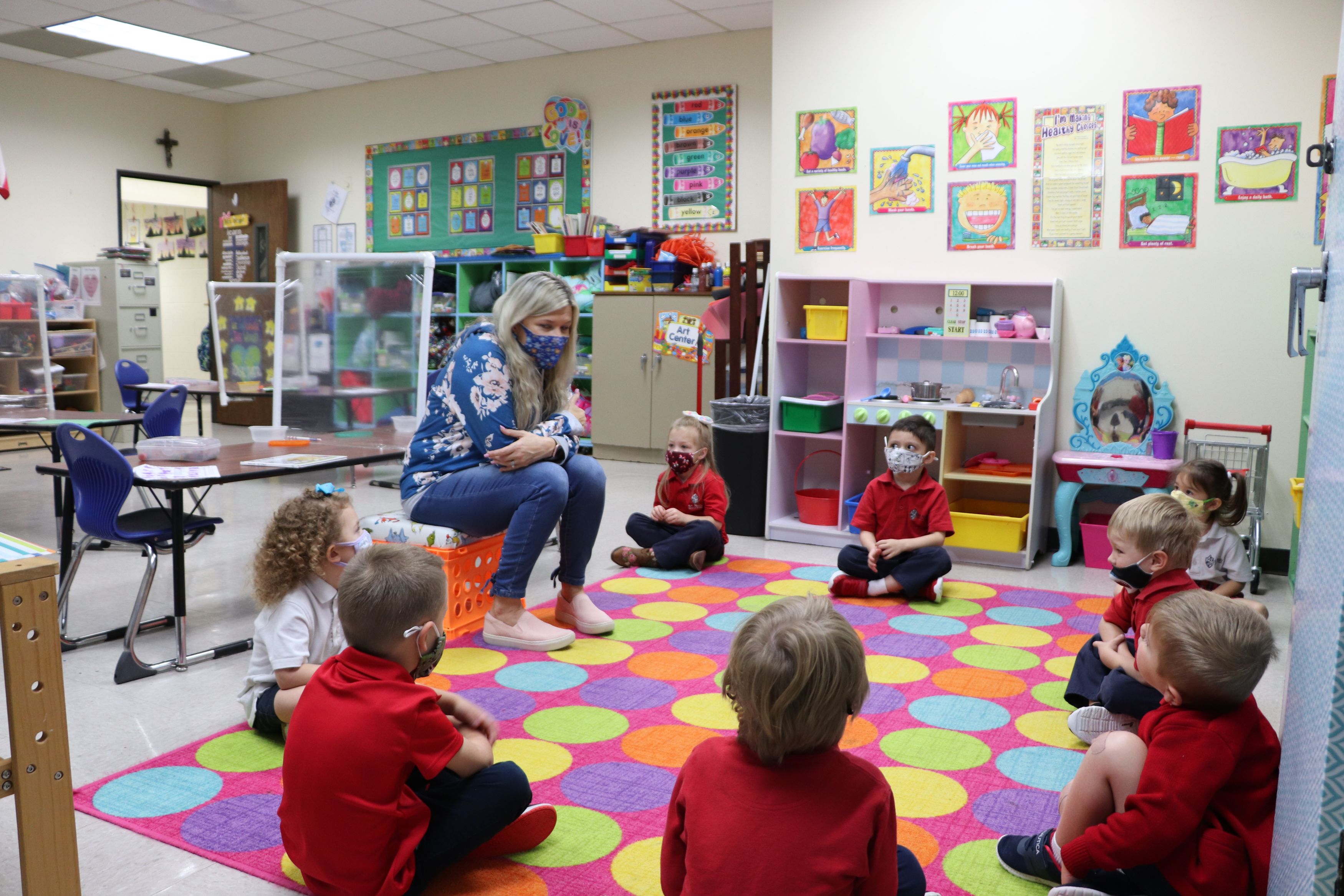
Pre-K 3, typically referring to early childhood education programs designed for three-year-old children, represents a significant and often complex financial consideration for families and a substantial investment for communities. While its primary purpose is pedagogical — fostering cognitive, social, emotional, and physical development before kindergarten — understanding “what is Pre-K 3” from a financial perspective involves dissecting its direct costs, assessing its long-term economic returns, exploring funding mechanisms, and integrating it into broader family financial planning. It is an expenditure that many families grapple with, weighing immediate outlays against future benefits for their child and household stability.
The Financial Foundation of Early Education: Defining Pre-K 3 Costs
The immediate entry point into understanding Pre-K 3 financially is through its direct and indirect costs. These expenses vary dramatically based on location, program type, and duration, creating a diverse financial landscape that parents must navigate.
Understanding Direct Tuition and Fees
The most obvious financial component of Pre-K 3 is tuition. This can range from negligible in publicly funded programs to thousands of dollars per month in private institutions. Factors influencing tuition include:
- Program Type: Publicly funded Pre-K 3 programs, often state or district-run, may be free or low-cost for eligible families, particularly those meeting specific income thresholds. Private preschools, childcare centers, and Montessori programs, however, typically charge market rates.
- Duration: Full-day programs are almost always more expensive than half-day or part-week options due to increased staffing and operational hours. The number of hours and days a child attends directly correlates with the financial commitment.
- Location: Urban centers and high-cost-of-living areas generally feature higher tuition rates compared to suburban or rural settings, reflecting local economic conditions and real estate costs.
- Program Quality and Reputation: Highly sought-after programs with specific educational philosophies, lower student-to-teacher ratios, or specialized facilities often command premium prices.
Families must thoroughly research local options to grasp the prevailing tuition rates, as these can easily constitute one of the largest household expenses, potentially rivaling mortgage payments or car loans.
Unmasking Hidden Expenses: Beyond the Brochure
Beyond the advertised tuition, Pre-K 3 enrollment often comes with a suite of additional, sometimes overlooked, costs that can significantly inflate the total financial burden. These “hidden” expenses require careful budgeting and foresight.
- Application and Enrollment Fees: Many private programs charge non-refundable application fees, waiting list fees, and one-time enrollment or registration fees, which can range from tens to hundreds of dollars.
- Supply Fees: While some programs include supplies in tuition, others require parents to purchase specific materials, art supplies, or even contribute to classroom resources.
- Extracurricular Activities: Optional activities such as music classes, sports programs, or specialized learning modules offered within the Pre-K 3 setting often come with separate fees.
- Transportation: If the program does not offer transportation or if parents choose not to use it, the costs associated with daily commuting (fuel, vehicle wear and tear, public transport fares) add up.
- Meals and Snacks: While many programs provide meals and snacks, some may require parents to pack lunches or pay additional fees for meal plans.
- Extended Care: If parents require care before or after the standard Pre-K 3 hours, these extended care services are almost always billed separately, often at an hourly or daily rate.
- Uniforms/Dress Code: Some private schools require specific uniforms, which represent an additional upfront and ongoing cost.
- Field Trips: Occasional field trips may incur extra charges for admission, transportation, or special materials.
Understanding these ancillary costs is crucial for accurate financial planning and avoiding budget surprises once a child is enrolled.
The Regional and Programmatic Cost Divide
The national average for Pre-K 3 tuition can be misleading due to immense regional variations. For instance, a private full-day program in New York City or San Francisco can easily exceed $2,000 per month, while a similar program in a less expensive state or a more rural area might be half that amount. Publicly funded options, where available, often have vastly different eligibility criteria and availability depending on state and local government priorities and budgets. This geographical disparity underscores the need for localized research when assessing the financial implications of Pre-K 3.
Investing in Tomorrow: The Economic Case for Pre-K 3
Beyond the immediate financial outlay, Pre-K 3 is increasingly viewed as a significant investment with long-term economic returns, both for the individual child and for society as a whole. This perspective shifts the framing from a mere expense to a strategic allocation of resources that yields future dividends.
Long-Term Returns for the Child: Human Capital Development
Research consistently points to the substantial, long-term economic benefits for individuals who attend high-quality Pre-K 3 programs. These benefits materialize through what economists refer to as “human capital development”:
- Improved Academic Outcomes: Children who attend Pre-K 3 are more likely to be kindergarten-ready, perform better in school, and have higher high school graduation rates. This stronger educational foundation translates into better opportunities for higher education and specialized training.
- Higher Earning Potential: Longitudinal studies have shown a correlation between early childhood education and increased adult earnings. A more robust education and improved cognitive and social-emotional skills lead to better job prospects, higher wages, and greater career stability over a lifetime.
- Better Health Outcomes: Early education is linked to healthier lifestyle choices and reduced rates of chronic diseases in adulthood, which can lower individual healthcare costs and increase productive years.
- Reduced Dependence on Social Services: Individuals with stronger educational and social foundations are less likely to rely on welfare programs or experience periods of unemployment, contributing to greater self-sufficiency.
These individual benefits represent a significant return on the initial investment in Pre-K 3, manifesting as enhanced financial security and quality of life.
Societal Benefits: Public Good and Economic Growth
The economic dividends of Pre-K 3 extend beyond the individual to impact society at large, making it a “public good” investment.
- Increased Tax Revenue: As individuals who attended Pre-K 3 achieve higher earnings, they contribute more to the tax base through income and consumption taxes, bolstering government revenues.
- Reduced Public Spending: Investments in early education can lead to reduced expenditures on remedial education, special education services, welfare programs, and the criminal justice system in the long run. Preventing problems is often more cost-effective than addressing them later.
- Workforce Productivity: When children are in quality Pre-K 3 programs, parents, particularly mothers, are more likely to participate in the workforce, increasing overall economic productivity and contributing to GDP growth. Access to reliable, affordable childcare effectively reduces barriers to employment.
- Community Development: A well-educated populace contributes to a more skilled workforce, attracting businesses and fostering innovation, which are critical components of local and national economic growth.
These societal returns, often cited by advocates for increased public funding for Pre-K, demonstrate how an investment in early childhood education can pay dividends across various sectors of the economy.
Mitigating Future Costs: Healthcare, Welfare, and Justice Systems
A particularly compelling economic argument for Pre-K 3 lies in its potential to mitigate future societal costs. Studies like the Perry Preschool Project and the Abecedarian Project have demonstrated that high-quality early childhood interventions can lead to:
- Lower Crime Rates: Participants are less likely to be involved in criminal activity, reducing costs associated with law enforcement, incarceration, and victim services.
- Reduced Need for Remedial Education: Fewer students requiring extensive intervention later in their academic careers frees up educational resources.
- Improved Public Health: A healthier population places less strain on public health systems.
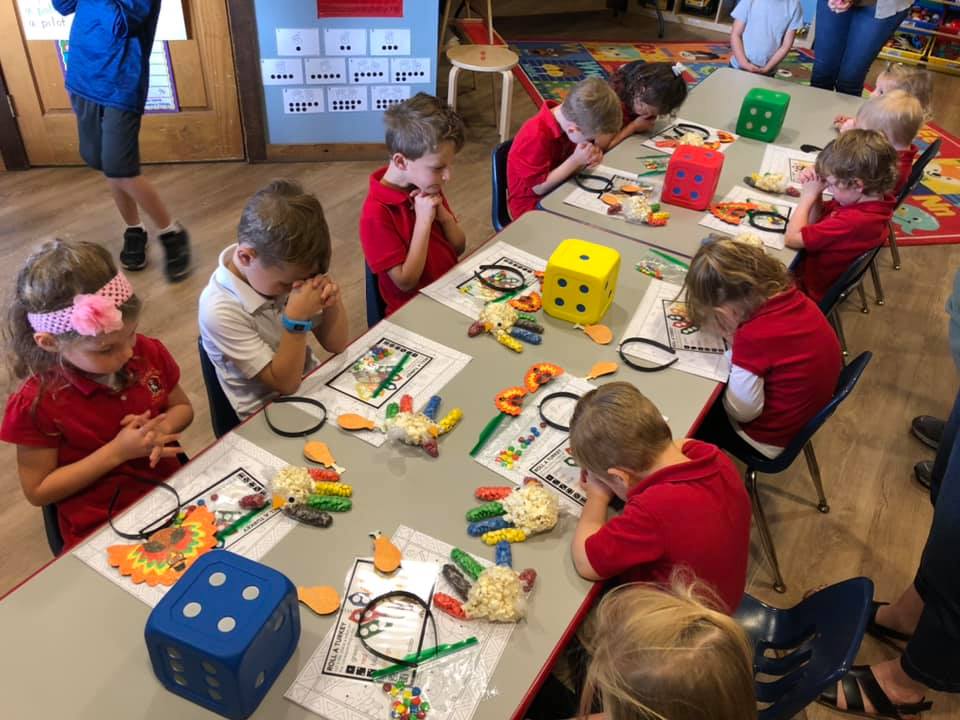
From a fiscal perspective, investing in Pre-K 3 is often presented as a preventative measure that saves governments money in the long term, offering a robust return on investment that often far exceeds the initial program costs.
Strategies for Affordability: Funding Your Child’s Pre-K 3 Experience
Given the significant costs associated with Pre-K 3, many families require financial assistance or strategic planning to make these programs accessible. A variety of funding mechanisms exist, ranging from government subsidies to private financial aid.
Government Programs and Subsidies: State and Federal Initiatives
Public funding plays a crucial role in making Pre-K 3 more affordable, particularly for low- and middle-income families.
- Head Start and Early Head Start: Federally funded programs that provide comprehensive early childhood education, health, nutrition, and parent involvement services to low-income children and families. Eligibility is strictly based on income.
- State-Funded Pre-K: Many states operate their own Pre-K initiatives, some offering universal Pre-K for all eligible children (e.g., in some states, all 3- and 4-year-olds regardless of income), while others target specific populations or school districts. The scope and funding vary widely by state.
- Child Care Assistance Programs (CCAP): State and federally supported programs designed to help low-income families pay for childcare, which can include Pre-K 3 programs. These programs often have sliding scale fees based on income.
- Child Care Development Fund (CCDF): A federal block grant that provides funds to states to help low-income families access affordable child care, improve the quality of child care, and promote children’s development.
Navigating these programs can be complex, often requiring applications, income verification, and adherence to specific deadlines.
Exploring Scholarships and Financial Aid from Providers
Many private Pre-K 3 programs and independent schools offer their own financial aid packages and scholarships.
- Need-Based Financial Aid: Based on a family’s demonstrated financial need, often determined through standardized financial aid applications (e.g., FACTS Grant & Aid Assessment). Awards can significantly reduce tuition costs.
- Merit-Based Scholarships: Less common for Pre-K 3 but can sometimes be offered for specific talents or unique family circumstances.
- Sliding Scale Tuition: Some private programs use a sliding scale, where tuition rates are adjusted based on a family’s income, making the program more accessible to a broader economic spectrum.
Direct communication with the admissions or financial aid office of target programs is essential to understand the available options and application processes.
Tax Credits and Savings Plans: Leveraging Financial Tools
Families can also leverage tax benefits and dedicated savings vehicles to offset Pre-K 3 expenses.
- Child and Dependent Care Tax Credit (CDCTC): A federal tax credit for a portion of childcare expenses for children under 13, including Pre-K 3, if parents are working or looking for work. The credit amount depends on income.
- Dependent Care Flexible Spending Account (DCFSA): Offered through employers, a DCFSA allows employees to set aside pre-tax money from their paycheck to pay for eligible childcare expenses, including Pre-K 3 tuition. This can result in significant tax savings.
- 529 Plans: While primarily designed for college savings, some states allow 529 plan funds to be used for K-12 tuition expenses, which can sometimes include Pre-K 3. However, this varies by state and should be carefully researched to avoid tax penalties.
Consulting with a tax advisor can help families maximize these financial tools to reduce the overall cost of Pre-K 3.
Community Support and Employer Benefits
Local community organizations, churches, and non-profits sometimes offer limited scholarships or subsidies for early childhood education. Additionally, some progressive employers offer childcare benefits, subsidies, or on-site childcare facilities, which can significantly reduce the financial burden on working parents. Inquire with employers about any such benefits as part of compensation packages.
Pre-K 3 and Your Family Budget: Practical Financial Planning
Integrating Pre-K 3 into a household budget requires realistic assessment and strategic planning, recognizing its substantial impact on immediate cash flow and long-term financial goals.
Assessing Your Financial Capacity: A Realistic Look
Before committing to a Pre-K 3 program, families must conduct a thorough financial audit. This involves:
- Creating a Detailed Budget: Itemize all income and expenses to understand current cash flow. Identify areas where cuts might be made or where income could be increased.
- Calculating Total Pre-K 3 Costs: Include not just tuition but all potential hidden fees, transportation, and supplies.
- Evaluating Disposable Income: Determine how much discretionary income is truly available to allocate towards Pre-K 3 without jeopardizing other essential living expenses or savings goals.
- Emergency Fund Assessment: Ensure that committing to Pre-K 3 doesn’t deplete emergency savings, which are crucial for unexpected financial shocks.
Integrating Pre-K 3 into Your Overall Financial Strategy
Pre-K 3 expenses should not be viewed in isolation but as part of a holistic financial strategy.
- Prioritization: For many families, early education is a high priority, potentially meaning adjustments to other spending areas like entertainment, vacations, or even delaying other financial goals.
- Impact on Savings: Consider how Pre-K 3 costs affect retirement savings, college funds for older children, or down payments for a home. Balancing these competing priorities is key.
- Workforce Participation: For some families, investing in Pre-K 3 may enable one parent to return to work or increase their hours, thereby boosting household income, which can offset the childcare costs. This calculation of net financial gain or loss is critical.

The Opportunity Cost: Weighing Trade-offs and Value
Every financial decision has an opportunity cost – what you give up by choosing one option over another. For Pre-K 3, this means weighing the direct financial cost against the perceived benefits and alternative uses of those funds.
- Short-Term Sacrifice vs. Long-Term Gain: Is the immediate financial strain justified by the long-term academic, social, and economic benefits for the child?
- Alternative Investments: Could the money spent on Pre-K 3 be invested elsewhere, and what would be the comparative return? This is a difficult calculation, as the “return” on early education is often qualitative and manifests over decades.
- Parental Time vs. Formal Education: Some families opt for at-home care or less formal arrangements due to cost, weighing the value of parental time and informal learning against a structured Pre-K 3 environment.
Ultimately, “what is Pre-K 3” from a financial perspective is a multifaceted question involving immediate expenses, long-term returns, complex funding mechanisms, and deeply personal budgeting decisions. It is an investment in human capital with profound implications for individual financial well-being and societal economic health, demanding careful consideration and strategic planning from all stakeholders.
aViewFromTheCave is a participant in the Amazon Services LLC Associates Program, an affiliate advertising program designed to provide a means for sites to earn advertising fees by advertising and linking to Amazon.com. Amazon, the Amazon logo, AmazonSupply, and the AmazonSupply logo are trademarks of Amazon.com, Inc. or its affiliates. As an Amazon Associate we earn affiliate commissions from qualifying purchases.