
Bitcoin’s journey from an obscure digital experiment to a trillion-dollar asset class has minted a new generation of wealth. Identifying the single individual or entity who has amassed the “most money” from Bitcoin is complex, given the opaque nature of cryptocurrency holdings and the ongoing fluctuations in its market value. However, a deep dive into the history of Bitcoin adoption, investment strategies, and infrastructural development reveals several prominent figures and organizations that have capitalized on its rise, demonstrating the diverse avenues through which immense financial success has been achieved.
Early Adopters and Visionaries: The Genesis of Crypto Wealth
The earliest proponents of Bitcoin often took on significant financial risk, investing in or mining the digital asset when its value was negligible. Their foresight and conviction laid the groundwork for their staggering future gains.

Satoshi Nakamoto’s Untouched Fortune
The elusive creator of Bitcoin, Satoshi Nakamoto, holds the undisputed title of Bitcoin’s first and potentially largest whale. It is estimated that Satoshi mined over a million Bitcoins in the early days, primarily between 2009 and 2010. These coins have remained untouched in their original wallets, making them a legendary benchmark for hodling (holding on for dear life). While the identity of Satoshi Nakamoto remains unknown, the value of these holdings has, at peak Bitcoin prices, soared into tens of billions of dollars, representing an unparalleled return on investment from a purely technological and conceptual contribution. This fortune, while not “realized” through selling, epitomizes the ultimate long-term hold and illustrates the foundational wealth generated by the asset’s creation.
The Winklevoss Twins: Billion-Dollar Bet
Cameron and Tyler Winklevoss, renowned for their legal battle with Mark Zuckerberg over Facebook, were among the earliest high-profile investors in Bitcoin. Their reported acquisition of 1% of all circulating Bitcoin in 2013, when the price was approximately $120 per coin, was a bold financial move. They publicly declared their belief in Bitcoin as “better than gold.” This early and substantial investment transformed their portfolio, making them the world’s first reported Bitcoin billionaires. Their strategy was not merely to buy and hold; they also invested heavily in the cryptocurrency infrastructure, founding the Gemini crypto exchange and Nifty Gateway NFT marketplace, diversifying their crypto-related financial interests while retaining a significant portion of their original Bitcoin holdings. Their story is a powerful testament to the financial rewards of early conviction and strategic portfolio allocation in a nascent asset class.
Changpeng Zhao (CZ) and Binance: Exchange-Fueled Riches
While not solely a Bitcoin maximalist, Changpeng Zhao, founder and former CEO of Binance, built one of the world’s largest cryptocurrency exchanges. Binance’s business model thrives on transaction fees from billions of dollars in daily trading volume across hundreds of cryptocurrencies, including Bitcoin. CZ’s personal wealth, largely derived from his stake in Binance and his own cryptocurrency holdings (reportedly including a significant amount of Bitcoin and Binance Coin, BNB), has placed him among the wealthiest individuals globally. His financial success highlights an alternative, yet equally lucrative, path to accumulating wealth in the crypto space: building the essential infrastructure that facilitates the broader market’s operation and growth. His fortune is a direct reflection of the ecosystem’s expansion and Bitcoin’s central role within it.
Strategic Investors and Long-Term Holders: Patience Pays
Beyond the earliest adopters and infrastructure builders, a class of strategic investors and corporations recognized Bitcoin’s potential later but still early enough to secure massive financial gains through calculated accumulation and unwavering belief in its long-term value.
Michael Saylor and MicroStrategy: Corporate Treasury Strategy
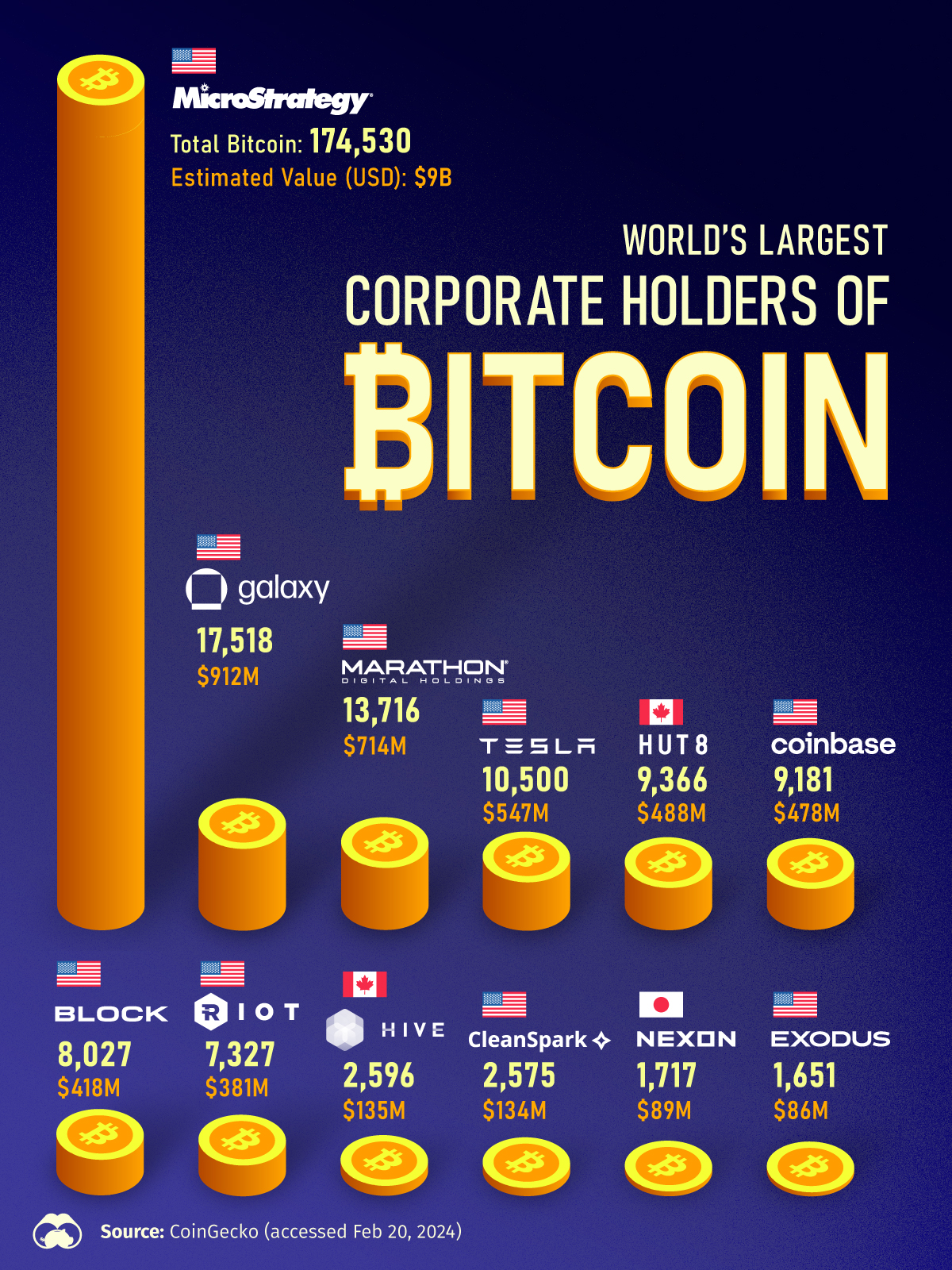
Michael Saylor, CEO of MicroStrategy, pioneered the corporate treasury strategy of converting cash reserves into Bitcoin. Beginning in August 2020, MicroStrategy embarked on an aggressive Bitcoin acquisition spree, buying billions of dollars worth of BTC at various price points. This move was a radical departure from traditional corporate finance, positioning MicroStrategy’s stock as a de facto Bitcoin ETF for institutional investors seeking exposure to the digital asset. Saylor’s unwavering conviction, often articulated through public statements and educational initiatives, underscored the company’s long-term financial bet on Bitcoin. Despite market volatility, MicroStrategy’s substantial holdings have, at peak values, seen their initial investments multiply significantly, creating immense shareholder value and cementing Saylor’s status as a visionary corporate financier in the digital age. This strategy represents a paradigm shift in corporate asset management, demonstrating how a company can leverage Bitcoin to enhance its balance sheet.
Tim Draper: The Silk Road Auction and Beyond
Venture capitalist Tim Draper made headlines in 2014 when he purchased nearly 30,000 Bitcoins seized from the defunct Silk Road marketplace, acquired through a U.S. Marshals Service auction. His bid of roughly $18 million for the lot, averaging around $600 per Bitcoin, was seen by many as a risky gamble at the time. However, Draper’s long-term vision and belief in Bitcoin’s transformative power proved prescient. His initial investment has grown exponentially, demonstrating the financial upside of taking contrarian positions on emerging technologies. Draper has since continued to be an outspoken advocate for Bitcoin and cryptocurrency, further illustrating how early, substantial, and patient investment can lead to extraordinary financial returns.
Institutions and Funds: The Rise of BTC ETFs
More recently, institutional capital has flowed into Bitcoin, driven by the approval of spot Bitcoin Exchange-Traded Funds (ETFs) in major markets like the U.S. Firms like BlackRock, Fidelity, and Grayscale, which already managed substantial Bitcoin trusts, have launched their own spot ETFs, attracting billions of dollars from traditional investors. While these entities manage capital on behalf of clients rather than holding Bitcoin for their own balance sheet in the same way MicroStrategy does, the sheer volume of assets under management (AUM) in these funds signifies a massive aggregation of wealth tied to Bitcoin. The growth of these ETFs underscores a maturing market where financial institutions are now key facilitators of Bitcoin exposure, generating significant fee revenue and driving further capital appreciation for their underlying assets.
Mining Magnates and Infrastructure Builders: Powering the Network
The wealth generated from Bitcoin isn’t confined to those who simply bought and held. The industrial-scale mining operations and the companies that build the essential hardware have also created enormous fortunes by underpinning the network’s security and processing transactions.
Bitmain and AntPool: The Hardware Advantage
Bitmain, co-founded by Jihan Wu and Micree Zhan, became a dominant force in the Bitcoin mining industry. By designing and manufacturing Application-Specific Integrated Circuit (ASIC) miners, which are highly efficient machines specifically built for mining cryptocurrencies, Bitmain captured a significant share of the market. Their early innovation and aggressive expansion allowed them to accumulate vast wealth, both from selling mining hardware globally and from operating their own massive mining pools like AntPool. Their financial success demonstrates that providing the essential tools and infrastructure for the crypto ecosystem can be as lucrative, if not more so, than direct investment in the digital assets themselves. Their business model generated substantial revenue streams that translated into immense net worth for its founders.
Publicly Traded Mining Companies
Companies like Marathon Digital Holdings and Riot Platforms have capitalized on Bitcoin’s value through large-scale, publicly traded mining operations. These companies invest heavily in mining equipment and infrastructure, often leveraging favorable energy prices to maximize their Bitcoin production. Their balance sheets directly reflect their Bitcoin holdings and mining profitability. Investors buy shares in these companies to gain exposure to the Bitcoin mining sector, hoping to profit from both the appreciation of Bitcoin and the efficiency of the mining operations. Their growth underscores the financial viability of industrial-scale Bitcoin production as a distinct investment class.
Beyond the Billionaires: Everyday Millionaires and the Power of DCA
While the headlines often focus on billionaires, Bitcoin has also created a significant number of “everyday millionaires”—individuals who invested relatively modest sums early on or consistently over time.
The Retail Investor Phenomenon
Many early retail investors who put in a few hundred or thousand dollars into Bitcoin when it was trading for pennies or single digits saw their investments grow exponentially. These individuals, often driven by curiosity or a strong belief in decentralized finance, represent a broad demographic who benefited from Bitcoin’s meteoric rise. Their stories highlight the democratizing power of Bitcoin, where access to transformative wealth was not exclusive to institutional players or the ultra-rich, but accessible to anyone with an internet connection and a bit of foresight.
Dollar-Cost Averaging Success Stories
The strategy of Dollar-Cost Averaging (DCA), which involves investing a fixed amount of money at regular intervals regardless of the asset’s price, has been particularly effective for Bitcoin. Many individuals who consistently bought Bitcoin every week or month over several years have accumulated substantial holdings at a favorable average price. This disciplined approach mitigated the impact of volatility and allowed steady capital accumulation, demonstrating that consistent, long-term financial commitment, rather than perfectly timed market entry, can lead to significant wealth accumulation in volatile assets like Bitcoin.
Lessons from the Bitcoin Millionaires: Principles for Financial Growth
The stories of those who have made fortunes from Bitcoin offer several crucial financial lessons applicable to broader investment strategies.
Understanding Risk and Volatility
Every major Bitcoin success story began with a significant understanding and acceptance of risk. Early investors plunged into an unproven technology with immense volatility. While the rewards have been spectacular for many, the journey has been fraught with dramatic price swings. Acknowledging and managing this inherent risk is fundamental to any high-growth investment.
The Importance of Research and Conviction
Whether it was Satoshi’s vision, the Winklevoss twins’ belief in a “better gold,” or Michael Saylor’s conviction in its digital scarcity, deep research and unwavering belief in Bitcoin’s fundamental value underpinned these successful strategies. This conviction enabled investors to “hodl” through bear markets and resist the temptation to sell prematurely, allowing their capital to compound over time.

Long-Term Perspective and Patience
The common thread among the wealthiest Bitcoin holders is their long-term perspective. Few made their fortunes by day trading; most achieved their success through multi-year or even decade-long holding periods. This patience allowed the network effect to mature, institutional adoption to grow, and the underlying technology to prove its resilience and utility, ultimately driving its value higher. These narratives emphasize that true financial transformation often requires a sustained commitment and resistance to short-term market noise.
In conclusion, while “who made the most money” is an ever-evolving question, the individuals and entities highlighted represent the pinnacle of Bitcoin wealth accumulation, showcasing diverse strategies from creation and early adoption to strategic corporate investment and infrastructure development. Their success stories collectively underline the profound financial impact of Bitcoin on the global economy and the innovative ways in which fortunes have been built within its ecosystem.
aViewFromTheCave is a participant in the Amazon Services LLC Associates Program, an affiliate advertising program designed to provide a means for sites to earn advertising fees by advertising and linking to Amazon.com. Amazon, the Amazon logo, AmazonSupply, and the AmazonSupply logo are trademarks of Amazon.com, Inc. or its affiliates. As an Amazon Associate we earn affiliate commissions from qualifying purchases.