
For international students pursuing higher education in the United States, the journey is often as much a financial undertaking as it is an academic one. With the high cost of tuition, housing, and living expenses, many students seek ways to offset their investment while gaining practical experience in their field of study. This is where Optional Practical Training (OPT) becomes a critical component of a student’s financial and professional strategy. Specifically, Pre-Completion OPT offers a unique opportunity to enter the American workforce before graduation, allowing students to monetize their skills and build professional equity early.
Understanding Pre-Completion OPT is essential for any F-1 visa holder who views their education through the lens of a long-term investment. It is not merely a work permit; it is a strategic tool for early-stage career development and financial stability.
Understanding the Financial Mechanics of Pre-Completion OPT
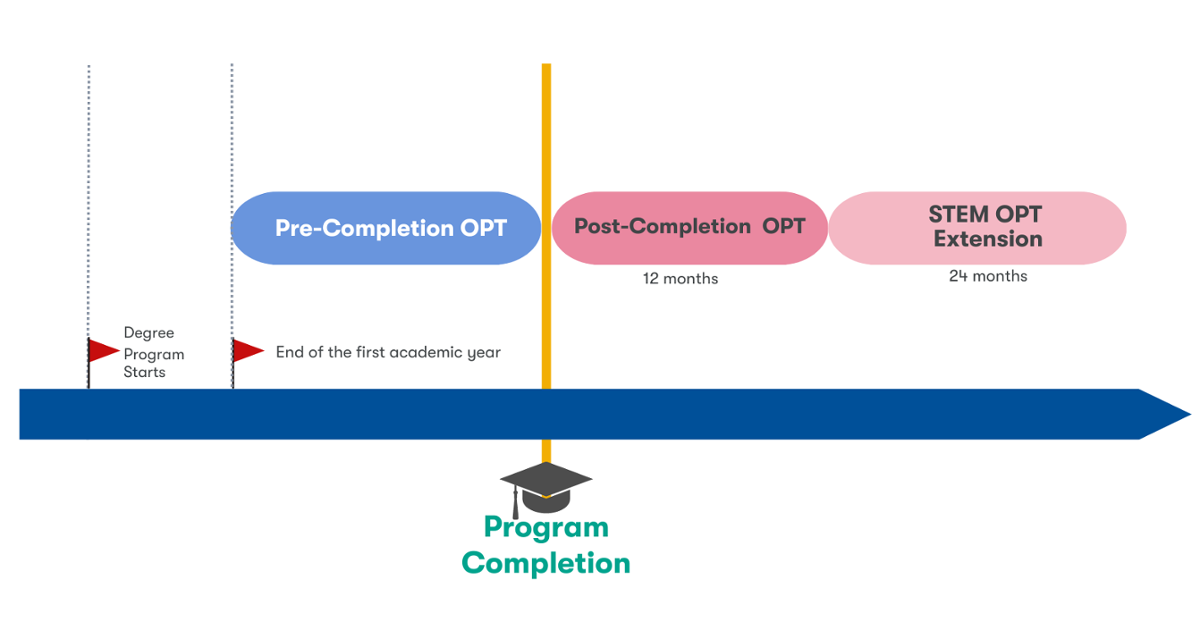
At its core, Pre-Completion OPT is a benefit available to F-1 students that allows them to work off-campus in a position directly related to their major field of study before they complete their degree. While many students are familiar with Post-Completion OPT—the one-year work authorization granted after graduation—the pre-completion variant is often overlooked despite its significant financial advantages.
Defining Pre-Completion OPT in a Financial Context
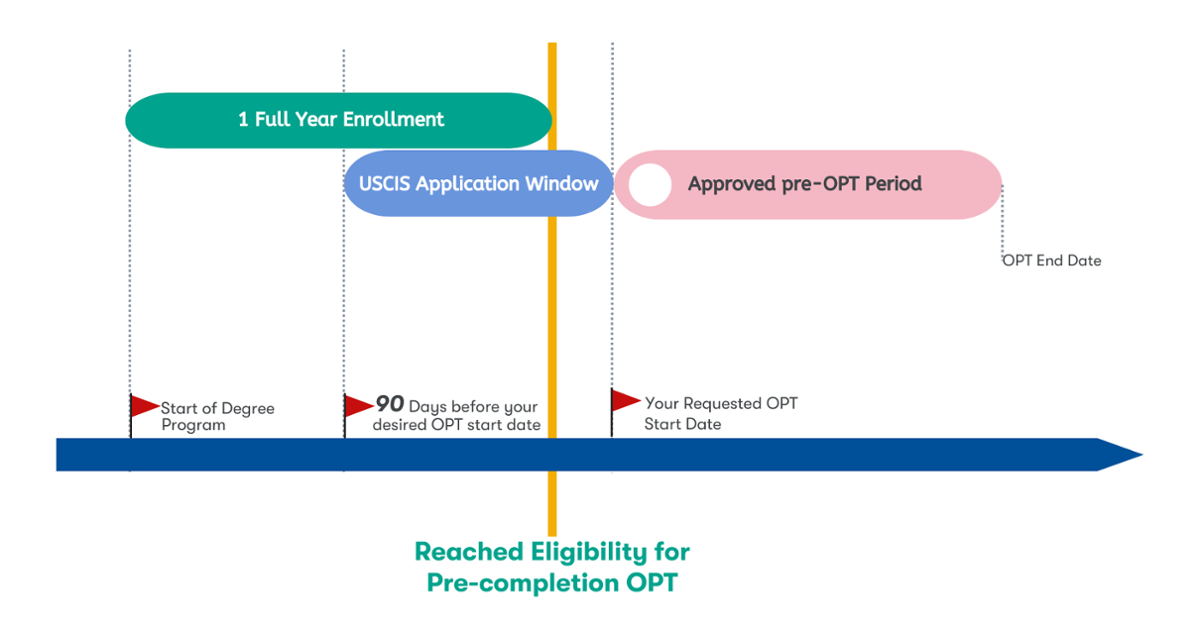
From a personal finance perspective, Pre-Completion OPT serves as a bridge between the restricted earning environment of a campus job and the high-yield potential of the professional US labor market. To be eligible, a student must have been enrolled full-time for at least one full academic year at a SEVP-certified institution. Once authorized by U.S. Citizenship and Immigration Services (USCIS), the student receives an Employment Authorization Document (EAD), which acts as their “green light” to begin generating professional income.
The financial significance of this cannot be overstated. While on-campus jobs are often limited to minimum wage or entry-level stipends, off-campus roles in sectors like technology, finance, and engineering pay significantly higher market rates. For a student managing a tight budget, the delta between an $11/hour library job and a $35/hour junior analyst internship can fundamentally alter their financial trajectory during their studies.
The Cost of Application vs. Potential ROI
Applying for Pre-Completion OPT is a business decision that requires an upfront investment. As of current regulations, the filing fee for Form I-765 (Application for Employment Authorization) represents a non-trivial expense. When you factor in the costs of specialized photos, mailing, and the potential for premium processing fees if a job offer is time-sensitive, a student might spend upwards of $500 to $2,000 before earning a single dollar.
However, the Return on Investment (ROI) is typically high. A standard summer internship lasting ten weeks at a competitive rate can gross between $10,000 and $20,000. Even after taxes and the initial filing costs, the net gain provides a substantial cushion for the upcoming academic year’s tuition or living expenses. Therefore, Pre-Completion OPT should be viewed as a capital expenditure—paying for the right to access a high-yield income stream.
Strategizing Your Income: Part-Time vs. Full-Time During Breaks
One of the most complex aspects of Pre-Completion OPT is managing the hours worked, as this directly impacts the student’s remaining work authorization for the future. The regulations distinguish between work performed during the academic term and work performed during official school breaks.
Managing the 20-Hour Limit and Budgetary Constraints
While school is in session, students are limited to 20 hours of work per week. This part-time restriction is designed to ensure that academic progress remains the priority. From a financial planning standpoint, this 20-hour limit requires careful budgeting. Because the student is working off-campus, they must also factor in commuting costs and time—expenses that don’t exist with on-campus employment.
The real strategic value of part-time Pre-Completion OPT lies in “career equity.” By working 20 hours a week for a reputable firm, a student is not just earning a paycheck; they are building a resume that will command a much higher starting salary upon graduation. In the world of personal finance, this is known as increasing your “human capital.” The skills learned and the professional network built during these 20 hours can be worth tens of thousands of dollars in future negotiation power.
Leveraging Summer Breaks for Maximum Savings
During summer vacations and winter breaks, students authorized for Pre-Completion OPT can work full-time (more than 20 hours per week). This is the “harvest season” for an international student’s finances. Full-time employment allows for maximum capital accumulation. Many students use this period to save enough money to cover an entire semester’s worth of rent or a significant portion of their tuition.
Furthermore, full-time summer internships often lead to “return offers.” Securing a post-graduation job a year in advance removes the financial stress of the job search during the final senior year, allowing the student to focus on their studies and graduate with a clear financial path forward.
The Impact on Post-Completion OPT and Long-Term Wealth Building
A critical financial consideration when applying for Pre-Completion OPT is its relationship with the 12-month total of OPT time granted per educational level. There is a “cost” to using OPT early that must be calculated with precision.
The Deductive Nature of Pre-Completion OPT
Any time used for Pre-Completion OPT is deducted from the 12 months of Post-Completion OPT available after graduation. However, the math is not 1:1 for part-time work. Part-time Pre-Completion OPT is deducted at a 50% rate. For example, if a student works part-time for four months during their junior year, only two months are deducted from their post-graduation 12-month total. Full-time Pre-Completion OPT, however, is deducted at a 1:1 rate.
This creates a strategic dilemma: Is it better to earn money now, or save that work authorization for after graduation? For many, the answer depends on their immediate liquidity needs. If a student is struggling to pay for their final year of school, using Pre-Completion OPT to generate cash flow is a logical necessity. If their finances are stable, they might choose to save that time for the post-graduation period to maximize their chances of securing an H-1B visa or other long-term work sponsorship.
Transitioning from Student Income to Professional Salary
The ultimate goal of Pre-Completion OPT is to facilitate a seamless transition into the professional workforce. By the time a student reaches the end of their degree, those who utilized Pre-Completion OPT often have 6 to 12 months of American corporate experience. In the eyes of a recruiter, this makes them “low-risk” hires.
Financially, this translates to a shorter “unemployment gap” after graduation. While peers are spending months searching for their first role, the student with Pre-Completion OPT experience often hits the ground running on day one after graduation. This early start in a full-time professional role allows for earlier contributions to 401(k) plans, faster debt repayment, and an overall head start on wealth accumulation.
Maximizing the Value of Your Employment Authorization
To truly benefit from Pre-Completion OPT, a student must treat their employment authorization as a business asset. This involves understanding tax obligations, optimizing expenses, and leveraging the position for future financial gains.
Tax Implications for F-1 Students on OPT
A common misconception is that international students are exempt from all taxes. While it is true that F-1 students are generally exempt from Social Security and Medicare taxes (FICA) for their first five calendar years in the U.S., they are still subject to federal, state, and local income taxes.
For a student on Pre-Completion OPT, this tax exemption provides a significant financial boost. By not paying the roughly 7.65% in FICA taxes that a domestic peer would pay, the international student effectively has a higher take-home pay. It is vital to ensure that the employer’s payroll department is aware of this exemption, as reclaiming overpaid FICA taxes from the IRS can be a bureaucratic nightmare. Properly managed, this “tax bonus” can be diverted into a high-yield savings account or used to fund the next semester’s expenses.
Building a Professional Network as a Financial Asset
In business, “your network is your net worth.” Pre-Completion OPT allows students to enter professional circles that are otherwise inaccessible. The relationships formed with managers, mentors, and colleagues are intangible financial assets. These contacts provide the referrals that lead to high-paying jobs later in life.
When working under Pre-Completion OPT, a student should prioritize networking as much as their daily tasks. Attending industry mixers, participating in corporate training, and seeking informational interviews with senior leadership are all activities that increase the long-term value of the work authorization.
Navigating the Application Process: A Business Approach to Compliance
Finally, the financial benefits of Pre-Completion OPT are only accessible if the student maintains strict legal compliance. A single violation of status can lead to the termination of the visa, resulting in the loss of all current and future earning potential in the U.S.
Students should treat the application process with the same rigor they would apply to a major business contract. This means:
- Timing the Market: Applying too early or too late can result in lost wages. Applications should be submitted as soon as the 90-day window opens relative to the one-year enrollment mark.
- Accuracy in Documentation: Errors in the I-765 can lead to Request for Evidence (RFE) notices, which delay work authorization and can result in the loss of a job offer.
- Direct Relation to Major: Every job must be directly related to the student’s degree. Working in an unrelated field to “make quick cash” is a high-risk move that can jeopardize the entire investment of the U.S. education.
In conclusion, Pre-Completion OPT is much more than a regulatory provision; it is a vital financial instrument for the modern international student. By understanding the mechanics of work hours, calculating the ROI of application fees, and strategically managing the deduction from post-completion time, students can turn their degree into a profitable venture long before they cross the graduation stage. In the competitive landscape of the global economy, Pre-Completion OPT provides the early-stage capital and professional experience necessary to build a foundation of lasting financial success.
aViewFromTheCave is a participant in the Amazon Services LLC Associates Program, an affiliate advertising program designed to provide a means for sites to earn advertising fees by advertising and linking to Amazon.com. Amazon, the Amazon logo, AmazonSupply, and the AmazonSupply logo are trademarks of Amazon.com, Inc. or its affiliates. As an Amazon Associate we earn affiliate commissions from qualifying purchases.