
In the world of professional sports, financial narratives often trend toward the cautionary. We are frequently presented with stories of elite athletes who, despite earning tens of millions during their peak years, find themselves in financial distress shortly after retirement. LeBron James has systematically dismantled this archetype. In 2022, James became the first active NBA player to achieve a net worth of $1 billion, joining the ranks of Michael Jordan and Tiger Woods as the only athletes to reach ten-figure status. However, unlike Jordan, who achieved his billionaire status long after his final game, James reached this milestone while still dominating on the court.

Understanding LeBron James’ net worth is not merely an exercise in celebrity voyeurism; it is a masterclass in business finance, strategic investing, and the transition from being a laborer—albeit a highly paid one—to an owner of capital. His journey offers profound insights into how high-net-worth individuals can leverage their primary income to build an enduring financial empire through equity, diversification, and strategic partnerships.
The On-Court Engine: Salary and Career Earnings
While the majority of James’ wealth is tied to his investments and business ventures, the foundation of his empire is his record-breaking NBA salary. Since entering the league in 2003, James has consistently been among the highest-paid players in the world. As of the current season, his career earnings from NBA contracts alone have surpassed $480 million.
This steady stream of capital served as the “engine” for his broader financial strategy. In finance, this is often referred to as “operating cash flow.” For a business, this is the money generated by core activities; for James, it was the income generated by his physical performance. However, James understood early on that a salary, no matter how large, is finite. It is subject to high taxation and the physical limitations of the human body.
To maximize this engine, James was revolutionary in his contract negotiations. He often preferred shorter-term deals with player options, a strategy that allowed him to capitalize on the NBA’s rising salary cap. By maintaining flexibility, he forced teams to remain competitive and ensured his salary was always aligned with the highest possible market value. This proactive management of his primary income source provided the necessary liquidity to fund his more ambitious investment projects.
The Equity Paradigm: Beyond Simple Endorsements
The defining characteristic of LeBron James’ financial ascent is his pivot from traditional endorsements to equity-based partnerships. In the early 2000s, the standard model for a superstar athlete was the “cash-for-services” deal: an athlete would be paid a flat fee to appear in a commercial or wear a specific brand. James, guided by his business partners—often referred to as the “Four Horsemen” (Maverick Carter, Rich Paul, and Randy Mims)—began demanding a “seat at the table.”
The Blaze Pizza Bet
Perhaps the most famous example of James’ equity-first mindset is his involvement with Blaze Pizza. In 2012, James walked away from a $15 million endorsement deal with McDonald’s to invest in a then-fledgling startup called Blaze Pizza. He didn’t just want to be a spokesperson; he wanted to be a franchise owner and an equity stakeholder. He invested approximately $1 million into the company and took a 10% ownership stake. Today, that investment is estimated to be worth more than $40 million. This decision highlights a core principle of wealth building: the willingness to forego immediate, guaranteed cash for the long-term upside of ownership.
The Beats by Dre Exit
James’ involvement with Beats by Dre further illustrates his nose for lucrative exits. Before the company was sold to Apple for $3 billion in 2014, James had negotiated an equity stake in exchange for promoting the high-end headphones. When the acquisition took place, James reportedly earned a $30 million payout. This was a “silent” windfall that had nothing to do with his performance on the basketball court and everything to do with his ability to identify and attach his brand to high-growth tech and lifestyle companies.
Media and Entertainment: The SpringHill Powerhouse
A significant portion of James’ $1 billion net worth is attributed to his media and entertainment venture, The SpringHill Company. Founded with his longtime business partner Maverick Carter, SpringHill is not just a production company; it is a multi-faceted media conglomerate valued at approximately $725 million after a minority stake sale in 2021.
SpringHill encompasses three distinct entities: Robot Co. (a marketing agency), Uninterrupted (a platform for athlete-driven storytelling), and SpringHill Entertainment (the production arm behind films like Space Jam: A New Legacy and various documentaries).
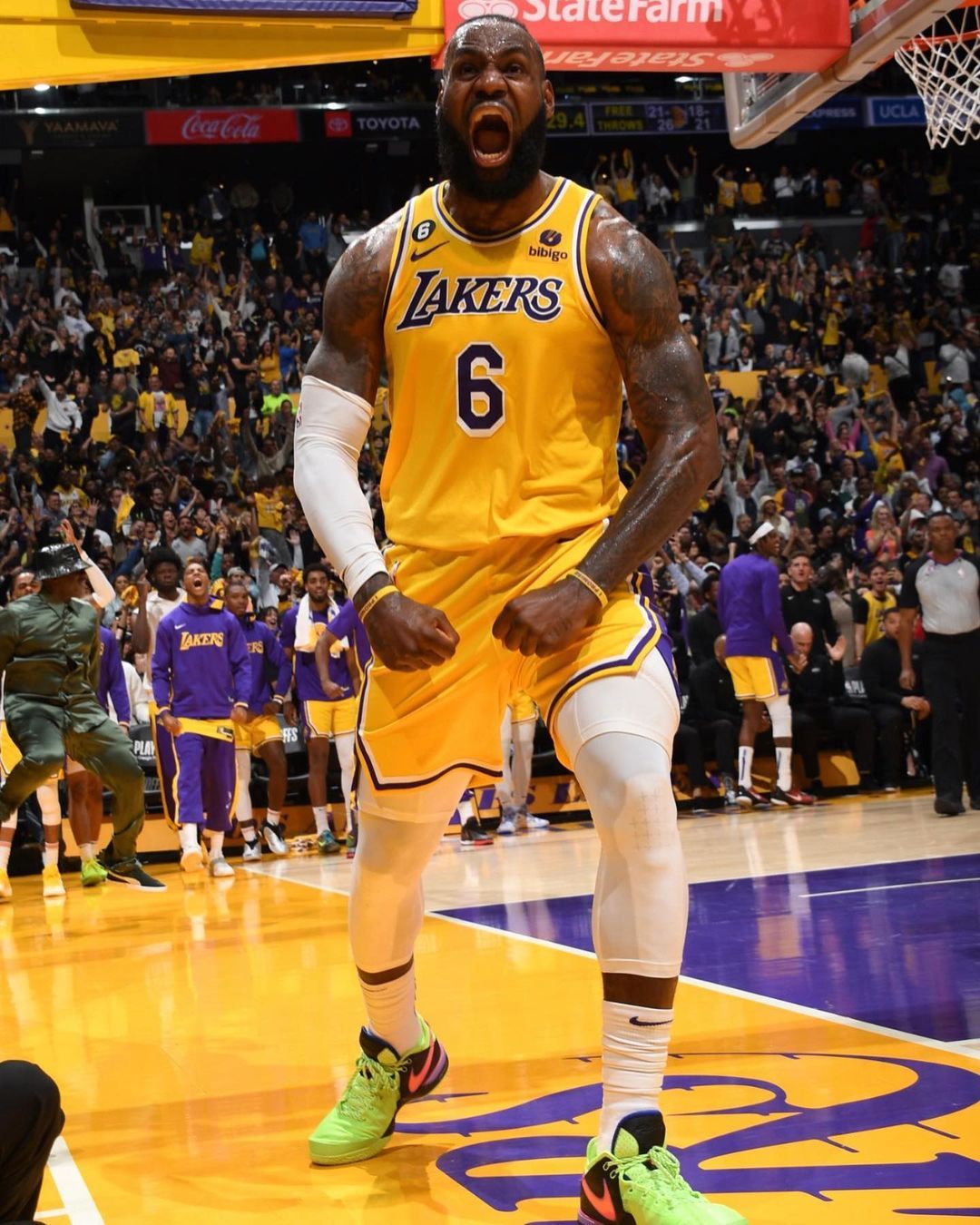
From a business perspective, SpringHill represents the “vertical integration” of James’ brand. Instead of appearing on someone else’s talk show or starring in someone else’s movie, James owns the platform, the production equipment, and the intellectual property. By controlling the distribution and the content, he captures a much larger share of the value chain. This move into media serves as a hedge against the volatility of the sports market and ensures that his earning potential continues long after he retires from the NBA.
Diversification and Strategic Partnerships: Fenway Sports Group
Professional investors often stress the importance of diversification to mitigate risk. James took this to the next level by entering the world of global sports ownership. In 2011, he entered a strategic partnership with Fenway Sports Group (FSG). Initially, James took a 2% stake in the legendary English Premier League club Liverpool FC.
At the time, Liverpool was valued at roughly $477 million. Today, the club is valued at over $4 billion. In 2021, James converted his stake in Liverpool into a direct ownership stake in FSG itself. This move made him a part-owner of the Boston Red Sox (MLB), the Pittsburgh Penguins (NHL), and RFK Racing (NASCAR).
This strategy is an example of “asset class diversification.” By moving his wealth into established sports franchises, James is betting on the long-term appreciation of sports media rights and the scarcity of professional sports teams. These are uncorrelated assets that tend to appreciate regardless of the performance of the stock market or the tech sector. For James, sports ownership represents the ultimate transition from “the talent” to “the governor.”
The Financial Infrastructure of a Modern Mogul
LeBron James’ net worth is not just a result of his individual decisions; it is the product of a sophisticated financial infrastructure. He has treated his personal brand as a corporate entity from day one. This involves a rigorous approach to wealth management, tax planning, and philanthropic strategy.
The Role of Management
James famously empowers his inner circle. By placing his childhood friends in key leadership positions—Rich Paul in sports agency (Klutch Sports) and Maverick Carter in business development—James created an ecosystem where his interests are always the priority. Klutch Sports, in particular, has become a massive financial force in its own right, representing dozens of NBA stars and generating millions in commissions. While James does not officially own Klutch due to NBA regulations, the synergy between his brand and the agency is a significant component of his overall influence and market power.
Real Estate and Lifestyle Assets
Like many centi-millionaires and billionaires, James has a significant portion of his net worth tied up in high-value real estate. His portfolio includes multiple mansions in Los Angeles and Ohio, totaling over $100 million in value. Beyond being residences, these properties act as a store of value and a hedge against inflation. Furthermore, his liquid assets—cash and public market investments—are estimated to be in the hundreds of millions, providing him with the “dry powder” needed to move quickly when new investment opportunities arise.
Philanthropy as a Legacy Tool
While philanthropy is often viewed through a social lens, it is also a component of a comprehensive financial strategy. The LeBron James Family Foundation and the “I PROMISE” School in Akron, Ohio, represent a commitment to social impact that enhances his brand equity. In the modern economy, a “clean” and “purpose-driven” brand is more valuable to corporate partners and investors. By investing in his community, James has built a level of “social capital” that is nearly impossible to quantify but essential for long-term brand sustainability.
Conclusion: The Blueprint for the Future
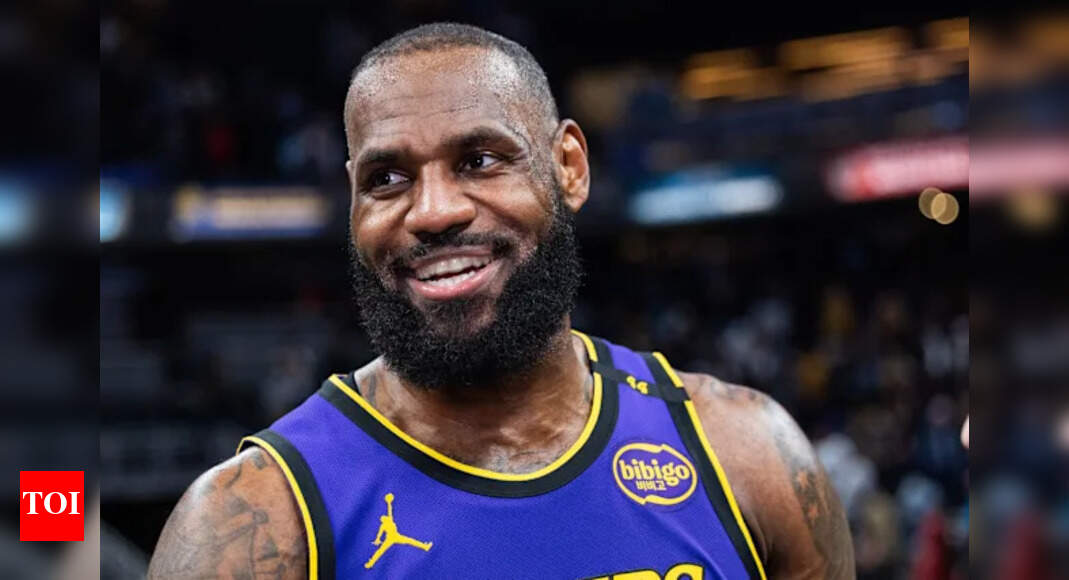
LeBron James’ billion-dollar net worth is a testament to the power of long-term thinking. From the moment he entered the NBA, he refused to be defined by his athletic prowess alone. He treated his career as a capital-generating event, using his earnings to acquire stakes in high-growth companies, build a media empire, and enter the exclusive world of sports ownership.
For the modern investor, the LeBron James model offers several key takeaways:
- Ownership over income: True wealth is built through equity, not just a high salary.
- Strategic networking: Surround yourself with specialists who can execute a long-term vision.
- Brand as an asset: Personal branding is a powerful lever that can be used to negotiate better terms in any business deal.
- Diversification: Protect wealth by spreading investments across different sectors (tech, food, sports, real estate).
As James approaches the twilight of his basketball career, his financial future has never looked more secure. He has successfully navigated the transition from the court to the boardroom, ensuring that “LeBron James” remains a dominant name in the world of finance for decades to come.
aViewFromTheCave is a participant in the Amazon Services LLC Associates Program, an affiliate advertising program designed to provide a means for sites to earn advertising fees by advertising and linking to Amazon.com. Amazon, the Amazon logo, AmazonSupply, and the AmazonSupply logo are trademarks of Amazon.com, Inc. or its affiliates. As an Amazon Associate we earn affiliate commissions from qualifying purchases.