
In the modern economic landscape, the term “postgrad” represents much more than a simple continuation of academic pursuit. From a financial perspective, postgraduate education is one of the most significant capital investments an individual can make in their lifetime. It is the process of pursuing advanced qualifications—such as Master’s degrees, PhDs, or professional certifications—after the completion of an undergraduate degree.
However, viewing “postgrad” through a strictly academic lens is a mistake. In the realm of personal finance and wealth management, postgraduate study is an exercise in human capital optimization. It involves the strategic allocation of time and money today in exchange for a projected increase in earning potential and marketability tomorrow. This article explores the financial dimensions of postgraduate life, analyzing the costs, the risks, and the long-term wealth-building potential of advanced study.
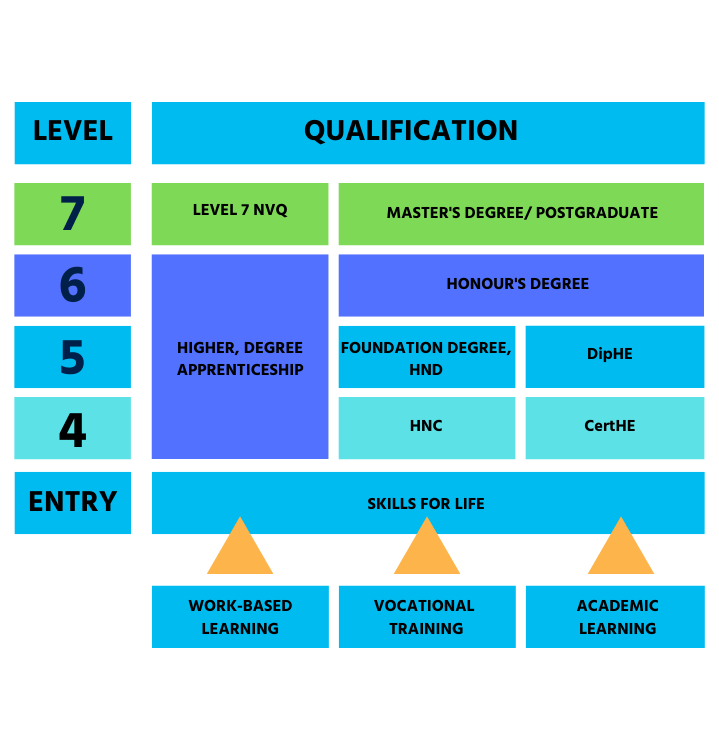
Defining the Postgrad Landscape: More Than Just a Degree
To understand “what is postgrad” in a financial context, one must first view it as an asset class. Unlike a house or a stock portfolio, the investment is made directly into the “self.” This investment aims to hedge against economic volatility by providing specialized skills that are less susceptible to automation or market downturns.
The Cost-Benefit Analysis of Advanced Education
The primary financial question regarding postgraduate study is the cost-benefit ratio. This analysis must account for two distinct types of costs: direct costs and opportunity costs. Direct costs include tuition, specialized equipment, and administrative fees. These are often the most visible financial hurdles.
The opportunity cost, however, is frequently overlooked. This represents the income lost by opting out of the full-time workforce for one to five years. For example, if a professional earning $60,000 a year leaves their job for a two-year MBA, the true cost of that degree is not just the $80,000 tuition; it is $200,000 ($80k tuition plus $120k in lost wages). Understanding this distinction is the first step in determining if a postgrad path is a sound financial move.
Postgrad as a Wealth-Building Strategy
Despite the high entry price, postgraduate education remains a premier strategy for increasing one’s “earnings floor.” Data consistently shows that individuals with postgraduate qualifications earn significantly more over their lifetime than those with only an undergraduate degree. In many sectors—such as healthcare, law, and high-level data science—a postgraduate qualification is the “entry ticket” to high-six-figure salary brackets. From a money-management perspective, postgrad is a leveraged bet on your own future productivity.
Navigating the Financial Architecture of Postgraduate Studies
The way a postgraduate degree is financed can dictate an individual’s financial health for decades. Because the stakes are higher than they were during undergraduate years, the financial architecture of the “postgrad” phase requires sophisticated planning.
Funding Models: Scholarships, Grants, and Personal Capital
Ideally, a postgraduate journey should be funded by someone else’s capital. In the world of research-based PhDs, “funded” positions are common, where the university pays the tuition and provides a modest stipend for living expenses. From a wealth-preservation standpoint, this is the gold standard.
For professional degrees like an MBA or a Master of Finance, the funding often comes from personal savings or employer sponsorship. Forward-thinking corporations often view employee education as a tax-deductible investment in their internal talent pool. Before tapping into personal liquidity or taking on debt, a strategic professional should exhaust all avenues of corporate reimbursement and private grants.
The Reality of Student Debt Management
For many, the postgrad experience is synonymous with the accumulation of debt. Managing this debt requires a business-like approach to personal finance. It is essential to distinguish between “good debt” (low-interest loans for high-ROI degrees) and “bad debt” (high-interest private loans for degrees with stagnant market demand).
Strategic postgraduates use tools like income-driven repayment plans and refinancing to ensure that their debt service does not outpace their post-graduation salary growth. The goal is to ensure that the “debt-to-income” ratio remains healthy enough to allow for other financial milestones, such as home ownership or retirement contributions.
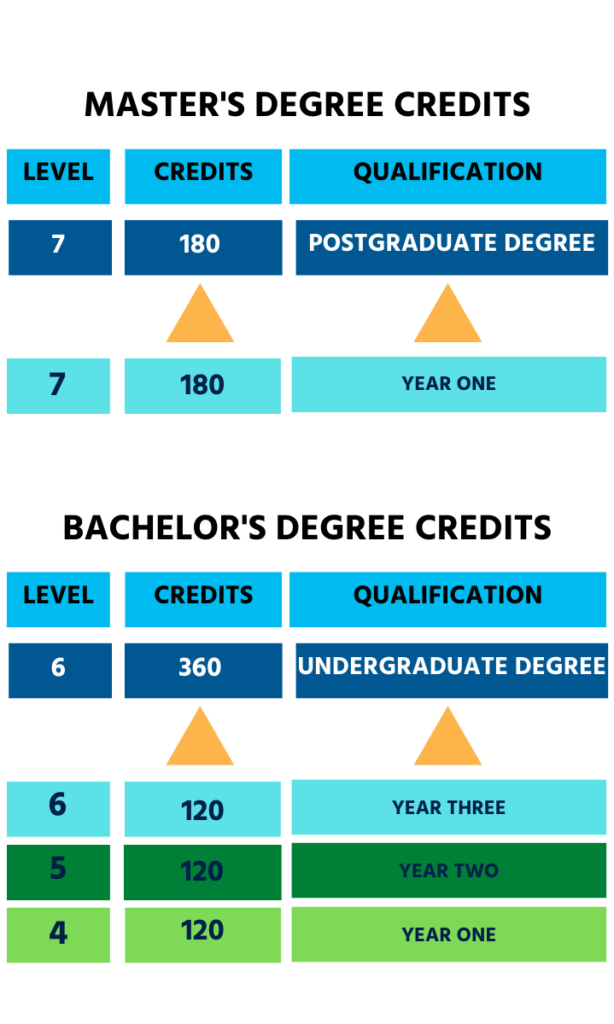
Maximizing ROI: High-Earning Postgrad Pathways
Not all postgraduate degrees are created equal in the eyes of the market. To maximize the return on investment (ROI), one must align their academic interests with market demand and economic trends.
Professional Degrees vs. Research Fellowships
From a purely financial standpoint, professional degrees (JD, MD, MBA, DDS) often offer the most predictable and rapid ROI. these paths are designed specifically to funnel candidates into high-earning corporate or clinical roles.
In contrast, research fellowships and academic PhDs offer a more speculative return. While they provide the highest level of expertise, the financial payoff is often delayed and dependent on securing tenure or pivoting into a lucrative private-sector R&D role. When choosing a postgrad path, an investor-minded student must research the “median starting salary” for their specific niche to ensure the numbers justify the expenditure.
The “Side Hustle” During Postgrad: Balancing Income and Academics
The modern postgrad student is often a “hybrid” earner. The rise of the digital economy has made it possible to maintain side hustles or freelance consulting businesses while studying. Leveraging the very skills being learned in the classroom to generate online income can significantly offset the cost of living. This not only preserves personal capital but also prevents gaps in a professional resume, making the individual even more attractive to future employers.
Long-Term Financial Implications: The Postgrad Payoff
The financial impact of a postgraduate degree is a marathon, not a sprint. The real benefits often don’t manifest until 10 or 15 years post-graduation, when the “compounding effect” of a higher salary begins to widen the wealth gap.
Compounding Interest on Knowledge
In finance, compounding interest is the eighth wonder of the world. In the professional world, “compounding knowledge” works similarly. A postgraduate degree often places an individual in a higher “bracket” for raises and bonuses. A 5% annual raise on a $120,000 postgrad salary is significantly more impactful than a 5% raise on a $60,000 undergrad salary. Over a 30-year career, this delta results in millions of dollars in additional wealth.
Retirement Planning and the Post-Grad Delay
One critical financial risk of the postgrad years is the “delayed start” to retirement savings. By spending years in school instead of the workforce, many postgrads miss out on the crucial early years of 401(k) contributions and employer matching. To mitigate this, postgrads must be aggressive with their savings once they enter the high-earning phase of their career. The goal is to “catch up” by utilizing higher contribution limits and sophisticated investment vehicles to make up for the lost time.
Strategic Alternatives to Traditional Postgrad Studies
In the current tech-driven economy, the traditional university-based postgrad model is facing competition from leaner, more agile financial models.
Micro-Credentials and Digital Certifications
For those looking for an immediate ROI without the six-figure price tag, micro-credentials in areas like cybersecurity, data analytics, or cloud computing offer a compelling alternative. These certifications can often be completed in months rather than years and can lead to immediate salary bumps. From a money-management perspective, the “payback period” for a $2,000 certification is significantly shorter than for a $60,000 Master’s degree.

Investing in Experience: When to Skip the Degree
Sometimes, the best financial move is to skip the postgrad degree altogether. In industries where “proof of work” is valued more than “proof of credential”—such as software engineering or creative direction—reinvesting the money that would have gone to tuition into a personal business or a diversified stock portfolio may yield a higher net worth in the long run.
Ultimately, “what is postgrad” is a question of value. It is a tool for social and financial mobility, but like any tool, its effectiveness depends on how it is financed and applied. By treating postgraduate education as a calculated financial maneuver rather than a default next step, individuals can ensure that their pursuit of higher learning leads to a lifetime of higher earning.
aViewFromTheCave is a participant in the Amazon Services LLC Associates Program, an affiliate advertising program designed to provide a means for sites to earn advertising fees by advertising and linking to Amazon.com. Amazon, the Amazon logo, AmazonSupply, and the AmazonSupply logo are trademarks of Amazon.com, Inc. or its affiliates. As an Amazon Associate we earn affiliate commissions from qualifying purchases.