
The global energy landscape is currently undergoing its most significant transformation since the Industrial Revolution. As the limitations of traditional fossil fuels become increasingly apparent—both in terms of environmental impact and long-term sustainability—the technological sector has responded with a bridge to the future: hybrid fuel systems. At its core, the question of “what is hybrid fuel” does not refer to a single liquid in a tank, but rather a sophisticated integration of diverse energy sources, hardware architectures, and software management systems designed to maximize efficiency while minimizing carbon footprints.
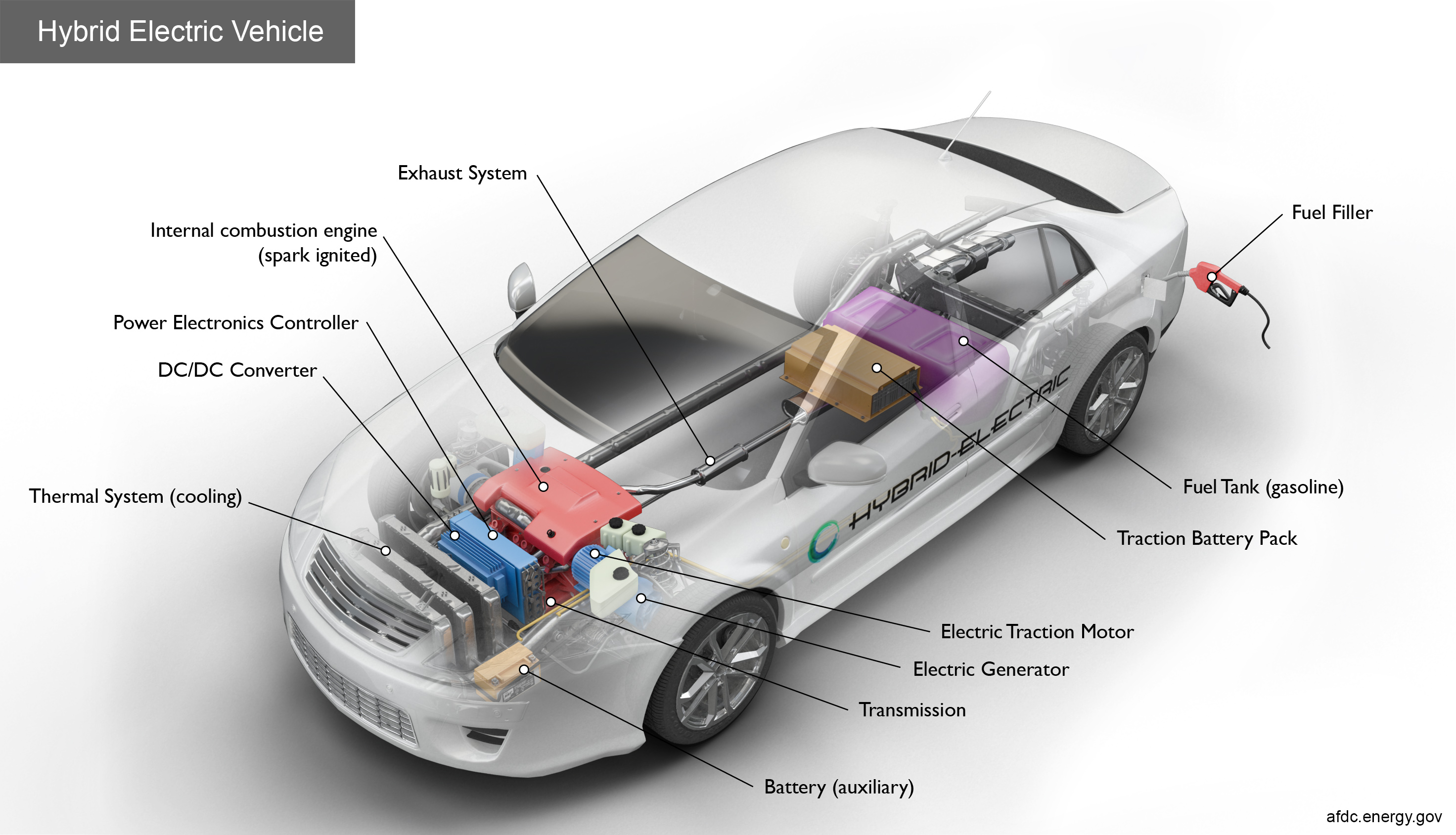
In the contemporary tech lexicon, hybrid fuel represents the convergence of internal combustion engineering, electrochemical energy storage, and synthetic chemistry. Whether we are discussing a vehicle that switches between gasoline and electricity or an industrial turbine powered by a blend of hydrogen and natural gas, the “hybrid” element is a testament to technological adaptability.
Defining Hybrid Fuel: The Intersection of Traditional and Alternative Energy
To understand hybrid fuel, one must first view energy as a spectrum rather than a binary choice between “oil” and “electricity.” Hybridization is the strategic application of two or more distinct power sources to accomplish a single mechanical task.
The Dual-Source Approach
In most consumer applications, hybrid fuel technology manifests as a dual-source propulsion system. This typically involves a high-energy-density liquid fuel (like gasoline or diesel) working in tandem with a high-efficiency electrical system. The technology relies on the premise that internal combustion engines (ICE) are most efficient at sustained high speeds, while electric motors excel at providing instantaneous torque and operating during low-speed, stop-and-go conditions. By using a sophisticated Power Control Unit (PCU), the system decides in real-time which “fuel” is most appropriate for the current load, effectively creating a “hybrid” output that is greater than the sum of its parts.
Distinguishing Between Hybrid Vehicles and Hybrid Fuel Blends
It is crucial to distinguish between hybrid systems and hybrid fuel blends. While the former refers to the hardware (engines and motors), the latter refers to the chemical composition of the fuel itself. Modern tech innovations have led to the development of “e-fuels” and biofuels that are blended with traditional petroleum products. These hybrid fuels allow existing infrastructure to operate with a lower carbon intensity. For example, a “hybrid” aviation fuel might consist of 50% traditional kerosene and 50% Sustainable Aviation Fuel (SAF) derived from organic waste. This chemical hybridization is a key technological pillar for industries that are difficult to electrify.
The Technological Foundations of Hybrid Propulsion
The “tech” in hybrid fuel isn’t just about the fuel itself; it’s about the complex engineering that manages energy conversion. The evolution of this field has led to several distinct architectures that define how hybrid energy is utilized.
Parallel vs. Series Hybrid Architectures
The engineering distinction between parallel and series hybrids is a cornerstone of modern automotive tech. In a Parallel Hybrid, both the engine and the electric motor are mechanically connected to the transmission. They can power the vehicle simultaneously or independently. In contrast, a Series Hybrid uses the internal combustion engine solely as a generator to charge a battery or provide power to the electric motor; the engine never actually turns the wheels. This “range-extender” technology is a sophisticated software-heavy solution that allows an engine to run at its most efficient RPM constantly, regardless of the vehicle’s speed.
Regenerative Braking and Energy Recovery Systems
One of the most significant technological leaps in hybrid fuel systems is the ability to “create” fuel from motion. Regenerative braking systems utilize the electric motor as a generator during deceleration. When the driver lifts their foot off the accelerator or applies the brakes, the system reverses the direction of the motor, creating resistance that slows the vehicle while simultaneously converting kinetic energy back into electrical energy stored in the battery. This process effectively recycles energy that would otherwise be lost as heat in a traditional braking system.
Plug-in Hybrid Technology (PHEV) and Battery Innovations
The Plug-in Hybrid Electric Vehicle (PHEV) represents the peak of current consumer-facing hybrid tech. Unlike standard hybrids that rely solely on the engine and braking for power, PHEVs feature larger battery arrays and external charging ports. This allows for a significant “all-electric” range. The technology here hinges on battery chemistry—moving from Nickel-Metal Hydride (NiMH) to Lithium-ion (Li-ion) and eventually toward solid-state batteries. These innovations allow for higher energy density, meaning more “fuel” can be stored in a smaller, lighter package.

Synthetic and E-Fuels: The Next Frontier of Hybrid Energy
As the tech sector moves toward “Net Zero,” the definition of hybrid fuel is expanding to include synthetic e-fuels. These are carbon-neutral fuels produced by synthesized captured CO2 and hydrogen.
Carbon-Neutral Combustion
The technology behind e-fuels involves using renewable energy (wind or solar) to power electrolysis, which separates hydrogen from water. This “green hydrogen” is then combined with CO2 captured from the atmosphere through Direct Air Capture (DAC) technology. The result is a liquid fuel that is chemically identical to gasoline but has a closed-loop carbon cycle. When burned in a hybrid engine, it releases only the CO2 that was previously captured during its production. This represents a “hybrid” of digital chemistry and mechanical engineering.
The Role of Green Hydrogen in Hybrid Systems
Hydrogen is increasingly seen as the ultimate “clean” fuel component in hybrid systems. In heavy-duty transport, tech firms are developing hybrid hydrogen systems where a hydrogen fuel cell provides a steady base load of power, while a smaller battery pack handles peak power demands. This hybrid configuration solves the “weight-to-energy” ratio problem that plagues purely battery-electric trucks and ships, providing a high-tech solution for long-haul logistics.
Industrial Applications Beyond Personal Transportation
While passenger cars are the most visible application of hybrid fuel tech, the most profound impacts are occurring in heavy industry and infrastructure.
Hybrid Marine and Aviation Technology
The maritime industry is experimenting with hybrid fuel systems that combine massive diesel engines with LNG (Liquefied Natural Gas) or battery banks. These systems use software to optimize fuel consumption based on sea conditions and port regulations. In aviation, “hybrid-electric” propulsion is being tested for short-haul flights. These planes use traditional jet fuel for takeoff (where maximum power is needed) and switch to electric fans for cruising, significantly reducing fuel burn and noise pollution.
Grid-Scale Hybrid Energy Storage
On a macro level, the concept of hybrid fuel applies to the power grid. “Hybrid power plants” are being designed to combine renewable sources (like solar) with traditional gas turbines or massive battery storage. The “fuel” for the grid becomes a hybrid mix of electrons and molecules. Technological advances in AI-driven “Smart Grids” allow utilities to balance these sources in microseconds, ensuring that if the “solar fuel” drops due to cloud cover, the “gas fuel” or “battery fuel” kicks in instantly to prevent outages.
Challenges and the Roadmap for Future Innovation
Despite the rapid advancement of hybrid fuel technology, several hurdles remain that require continued technological intervention.
Infrastructure Hurdles and Standardization
For hybrid fuels—specifically synthetic blends and hydrogen—to become mainstream, the world requires a massive overhaul of refueling infrastructure. The tech sector is currently focused on “drop-in” fuels that can use existing pipelines and tanks. However, the software needed to manage various fuel grades and ensure compatibility across different engine types is still in development. Standardization of charging protocols and fuel nozzles is another area where tech firms are working to create a seamless user experience.
AI and Software Optimization in Hybrid Systems
The future of hybrid fuel is inextricably linked to Artificial Intelligence. Modern hybrid controllers use machine learning algorithms to predict driving patterns, topographical changes (via GPS), and traffic conditions to pre-determine the most efficient energy split. For instance, if the AI knows a long downhill stretch is coming, it will deplete the battery more aggressively on the uphill climb, knowing it can “refuel” via regenerative braking on the descent. This level of software sophistication is what will ultimately push hybrid fuel systems toward 90% or 100% efficiency ratings.
In summary, “hybrid fuel” is a multifaceted technological ecosystem. It encompasses the physical blending of sustainable and traditional chemical energy, the mechanical synergy of internal combustion and electromagnetism, and the digital intelligence that governs the exchange between the two. As we move deeper into the 21st century, these hybrid systems provide the necessary technological bridge, allowing us to maintain global mobility and industrial productivity while transitioning to a truly sustainable energy future.
aViewFromTheCave is a participant in the Amazon Services LLC Associates Program, an affiliate advertising program designed to provide a means for sites to earn advertising fees by advertising and linking to Amazon.com. Amazon, the Amazon logo, AmazonSupply, and the AmazonSupply logo are trademarks of Amazon.com, Inc. or its affiliates. As an Amazon Associate we earn affiliate commissions from qualifying purchases.