
Post-hardcore stands as one of the most compelling case studies in brand evolution within the music industry. Emerging from the aggressive, uncompromising DIY ethos of the early 1980s hardcore punk scene, the genre serves as a primary example of how a creative subculture can leverage strategic reinvention to expand its market share, professionalize its aesthetic, and cultivate a long-term, highly loyal community. By shifting from the raw, unpolished sonic identity of the underground to a more calculated, sophisticated, and commercially viable product, post-hardcore artists have mastered the art of brand positioning.
The Foundations: Establishing a Brand Identity in the Underground
To understand post-hardcore as a brand, one must first look at its origin point: the failure of the original hardcore punk brand to allow for creative growth. Hardcore punk, by the early 1980s, had become highly commodified by its own strict rules—a “brand manual” of speed, political rigidity, and sonic uniformity.
The Pivot to Creative Autonomy
Bands like Rites of Spring and Embrace realized that the strict aesthetic constraints of hardcore were stifling their potential. They began to implement a brand pivot that favored emotional vulnerability and musical complexity over the singular goal of speed. This was not merely a musical shift; it was a repositioning exercise. By incorporating melody and abstract song structures, these artists differentiated themselves from the “hardcore” product. They moved from a singular, narrow value proposition to a broader, more experiential value proposition. This allowed them to reach an audience that craved the intensity of punk but demanded a more nuanced emotional experience.
The Value Proposition of “Authenticity”
In the branding world, “authenticity” is the ultimate currency. Post-hardcore brands successfully marketed authenticity by focusing on the “inner self.” Unlike many corporate brands that focus on external perfection, post-hardcore brands focused on internal struggle. By doing so, they created a deeply resonant connection with their target demographic—disaffected youth and young adults—that was difficult to replicate. This emotional branding strategy became the bedrock upon which the genre built its multi-decade relevance.
Market Expansion: The Strategic Pivot to Mainstream Integration
As the genre matured through the 1990s and early 2000s, the “product” underwent a significant professionalization phase. The brand identity of post-hardcore transitioned from a lo-fi, independent aesthetic to a polished, high-production standard, effectively securing its place in the mainstream market.
Scaling the Sound for Mass Consumption
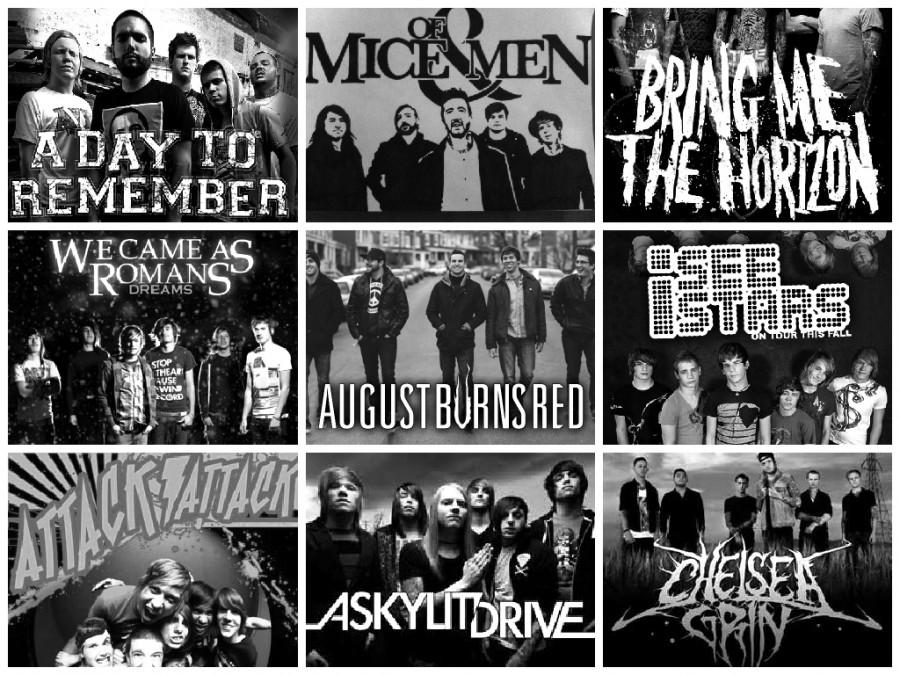
Strategic partnerships with high-end producers and larger labels allowed post-hardcore bands to bridge the gap between niche underground acclaim and commercial visibility. Bands like Thrice, Thursday, and later, Bring Me The Horizon, showcased how to evolve a brand without alienating the core audience. They retained the “intense” brand equity of their origins while adopting the production values required to compete on mainstream radio and television platforms. This is a quintessential lesson in scaling: maintaining the core brand DNA while optimizing the product for a broader distribution network.

Visual Branding and Narrative Marketing
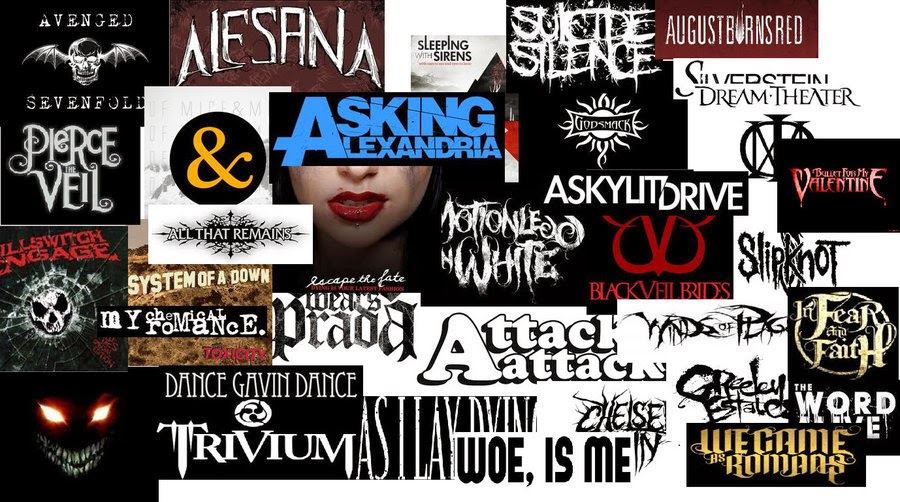
The rise of post-hardcore in the digital age coincided with the necessity for robust visual branding. Album art, music videos, and merchandise became critical touchpoints for the genre. Post-hardcore bands mastered the use of distinctive, evocative imagery—often surreal, gothic, or highly graphic—that acted as a visual shorthand for the band’s identity. This visual consistency is a cornerstone of effective brand strategy. By treating their aesthetic as an integrated marketing campaign, these bands successfully occupied specific mental real estate in the minds of their consumers, ensuring brand recall in an increasingly crowded media landscape.
Community Management: Leveraging Brand Loyalty for Longevity
The most successful post-hardcore brands have mastered the art of community management. Unlike genres that rely on ephemeral popularity, post-hardcore has built a self-sustaining ecosystem where the audience is not just a consumer, but an advocate.
The Role of Direct-to-Consumer Engagement
Long before social media made direct-to-consumer (D2C) marketing a standard business practice, the post-hardcore scene was already experimenting with it. The early adoption of email lists, street teams, and personal engagement at live shows allowed bands to build massive, segmented databases of dedicated fans. By treating the fan base as a community rather than a commodity, these brands ensured long-term survival. This is a crucial lesson for any corporate brand: the cost of acquiring a new customer is significantly higher than the cost of retaining a loyal one. Post-hardcore brands have mastered the retention phase of the marketing funnel.
Cultivating Brand Ambassadors
The “scene” culture of post-hardcore creates natural brand ambassadors. When a fan wears a band’s shirt, attends a show, or shares a track online, they are engaging in peer-to-peer marketing. This reduces the burden on the brand to perform traditional advertising. By fostering a sense of belonging and identity, post-hardcore brands have essentially outsourced their marketing department to their fan base. This is the ultimate goal of corporate branding: creating a product so aligned with the user’s identity that they become an active participant in promoting it.
The Future of the Brand: Adaptability in a Digital Market
As the music industry continues to digitize, the post-hardcore brand is facing its next evolution. The challenge lies in maintaining its core emotional connection in an age where attention spans are short and content is hyper-saturated.
Digital Transformation and Content Strategy
Today’s post-hardcore bands are effectively media companies. They are utilizing streaming platforms not just as distribution channels, but as data-driven tools to understand consumer behavior. By analyzing listener demographics, regional engagement, and drop-off rates, these bands are refining their “product” to meet the expectations of modern digital natives. This analytical approach to a creative field demonstrates that, at its heart, the genre’s growth is fundamentally tied to an understanding of market intelligence.
Managing Brand Identity in a Post-Niche World
The lines between genres are blurring, and post-hardcore is currently experiencing a “crossover” phase. From a brand perspective, this is a strategic move to break out of the “niche” category and into the “mainstream” category. Whether by collaborating with electronic artists or integrating hip-hop production techniques, the genre is proving its inherent flexibility. Successful brands are those that can adapt to changing environments while remaining true to their core values. Post-hardcore’s history of reinvention—from the D.C. punk scene to global arena tours—is a blueprint for how a brand can evolve, survive, and thrive by continuously redefining its own boundaries.
In conclusion, post-hardcore is more than a set of musical conventions; it is a successful brand identity that has thrived through strategic pivots, meticulous community building, and a deep understanding of its target market’s psyche. By analyzing its trajectory, one can learn invaluable lessons about the importance of brand positioning, the power of aesthetic consistency, and the necessity of building an engaged community. The genre serves as a testament to the idea that with the right strategic vision, even the most underground products can achieve massive and sustained cultural influence.
aViewFromTheCave is a participant in the Amazon Services LLC Associates Program, an affiliate advertising program designed to provide a means for sites to earn advertising fees by advertising and linking to Amazon.com. Amazon, the Amazon logo, AmazonSupply, and the AmazonSupply logo are trademarks of Amazon.com, Inc. or its affiliates. As an Amazon Associate we earn affiliate commissions from qualifying purchases.