
The double helix of DNA, a marvel of biological engineering, holds the blueprint of life. Its stability is paramount, yet its ability to “unzip” or separate its two strands is equally crucial for fundamental processes like replication, repair, and transcription. Historically, understanding what unzips DNA was a question for biologists. Today, it has become a profound challenge and opportunity for technologists, driving innovation in areas from advanced diagnostics to gene editing and beyond. Leveraging sophisticated tools and computational power, technology now not only elucidates the natural mechanisms of DNA unzipping but also actively manipulates and mimics these processes for groundbreaking applications.
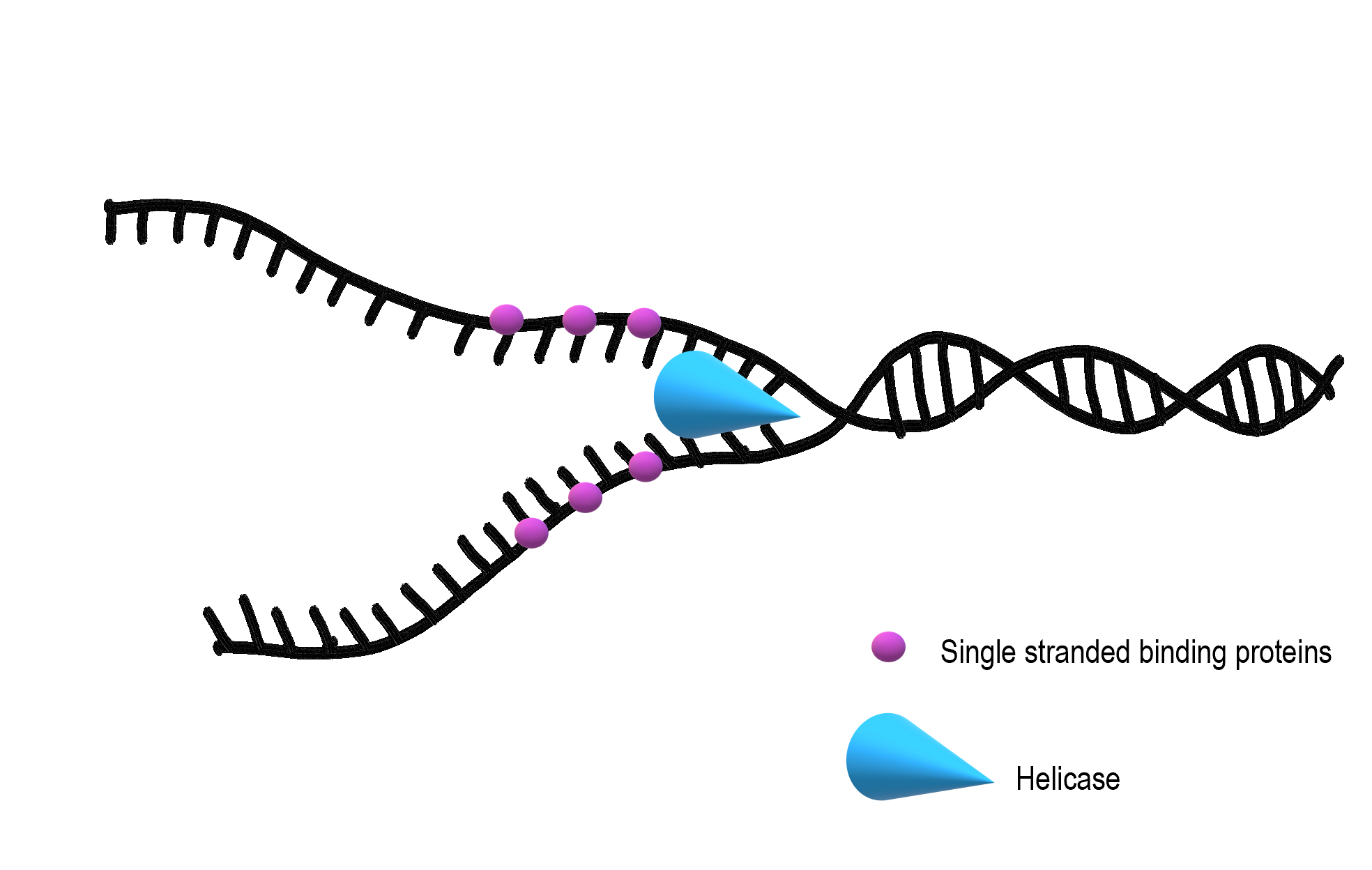
The Molecular Mechanics of Unzipping: A Technological Lens
At its most fundamental level, DNA unzipping involves breaking the hydrogen bonds that hold the two complementary strands together. In living organisms, this intricate task is primarily carried out by specialized protein machines. However, technology allows us to observe, quantify, and even artificially induce this separation, opening doors to new biological insights and practical applications.
Helicase: Nature’s Nano-Machine and Biomimicry
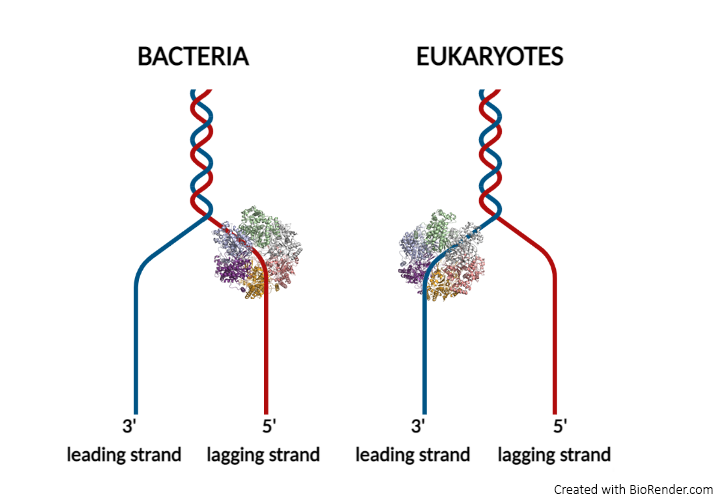
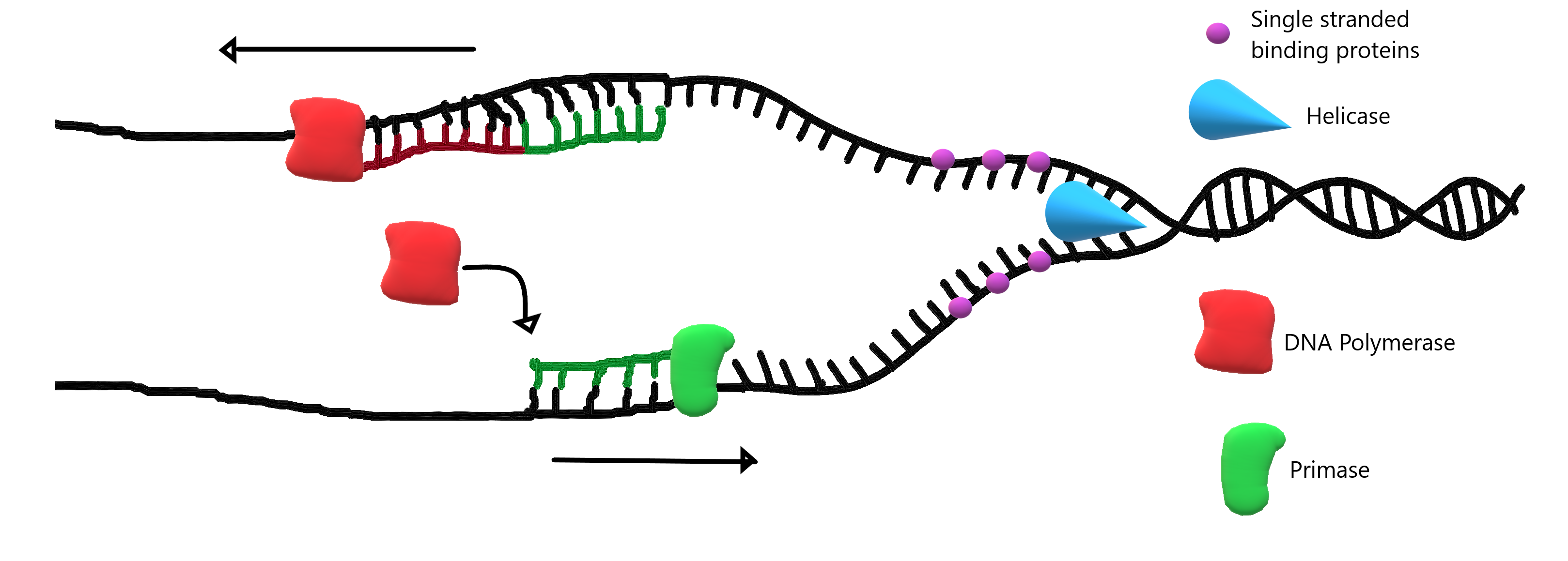
The primary natural “unzipper” of DNA is a class of enzymes called helicases. These molecular motors move along the DNA backbone, using energy from ATP hydrolysis to disrupt the hydrogen bonds, effectively unwinding the helix. From a technological perspective, helicases represent remarkable nanoscale machines. Their precision and efficiency inspire biomimicry, where engineers study their mechanisms to design synthetic systems capable of similar controlled molecular separation. Research into artificial helicases, or molecular devices that can selectively unwind DNA, is an active area of nanotechnology and bioengineering, promising novel drug delivery systems or programmable nanorobots for cellular repair. Software simulations and advanced imaging techniques, such as atomic force microscopy, are indispensable in understanding the conformational changes and force dynamics exerted by these enzymes, providing blueprints for synthetic counterparts.
The Role of Denaturation in Lab & Tech
Beyond enzymatic action, DNA can be unzipped through denaturation, a process that involves breaking hydrogen bonds via heat or chemical agents. While seemingly crude compared to biological helicases, controlled denaturation is a cornerstone technique in numerous biotechnological applications. For example, the Polymerase Chain Reaction (PCR), a ubiquitous technology for amplifying DNA, begins with a heating step (thermal denaturation) to separate the DNA strands, allowing primers to bind and replication to initiate. Similarly, fluorescent in situ hybridization (FISH) relies on denaturation to make DNA accessible for probe binding, a key diagnostic tool. Advanced thermal cyclers and microfluidic devices precisely control temperature profiles, enabling highly sensitive and specific DNA manipulation. The development of quantitative PCR (qPCR) further refined this, allowing real-time monitoring of DNA amplification, which is crucial for viral load assessment and genetic disease diagnosis. Chemical denaturants are also employed in certain sequencing preparations and nucleic acid purification protocols, optimized through iterative technological refinement to ensure high yield and purity without damaging the genetic material.
Technological Advancements in DNA Manipulation and Analysis
The ability to unzip DNA is not merely an observational feat but a prerequisite for many revolutionary biotechnologies. Modern molecular biology and medical diagnostics rely heavily on technologies that precisely control and exploit this fundamental process.
Next-Generation Sequencing (NGS) and its ‘Unzipping’ Precursors
Next-Generation Sequencing (NGS) technologies have transformed genomics, enabling rapid and cost-effective sequencing of entire genomes. While the term “unzipping” might not be used directly in the context of the sequencing reaction itself, the preparatory steps for virtually all NGS platforms critically involve DNA strand separation. For instance, in Illumina sequencing, DNA fragments are denatured into single strands before being immobilized on a flow cell and amplified via bridge amplification. Single-molecule real-time (SMRT) sequencing by Pacific Biosciences involves a polymerase enzyme that processes single DNA molecules, effectively “unzipping” as it reads. Nanopore sequencing, an even more cutting-edge approach, directly “unwinds” and passes single DNA strands through a minuscule pore, measuring characteristic changes in electrical current to infer the nucleotide sequence. Each of these methodologies, powered by sophisticated hardware and algorithmic processing, relies on a precise, controlled separation of DNA strands, whether achieved enzymatically, chemically, or physically, to achieve its high-throughput capabilities. The computational pipelines developed to process the vast amounts of data generated by NGS are themselves a testament to technological prowess, turning raw electrical signals or optical reads into meaningful genetic information.
CRISPR-Cas Systems: Precision Unzipping for Gene Editing
Perhaps one of the most transformative technologies leveraging controlled DNA unzipping is the CRISPR-Cas gene editing system. At its core, CRISPR-Cas9 (and its variants) relies on a guide RNA (gRNA) that directs the Cas enzyme to a specific target DNA sequence. For the gRNA to bind, the double-stranded DNA at the target site must momentarily “unzip” or melt to form an RNA-DNA hybrid. The Cas enzyme then creates a precise cut in both strands of the DNA. This initial recognition and unzipping by the gRNA-Cas complex is a critical step, enabling unprecedented precision in genetic engineering.
Technologically, the development of CRISPR involved not just understanding the natural bacterial immune system but also engineering guide RNAs, optimizing Cas variants for specificity and efficiency, and developing delivery systems (e.g., viral vectors, nanoparticles) to introduce these components into target cells. Software tools are crucial for designing optimal gRNAs, predicting off-target effects, and analyzing the results of gene edits. The precision of CRISPR’s unzipping and cutting mechanism has revolutionized biotechnology, offering solutions for correcting genetic diseases, developing disease-resistant crops, and advancing fundamental biological research.
AI and Software: Simulating and Predicting DNA Interactions
The complexity of DNA interactions, including the dynamics of unzipping, makes computational approaches indispensable. Artificial intelligence (AI) and advanced software tools are rapidly accelerating our understanding and manipulation of these processes.
Bioinformatics Tools for Helical Dynamics
Bioinformatics, a field at the intersection of biology and computer science, provides a suite of software tools to analyze DNA structure and dynamics. Molecular dynamics simulations, for example, use classical physics to model the movement of atoms and molecules over time, allowing researchers to visualize and predict how DNA strands might unwrap under different conditions or in the presence of various proteins. These simulations, often run on high-performance computing clusters, offer insights into the forces involved in helicase action or the stability of DNA hybrids, information critical for drug design and understanding genetic mutations. Predictive algorithms can identify regions of DNA prone to unzipping (e.g., AT-rich regions), which are often important regulatory elements. Furthermore, machine learning models are being trained on vast datasets of experimental DNA binding and unzipping data to predict the behavior of novel sequences or the effectiveness of gene-editing guide RNAs.
Machine Learning in Drug Discovery and Genetic Diagnostics
AI’s role extends into practical applications like drug discovery and diagnostics. In drug discovery, understanding how small molecules might interact with DNA, potentially unwinding it or interfering with its unzipping by enzymes, is crucial. Machine learning algorithms can screen vast libraries of chemical compounds in silico to identify potential drug candidates that modulate DNA function. For genetic diagnostics, AI-powered image analysis can detect subtle changes in DNA structure or behavior in real-time sequencing data, improving the accuracy and speed of identifying genetic variations or pathogenic sequences. Predictive models can assess an individual’s predisposition to certain diseases based on their genomic sequence, factoring in the stability and unzipping potential of specific gene regions. The integration of AI tools with robotic automation in labs further streamlines these processes, moving from hypothesis generation to experimental validation at unprecedented speeds.
Emerging Technologies and the Future of DNA Unzipping
The technological frontier continues to push boundaries, offering even finer control and deeper insights into DNA unzipping. Future innovations promise to transform medicine, materials science, and our fundamental understanding of life.
Nanotechnology and Single-Molecule Studies
Nanotechnology provides tools to directly observe and manipulate single DNA molecules and their unzipping events. Optical tweezers and magnetic tweezers are examples of nanotechnological devices that can apply precise forces to single DNA molecules, physically pulling apart strands or measuring the force required for enzymatic unzipping. This single-molecule resolution offers unparalleled detail, revealing transient intermediates and dynamic processes that are averaged out in bulk experiments. For instance, researchers can use these techniques to study the mechanics of individual helicase molecules as they unwind DNA, providing empirical data to refine theoretical models. The development of DNA origami, where DNA strands are folded into precise 2D and 3D nanostructures, even allows for the creation of synthetic ‘DNA machines’ that can perform unzipping-like actions, paving the way for programmable molecular robots and sophisticated biosensors.
The Ethical Tech Landscape of Genetic Manipulation
As technology grants us greater power over DNA, including its unzipping and re-zipping, the ethical considerations become paramount. The ability to precisely edit genes (enabled by technologies like CRISPR) or to sequence entire genomes rapidly necessitates robust ethical frameworks and societal dialogues. Technologies that unwrap the helix hold immense potential for curing diseases, but also raise questions about germline editing, genetic privacy, and equitable access to these transformative tools. Responsible innovation in this space requires not only scientific and technological excellence but also a keen awareness of the broader societal implications, ensuring that these powerful tools are used for the benefit of humanity while safeguarding against potential misuse. The future of what unzips DNA is not just a scientific or technological question, but a profound societal one, demanding careful consideration of both innovation and its responsible stewardship.
aViewFromTheCave is a participant in the Amazon Services LLC Associates Program, an affiliate advertising program designed to provide a means for sites to earn advertising fees by advertising and linking to Amazon.com. Amazon, the Amazon logo, AmazonSupply, and the AmazonSupply logo are trademarks of Amazon.com, Inc. or its affiliates. As an Amazon Associate we earn affiliate commissions from qualifying purchases.