
In the early 2000s, the intersection of hip-hop culture and consumer goods underwent a radical transformation. While rappers had long endorsed products through lyrics, a new era of entrepreneurship emerged where artists began to own the supply chain. At the heart of this movement was “Pimp Juice,” an energy drink launched by the multi-platinum artist Nelly.
From a branding perspective, Pimp Juice is far more than a defunct beverage; it is a seminal case study in brand extension, lifestyle marketing, and the navigation of controversial brand identity. To understand “what is Pimp Juice” in a professional context is to understand how a brand can be extracted from a cultural moment and bottled for mass consumption.

The Genesis of a Cultural Brand: From Lyrics to Liquid
The origin of Pimp Juice is a masterclass in capitalizing on intellectual property. In 2002, Nelly released the hit single “Pimp Juice.” While the title was provocative, the lyrics defined the term as a metaphor for one’s “it factor”—the charisma, magnetism, or influence that attracts success. Recognizing the inherent brand equity in the phrase, Nelly’s team at Fillmore Street Brewery transitioned the concept from an abstract lyrical metaphor into a tangible consumer packaged good (CPG).
Leveraging the Power of Multi-Platform Content
The launch of Pimp Juice represented an early iteration of what we now call “omnichannel marketing.” By the time the drink hit shelves in 2003, the brand already had 100% awareness within its target demographic because of the song’s radio dominance. This eliminated the traditional “awareness” phase of the marketing funnel. The brand didn’t need to explain what it was; the consumer had already been primed by the music. This synergy between media and product paved the way for modern strategies used by creators today to launch everything from makeup lines to software.
Defining the “Urban Lifestyle” Category
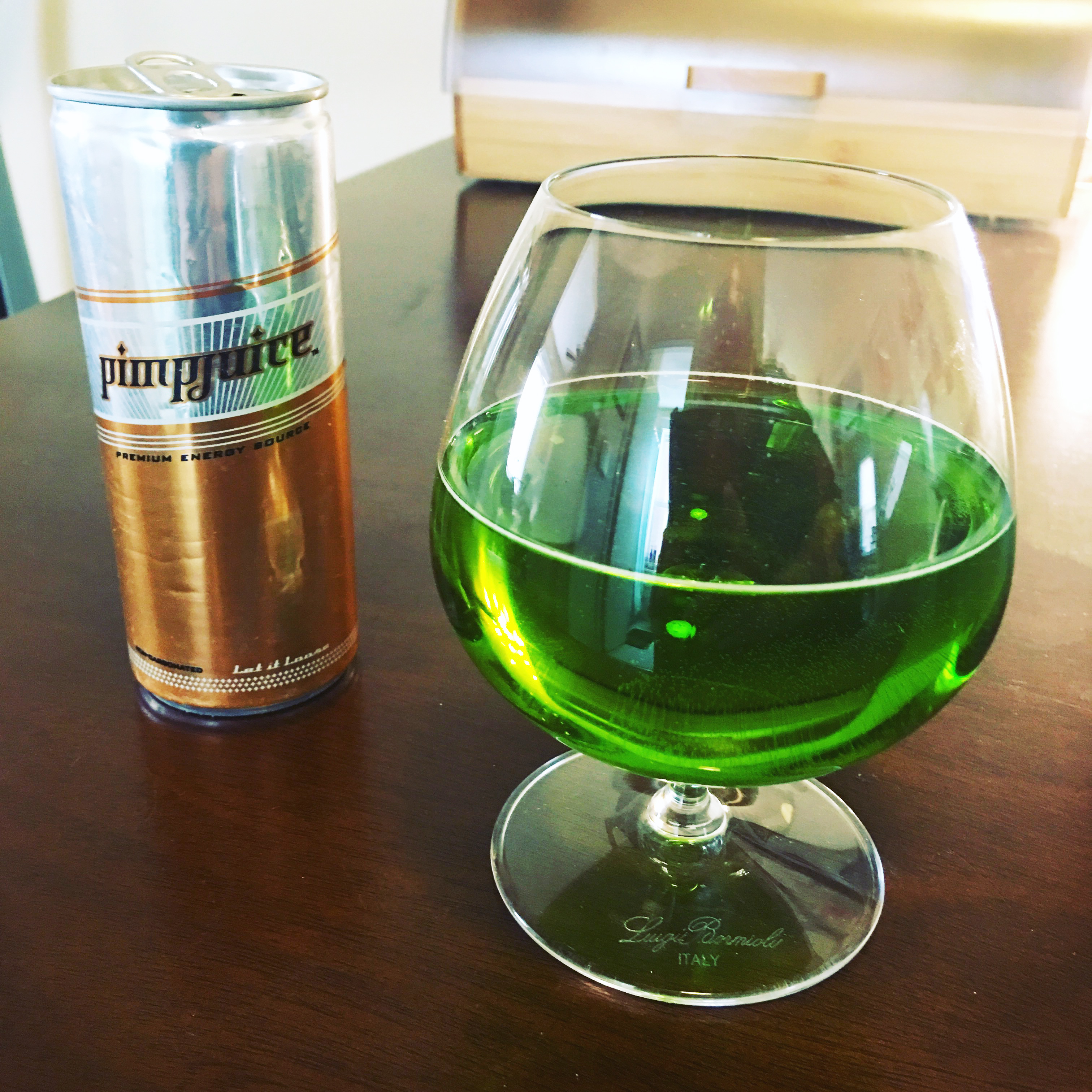
Pimp Juice was not marketed as a functional beverage in the same way a consumer might view a Gatorade for hydration. Instead, it was positioned as a “lifestyle” brand. In the branding world, lifestyle marketing aims to sell an image rather than a utility. The drink was packaged in a sleek, gold-and-purple slim can, evoking luxury and late-night energy. It targeted a specific psychographic: young, urban consumers who identified with the aspirational success and “cool factor” of the hip-hop elite.
Navigating Controversy: The High Stakes of Provocative Brand Naming
One of the most significant lessons from the Pimp Juice brand history is the management of brand risk. The choice of the name “Pimp Juice” was intentionally provocative, designed to capture attention in a crowded energy drink market dominated by giants like Red Bull. However, this “edgy” branding strategy came with significant corporate and social friction.
The PR Backlash and the Limits of Edgy Branding
Shortly after its release, the brand faced a massive boycott led by the National Alliance for Positive Action and other advocacy groups. Critics argued that the brand glamorized a culture of sexual exploitation and misogyny associated with the literal definition of “pimping.” For a brand manager, this presents a classic dilemma: does the “any publicity is good publicity” rule apply?
In the case of Pimp Juice, the controversy actually served as a catalyst for initial sales, creating a “forbidden fruit” appeal. However, it also limited the brand’s ability to secure shelf space in more conservative, mainstream retail environments. This serves as a cautionary tale for modern brands: while a controversial name can lower the cost of customer acquisition through earned media, it may ultimately cap the brand’s “valuation ceiling” and long-term scalability.
Managing Social Responsibility vs. Brand Identity
Nelly and his marketing team had to engage in rapid brand damage control. They doubled down on the “metaphorical” definition of the term, emphasizing that “Pimp Juice” stood for “Positive, Intellectual, Motivated Person.” While this was largely seen as a post-hoc rationalization, it was a necessary pivot to satisfy corporate distributors and retail partners. This move highlights the importance of having a robust “Brand Bible” that defines terms and values early on to defend against inevitable public scrutiny.
The Mechanics of Distribution and Market Positioning
To understand the business success of Pimp Juice, one must look past the flashy label and into the logistics of the beverage industry. The energy drink market in the mid-2000s was experiencing exponential growth, and Pimp Juice was one of the first “celebrity-owned” entries into the space.
Breaking into the Saturated Energy Drink Market
The energy drink category is notoriously difficult to enter due to the “slotting fees” and distribution monopolies held by major players like Coca-Cola and Pepsi. Pimp Juice succeeded by utilizing a grassroots distribution model. They targeted independent convenience stores, urban specialty shops, and nightclubs—environments where the brand’s core demographic lived and socialized. By establishing a foothold in these “tastemaker” locations, the brand created a sense of exclusivity and authenticity that larger corporate brands often lack.
Target Demographics and Niche Marketing Success
Instead of trying to be everything to everyone, Pimp Juice focused on a niche. In branding, a deep connection with a specific subculture is often more valuable than a shallow connection with the mass market. Pimp Juice utilized “event marketing,” showing up at hip-hop concerts, celebrity basketball games, and urban fashion shows. This reinforced the brand’s position as a cultural insider. The brand was not just selling a caffeine hit; it was selling a piece of the hip-hop dream, a strategy that allowed it to command a premium price point.
Legacy and Lessons: How Pimp Juice Influenced the Modern Creator Economy
While Pimp Juice eventually faded from the shelves as the energy drink market consolidated and consumer tastes shifted, its impact on brand strategy remains profound. It served as a prototype for the “celebrity-as-entrepreneur” model that dominates the business landscape today.
The Blueprint for Today’s Influencer Brands
When we look at modern success stories like Logan Paul’s “Prime” energy drink or Rihanna’s “Fenty” empire, we see the DNA of Pimp Juice. Nelly demonstrated that a celebrity’s personal brand equity could be transferred into a physical product with high margins. He proved that an artist could be the “Chief Marketing Officer” of their own life. Today’s creators use the same playbook: build an audience through content, create a product that reflects the audience’s lifestyle, and use controversy or high-energy marketing to cut through the noise.
The Evolution of Celebrity Endorsement to Ownership
Before Pimp Juice, most celebrities were content with endorsement deals—getting paid a flat fee to appear in a commercial. Pimp Juice represented a shift toward “Brand Ownership.” This shift changed the financial math for celebrities and influencers. By owning the brand, the artist captures the long-term value and “exit potential” of the company, rather than just a one-time paycheck.
The story of Pimp Juice is a reminder that in the world of branding, “juice” is more than just a liquid—it is a synonym for power, influence, and the ability to turn a cultural moment into a commercial movement. For brand strategists, it remains a fascinating study in how to navigate the fine line between cultural relevance and corporate viability.

Conclusion: The Brand That Defined an Era
“What is Pimp Juice?” It was a product, yes, but more importantly, it was a signal. It signaled the arrival of the artist-entrepreneur and the power of lifestyle branding to transcend the quality of the product itself. In the annals of marketing, it stands as a bold, if controversial, example of how to bottle lightning.
For professionals in the branding and marketing space, the takeaways from Pimp Juice are clear:
- Authenticity Matters: The brand worked because it was an organic extension of Nelly’s persona at the time.
- Context is King: The name worked for its target audience but alienated the mainstream, proving that you must know who you are (and aren’t) for.
- Ownership is Power: Moving from the “face” of a brand to the “owner” of a brand is the ultimate goal of celebrity brand equity.
As we look at the current landscape of creator-led CPG brands, we are seeing the refined, matured version of the trail blazed by Pimp Juice two decades ago. The “juice” may have changed flavors, but the branding strategy remains remarkably consistent.
aViewFromTheCave is a participant in the Amazon Services LLC Associates Program, an affiliate advertising program designed to provide a means for sites to earn advertising fees by advertising and linking to Amazon.com. Amazon, the Amazon logo, AmazonSupply, and the AmazonSupply logo are trademarks of Amazon.com, Inc. or its affiliates. As an Amazon Associate we earn affiliate commissions from qualifying purchases.