
The breakfast aisle, once a seemingly straightforward landscape of grains and sweetness, has become an increasingly complex terrain for the discerning vegan consumer. The question “what cereals are vegan?” is no longer a simple inquiry but a gateway to understanding ingredient lists, manufacturing processes, and the ever-evolving landscape of food production. While many associate cereal with simple oats or corn, a closer inspection reveals a surprising number of hidden animal-derived ingredients, from vitamin D3 derived from lanolin to sugar processed with bone char. This article delves into the nuances of identifying vegan-friendly cereals, empowering consumers to make informed choices that align with their ethical and dietary preferences.
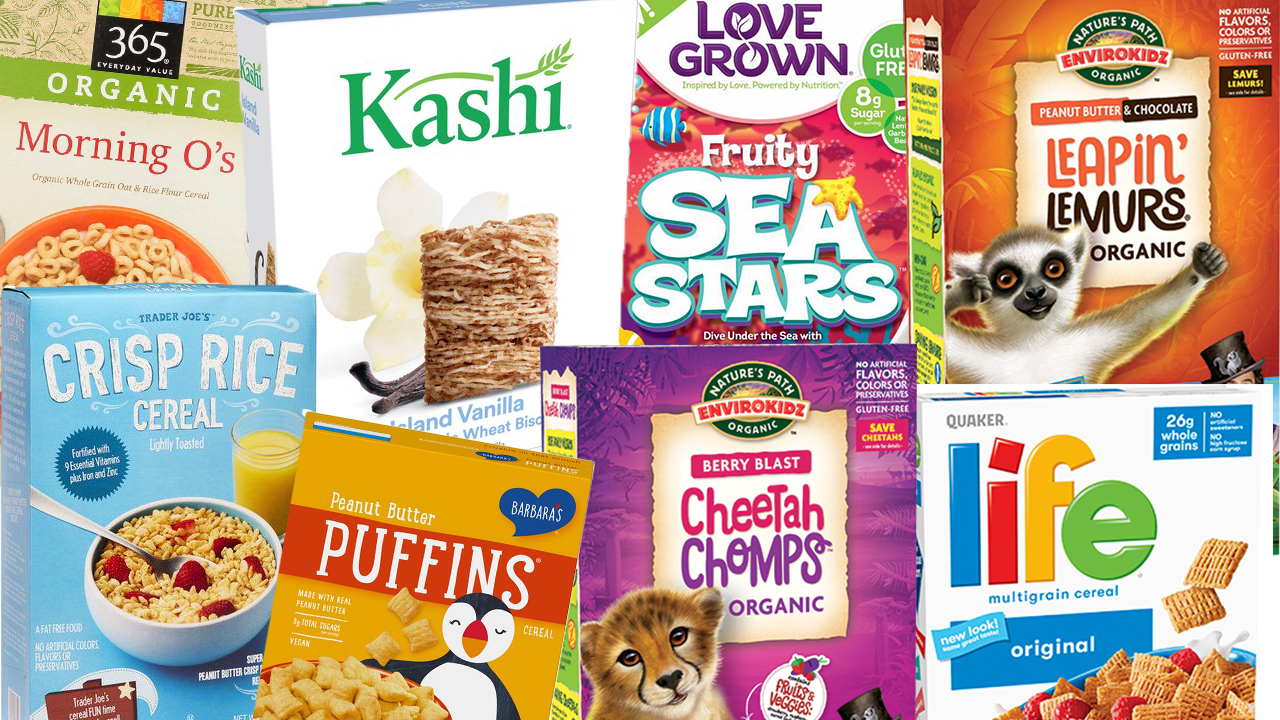
The core of the issue lies in the diverse range of ingredients that can find their way into a box of cereal. Beyond the obvious contenders like milk and honey, a deeper dive into the fine print is crucial. Understanding these components is the first step in becoming a savvy shopper in the cereal aisle.
Understanding the Nuances of Vegan Cereal Ingredients
The seemingly innocent ingredients in many popular cereals can present significant challenges for vegans. From subtle animal by-products to processing aids, a comprehensive understanding is key to making informed decisions.
The Hidden Animal-Derived Ingredients
While the absence of milk is a clear indicator, numerous other animal-derived ingredients can be found in cereals.
Vitamin D3 and Lanolin
A common addition to cereals for fortification is Vitamin D. However, a significant portion of Vitamin D3 is derived from lanolin, a wool wax. While the lanolin itself is not consumed directly, its extraction process and its origin from animals make it unacceptable for strict vegans. The production of lanolin involves sheep shearing, and while it’s a by-product, its sourcing from sentient beings poses an ethical dilemma. Consumers seeking vegan Vitamin D should look for cereals fortified with Vitamin D2 (ergocalciferol), which is plant-derived, or those explicitly stating “vegan Vitamin D.” The challenge here is that manufacturers often do not specify the source of their Vitamin D, making it a point of concern for many.
Sugar and Bone Char
Another prevalent concern is the processing of sugar. Many refined white sugars are processed using bone char, a charcoal made from animal bones. This charcoal acts as a filtering agent to remove impurities and achieve a white, crystalline sugar. While no actual bone fragments remain in the final sugar product, the use of animal remains in the processing is a disqualifier for many vegans. This practice is more common in the United States and Canada, whereas sugar in Europe and other regions is often refined using non-animal-based methods. Cereals that use organic sugar, unrefined cane sugar, or beet sugar are generally safe bets, as these are less likely to be processed with bone char. However, transparency from manufacturers is often lacking, making it a persistent challenge.
Natural Flavors and Colors
The terms “natural flavors” and “natural colors” can be catch-all phrases that mask a variety of ingredients. While many natural flavors are plant-derived, some can include animal-derived components like castoreum (from beaver glands) or certain animal fats. Similarly, natural colors can sometimes be derived from insects like cochineal (carmine), which is used to produce a vibrant red hue. Unless a cereal explicitly states that its natural flavors and colors are vegan, it’s often best to err on the side of caution or contact the manufacturer for clarification.
Honey and Beeswax
While less common in the typical breakfast cereal, honey is sometimes used as a natural sweetener. As bees are sentient beings, honey is not considered vegan. Some cereals might also use beeswax for coating or to prevent sticking, which is also an animal-derived product. Careful scrutiny of the sweetener and any coating agents is therefore essential.
Deciphering Ingredient Labels: A Practical Guide
Navigating ingredient labels can feel like a deciphering game, but with a few key strategies, vegans can become adept at spotting potential issues.
The “May Contain” Disclaimer
It’s important to understand that a “may contain” disclaimer often relates to cross-contamination in a manufacturing facility, not necessarily an ingredient within the cereal itself. For example, a “may contain milk” warning on a seemingly vegan cereal typically means it’s produced on shared equipment with dairy products. While some strict vegans avoid these due to the risk of trace amounts, others find them acceptable depending on their personal level of strictness. The primary concern for identifying vegan cereals is the direct ingredient list.
Looking for Vegan Certifications
The most straightforward way to ensure a cereal is vegan is to look for third-party vegan certifications. These seals, such as the Vegan Society’s V-Label, Certified Vegan, or others, indicate that the product has undergone a rigorous review process to confirm the absence of animal ingredients and by-products. While not all vegan cereals will carry these certifications, their presence offers a high level of assurance and simplifies the purchasing decision.
Contacting Manufacturers
When in doubt, contacting the manufacturer directly is often the most reliable method for confirming a cereal’s vegan status. Many companies are increasingly responsive to consumer inquiries, especially regarding dietary restrictions. A quick email or phone call can clarify concerns about specific ingredients like vitamin D sources or sugar processing. Keeping a record of these communications can also be helpful for future reference.
Identifying Truly Vegan Cereal Brands and Products
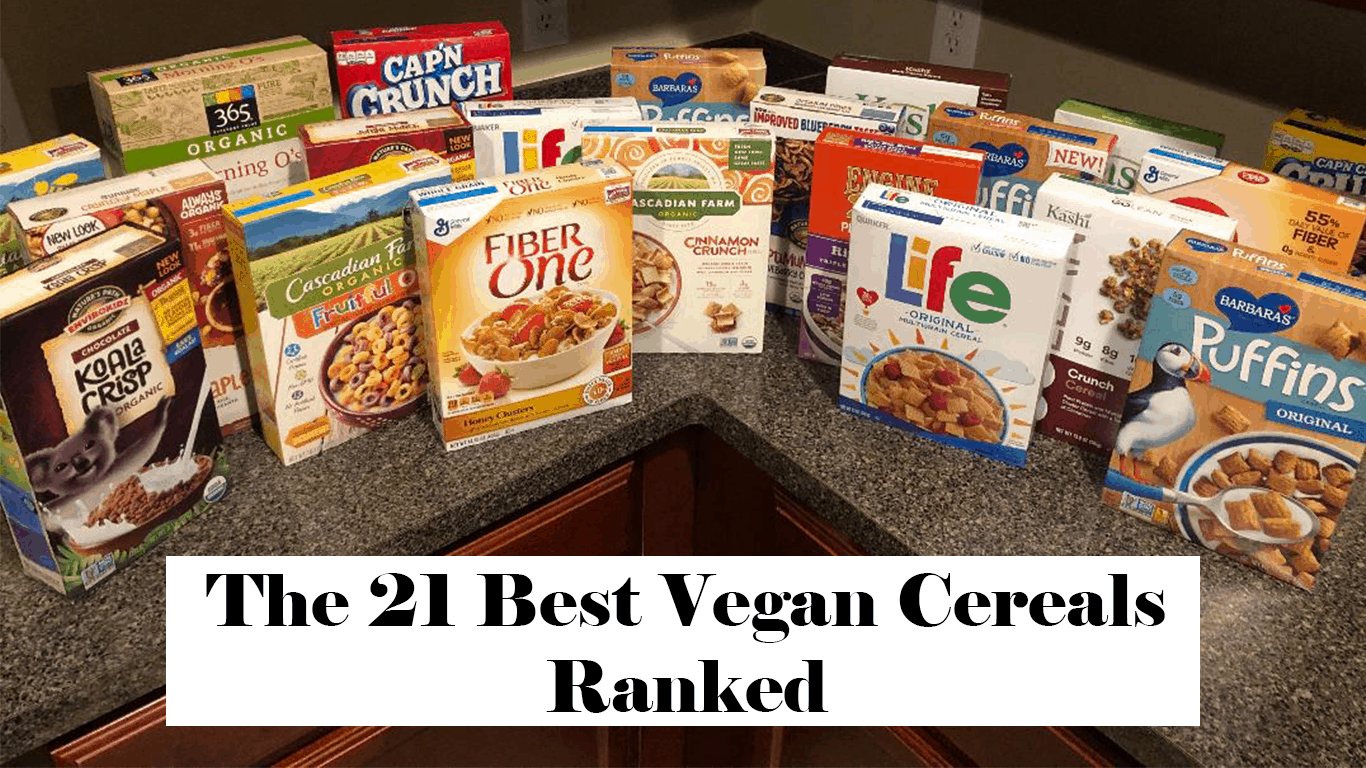
While the landscape can be challenging, numerous brands and specific products consistently offer vegan-friendly options. Focusing on these can significantly streamline the breakfast routine.
Popular Brands with Vegan-Friendly Options
Several well-established cereal brands offer lines or specific products that cater to the vegan market. However, it’s crucial to reiterate that formulations can change, and not all products within a brand are guaranteed to be vegan.
General Mills and Kellogg’s: A Mixed Bag
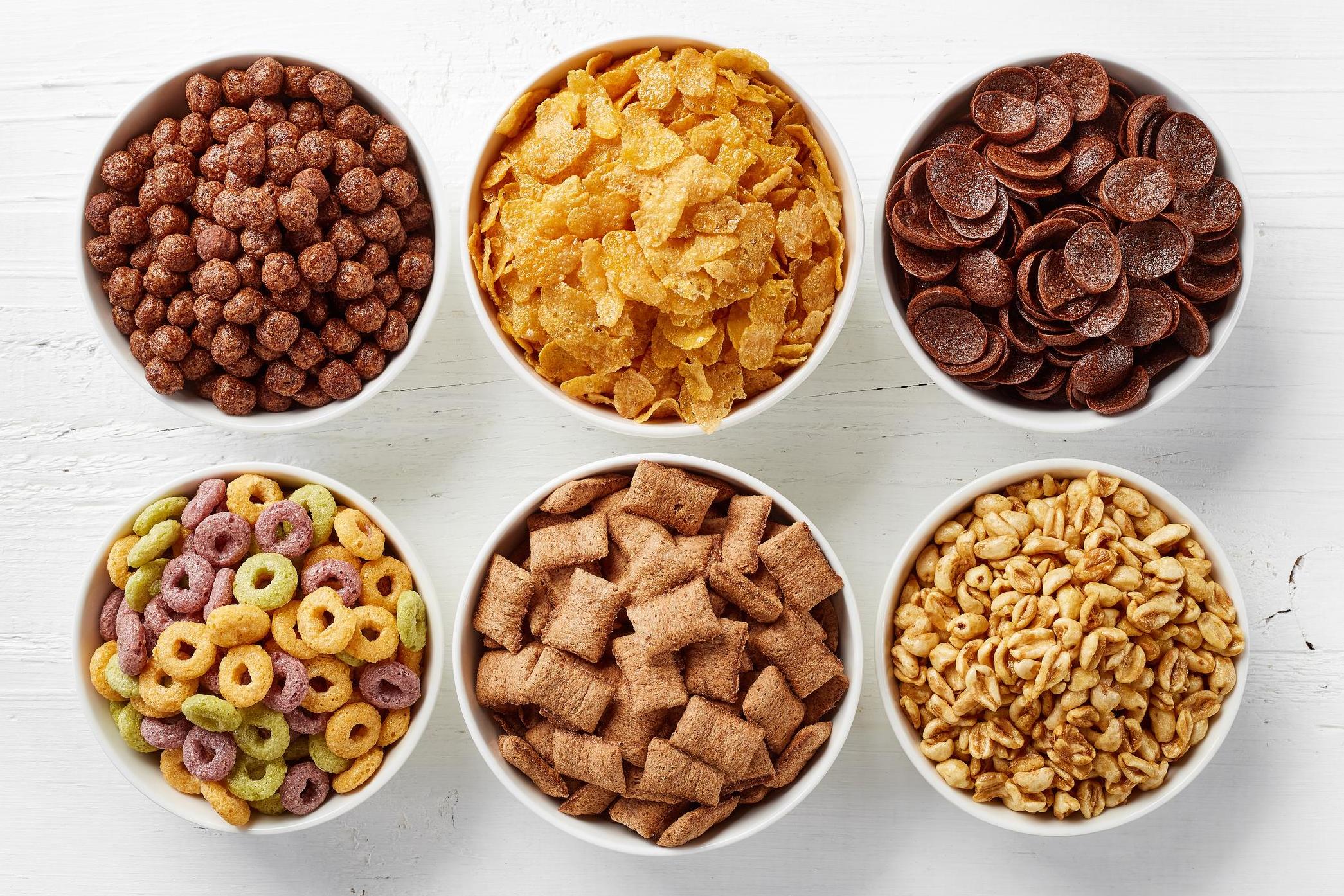
Brands like General Mills and Kellogg’s offer a wide array of cereals, some of which are vegan, while others are not. For instance, many of their plain oat-based cereals, such as plain Cheerios (though some older formulations contained vitamin D3 from lanolin, newer ones are often free of it – always check current packaging), and some iterations of Corn Flakes and Rice Krispies, can be vegan if they don’t contain added honey or fortified vitamin D3 from lanolin. However, many of their flavored or frosted varieties often contain non-vegan ingredients. It is always imperative to check the ingredient list of the specific product. For example, some sweetened cereals might use cane sugar that has been processed with bone char.
Post Consumer Brands: Focusing on Simplicity
Post Consumer Brands, the maker of Honeycomb and Grape-Nuts, also offers some vegan-friendly options. Their Grape-Nuts are typically vegan, composed of wheat and barley. However, given the name of one of their brands, it’s essential to be vigilant about added honey.
Specialty and Smaller Brands: Often a Safer Bet
Smaller and specialty brands often have a more focused approach to ingredients and are more likely to be transparent about their vegan offerings. Brands that prioritize organic ingredients or cater to niche dietary markets are generally a good starting point. For example, brands that focus on ancient grains or simple, whole-food ingredients are often inherently vegan.
Specific Cereal Types that Tend to Be Vegan
Beyond brand names, understanding cereal types can also provide a helpful starting point.
Plain, Unsweetened Grains
Cereals made from a single grain and with no added sweeteners or fortifications are often vegan. This includes:
- Plain Rolled Oats: A staple for vegans, especially when prepared with water or plant-based milk.
- Plain Corn Flakes: Many brands of plain corn flakes are vegan, provided they are not fortified with non-vegan vitamin D and don’t contain honey.
- Plain Puffed Rice: Similar to corn flakes, plain puffed rice cereals are often vegan.
- Shredded Wheat: Pure shredded wheat, made from 100% whole wheat, is typically vegan.
Cereals with Plant-Based Fortification
As awareness grows, more manufacturers are offering cereals fortified with vegan-friendly nutrients. Look for labels that specifically mention “vegan vitamin D” or “vitamin D2.”
Strategies for Maintaining a Vegan Cereal Routine
Beyond just identifying suitable products, establishing a sustainable and enjoyable vegan cereal routine involves smart shopping and preparation.
Smart Shopping Habits for the Vegan Consumer
Making informed purchasing decisions in the cereal aisle requires a proactive approach.
The “Always Check” Rule
Even for familiar brands and products, it’s wise to adopt an “always check” rule for ingredient lists and certifications. Manufacturing processes and formulations can change without widespread announcement. A quick glance at the packaging before placing it in the cart can prevent disappointment and ensure adherence to dietary principles.
Leveraging Online Resources and Apps
The digital age offers a wealth of resources for vegan consumers. Numerous websites and mobile applications are dedicated to listing vegan-friendly products, including cereals. These platforms often feature community-driven updates, allowing users to share their discoveries and warnings about specific products. Some apps even allow you to scan barcodes to quickly determine a product’s vegan status. These tools can save considerable time and effort in the grocery store.
Bulk Buying and DIY Options
For favorite vegan cereals, consider buying in bulk when possible. This not only reduces waste but can also be more cost-effective. For the truly dedicated, making your own granola or cereal from scratch using oats, nuts, seeds, and vegan sweeteners offers complete control over ingredients and ensures a fully vegan product. This approach also allows for personalized flavor combinations.
Beyond the Box: Creative Vegan Breakfasts
While cereals are a convenient option, a vegan breakfast repertoire can extend far beyond the breakfast aisle, offering variety and nutrient density.
Overnight Oats and Porridge Variations
Overnight oats, where rolled oats are soaked in plant-based milk (such as almond, soy, or oat milk) overnight, are a simple and versatile vegan option. They can be customized with fruits, nuts, seeds, and vegan sweeteners like maple syrup. Similarly, traditional cooked porridge made with water or plant-based milk forms a warm and comforting vegan breakfast.
Smoothies and Fruit Bowls
Smoothies, blended with plant-based milk, fruits, vegetables, and protein sources like vegan protein powder or seeds, offer a quick and nutrient-packed vegan breakfast. Fruit bowls, adorned with fresh fruits, granola (ensure it’s vegan), and a drizzle of nut butter, are another refreshing and healthy vegan choice.
Tofu Scrambles and Vegan Pancakes
For those seeking a more savory or indulgent vegan breakfast, tofu scrambles, seasoned with turmeric and black salt for an eggy flavor, are a popular choice. Vegan pancakes, made with plant-based milk and egg substitutes, offer a weekend treat that can be enjoyed with fruit and vegan syrup.
By understanding the intricacies of ingredient sourcing, recognizing common pitfalls, and utilizing available resources, the vegan consumer can confidently navigate the cereal aisle. The quest for a vegan breakfast cereal is not just about avoiding animal products; it’s about embracing informed consumption and supporting brands that are increasingly mindful of ethical and dietary considerations. With a little diligence, the morning bowl can be both satisfying and aligned with vegan principles.
aViewFromTheCave is a participant in the Amazon Services LLC Associates Program, an affiliate advertising program designed to provide a means for sites to earn advertising fees by advertising and linking to Amazon.com. Amazon, the Amazon logo, AmazonSupply, and the AmazonSupply logo are trademarks of Amazon.com, Inc. or its affiliates. As an Amazon Associate we earn affiliate commissions from qualifying purchases.