
PC gaming represents the pinnacle of interactive entertainment, serving as a convergence point for cutting-edge hardware, sophisticated software, and a global community of enthusiasts. Unlike the standardized, “closed-box” environment of home consoles, PC gaming is defined by its modularity, scalability, and the relentless pursuit of technological excellence. At its core, it is the practice of playing video games on a personal computer, typically a machine equipped with a high-performance Graphics Processing Unit (GPU) and a multi-core Central Processing Unit (CPU). However, the technical reality extends far beyond simple hardware specs; it encompasses a vast digital infrastructure that bridges the gap between raw silicon and immersive virtual worlds.

The Hardware Architecture: Building the Ultimate Machine
The defining characteristic of PC gaming is the hardware. Because personal computers are modular, users have the agency to select individual components to meet specific performance targets. This flexibility allows the PC to remain at the forefront of the industry, often debuting graphical features years before they are adopted by console manufacturers.
The Synergy of CPU and GPU
The heart of any gaming PC lies in the relationship between the Central Processing Unit (CPU) and the Graphics Processing Unit (GPU). The CPU acts as the “brain,” handling logic, physics calculations, and AI instructions. In modern gaming, high clock speeds and multiple cores are essential for managing complex game worlds. Conversely, the GPU is the “workhorse” of visual rendering. It processes the millions of polygons and light calculations required to display an image. The evolution of the GPU—from simple 2D accelerators to modern behemoths capable of real-time ray tracing—is the primary driver of the industry’s visual progress.
Memory, Storage, and Data Throughput
Beyond the core processors, Random Access Memory (RAM) and storage solutions play a critical role in the user experience. High-speed DDR5 RAM ensures that the CPU can access data rapidly, preventing stutters during intensive gameplay. Meanwhile, the transition from mechanical Hard Disk Drives (HDDs) to Non-Volatile Memory Express (NVMe) Solid State Drives (SSDs) has revolutionized load times. Modern PC games leverage high-bandwidth storage to stream assets in real-time, creating seamless, open-world environments that were previously impossible due to data bottlenecks.
The Human-Interface Connection: Peripherals
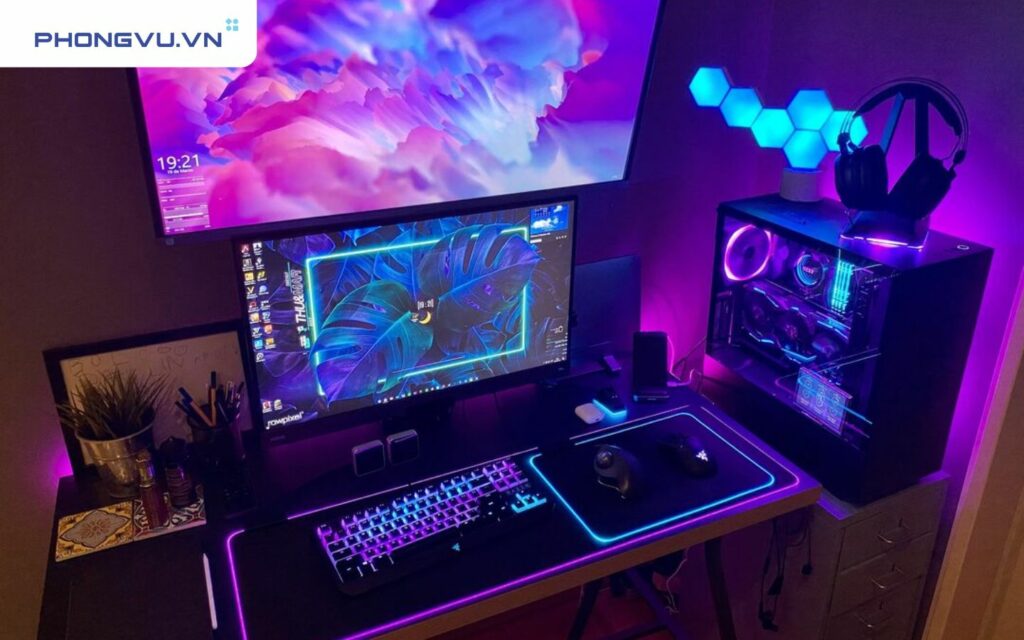
PC gaming is also defined by its diverse input methods. While consoles typically rely on a standard controller, PC gamers utilize a wide array of peripherals, including mechanical keyboards, high-DPI (dots per inch) mice, and specialized flight sticks or racing wheels. The precision of a mouse-and-keyboard setup remains the gold standard for First-Person Shooters (FPS) and Real-Time Strategy (RTS) games, offering a level of tactile feedback and accuracy that transformed gaming into a professionalized esport.
Software Ecosystems and Digital Distribution
While hardware provides the power, software provides the platform. The PC gaming landscape is unique because it lacks a single governing entity. Instead, it is an open ecosystem where various storefronts and operating systems compete to provide the best user experience.
Operating Systems and Graphic APIs
Windows remains the dominant operating system for PC gaming, largely due to Microsoft’s proprietary DirectX API (Application Programming Interface). DirectX acts as the translator between a game’s code and the computer’s hardware. However, the rise of Vulkan—a cross-platform, open-standard API—and the increasing viability of Linux (bolstered by technologies like Valve’s Proton) have begun to decentralize the market. This shift allows for greater optimization and ensures that PC gaming remains an accessible medium across different technical environments.
Digital Storefronts and Library Management
The transition from physical discs to digital downloads changed the face of the industry. Platforms like Steam, the Epic Games Store, and GOG (Good Old Games) serve as more than just shops; they are social hubs and library management systems. Steam, in particular, has become the backbone of the PC community, offering features like cloud saves, integrated modding via the Steam Workshop, and robust community forums. These platforms provide developers—from massive AAA studios to solo indie creators—a direct pipeline to millions of global players.
The Culture of Modding and Open-Source Flexibility
One of the most significant advantages of the PC platform is its “open” nature. Modding (modifying) allows users to alter a game’s code to add new content, fix bugs, or overhaul graphics. This culture of community-driven development has birthed entirely new genres; for example, the MOBA (Multiplayer Online Battle Arena) and Battle Royale genres both began as fan-made mods for existing PC games. This flexibility ensures that games on PC have a much longer lifespan than their console counterparts, as the community can continue to update and support titles long after the original developers have moved on.
Performance Optimization and Visual Fidelity
PC gaming is often synonymous with “the best possible graphics.” Because hardware is not static, developers can push the boundaries of what is visually possible, offering a range of settings that allow users to balance visual quality with performance.
Frame Rates and Refresh Rates
In the tech world, “smoothness” is measured in frames per second (FPS). While a standard television operates at 60Hz, PC gaming monitors frequently reach 144Hz, 240Hz, or even 360Hz. High-refresh-rate gaming reduces input lag and provides a competitive edge by displaying more information to the player every second. Achieving these high frame rates requires a delicate balance of hardware power and software optimization, leading to a sub-culture of enthusiasts dedicated to “benchmarking”—the process of testing hardware to its absolute limits.
Ray Tracing and AI-Driven Upscaling
The current frontier of PC graphics is Real-Time Ray Tracing, a rendering technique that simulates the physical behavior of light. This results in lifelike reflections, shadows, and global illumination. To handle the immense computational load of ray tracing, companies like NVIDIA and AMD have introduced AI-driven upscaling technologies such as DLSS (Deep Learning Super Sampling) and FSR (FidelityFX Super Resolution). These tools use machine learning to render a game at a lower resolution and then upscale it to 4K, providing a massive boost in performance without a significant loss in image quality.
Overclocking and Thermal Management
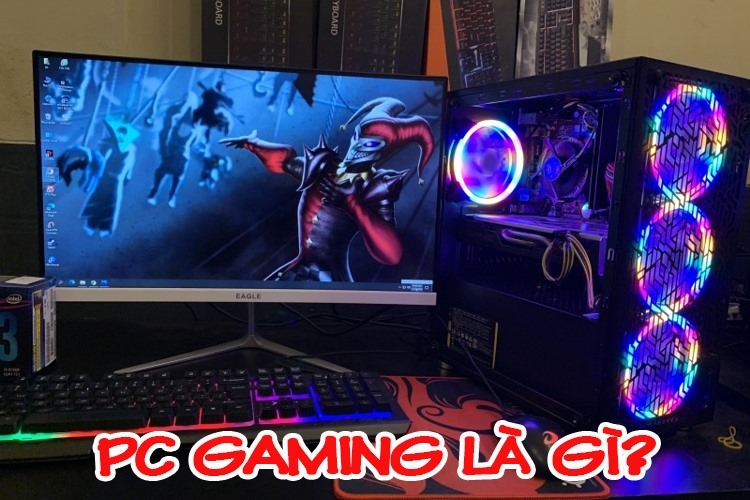
Because PC gamers seek maximum performance, many engage in “overclocking”—the practice of increasing a component’s clock rate to exceed the manufacturer’s specifications. This pursuit of power necessitates advanced thermal management solutions. From high-static-pressure fans to custom liquid-cooling loops, the “tech” of keeping a PC cool has become an industry in itself. Proper cooling is not just about aesthetics; it prevents “thermal throttling,” ensuring that the CPU and GPU can maintain peak performance during long gaming sessions.
The Social and Competitive Frontier
PC gaming has evolved from a solitary hobby into a massive social and economic engine. The technology that enables high-speed data transfer has turned PC gaming into a global spectator sport and a primary driver of modern content creation.
Esports and the Professional Circuit
The precision and power of the PC made it the natural home for competitive gaming. Titles like Counter-Strike, Dota 2, and League of Legends require millisecond-perfect inputs that can only be achieved on high-end PC hardware. This has led to the rise of professional esports, where players compete for millions of dollars in prize pools. The infrastructure supporting this—from low-latency networking to specialized tournament software—is a testament to the technical depth of the PC ecosystem.
Streaming, Content Creation, and the Creator Economy
The rise of platforms like Twitch and YouTube Gaming is inextricably linked to PC gaming. A gaming PC is a multi-purpose tool; it can play a game at 4K resolution while simultaneously encoding a high-definition video stream and managing a live chat. This “multi-tasking” capability is made possible by high-core-count CPUs and dedicated hardware encoders built into modern GPUs. Consequently, PC gamers are not just consumers; they are often broadcasters and influencers, driving the digital economy through creative content.
In conclusion, PC gaming is much more than a hobby; it is a dynamic technological field that pushes the limits of what hardware and software can achieve. Its modularity allows for a personalized experience, while its open ecosystem fosters innovation and community. As we look toward the future—with the integration of Cloud Gaming, Virtual Reality (VR), and further AI advancements—the PC will undoubtedly remain the primary laboratory for the next generation of interactive technology. Whether you are a competitive player seeking the lowest latency or a visual enthusiast chasing 8K resolution, PC gaming offers a level of depth and sophistication that no other platform can match.
aViewFromTheCave is a participant in the Amazon Services LLC Associates Program, an affiliate advertising program designed to provide a means for sites to earn advertising fees by advertising and linking to Amazon.com. Amazon, the Amazon logo, AmazonSupply, and the AmazonSupply logo are trademarks of Amazon.com, Inc. or its affiliates. As an Amazon Associate we earn affiliate commissions from qualifying purchases.