
In the realm of organizational culture, few artifacts carry as much weight, history, and symbolic power as the challenge coin. While its origins are deeply rooted in the trenches of the military, the challenge coin has evolved into a sophisticated tool for branding, corporate identity, and community building. At its core, a military challenge coin is a small, custom-designed medallion that signifies membership in an elite group, recognizes a specific achievement, or commemorates a significant event. However, for the modern brand strategist, these coins represent much more: they are a tangible manifestation of a brand’s values, a physical anchor for loyalty, and a masterclass in psychological marketing.

Understanding what a challenge coin is requires looking past the metal and enamel. It requires an exploration of how symbols define “the tribe” and how organizations—both military and civilian—use these tokens to build an unbreakable brand identity.
The Origins of the Challenge Coin: A Foundation of Group Identity
To understand the branding potential of the challenge coin, one must first understand its “brand story.” Like all great brands, the challenge coin has a compelling origin myth that underscores its value.
The World War I Legend: A Life-Saving Brand Asset
The most enduring story of the challenge coin dates back to World War I. According to legend, a wealthy lieutenant ordered custom bronze medallions for the members of his flying squadron. One pilot, after being shot down behind enemy lines and escaping to French territory, was mistaken for a German saboteur. Lacking identification papers, he faced execution until he presented his bronze coin. The French recognized the squadron’s insignia on the coin, delayed his execution, and eventually confirmed his identity. This coin wasn’t just metal; it was a brand identifier that literally saved a life.
Defining Membership Through Physical Symbols
From a brand perspective, this history establishes the coin as a “proof of belonging.” In the military, coins are often handed out by commanders in a “secret handshake,” a gesture that reinforces a personal connection between the leadership (the brand) and the individual (the stakeholder). This tradition creates an immediate sense of exclusivity. When someone carries a challenge coin, they are carrying a piece of the organization’s history and a testament to their own inclusion within that narrative.
Corporate Branding and the Modern Challenge Coin
In the 21st century, the concept of the challenge coin has migrated from the barracks to the boardroom. Tech giants like Google, Amazon, and Microsoft have adopted the practice, utilizing custom coins to drive internal branding and employee engagement.
Translating Military Discipline into Corporate Culture
In the corporate world, branding is often intangible—logos on a screen or values listed on a website. The challenge coin translates these abstract concepts into something heavy, cold, and permanent. When a company issues a coin for the successful launch of a new software product or the completion of a massive merger, they are applying “military-grade” prestige to corporate milestones. This elevates the company’s internal brand, making employees feel like part of an elite mission rather than just a workforce.
Enhancing Employee Value Proposition (EVP)
A strong Brand Strategy relies heavily on the Employee Value Proposition. Coins serve as a unique form of recognition that carries more emotional weight than a digital badge or a gift card. Because coins are traditionally “earned” rather than “bought,” they become symbols of status within the company culture. For a brand, this is an incredibly cost-effective way to foster long-term loyalty. The coin becomes a physical reminder of a career highlight, often displayed prominently on desks or in home offices, serving as a constant touchstone for the brand’s identity.
The Psychology of the Coin: Why Tangible Branding Works
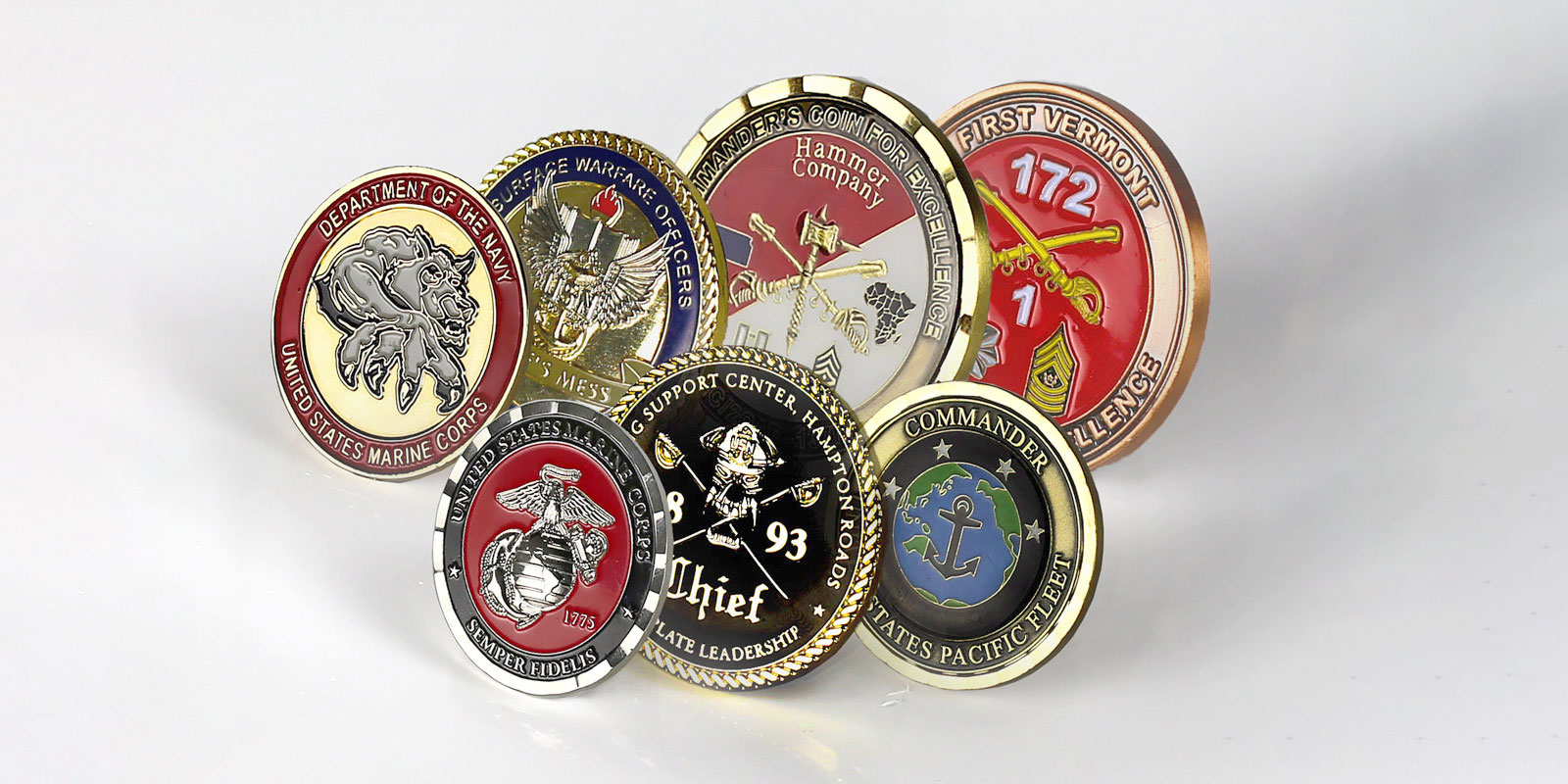
The effectiveness of the challenge coin lies in its psychological impact. Branding is, at its heart, the management of perception and emotion. The challenge coin excels at this by utilizing scarcity, exclusivity, and the “challenge” itself.
The “Challenge” Aspect: Gamification of Loyalty
The name “challenge coin” refers to a traditional bar game. If a member of a unit “challenges” the group by producing their coin, everyone else must produce theirs. Anyone without their coin must buy a round of drinks. If everyone has their coin, the challenger buys the round.
From a marketing standpoint, this is a brilliant form of gamification. It encourages the “users” (the coin holders) to keep the brand asset with them at all times. It creates a recurring ritual that reinforces the group’s bond. For a brand, creating a ritual is the “holy grail” of engagement; it moves the brand from a passive service to an active part of the consumer’s lifestyle.
Creating an Elite “Inner Circle”
Human beings have an innate desire to belong to exclusive groups. Brands like Supreme or Rolex thrive on this desire. Challenge coins operate on a similar principle of “The Inner Circle.” By limiting the distribution of certain coins—for example, a coin that only the top 5% of sales performers receive—the brand creates a secondary, elite tier of identity. This internal hierarchy encourages others to strive for that same recognition, effectively turning the brand’s values into a desirable prize.
Design Strategy: Crafting a Coin That Tells a Story
The visual and tactile design of a challenge coin is where Brand Strategy meets physical craftsmanship. A poorly designed coin can feel like a cheap trinket, while a well-executed one feels like a relic.
Symbolism and Heraldry in Modern Design
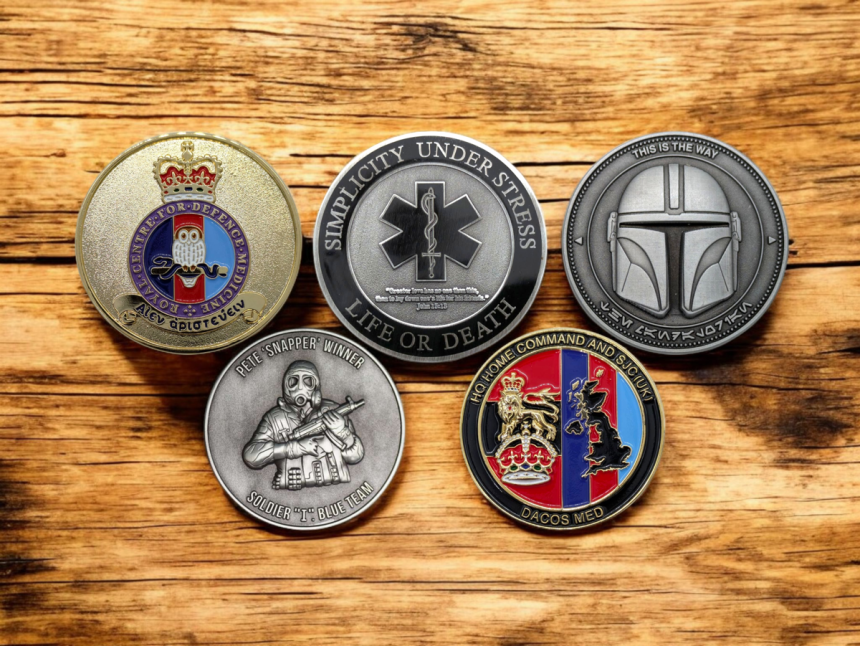
In military coins, symbols—eagles, anchors, flags, and unit mottos—are used to tell a story. In corporate branding, the design must incorporate the brand’s visual identity (logos, brand colors) while adding elements of “heraldry” that signify the specific achievement. This might include:
- 3D Texturing: Adding depth to a logo to make it more tactile.
- Sequential Numbering: Making each coin unique, which immediately increases its “collectible” brand value.
- Cut-outs and Specialty Edges: Using unique shapes to differentiate the brand from competitors.
Materiality and the Perception of Quality
In branding, the medium is often the message. A heavy zinc alloy or brass coin with polished gold plating communicates excellence and stability. When a brand chooses to use high-quality materials for their coins, they are making a statement about the quality of their own products or services. The “heft” of the coin in one’s hand provides a sensory experience that digital marketing simply cannot replicate. This sensory branding creates a deeper neurological connection between the individual and the organization.
The Future of Tangible Branding in a Digital World
As our lives become increasingly digitized, the value of physical brand touchpoints is actually increasing. In an era of NFTs and digital tokens, a physical military-style challenge coin offers something rare: permanence.
Tech Giants and Internal Recognition
It is no coincidence that some of the most advanced technology companies in the world are the most frequent users of challenge coins. Companies like SpaceX and Tesla use coins to commemorate specific launches or engineering breakthroughs. They understand that while their products are futuristic, human psychology is ancient. We still value physical tokens of achievement. For these brands, the coin serves as a bridge between the high-tech work they do and the human teams that make it possible.
Non-Profits and Donor Appreciation
Beyond the corporate and military sectors, the “Brand” of non-profits can be significantly bolstered through challenge coins. Instead of a standard “thank you” letter, high-level donors are often given a “Founder’s Coin.” This transforms a transaction (a donation) into an identity (becoming a guardian of the mission). It changes the donor’s relationship with the brand from a supporter to a member of the “vanguard.”
Conclusion: The Coin as a Strategic Brand Tool
The military challenge coin is much more than a piece of metal; it is a sophisticated instrument of brand strategy. It leverages history, psychology, and design to create a sense of belonging that few other marketing tools can achieve. Whether used to unify a platoon in the field or a marketing team in a skyscraper, the challenge coin remains the ultimate symbol of identity. By turning abstract values into a tangible, “challengeable” asset, organizations can build a brand that is not just recognized, but worn with pride and held for a lifetime. In the end, a coin is a promise—a promise that the bearer belongs to something larger than themselves. For any brand, there is no higher achievement.
aViewFromTheCave is a participant in the Amazon Services LLC Associates Program, an affiliate advertising program designed to provide a means for sites to earn advertising fees by advertising and linking to Amazon.com. Amazon, the Amazon logo, AmazonSupply, and the AmazonSupply logo are trademarks of Amazon.com, Inc. or its affiliates. As an Amazon Associate we earn affiliate commissions from qualifying purchases.