
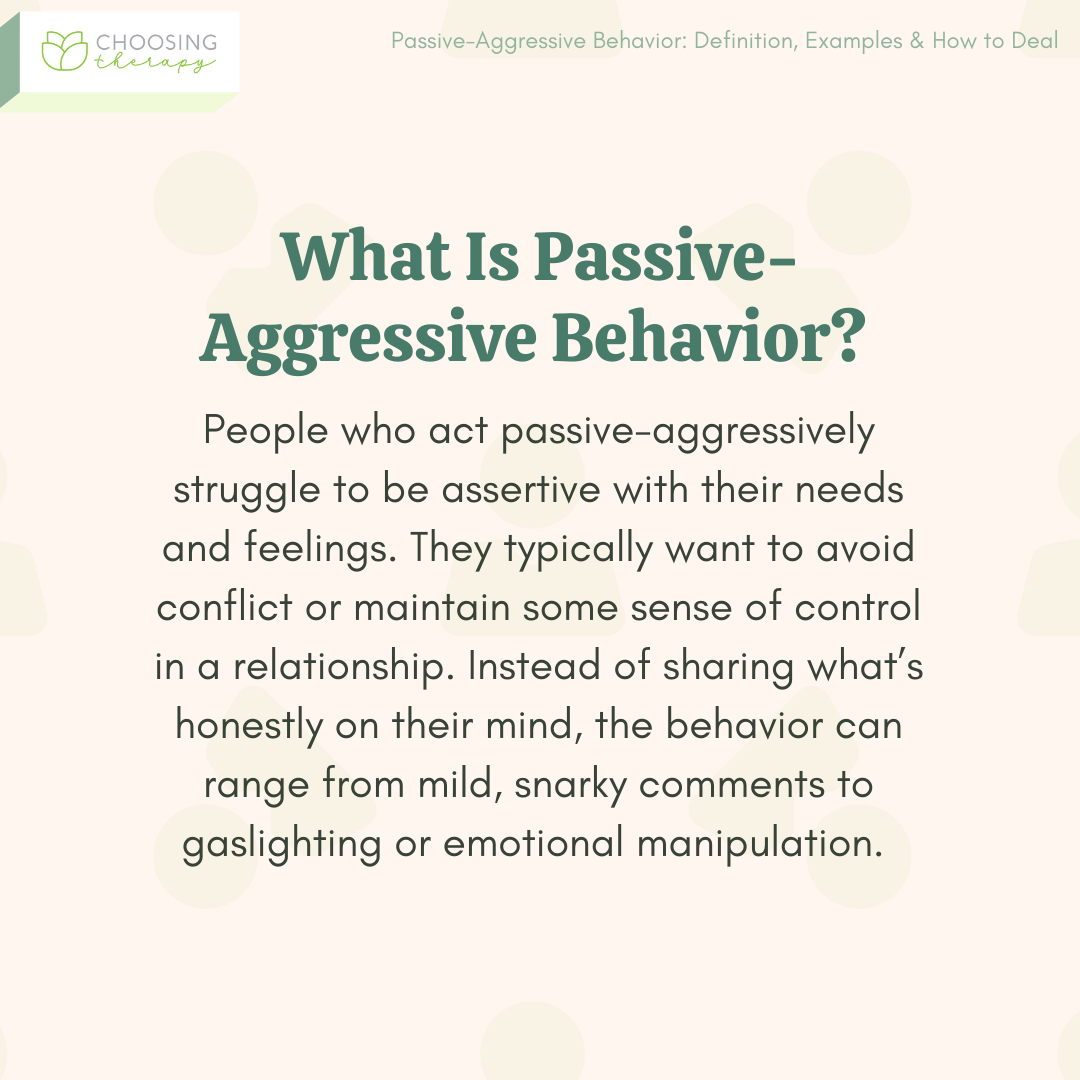
Passive-aggressive behavior, at its core, is an indirect expression of hostility, resentment, or anger. Rather than confronting an issue or individual directly, a person exhibiting passive aggression will communicate their negative feelings through subtle, non-verbal cues or actions that often appear innocent or even helpful on the surface. In the intricate world of brand building, whether personal or corporate, understanding and identifying this behavior is crucial, as it can subtly yet significantly erode trust, undermine credibility, and fracture the very foundation of an authentic identity. It’s a covert form of resistance that, left unaddressed, can contaminate workplace culture, damage professional reputations, and derail strategic objectives, making direct communication and genuine collaboration difficult, if not impossible.

The Subtle Sabotage: Defining Passive Aggression
Passive aggression isn’t about outright hostility; it’s about concealed animosity. It operates in the shadows, making it notoriously difficult to pinpoint and address directly. This subtlety is precisely what makes it so damaging to branding efforts, as it creates an environment of ambiguity and mistrust.
Identifying the Core Characteristics
Individuals employing passive-aggressive tactics often struggle with direct confrontation, preferring to express their disapproval or frustration through a variety of indirect methods. Key characteristics include:
- Procrastination or Intentional Inefficiency: Delaying tasks, missing deadlines “accidentally,” or performing duties poorly when they’ve outwardly agreed to them.
- Sullenness and Stubbornness: Exhibiting a moody silence or an uncooperative attitude without vocalizing the reason.
- Feigned Forgetfulness or Ignorance: Claiming to have forgotten instructions or important information, often at critical junctures.
- Covert Obstructionism: Giving backhanded compliments (“That’s a bold idea… for you”), spreading rumors, or withholding crucial information that could aid a colleague or project.
- Blame-Shifting and Victimhood: Refusing to take responsibility for actions, instead portraying themselves as misunderstood or unfairly targeted.
- Sarcasm and Cynicism: Using humor to deliver thinly veiled criticisms or dismissive remarks, often followed by “just kidding.”
- Withholding of Praise or Support: Deliberately failing to acknowledge achievements or provide necessary assistance to others.
Common Manifestations in Professional Settings
Within the professional sphere, passive aggression can manifest in numerous ways that chip away at productivity and morale, impacting both internal and external brand perceptions:
- A team member who agrees to take on a task in a meeting but then “forgets” to do it, impacting project timelines and team accountability.
- A leader who gives vague, unhelpful feedback, making it impossible for an employee to improve, thereby stalling their growth and potentially damaging the brand’s talent pipeline.
- Marketing colleagues who subtly undermine each other’s ideas in group critiques, stifling innovation and creating a hostile creative environment.
- An individual who consistently “forgets” to include a specific colleague on important email threads, effectively excluding them from critical discussions and isolating them from the core brand narrative.
- Internal communications that use a snarky or subtly dismissive tone, fostering cynicism rather than collaboration.
These actions, while not overtly aggressive, breed suspicion and resentment, making genuine teamwork and authentic communication—cornerstones of any strong brand—increasingly challenging.
Erosion of Trust: Impact on Personal Branding
Your personal brand is your professional reputation, built on consistent actions, clear communication, and demonstrated values. Passive aggression acts as a silent corrosive, eating away at the very elements that define a strong, trustworthy personal brand.
The Disconnect Between Persona and Reality
A powerful personal brand is rooted in authenticity. Individuals aim to project an image of competence, reliability, and collaborative spirit. However, when passive-aggressive tendencies are at play, a significant disconnect emerges between the outward persona and the underlying behavior. Someone might outwardly appear agreeable and supportive, while internally harboring resentment or actively sabotaging efforts. This creates cognitive dissonance for those interacting with them; they sense an incongruity between what is said and what is done. Over time, this inconsistency chips away at the individual’s perceived authenticity. Colleagues and clients will begin to question the sincerity of their commitments and the genuineness of their engagement, severely weakening the emotional connection that is vital for a robust personal brand.
Undermining Credibility and Influence
Credibility is the currency of influence. A professional known for passive-aggressive behavior quickly loses both. When an individual consistently fails to deliver on promises indirectly, or expresses dissent through subtle means rather than direct feedback, they are perceived as unreliable and untrustworthy. Their indirect communication signals a lack of courage to address issues head-on, or a disinterest in true resolution. This can significantly hamper their career progression and ability to lead. Who would entrust a critical project or a leadership role to someone whose true intentions are always shrouded in ambiguity? Such behavior hinders networking opportunities, as others become wary of engaging deeply or collaborating with someone who might subtly undermine them. Ultimately, a strong personal brand is built on transparency, integrity, and direct communication; passive aggression directly opposes these principles, rendering an individual less impactful and less influential within their professional network.
Cracks in the Foundation: Corporate Identity and Team Dynamics
Just as passive aggression damages personal brands, it infiltrates and weakens the collective identity of an organization. A company’s corporate identity is not merely its logo or slogan; it’s the sum of its values, culture, and the way its people interact. Passive aggression creates deep fissures in this foundation, undermining internal cohesion and external perception.
The Silent Killer of Collaboration
Collaboration is the lifeblood of innovation and execution within any brand. Passive-aggressive behavior, however, acts as a silent killer, slowly poisoning team dynamics. When team members agree to tasks but then intentionally procrastinate, deliver subpar work, or withhold critical information, projects stall, deadlines are missed, and the overall quality of output suffers. Resentment brews beneath the surface as direct issues are left unaddressed, leading to a breakdown in trust. Fear of judgment or subtle sabotage can make employees reluctant to share new ideas, stifling creativity and innovation crucial for a competitive brand. Communication becomes indirect and guarded, hindering effective problem-solving and leading to misinterpretations. This insidious atmosphere results in reduced productivity, decreased morale, and a significant drain on collective energy, ultimately making the brand less agile and less effective in the marketplace.
Leadership Challenges and Cultural Contamination
The impact of passive aggression is amplified when it originates from or is tolerated by leadership. Leaders who exhibit passive-aggressive traits or fail to address it within their teams inadvertently create a toxic cultural environment. When leaders are indirect, sarcastic, or avoid difficult conversations, they model behavior that employees often mimic. This “cultural contamination” can quickly spread, making passive aggression an accepted, albeit destructive, norm. Such an environment makes it challenging to foster psychological safety, a condition where employees feel safe to take risks and speak up.
A corporate identity built on such a foundation is inherently weak. It projects an image of internal conflict and inefficiency, which can leak outwards, damaging the brand’s reputation as an employer and a business partner. Difficulty in problem-solving persists when issues are not addressed directly, leading to recurring problems that never get resolved. Employee turnover tends to be higher in such environments, as talented individuals seek cultures that value directness, respect, and constructive engagement. Disengaged employees, on the other hand, may stay but contribute minimally, further eroding the brand’s performance and image. Ultimately, a brand’s health is intrinsically linked to the health of its internal communication and culture, both of which are severely compromised by passive aggression.
Safeguarding Your Brand: Strategies for Addressing Passive Aggression
Addressing passive-aggressive behavior is not just about conflict resolution; it’s a critical component of brand management. By fostering an environment of directness and transparency, organizations can protect their internal culture and strengthen their external reputation.
Fostering Direct Communication and Feedback
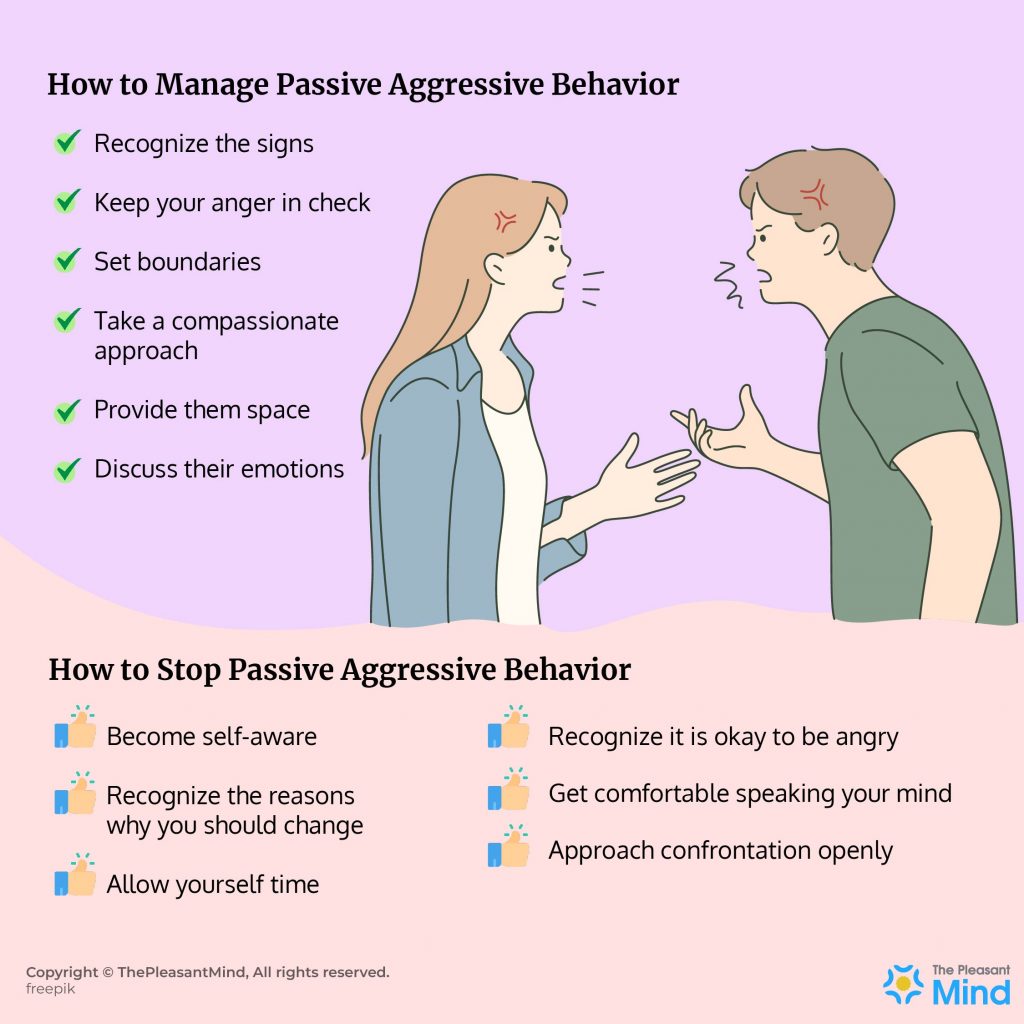
The most potent antidote to passive aggression is a culture of direct communication. Organizations must actively establish and promote channels for open and honest dialogue. This involves:
- Training: Provide employees and leaders with training on effective communication and feedback techniques. Models like the Situation-Behavior-Impact (SBI) framework can teach individuals how to deliver constructive feedback assertively and respectfully, focusing on observable behaviors rather than assumptions.
- Psychological Safety: Leaders must work diligently to create psychological safety, where individuals feel secure enough to express concerns, provide dissenting opinions, and admit mistakes without fear of retribution or subtle punishment. This means actively encouraging questions, valuing diverse perspectives, and demonstrating empathy.
- Structured Check-ins: Implement regular one-on-one meetings and team check-ins specifically designed to encourage open discussion of challenges, expectations, and progress, providing consistent opportunities for direct dialogue before issues escalate.
By consistently reinforcing directness, a brand can shift from an environment where passive aggression thrives to one where it simply has no space to operate.
Leading by Example and Setting Clear Expectations
Leadership plays an indispensable role in shaping a brand’s communication culture. Leaders must embody the very principles they wish to see in their teams:
- Model Assertiveness: Leaders need to model direct, assertive, and respectful communication in all their interactions. This means addressing issues head-on, delivering clear expectations, and acknowledging conflicts openly rather than skirting around them.
- Define Behavioral Standards: Clearly define acceptable communication standards and behaviors within the corporate culture. These should be explicitly tied to the brand’s core values, emphasizing transparency, accountability, and mutual respect.
- Address Deviations: When passive-aggressive behavior is identified, leaders must address it promptly and constructively. This is not about punishment but about realigning behavior with brand values and expectations, providing coaching or resources as needed. Ignoring such behavior implicitly condones it.
By setting unequivocal standards and consistently upholding them, leaders reinforce a brand identity that values integrity and clear communication.
Empowering Constructive Conflict Resolution
Conflict is inevitable in any dynamic environment, but how it’s resolved defines a brand’s resilience and maturity. Empowering constructive conflict resolution means viewing disagreements as opportunities for growth rather than threats:
- Provide Tools and Processes: Equip employees with tools and processes for resolving disagreements productively, such as structured mediation, conflict resolution workshops, or access to HR support for guidance.
- Focus on Solutions: Encourage a mindset that focuses on understanding underlying issues and collaboratively finding solutions, rather than assigning blame or dwelling on past grievances. This frames conflict as a strategic dialogue rather than a personal attack.
- Reinforce Brand Value: Consistently reinforce the idea that healthy conflict, when handled effectively, can strengthen working relationships, lead to better decisions, and ultimately enhance the overall brand, both internally and externally.
By proactively managing and transforming conflict, a brand can evolve beyond the damaging effects of passive aggression, building a stronger, more cohesive identity that resonates with authenticity and trust.
aViewFromTheCave is a participant in the Amazon Services LLC Associates Program, an affiliate advertising program designed to provide a means for sites to earn advertising fees by advertising and linking to Amazon.com. Amazon, the Amazon logo, AmazonSupply, and the AmazonSupply logo are trademarks of Amazon.com, Inc. or its affiliates. As an Amazon Associate we earn affiliate commissions from qualifying purchases.